Nutrition Tips for Seniors Experiencing Appetite Loss in Charleston, SC
As loved ones get older, it’s easy to spot subtle changes around the dinner table. That hearty eater who never missed a meal might start picking at food, skipping breakfast, or saying, “I’m just not hungry.” A day or two is one thing, but when appetite declines for weeks, it can quietly chip away at health, energy, and independence.
In Charleston, SC, families often ask us: How can we help Mom or Dad eat better without turning every meal into a battle? That’s exactly where we step in. With a mix of creativity, patience, and local know‑how, we help seniors rediscover food as comfort, fuel, and even joy again.
What You Will Learn:
- Why appetite declines in seniors and common contributing factors.
- The health risks of poor nutrition in older adults.
- Practical ways to make meals more appealing and enjoyable.
- How caregivers and home care support healthy eating habits.
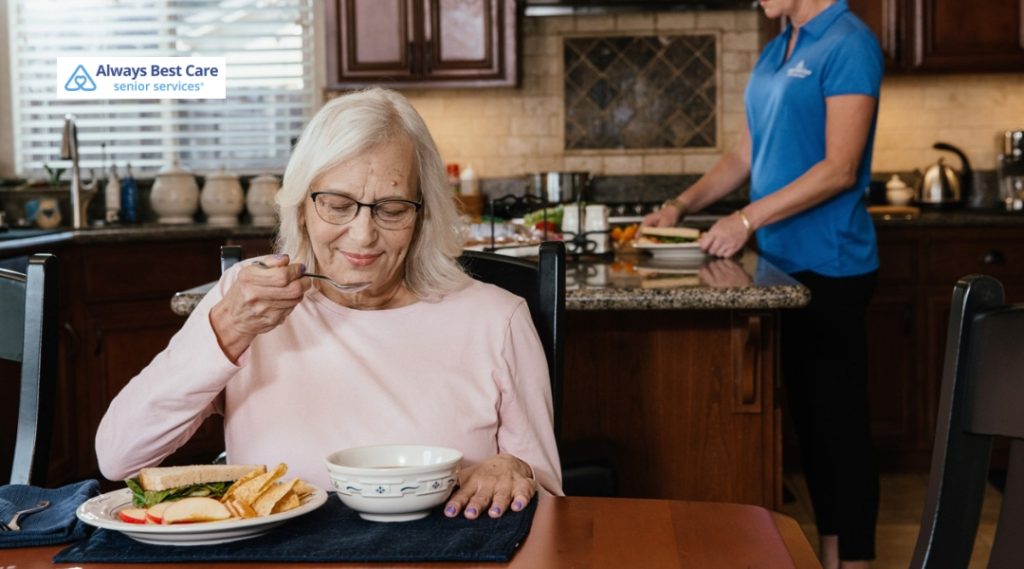
Table of Contents
Why Appetite Declines: What’s Really Going On?
Appetite doesn’t usually drop for just one reason. As people age, a whole mix of changes can make food less appealing or harder to manage.
Common Reasons Appetite Declines
- Changes in taste and smell that make food seem bland
- Slower digestion, leading to feeling full faster
- Less physical activity, which can naturally reduce hunger
- Side effects from medications
- Dental problems or dentures that hurt or don’t fit well
- Difficulty chewing or swallowing
- Ongoing health conditions
- Depression, anxiety, or feeling lonely
- Memory loss or cognitive changes
When several of these show up at once, eating can start to feel like a chore instead of something to look forward to. That’s why we encourage families in Charleston, SC to watch for gradual changes and talk with a healthcare provider if they’re worried.
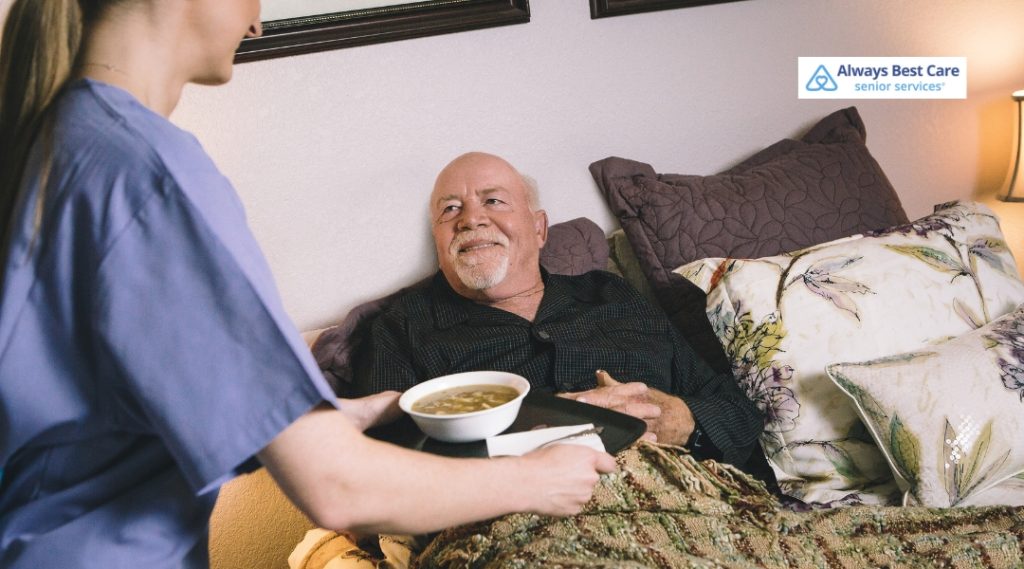
The Hidden Risks of Poor Nutrition
Skipping meals or barely eating doesn’t just mean a smaller number on the scale. Over time, poor nutrition can quietly affect almost every part of daily life.
Seniors who eat too little may experience:
- Unwanted weight loss
- Muscle weakness
- Higher risk of falls
- Fatigue and low energy
- Slower healing after illness or injury
- Weakened immune system
Even mild nutritional gaps can make it harder to stay steady on their feet, keep up with daily tasks, or feel like themselves. That’s why we treat declining appetite as a serious concern, not “just getting older.”
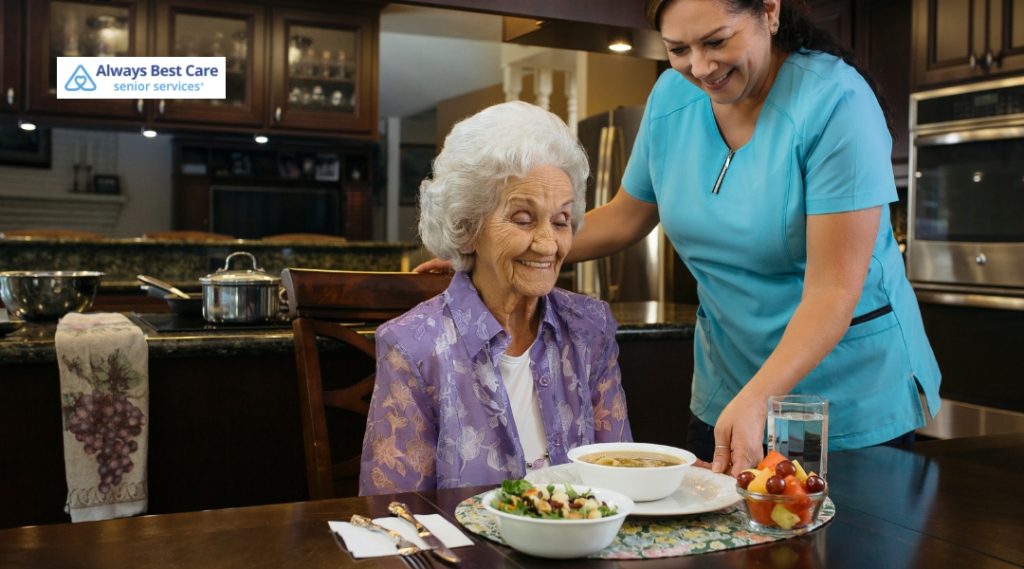
When Appetite Declines: Making Meals More Appealing
When appetite declines, the answer isn’t forcing big plates of food. Often, small tweaks can make a surprising difference.
Simple Ways to Make Food More Inviting
- Boost flavor: Add herbs and spices to bring life back to meals.
- Play with color and texture: Bright veggies, soft foods, and familiar favorites can spark interest.
- Serve familiar dishes: Comfort foods from years past often feel safe and appealing.
- Offer smaller portions more often: Several mini-meals and snacks can feel less overwhelming than three large meals.
- Pick nutrient-dense foods: Choose options that pack more protein, vitamins, and healthy fats into every bite.
Instead of pushing “clean your plate,” we focus on gentle encouragement, choice, and variety. If breakfast is small, maybe a mid‑morning snack picks up the slack.
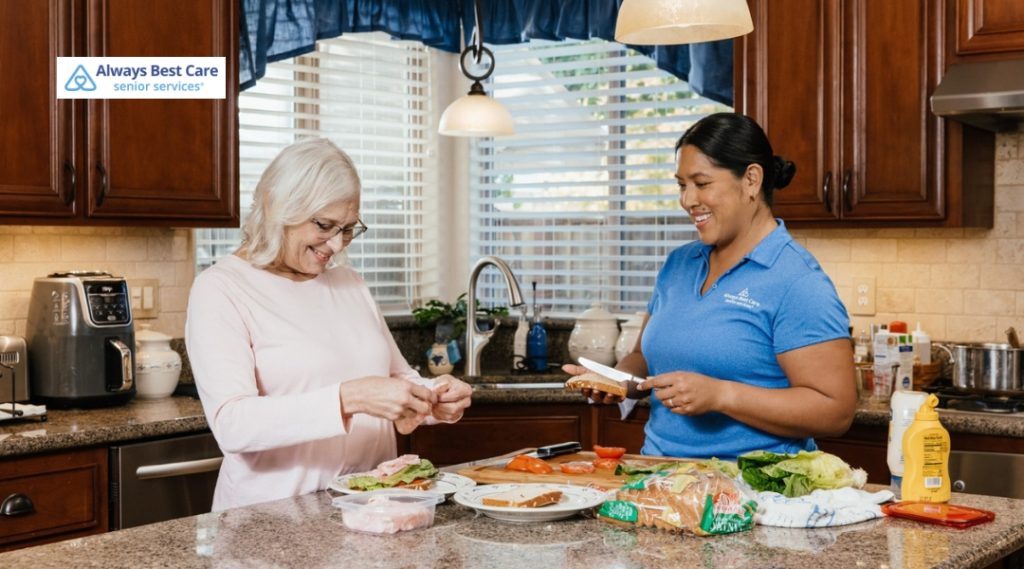
Turning Mealtime into a Social Moment in Charleston, SC
Eating alone day after day can dampen anyone’s appetite. In fact, many seniors eat better simply because someone’s sitting with them at the table.
In Charleston, SC, we often:
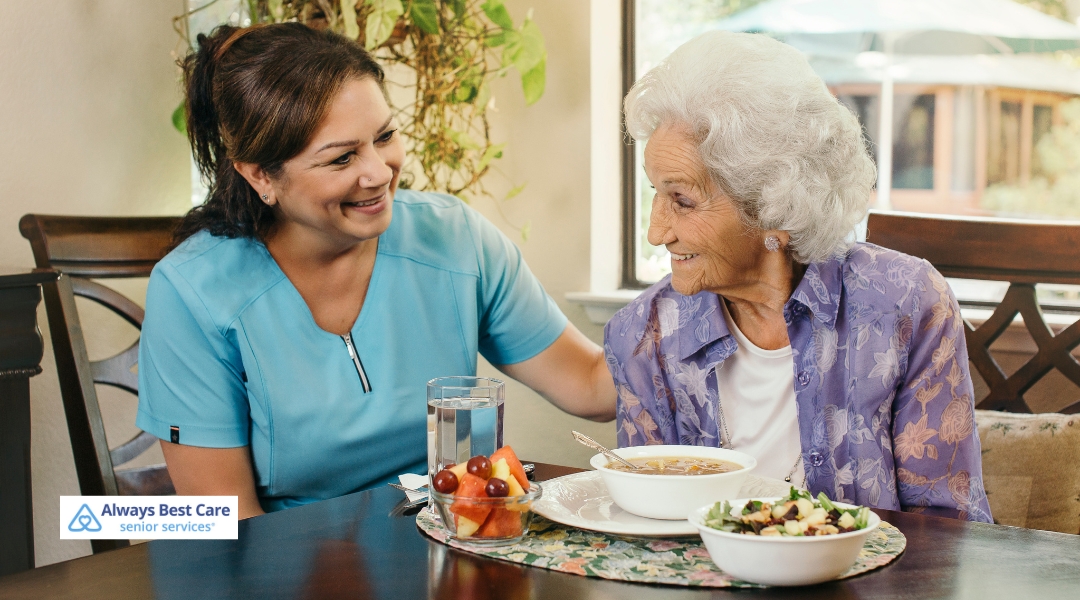
- Share meals with seniors, chatting as we eat
- Sit nearby to keep them company while they enjoy lunch or dinner
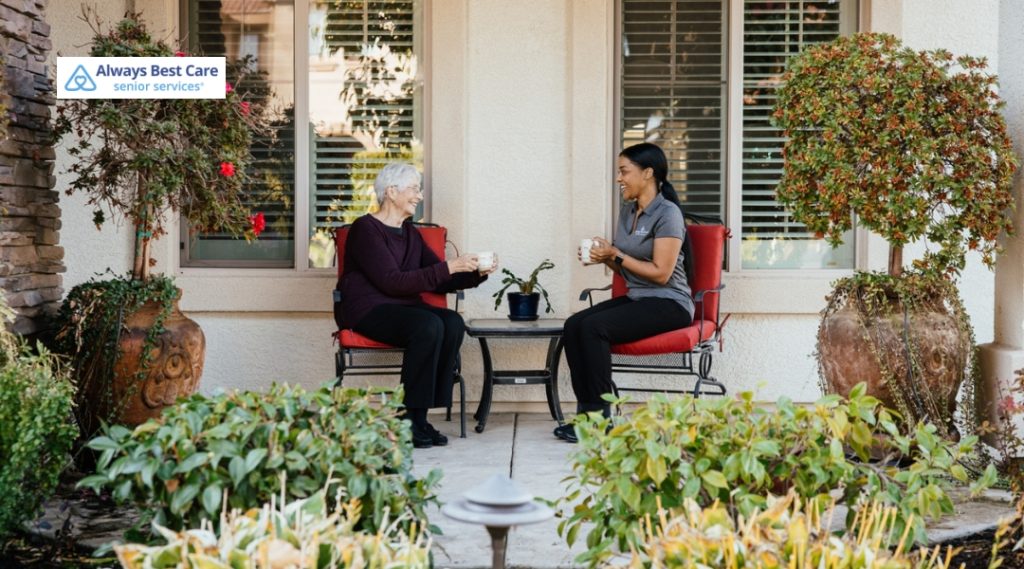
- Make time for simple rituals, like an afternoon cup of tea or coffee
- Encourage family to join for Sunday dinners or special occasions
Those small moments of connection can turn “just another meal” into something they genuinely enjoy. Conversation, laughter, and familiar faces often lead to more bites and better nutrition.
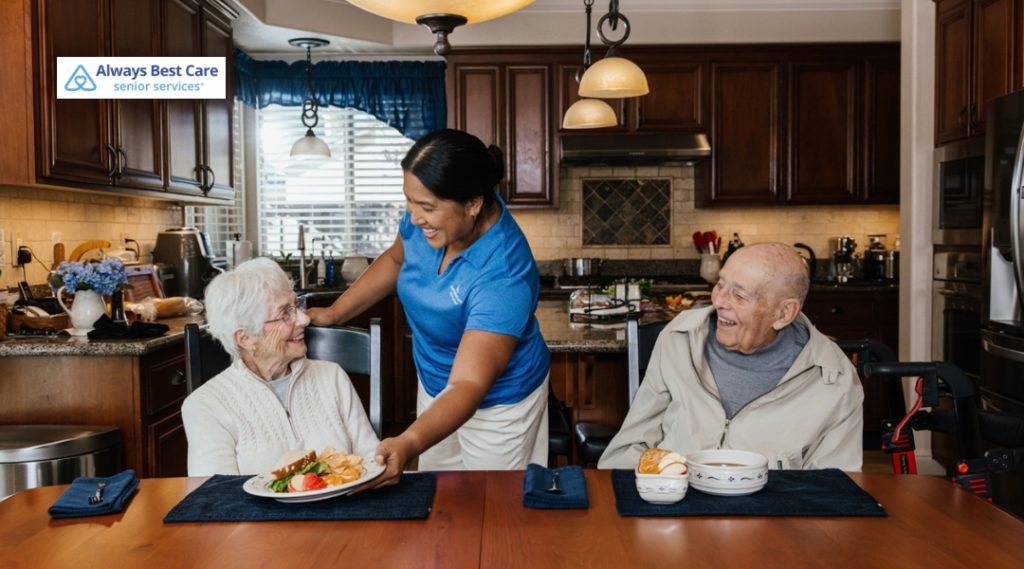
Spotting When Appetite Declines Too Much
There’s a difference between a lighter appetite and a worrying change. Families should pay attention if they notice:
- Noticeable weight loss
- Ongoing trouble chewing or swallowing
- Mood changes such as sadness, irritability, or withdrawal
- Persistent nausea or digestive discomfort
- More confusion or forgetfulness
At that point, it’s wise to loop in a healthcare provider. Medication adjustments, dental care, or other treatment might be needed—and we’re glad to help families track changes and share concerns.
Focusing on Nutrient-Rich Foods
When every bite counts, quality becomes more important than quantity. We often suggest building meals around foods that are both tasty and nourishing:
- Eggs
- Greek yogurt
- Lean meats and fish
- Nut butters
- Beans and lentils
- Fresh fruits and vegetables
- Whole grains like oatmeal, brown rice, or whole‑wheat bread
Protein plays a key role here. It helps maintain muscle strength, which supports balance, walking, and overall independence.
How Always Best Care of Charleston, SC Supports Healthy Eating
We know nutrition gets trickier with age, especially for seniors who live alone or face health challenges. At Always Best Care of Charleston, SC, we offer practical, everyday support that makes eating well more manageable.
We can help with:
- Meal planning that fits personal tastes and abilities
- Grocery shopping for fresh, easy‑to‑prepare ingredients
- Cooking meals or heating prepared dishes
- Encouraging hydration throughout the day
- Watching for changes in appetite and eating patterns
- Providing companionship during meals
- Sharing concerns with family so nobody’s left guessing
We work alongside families, offering steady support so loved ones can stay at home, feel cared for, and enjoy food again—without stress or pressure.
Supporting Healthy Eating and Healthy Aging in Charleston, SC
A declining appetite doesn’t have to be the start of a downhill slide. With a bit of attention, creativity, and support, many seniors in Charleston, SC can return to eating enough to feel stronger, more energetic, and more confident at home.
We believe good food is about more than nutrients—it’s about comfort, connection, and dignity. When appetite declines, we step in gently, helping seniors rediscover those small daily joys around the table.
FAQs
Q: Is it normal for seniors to eat less as they age?
A: Some decrease in appetite can be a normal part of aging, but ongoing low intake or noticeable weight loss isn’t something to ignore. It’s important to pay attention and talk with a healthcare provider if you’re concerned.
Q: How can we encourage a loved one to eat more without nagging?
A: Offer smaller, more frequent meals, serve favorite foods, make the plate colorful, and sit with them while they eat. Staying relaxed and positive usually works better than pressuring them.
Q: What foods are best when appetite declines?
A: Focus on nutrient‑dense options like eggs, yogurt, lean meats, beans, nut butters, fruits, vegetables, and whole grains. These give more nutrition in smaller portions.
Q: Does eating alone really affect appetite?
A: Yes, it can. Many seniors eat much better when someone shares the meal, even if it’s just a simple sandwich or cup of tea.
Q: How can Always Best Care of Charleston, SC help our family?
A: We can assist with meal planning, shopping, cooking, hydration reminders, and mealtime companionship. We also keep an eye on changes and share those observations with families.
When appetite declines, it can quietly reshape a senior’s health and day‑to‑day life. In Charleston, SC, we at Always Best Care take that seriously, but we also approach it with warmth and practicality—making meals more appealing, more social, and more nourishing.
By blending simple strategies with caring support, we help older adults eat well, feel better, and stay safely at home surrounded by the flavors and routines they know and love.
Support Healthy Eating and Independence at Home
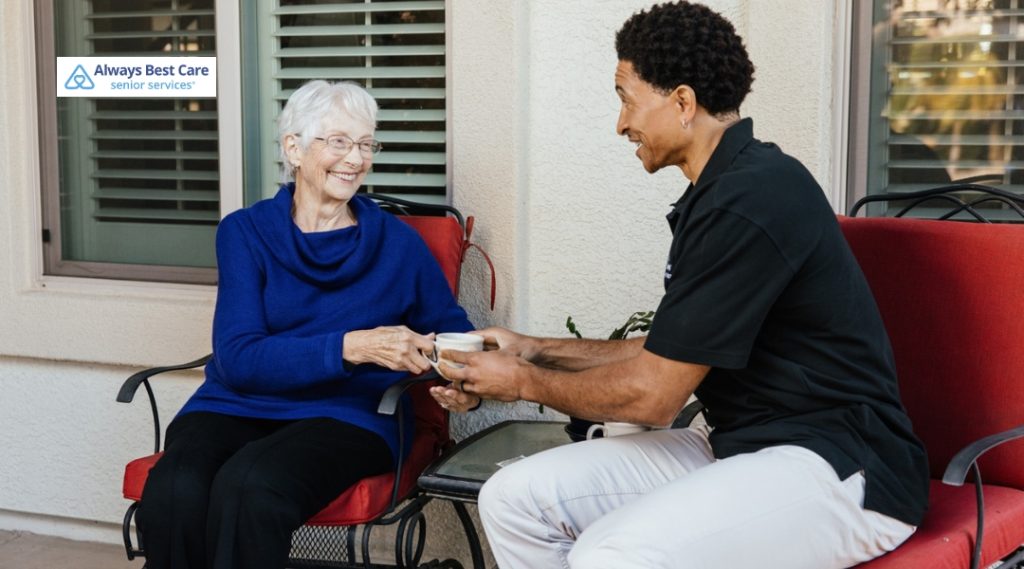
At Always Best Care of Charleston, we help seniors maintain healthy eating habits with compassionate, personalized in-home support. From meal planning and grocery shopping to preparation and companionship at mealtimes, our caregivers make it easier for your loved one to stay nourished, strong, and independent at home.
Contact Always Best Care of Charleston at (843) 996-4498 to learn more and schedule your free consultation.
Link to the markdown version of this blog.