Aging in Place Made Easier: Home Care for Chronic Illness in Charleston, SC
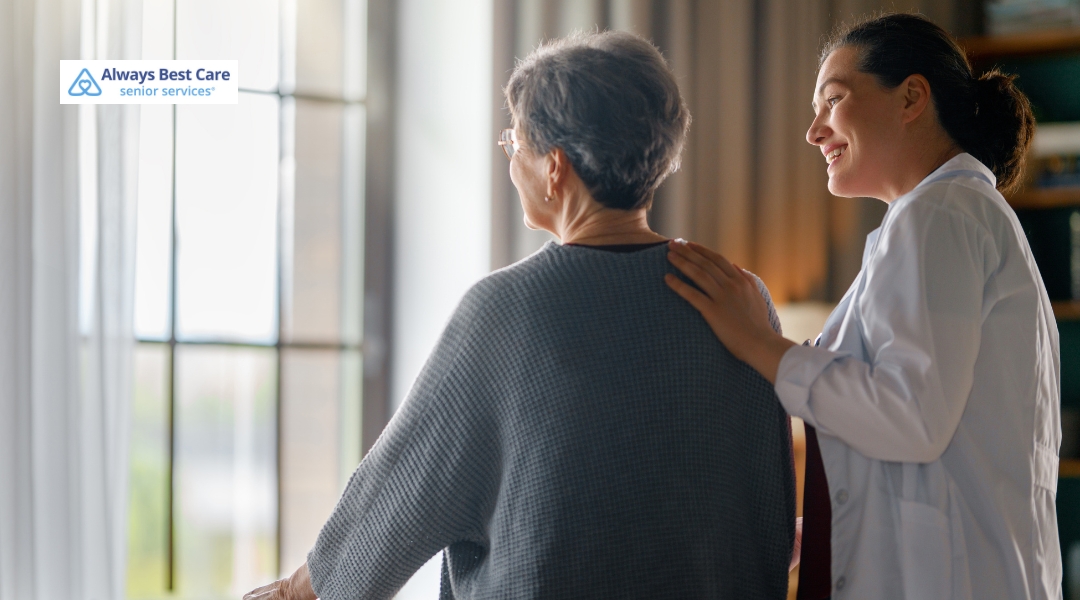
Home isn’t just four walls and a roof—it’s the smell of a favorite meal, the creak of a well-worn floorboard, and the photos lining the hallway. For many older adults in Charleston, SC, those small details are priceless, especially after a chronic illness changes daily life.
Conditions like heart disease, diabetes, arthritis, COPD, Parkinson’s disease, and other ongoing health concerns can make everyday tasks tougher. Still, that doesn’t automatically mean a move to assisted living or a nursing home. With thoughtful in-home care, many seniors keep living where they feel most themselves—right at home—while staying safe and independent.
At Always Best Care of Charleston, SC, we step in with practical help, warm companionship, and flexible support so families don’t have to shoulder everything alone.
Table of Contents
What Readers Will Learn
- How chronic illness can affect daily routines, mobility, safety, and independence for older adults.
- Ways caregivers help with personal care, meals, errands, transportation, medication reminders, and companionship.
- Why consistent support with medications, nutrition, hydration, activity, and appointments matters.
- How regular caregiver check-ins can provide reassurance for seniors and relieve pressure on families.
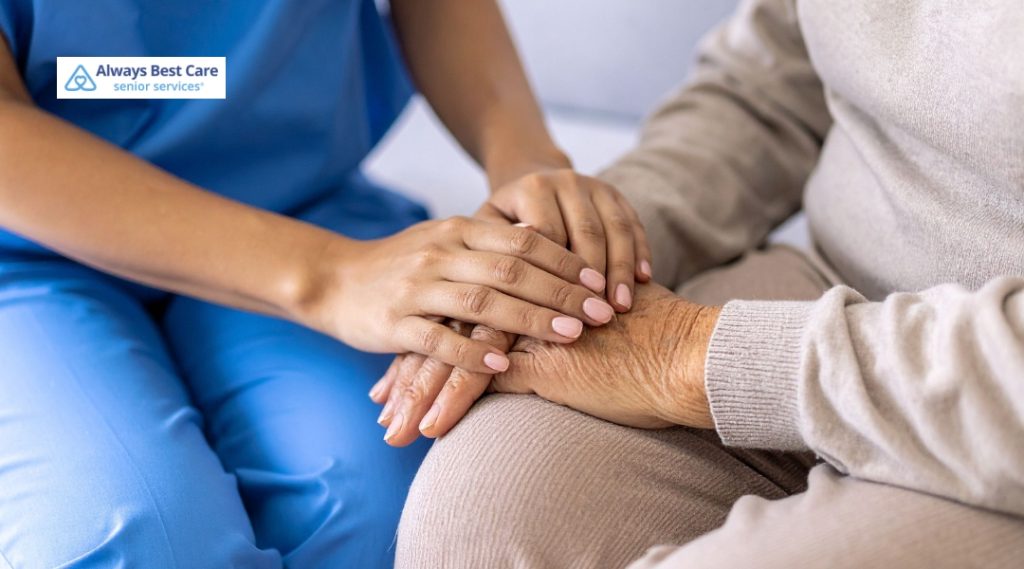
Aging in Place with a Chronic Illness in Charleston, SC
Living with a long-term health condition is more like running a marathon than a sprint. There’s no quick fix, and the daily routine can start to feel like a juggling act.
Seniors often have to manage:
- Multiple medications and treatment plans
- Changes in mobility or chronic pain
- Fatigue that makes chores feel overwhelming
- A higher risk of falls or injury
- Rides to doctors’ visits and follow-ups
- Feelings of loneliness or being cut off from others
All of that can weigh heavily on both seniors and their families. Still, aging in place with a chronic illness is absolutely possible when the right support is in place and everyone’s pulling in the same direction.
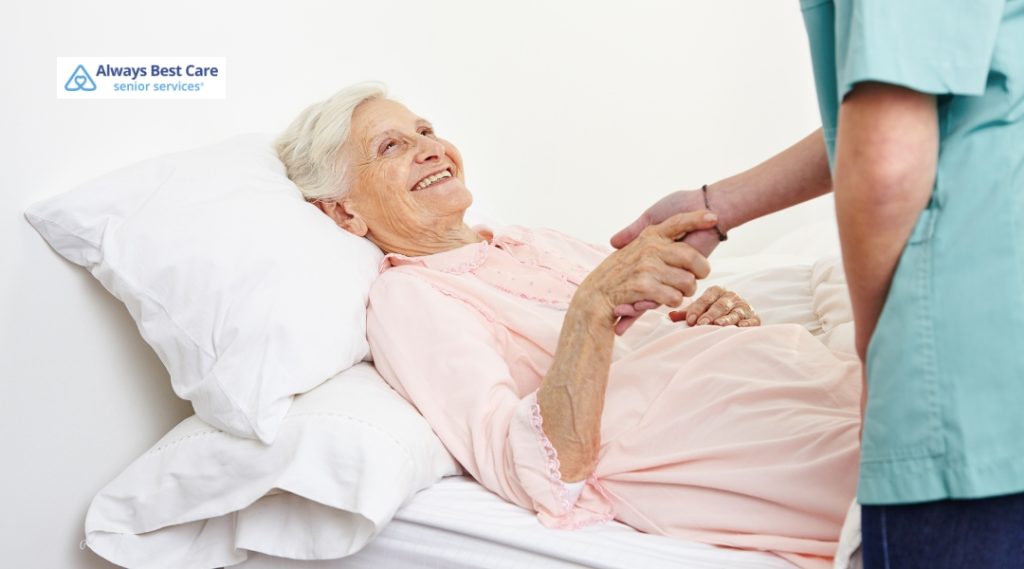
How In-Home Care Promotes Independence
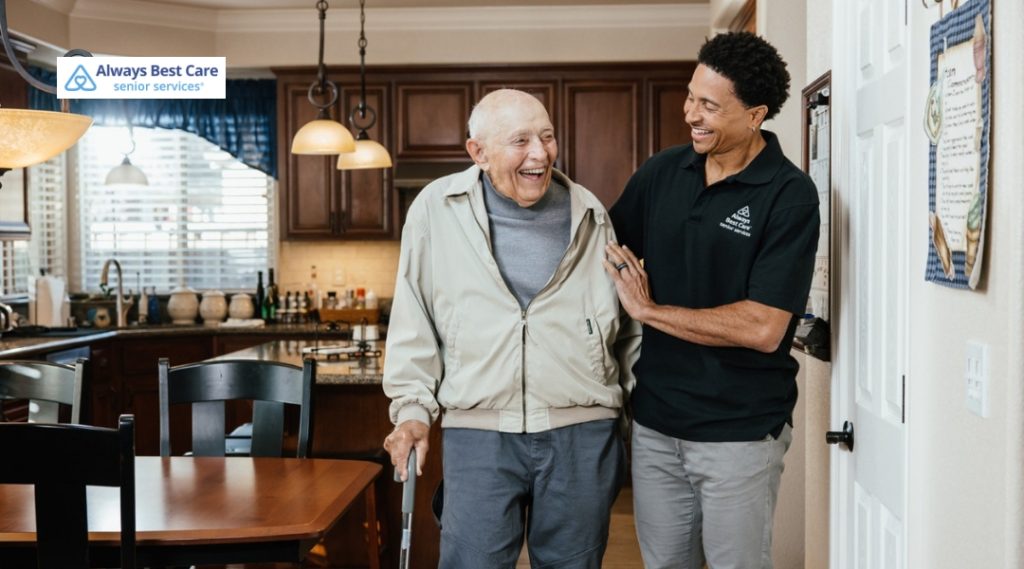
It’s easy to worry that bringing in a caregiver means giving up control, but it often has the opposite effect. Thoughtful in-home care is built around what each senior can do—not just what they can’t.
Instead of taking over, caregivers:
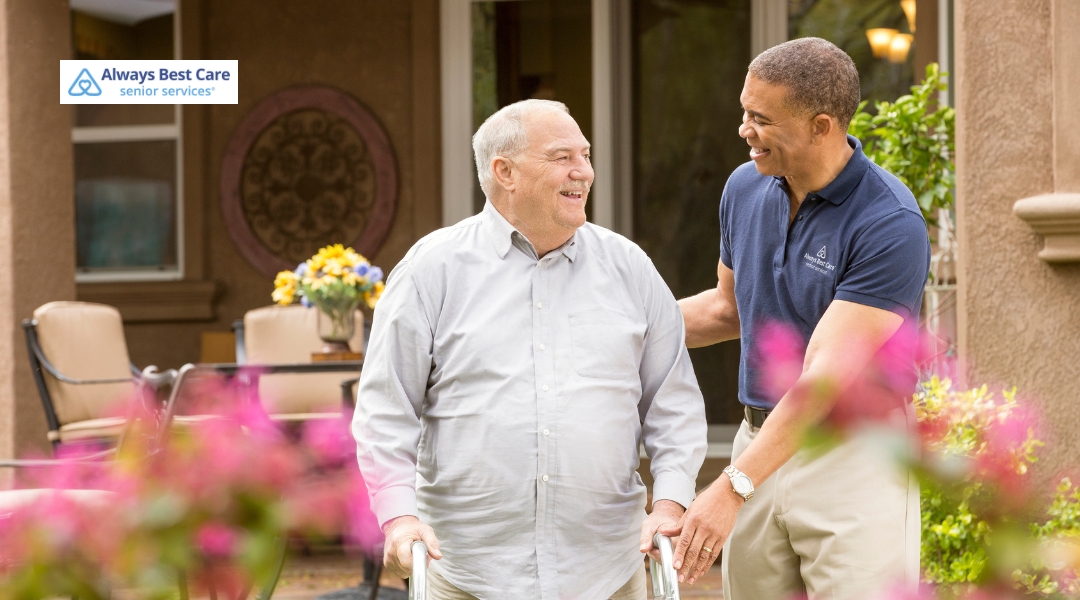
- Encourage independence, stepping in only where help is needed
- Respect routines, habits, and preferences
- Support safety, reducing risks without turning home into a hospital
By keeping familiar rhythms—morning coffee at the same table, favorite TV shows, walks around the block—seniors often feel more confident and less like their illness is calling all the shots.
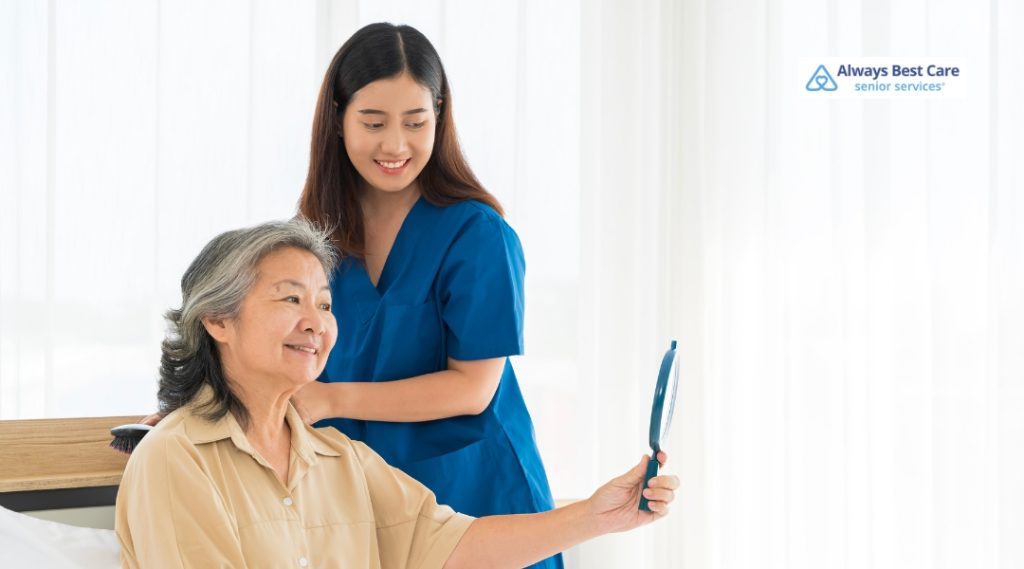
In-Home Care Support for Everyday Activities in Charleston, SC
Some tasks that used to be second nature—like getting dressed or tidying up the kitchen—can become exhausting with a chronic condition. That’s where we come in. At Always Best Care of Charleston, SC, we give a steady hand without taking away pride or independence.
Caregivers can help with things like:
- Personal care such as bathing, grooming, and dressing
- Meal planning and cooking, including special diets
- Light housekeeping and laundry
- Grocery shopping, pharmacy runs, and other errands
- Safe transportation to medical appointments
- Medication reminders and gentle check-ins
With this kind of support, seniors don’t have to choose between staying at home and staying safe. They can save their energy for the moments that matter most—phone calls with grandkids, hobbies, and visits with friends.
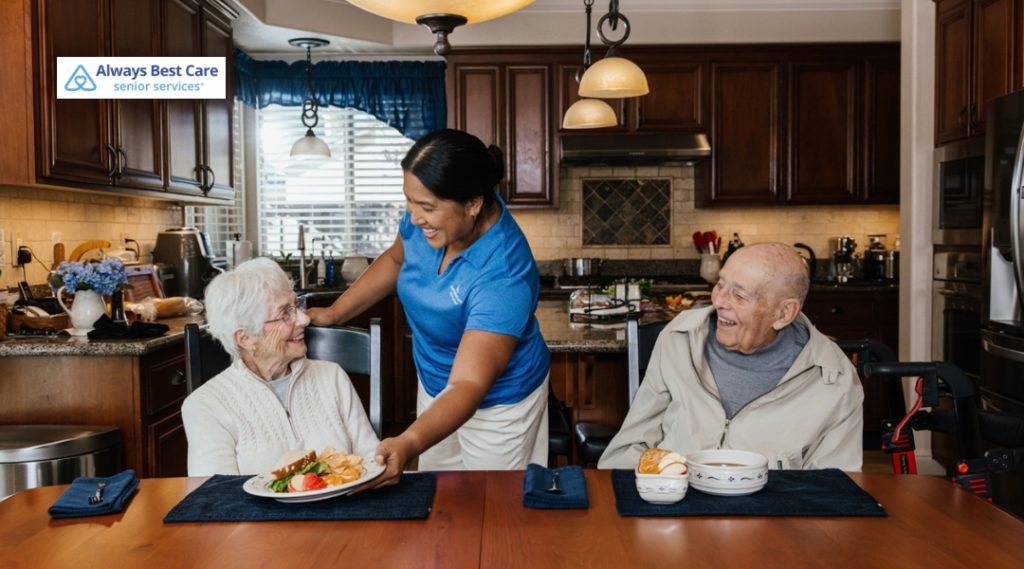
Daily Habits That Support Better Health
Managing a chronic illness often comes down to what happens every single day. Missing medication “just this once,” or skipping meals when tired, can slowly add up and lead to bigger problems.
In-home caregivers help keep healthy habits on track by:
- Reminding seniors to take medication on time
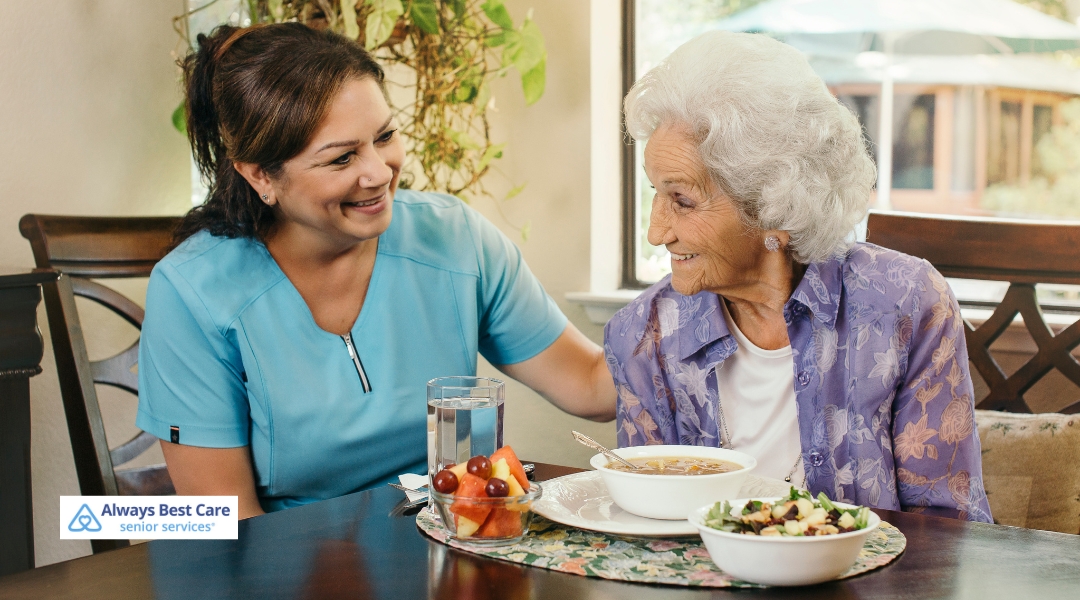
- Preparing balanced, easy-to-enjoy meals
- Encouraging regular fluids to stay hydrated
- Supporting gentle, physician-approved activity
- Helping coordinate and keep medical appointments
Those small, consistent steps can reduce flare-ups, support comfort, and keep seniors out of a pattern of frequent hospital visits.
Catching Problems Early and Reducing Hospital Readmissions
Chronic illnesses can change quickly. What looks like a minor issue today can turn into an emergency tomorrow if no one’s there to notice. Regular in-home care brings an extra set of eyes and ears into the picture.
Caregivers often pick up on warning signs, such as:
- Decreased appetite or sudden weight changes
- New or increased fatigue
- Unsteady walking or difficulty moving safely
- Shortness of breath or wheezing
- Swelling in the legs, feet, or hands
- Confusion or changes in mood and behavior
When we spot something concerning, families can contact healthcare providers sooner rather than later, often preventing a trip to the emergency room or a return stay in the hospital.
Emotional Well-Being: More than Just “Getting By”
Chronic illness isn’t only physical—it can chip away at confidence and mood, too. Seniors may feel frustrated when they can’t do what they used to, or lonely when friends and family are busy or far away.
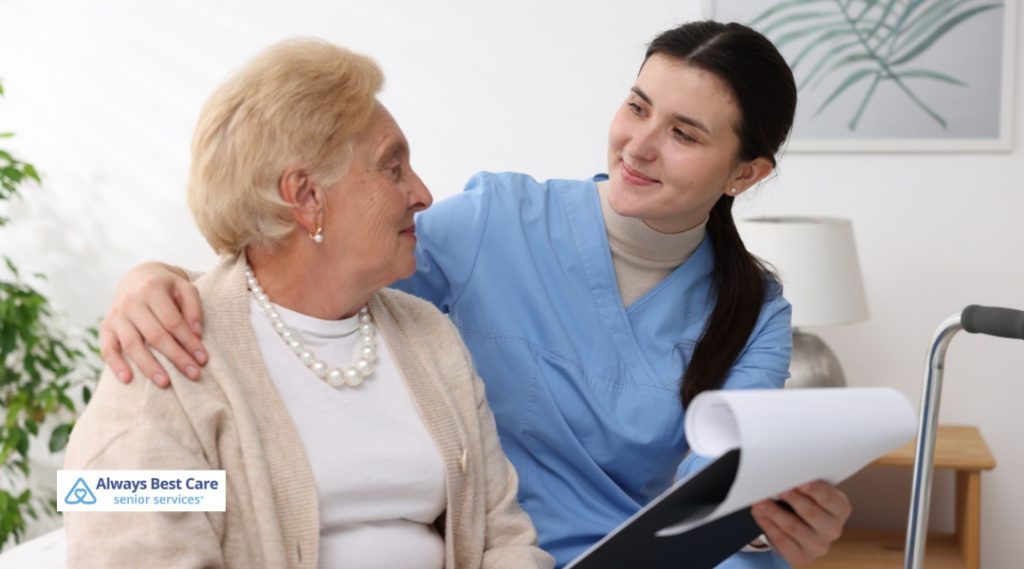
That’s why companionship is a big part of in-home care. Caregivers can:
- Share meals and conversation
- Go for short walks or sit outside together
- Join in hobbies like puzzles, cards, or crafts
- Offer encouragement on difficult days
For families, knowing someone is there to keep their loved one company can be a huge relief. It’s not just about getting through the day—it’s about still finding joy in it.
How Always Best Care of Charleston, SC Supports Aging in Place
At Always Best Care of Charleston, SC, we understand that no two seniors are exactly alike. Health needs vary, personalities differ, and every home has its own rhythm. We listen closely so we can build care plans that feel like a natural extension of life at home, not an intrusion.
We help seniors living with:
- Diabetes
- Heart disease and circulation issues
- COPD and other breathing conditions
- Arthritis and mobility challenges
- Parkinson’s disease and other neurological conditions
- The effects of stroke or multiple health concerns
Our caregivers offer a mix of practical support and heartfelt companionship so seniors can stay:
- Safe – fewer falls, better medication management, and help with risky tasks
- Comfortable – in familiar surroundings with routines they know and love
- Independent – doing as much as possible on their own, with backup when needed
We work alongside families, not in place of them, helping everyone feel more supported and less overwhelmed.
Independence Is Still Within Reach
A chronic illness may change how seniors move, eat, or spend their time, but it doesn’t have to decide where they live. Many older adults in Charleston, SC can keep calling their own home “home” for years, with the right blend of safety, support, and respect.
Always Best Care of Charleston, SC is here to walk that road with you—step by step, day by day. If someone you love is dealing with a chronic illness and needs extra help at home, we’re ready to talk about options that honor their independence and their wishes.
FAQs
Q: What does aging in place with a chronic illness really mean?
A: Aging in place with a chronic illness means staying in your own home while managing long-term health conditions, with support tailored to safety, comfort, and independence.
Q: Can seniors with multiple chronic illnesses still receive in-home care?
A: Yes. Many seniors live with more than one condition, and in-home care can be adjusted to meet complex needs, including help with medication, mobility, nutrition, and daily routines.
Q: Does in-home care replace family support?
A: No. In-home care is meant to complement what families already do, easing the load on loved ones and offering professional help where it’s most needed.
Q: Is in-home care only for those who can’t do anything on their own?
A: Not at all. In-home care can be helpful even for seniors who are fairly independent but need help with certain tasks, transportation, or companionship.
Q: How can we get started with Always Best Care of Charleston, SC?
A: You can reach out to us to schedule a care consultation, where we discuss needs, goals, and preferences and suggest a plan that fits life at home.
Help Your Loved One Age Safely at Home
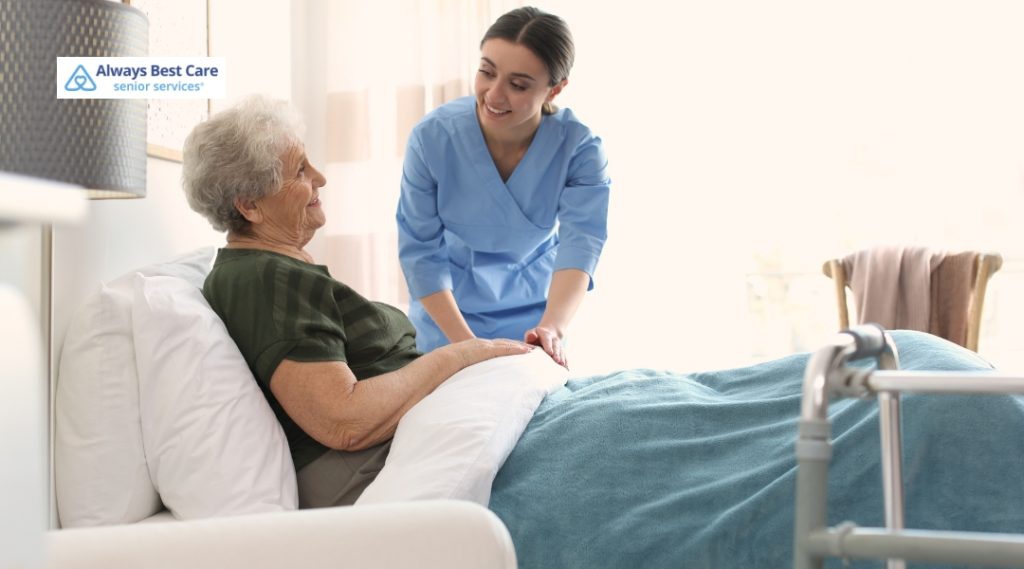
Home is often where seniors feel strongest, even when chronic illness brings new challenges. With thoughtful in-home care in Charleston, SC, aging in place becomes not just possible, but truly fulfilling.
At Always Best Care of Charleston, SC, we partner with families to keep loved ones safe, supported, and as independent as they can be in the place they cherish most—their own home.
Contact Always Best Care of Charleston at (843) 996-4498 to learn more and schedule your free consultation.
Link to the markdown version of this blog.