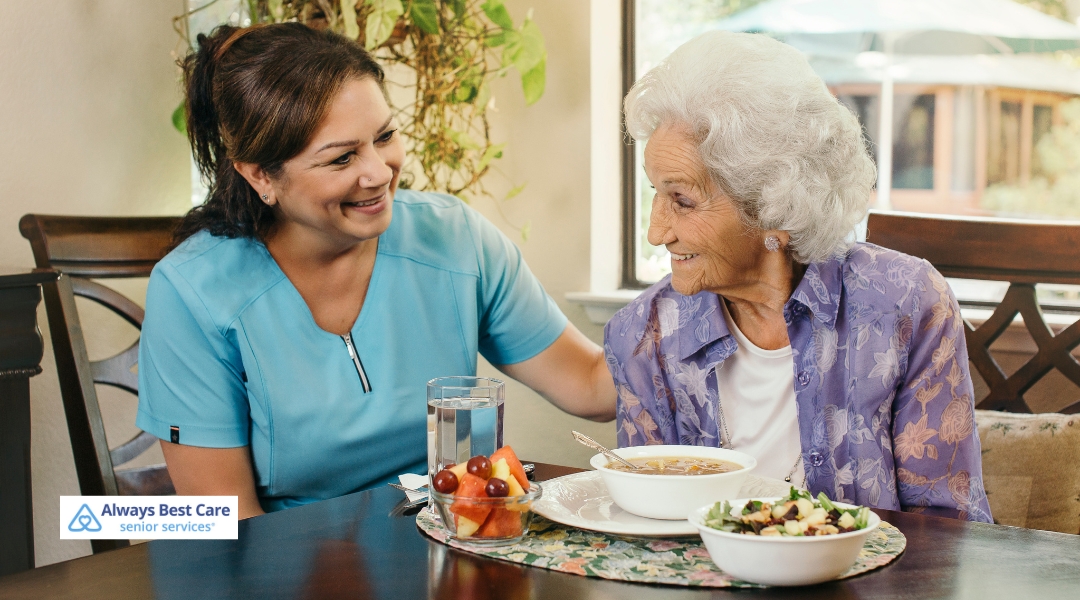

When Seniors Don’t Feel Thirsty: Practical Hydration Tips for Charleston, SC
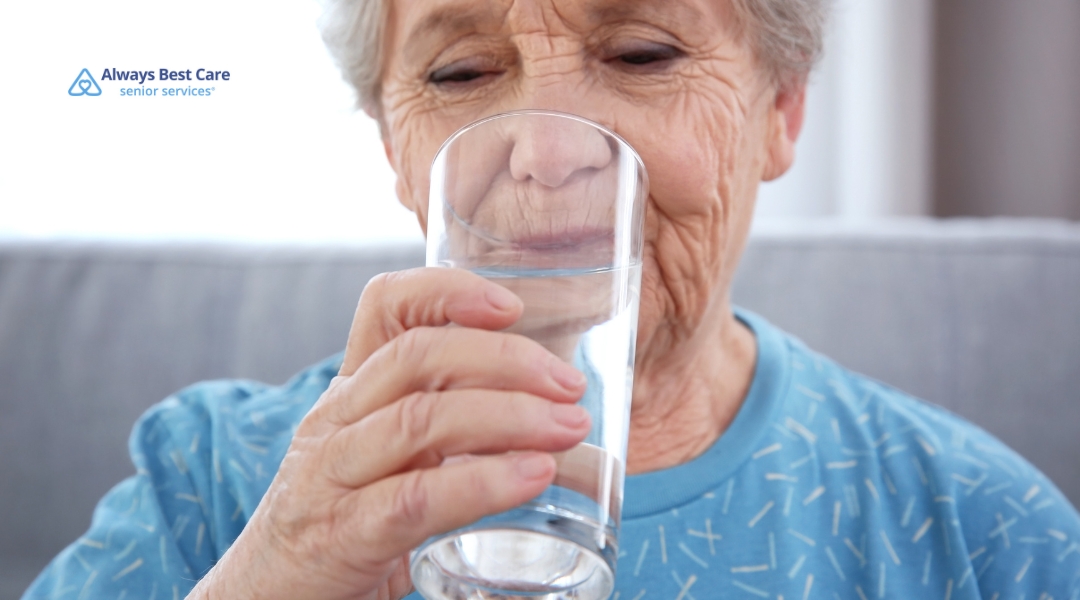
For most people, thirst is a built-in reminder to drink water. But for older adults, that signal becomes less dependable over time. Seniors can be significantly dehydrated before they feel any urge to drink — and by then, the body is already working harder than it should.
Understanding why this happens, and what to do about it, is one of the most practical steps families and caregivers can take to protect a senior’s long-term health.
Table of Contents
What Readers Will Learn
- Why thirst may become a less reliable signal as people age.
- Common signs that may suggest an older adult is becoming dehydrated.
- Simple daily routines that can make hydration easier to maintain.
- How hydrating foods, caregiver reminders, and regular observation can support senior well-being at home.

The Aging Body and Thirst: What Changes
The relationship between aging and hydration is more complex than most people realize. As the body gets older, several physiological shifts reduce both the sensation of thirst and the body’s ability to conserve water.
The hypothalamus — the part of the brain that regulates thirst — becomes less sensitive with age. Kidney function also declines gradually, making it harder for the body to retain fluids efficiently. On top of that, the total amount of water stored in the body decreases as muscle mass drops and fat tissue increases, since muscle holds significantly more water than fat.
Other contributing factors include:
- Medications such as diuretics, antihistamines, or blood pressure drugs that increase fluid loss
- Mobility limitations that make it inconvenient to get up and get a drink
- Cognitive changes that affect awareness of bodily needs
- Concerns about incontinence, which may lead some seniors to intentionally drink less
The result is a quiet, gradual deficit — one that builds up day after day without obvious warning signs until it becomes a real problem.
Why Dehydration Is More Dangerous for Older Adults
Dehydration affects everyone, but older adults face a narrower margin for error. Even a 1–2% drop in body water can impair physical and cognitive performance in seniors, whereas younger adults may not notice effects until they lose more.
The consequences of chronic, low-grade dehydration in seniors include:
- Cognitive decline — difficulty concentrating, memory lapses, and increased confusion
- Increased fall risk — dehydration contributes to dizziness and low blood pressure upon standing
- Kidney stress — inadequate fluid intake accelerates kidney function decline
- Constipation and digestive issues — the colon pulls water from waste when the body is short on fluids
- Urinary tract infections (UTIs) — one of the most common and preventable complications of poor hydration in older women
- Cardiovascular strain — thicker blood from dehydration forces the heart to work harder
Severe dehydration can result in hospitalization, and in vulnerable seniors, it can trigger a cascade of complications that are difficult to reverse.
Warning Signs to Watch For
Because seniors often don’t feel thirsty, families and caregivers need to recognize the physical and behavioral signs of dehydration early.
Physical indicators:
- Dark yellow or amber-colored urine
- Dry mouth, cracked lips, or dry skin
- Sunken eyes
- Infrequent urination (fewer than 3–4 times per day)
Behavioral and cognitive indicators:
- Unusual fatigue or low energy
- Increased irritability or confusion
- Dizziness when standing up
- Loss of appetite
If any of these signs appear suddenly or worsen over a short period, contact a healthcare provider promptly. In seniors with existing health conditions, dehydration can escalate quickly.

Building a Hydration Routine That Works
Since thirst can’t be relied on, hydration needs to become a structured habit — not an afterthought. The goal is to make drinking fluids a natural part of the day, tied to existing routines.
Practical strategies include:
- Anchor fluids to meals and medications — drinking a full glass of water with breakfast, lunch, dinner, and any medication doses creates consistent intake without requiring extra effort
- Use visual cues — keeping a filled water bottle or glass in a visible spot serves as a passive reminder
- Set phone or watch reminders — simple alarms every 1–2 hours can prompt fluid intake throughout the day
- Flavor water naturally — adding slices of lemon, cucumber, or mint can make plain water more appealing for seniors who find it bland
- Track intake — a simple tally on a notepad or a marked water bottle helps seniors and caregivers monitor daily progress
The target for most older adults is around 6–8 cups of fluid per day, though individual needs vary based on health conditions, medications, and activity level. A physician can provide personalized guidance.

Hydrating Foods That Support Daily Intake
Water isn’t the only source of hydration. Many whole foods contribute meaningfully to daily fluid intake and also provide vitamins, fiber, and antioxidants that support healthy aging.
High-water-content foods to incorporate:
| Food | Water Content |
| Cucumber | ~96% |
| Lettuce | ~95% |
| Watermelon | ~92% |
| Strawberries | ~91% |
| Oranges | ~87% |
| Yogurt | ~85% |
| Broth-based soups | ~92%+ |
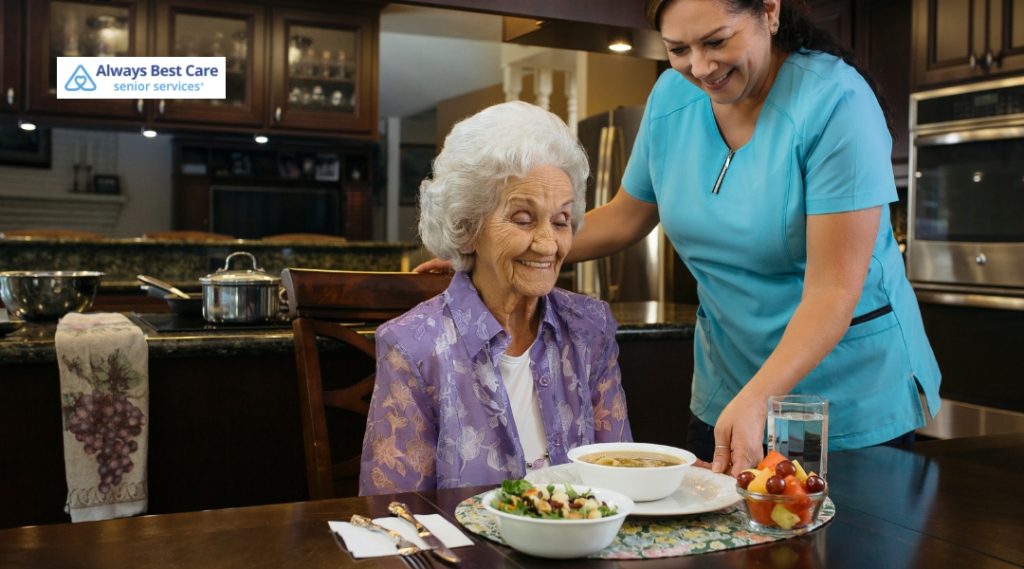
Incorporating these foods into daily meals — especially for seniors with smaller appetites — is a practical way to boost hydration without requiring them to drink more.
How Caregivers Make a Real Difference
For seniors living alone or managing multiple health conditions, maintaining consistent hydration can be genuinely difficult. Caregivers play a critical role — not just by offering water, but by creating an environment where healthy habits are easy to maintain.
Caregivers can support hydration by:
- Proactively offering fluids throughout the day rather than waiting to be asked
- Preparing meals and snacks that include hydrating foods
- Monitoring urine color and frequency as a simple hydration check
- Noting behavioral changes that may indicate dehydration and communicating them to family or healthcare providers
- Adjusting fluid offerings based on weather, activity level, and health changes
These consistent, small actions add up to meaningful protection against one of the most common and preventable health risks in older adults.

How Always Best Care of Charleston, SC Supports Healthy Hydration
At Always Best Care of Charleston, SC, our caregivers understand that hydration is a daily priority, not a seasonal concern. We help seniors build sustainable routines around nutrition, fluid intake, and overall wellness — all within the comfort of home.
Whether your loved one needs a few hours of support each week or more comprehensive daily care, our team is here to help them stay healthy, comfortable, and independent.
Frequently Asked Questions
Q: How much water should a senior drink each day?
A: Most older adults need around 6–8 cups (48–64 oz) of fluid per day, but this varies based on body size, medications, activity level, and health conditions. A doctor can recommend the right target for your loved one.
Q: Why don’t seniors feel thirsty even when dehydrated?
A: Aging reduces the sensitivity of the brain’s thirst center (the hypothalamus), so the signal to drink arrives later — or not at all. This is a normal physiological change, not a sign of a specific illness.
Q: Can dehydration cause confusion in seniors?
A: Yes. Even mild dehydration can impair cognitive function in older adults, leading to confusion, forgetfulness, and difficulty concentrating. In some cases, dehydration-related confusion is mistaken for dementia symptoms.
Q: What drinks should seniors avoid for hydration?
A: Caffeinated beverages (in large amounts) and alcohol can have a mild diuretic effect. They don’t need to be eliminated entirely, but they shouldn’t be counted as primary hydration sources.
Q: How can I tell if my elderly parent is dehydrated?
A: Watch for dark urine, dry mouth, fatigue, dizziness when standing, and decreased urination. If these signs appear or worsen quickly, contact a healthcare provider.
Contact Always Best Care of Charleston at (843) 996-4498 to learn more and schedule your free consultation.
Link to the markdown version of this blog.