

Protect Your Loved One from Scams in Dallas, TX: Key Warning Signs
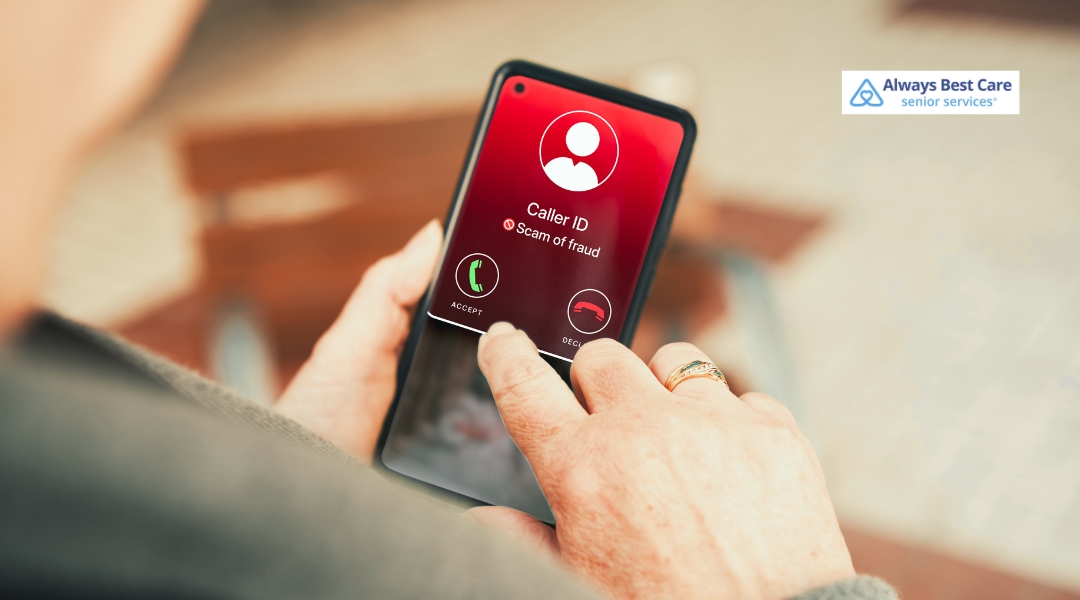
Scammers are getting slicker by the day, and sadly, older adults are often right in their crosshairs. In Dallas, TX, many seniors are targeted because they’re polite, financially stable, or just not as familiar with fast-changing technology. Toss in a smooth-talking stranger, and it’s easy to see how even the most cautious person can get taken for a ride.
The upside? Awareness isn’t just helpful—it’s powerful. Once we understand how senior scams work, what they look like, and how they hook people, we can step in sooner and help protect the people we love. At Always Best Care of Dallas, TX, we’re right there with families, working together to spot trouble early and keep seniors safer.
What You Will Learn:
- Why seniors in Dallas are frequently targeted by scammers.
- The most common types of scams affecting older adults.
- Key warning signs that indicate a potential scam.
- Practical steps families can take to prevent fraud.

Table of Contents
Why Are Seniors in Dallas, TX So Often Targeted by Scams?
Scammers rarely pick targets at random. They tend to zero in on seniors because many:
- Are more trusting or polite and don’t want to seem rude by hanging up or saying no
- Have savings, retirement income, or home equity that criminals are eager to tap
- Live alone or feel lonely, making them more willing to talk to someone who reaches out
- Aren’t as familiar with digital tricks like phishing links, fake websites, or spoofed phone numbers
Put all that together, and scammers see a perfect storm—someone with money, manners, and limited tech experience. That’s why staying informed matters so much.
Common Types of Senior Scams in Dallas, TX
Scam artists are creative, but their tricks follow certain patterns. Once you know the main types, they’re easier to spot.
Phone Scams
Fraudsters may call pretending to be:
- Government agencies (IRS, Social Security)
- Utility companies
- Banks
- Even a grandchild or relative in trouble
They usually:
- Create intense urgency
- Demand immediate payment
- Ask for personal or financial information
If someone’s pressuring a senior on the phone and demanding quick action, that’s a giant red flag.
Email, Text, and Phishing Scams
Here, messages may look like they’re from:
- Banks or credit card companies
- Healthcare providers
- Delivery services or big-name retailers
They often:
- Include links to fake websites
- Ask the senior to “verify” account details
- Request passwords, Social Security numbers, or bank info
One careless click can open the door to identity theft.
Sweepstakes and Lottery Scams
These scams promise something for nothing—except there’s always a catch. Seniors may hear:
- “You’ve won, but you need to pay taxes or fees first.”
- “Send money to release your prize.”
In reality, there’s no prize, just money flowing straight to the scammer.
Romance Scams
Online relationships can feel comforting, especially for someone who’s lonely. Scammers:
- Build a slow, emotional connection
- Avoid meeting in person
- Eventually ask for money for “emergencies,” “medical bills,” or “travel”
By the time the request for money comes, the senior may feel deeply attached and eager to help.
Tech Support Scams
These often start with:
- A pop-up warning about a virus
- A phone call claiming there’s a problem with the computer
The scammer then:
- Asks for remote access
- Requests payment for fake “repairs”
- Installs malware or steals information
Any unsolicited tech support call or pop-up demanding payment is cause to hit the brakes.

Warning Signs of Senior Scams: What Should You Watch For?
Scams may vary in style, but their pressure tactics are strikingly similar. Keep an eye out for:
- Demands for immediate payment or action
- Requests for payment via gift cards, wire transfers, or cryptocurrency
- Unsolicited calls, emails, or texts asking for account numbers or passwords
- Messages that stir up fear, panic, or guilt
- Requests to keep things secret from family or caregivers
If something feels off or confusing, it’s time to pause, verify, and talk it through before money changes hands.
How Families Can Help Protect Loved Ones in Dallas, TX
Families are on the front lines of prevention. We’ve seen that just talking openly can make a huge difference. Helpful steps include:
- Have regular, judgment-free conversations about scams and how they work
- Encourage seniors to verify any request—by calling a known number, not the one provided by the caller
- Keep an eye on accounts for strange withdrawals or new “friends” asking for money
- Set up call blocking and spam filters on phones and email
- Ask your loved one to check with you or another trusted person before sending money or sharing sensitive information
The goal isn’t to take control—it’s to be a safety net. When seniors feel respected and supported, they’re more likely to mention something that doesn’t sit right.

How In-Home Care Helps Prevent Senior Scams
In-home care isn’t just about daily tasks; it can also add a powerful layer of protection against scams.
At Always Best Care of Dallas, TX, we train caregivers to stay alert to unusual situations and gently encourage smart, safe choices. We can help:
- Screen calls or unexpected visitors and discourage risky conversations
- Notice changes in mood, behavior, or spending that might signal someone is being pressured
- Provide companionship, which reduces loneliness—one of the big hooks scammers rely on
- Support open communication between seniors and their families
By being present and attentive, we help catch odd patterns early—before they snowball into serious loss.
What Should You Do If You Suspect a Scam?
If you think a loved one may have been tricked—or is in the middle of a scam—speed matters. Here’s a simple plan of action:
- Contact the bank or credit card company right away to stop or dispute charges.
- Report the scam to local law enforcement or adult protective services so patterns can be tracked.
- Watch accounts closely for additional suspicious activity.
- Offer calm, steady support—not blame or criticism.
Many seniors feel embarrassed or afraid they’ll “get in trouble,” so they stay quiet. By responding with understanding instead of judgment, we make it easier for them to open up about what happened.

FAQs About Senior Scams in Dallas, TX
Q: How can I talk to my loved one about scams without scaring or insulting them?
A: Start from a place of partnership: “Scammers are going after lots of people right now, and they’re really sneaky. Can we watch out for this together?” Focus on teamwork, not blame.
Q: Is it rude to tell my loved one not to answer unknown numbers?
A: Not at all. Framing it as a safety habit—just like locking the front door—can make it feel practical rather than controlling.
Q: What’s the most common payment method scammers ask for?
A: Gift cards, wire transfers, and cryptocurrency are favorites because they’re hard to trace and nearly impossible to reverse once the money’s gone.
Q: Can a caregiver really help prevent scams?
A: Yes. A trained caregiver can spot odd phone calls, new “friends,” or sudden money requests and bring them to the family’s attention quickly.
Q: How can Always Best Care of Dallas, TX help my family in this situation?
A: We at Always Best Care of Dallas, TX offer in-home support that includes companionship, practical help, and an extra set of eyes and ears to recognize warning signs and encourage safe choices.

Help Your Loved One Stay Safe, Supported, and Protected
Senior scams may be getting more sophisticated, but they’re not unstoppable. Awareness, clear communication, and steady support go a long way toward keeping your loved one safer in Dallas, TX.
We at Always Best Care of Dallas, TX are committed to helping seniors feel secure, respected, and confident at home. If your loved one could use extra support, companionship, and an added layer of protection from scams, we’re here to walk that road with you and your family. Contact Always Best Care of Dallas at (972) 739-8886 to learn more and schedule your free consultation.
Link to the markdown version of this blog.