

Respiratory Health for Seniors: Simple Ways to Support Easier Breathing in Dallas, TX

For many seniors, breathing becomes more than just an automatic function—it becomes a daily challenge. Age-related changes, chronic conditions like COPD or asthma, and environmental factors can all contribute to declining respiratory health. But with the right habits, home environment, and support system in place, older adults in Dallas, TX can breathe easier and maintain a strong quality of life.
What You Will Learn:
- How aging affects lung function and breathing in seniors.
- Common respiratory conditions and early warning signs to watch for.
- Practical ways to improve indoor air quality and daily habits.
- How caregivers support respiratory health and independence.

Table of Contents
How Aging Affects the Lungs
The respiratory system undergoes significant changes as we age. Lung tissue loses elasticity, the diaphragm weakens, and the airways become less efficient at filtering out irritants. These changes don’t just affect breathing—they impact energy, sleep, cognitive function, and overall independence.
Respiratory conditions commonly seen in older adults include:
- Chronic obstructive pulmonary disease (COPD)
- Asthma
- Pneumonia
- Bronchitis
- Reduced lung capacity
What makes these conditions particularly challenging is that symptoms often develop gradually. By the time a senior notices significant difficulty breathing, the underlying issue may already be well advanced. Early awareness and proactive care make a meaningful difference.

Building a Lung-Friendly Home Environment in Dallas, TX
Dallas’s climate—hot summers, seasonal allergens, and variable air quality—can pose unique challenges for seniors with respiratory sensitivities. Creating a clean, controlled indoor environment is one of the most effective steps families can take.
Practical steps to improve indoor air quality:
- Replace HVAC filters every 1–3 months
- Use HEPA air purifiers in frequently used rooms
- Keep the home free of dust, mold, and pet dander
- Eliminate smoking indoors and minimize secondhand smoke exposure
- Swap harsh chemical cleaners for fragrance-free, low-VOC alternatives
- Maintain indoor humidity between 30–50% to prevent airway irritation
Small environmental adjustments can significantly reduce the frequency and severity of respiratory flare-ups, especially for seniors with asthma or COPD.

Daily Habits That Strengthen Respiratory Health
Lifestyle plays a powerful role in lung function. Seniors who stay active, eat well, and follow consistent routines tend to experience fewer respiratory complications and recover more quickly when illness does occur.
Encourage these daily habits:
- Light physical activity – Walking, chair yoga, or gentle stretching helps maintain lung capacity and circulation
- Deep breathing exercises – Diaphragmatic breathing and pursed-lip breathing can improve oxygen exchange and reduce breathlessness
- Adequate hydration – Staying well-hydrated keeps mucus thin and airways clear
- Nutrient-rich meals – Foods high in antioxidants, such as berries, leafy greens, and whole grains, support lung tissue health
- Vaccinations – Annual flu shots and pneumonia vaccines are critical for preventing respiratory infections that can be dangerous for older adults
Consistency is key. Even modest daily efforts compound into meaningful long-term improvements.

Managing Chronic Respiratory Conditions
For seniors already living with a respiratory diagnosis, structured management is essential to preventing hospitalizations and maintaining independence.
Effective management typically involves:
- Taking prescribed medications on schedule
- Using inhalers or nebulizers correctly and consistently
- Tracking symptoms such as shortness of breath, coughing frequency, or changes in mucus
- Scheduling regular checkups with a pulmonologist or primary care provider
- Avoiding known triggers such as smoke, strong odors, or cold air
Caregivers and family members can play a vital role here—helping seniors stay on track with medications, noticing early warning signs, and ensuring appointments are kept.
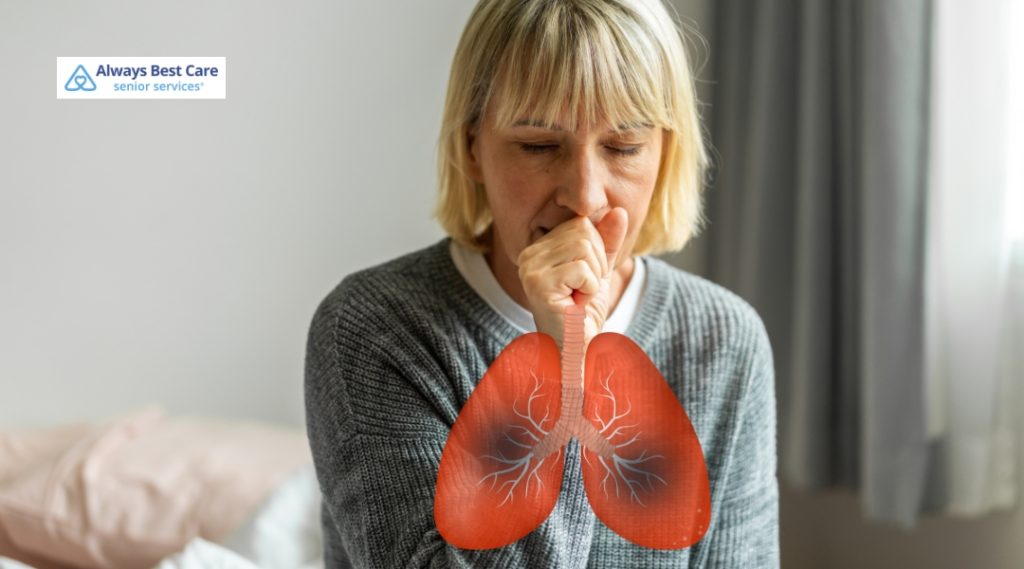
Warning Signs That Require Immediate Attention
Knowing when to act quickly can be life-saving. Families and caregivers should be alert to the following:
- Sudden or worsening shortness of breath
- Persistent wheezing or a new, productive cough
- Chest tightness or pain
- Unexplained fatigue or confusion
- Bluish tint to the lips or fingertips (cyanosis)
If any of these symptoms appear, seek medical attention immediately. Do not wait to see if they resolve on their own.
How Always Best Care of Dallas, TX Supports Respiratory Health
Managing respiratory health at home is a team effort. For seniors living alone or those whose families live at a distance, having a reliable caregiver can make all the difference.
Always Best Care of Dallas, TX, caregivers can help with:
- Medication reminders and symptom monitoring
- Light housekeeping to reduce allergens and maintain a clean environment
- Encouraging proper hydration and preparing nutritious meals
- Supporting safe, appropriate physical activity
- Providing companionship that reduces stress—a known contributor to respiratory distress
- Coordinating and assisting with transportation to medical appointments
For seniors who need a higher level of care, home health services offer skilled nursing, respiratory therapy coordination, and direct communication with healthcare providers—all from the comfort of home.

Frequently Asked Questions
Q: What are the earliest signs of declining respiratory health in seniors?
A: Early signs include getting winded more easily during routine activities, a persistent morning cough, increased mucus production, or mild wheezing. These symptoms are often dismissed as normal aging but should be evaluated by a healthcare provider.
Q: Can seniors with COPD or asthma still exercise safely?
A: Yes, with proper guidance. Low-impact activities like walking, swimming, or chair-based exercises are generally well-tolerated and beneficial. Always consult a physician before starting a new exercise routine, especially with a chronic respiratory condition.
Q: How does Dallas’s climate affect respiratory health in older adults?
A: Dallas experiences high heat, humidity fluctuations, and seasonal pollen surges—all of which can aggravate respiratory conditions. Seniors should monitor local air quality indexes, limit outdoor activity on high-pollution days, and keep indoor environments well-filtered and humidity-controlled.
Q: What vaccinations are most important for seniors with respiratory conditions?
A: The annual influenza vaccine, pneumococcal vaccine (Pneumovax/Prevnar), and COVID-19 boosters are strongly recommended. These help prevent infections that can rapidly escalate into serious complications for older adults with compromised lung function.
Q: How can a home caregiver help manage a senior’s respiratory condition?
A: A caregiver can assist with medication reminders, monitor for warning signs, maintain a clean and allergen-reduced home, encourage healthy habits, and provide transportation to appointments. This consistent, day-to-day support helps prevent small issues from becoming emergencies.

Support Better Breathing and Comfort at Home
At Always Best Care of Dallas, we provide compassionate in-home care for seniors managing respiratory conditions and chronic health needs. From medication reminders and meal preparation to maintaining a clean, low-irritant home environment, our caregivers help seniors stay safe, comfortable, and independent.
Respiratory health is too important to leave to chance. With the right environment, daily habits, and professional support, seniors in Dallas, TX can manage their conditions confidently and maintain their independence.
Contact Always Best Care of Dallas at (972) 739-8886 to learn more and schedule your free consultation.
Link to the markdown version of this blog.