When Your Body Stops Asking for Water: A Senior’s Guide to Staying Hydrated in Henrico

A dry mouth isn’t the only sign of dehydration, and for many older adults, thirst doesn’t always show up like it used to. That’s the tricky part: seniors can get low on fluids without even realizing it. This article explains why that happens, what warning signs to watch for, and how caregivers and families can make hydration a regular part of the day.
What you will learn:
- Why your loved one’s body may stop sending thirst signals as they age, and what everyday factors make it harder to stay hydrated.
- The warning signs of dehydration that families and caregivers should keep an eye on before things get serious.
- Simple daily habits, hydrating foods, and easy routines that make drinking enough fluids feel natural, not like a chore.
- How in-home care support can help seniors in Henrico stay safe, comfortable, and well-hydrated at home.

Table of Contents
Why Seniors Don’t Always Feel Thirsty
As people age, the body’s thirst cues can get a bit sluggish. In plain English, the brain may not send the “drink up” message as strongly, even when the body needs water. On top of that, several everyday factors can get in the way of drinking enough fluids.
Some common reasons include:
- Medicines that reduce fluid levels
- Kidney changes that come with age
- Long-term health conditions
- Trouble moving around to get a drink
- Worry about bathroom trips
So, a senior might not be ignoring hydration on purpose; the body simply isn’t sounding the alarm like it once did.
Why Hydration Matters So Much
Water does a lot behind the scenes. It helps the body stay cool, supports digestion, keeps blood moving well, and helps the brain stay sharp. When fluids run low, even a little, the effects can sneak in fast.
Dehydration may lead to:
- Tiredness
- Headaches
- Dizziness
- Constipation
- Confusion
- Weakness
- Lower blood pressure
- A greater chance of falling
Left unchecked, dehydration can become serious enough to land someone in the hospital. That’s why staying ahead of it matters so much.

Warning Signs Families Should Watch For in Henrico
Since seniors may not notice thirst, families and caregivers often need to be the ones paying attention. Small changes can tell us a lot.
Watch for signs like:
- Dry mouth or cracked lips
- Dark urine or not going often
- Dry skin
- Trouble focusing
- Sudden forgetfulness that might be mistaken for dementia
- Feeling weak or worn out
- Dizziness after standing
- Less interest in food
If these symptoms pop up quickly or seem worse than usual, it’s smart to contact a healthcare provider right away.
How to Make Hydration a Daily Habit in Henrico
A steady routine beats waiting for thirst every time. Little habits, done often, can make a big difference.
Try these simple ideas:
- Drink a glass of water with meals.
- Keep a water bottle close by.
- Set phone or clock reminders.
- Sip fluids throughout the day.
- Reach for water before going outside.
- Choose drinks and foods with extra moisture.
No need to make it complicated. A few easy habits can keep hydration from slipping through the cracks.

Foods and Drinks That Help, Too
Water gets the spotlight, but it’s not the only source of fluids. Plenty of foods can chip in, too.
Good options include:
- Watermelon
- Cucumbers
- Oranges
- Strawberries
- Lettuce
- Yogurt
- Broth-based soups
- Herbal tea
- Low-fat milk
Adding a few of these to meals can help seniors stay hydrated while also getting extra nutrients. Nice bonus, right?
How Caregivers Can Help
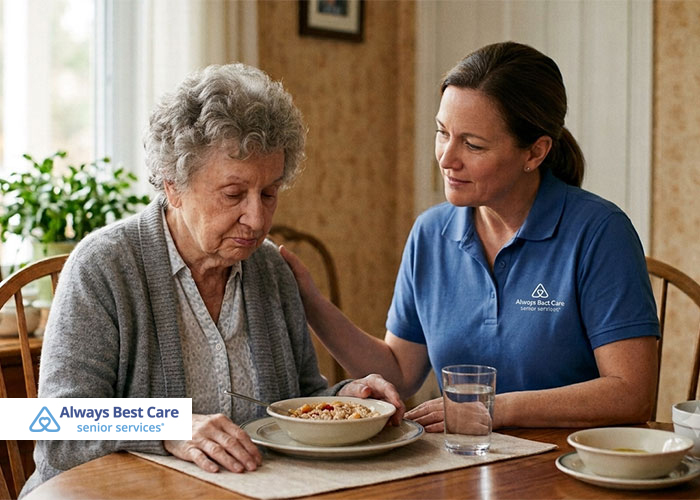
For seniors living alone or managing health issues, staying hydrated can feel like one more chore on a long list. That’s where caregivers can step in and lend a hand.
We can help by:
- Offering drinks throughout the day
- Serving hydrating foods
- Watching for early signs of dehydration
- Encouraging more fluids during hot weather
- Noticing changes in energy, mood, or alertness
- Sharing concerns with family or a healthcare provider
At Always Best Care of Henrico, we understand that these small reminders can go a long way. We’re here to help you and our clients keep healthy habits moving in the right direction.

How Always Best Care of Henrico Supports Healthy Hydration
At Always Best Care of Henrico, we know that hydration is part of everyday wellness. Our caregivers help create routines that support meals, drink reminders, and comfort at home.
We also help with:
- Nutritious meal support
- Friendly companionship
- Regular check-ins for changes in health
- Gentle reminders to sip fluids
- Help with daily routines that support independence
A little support can make daily life easier, safer, and more comfortable for seniors who want to keep living at home.
Keep Your Loved Ones Hydrated This Season
Seniors don’t always feel thirsty, but that doesn’t mean their bodies don’t need water. With steady routines, hydrating foods, and a watchful eye from family or caregivers, dehydration can often be prevented before it causes trouble. If your loved one could use extra support at home, Always Best Care of Henrico is ready to help your loved one keep hydration and comfort on track. Call us at (804)676-6530 to schedule a care consultation today.

FAQ
Q: Why don’t seniors feel thirsty as often?
A: As people age, the body’s thirst signals can weaken, so seniors may not notice they need fluids until they’re already low.
Q: What is one of the first signs of dehydration?
A: Dry mouth, dark urine, dizziness, and feeling unusually tired are common early signs.
Q: Can food help with hydration?
A: Yes. Foods like watermelon, cucumbers, soups, and yogurt can all add to daily fluid intake.
Q: How can we encourage a loved one to drink more water?
A: Keep drinks nearby, offer fluids often, use reminders, and pair drinking with daily routines like meals or medications.
Q: When should we call a doctor about dehydration?
A: If confusion, weakness, dizziness, or very little urination appears suddenly or gets worse, contact a healthcare provider quickly.
Link to the Markdown File version of this article.