Supporting Safer Aging: How to Protect Seniors from Abuse and Neglect in Henrico

No one wants to imagine a parent or grandparent being mistreated. Yet elder abuse is a real and growing problem, and it often happens behind closed doors. In Henrico and beyond, seniors may face harm in private homes, care facilities, or even in relationships they once trusted.
That’s why elder abuse prevention matters so much. By staying alert, asking questions, and working together, we can help protect the seniors we love and make sure they’re treated with the respect they’ve earned over a lifetime. At Always Best Care of Henrico, we see elder abuse prevention as part of our daily commitment to safe, compassionate care.
What you will learn:
- How to recognize elder abuse and understand the different forms it can take.
- The common warning signs and risk factors that may put older adults at greater risk.
- Practical ways families can help protect seniors and promote their safety and well-being.
- How professional in-home caregivers and community resources can support abuse prevention and provide help when concerns arise.
Table of Contents
What Is Elder Abuse?
Elder abuse happens when an older adult is harmed—or put at serious risk of harm—by someone they rely on for care or support. It can be an intentional act or a failure to act, but either way, it causes pain, distress, or danger.
Common types of elder abuse include:
- Physical abuse – hitting, pushing, rough handling, or using restraints in a harmful way
- Emotional abuse – yelling, threats, insults, humiliation, or deliberate isolation
- Financial exploitation – stealing money, misusing bank accounts, pressuring a senior to sign documents, or changing a will
- Neglect – not providing enough food, water, hygiene, clothing, medications, or medical attention
- Abandonment – leaving a senior alone without needed care, supervision, or support
Elder abuse prevention starts with recognizing that harm doesn’t always leave a visible bruise. Sometimes the damage is emotional, financial, or hidden behind closed doors.

Warning Signs Families Shouldn’t Ignore
Elder abuse doesn’t usually announce itself with a flashing neon sign. More often, the clues are subtle at first. Still, small changes can speak volumes. Families in Henrico can watch for:
- Unexplained bruises, cuts, burns, or frequent “accidents” or falls
- Sudden mood shifts, anxiety, depression, or withdrawal from friends and activities
- Poor hygiene, dirty clothing, or a home that’s suddenly cluttered or unsafe
- Unpaid bills, missing belongings, or unusual bank withdrawals
- Fear, nervousness, or hesitation around a specific caregiver or visitor
- Noticeable changes in eating or sleeping patterns, or confusion that seems out of character
If something feels off, it’s worth paying attention. Trusting your gut and asking gentle, open-ended questions can uncover problems sooner rather than later.
Risk Factors That Can Raise Vulnerability
Some situations make seniors more likely to face abuse or neglect, even if no one intends harm at first. Knowing the risk factors helps us step in early and support everyone involved.
Common risk factors include:
- Social isolation – few visitors, limited phone calls, or a senior who rarely leaves home
- Cognitive decline – dementia, memory loss, or confusion that makes it harder to report abuse
- Physical limitations – needing help to bathe, dress, move, or manage medications
- Financial dependence – relying on others to pay bills or manage accounts without oversight
- Caregiver stress or burnout – a tired, overwhelmed caregiver with little support
Addressing these challenges early—before they snowball—is a vital part of elder abuse prevention. Support for both seniors and caregivers can make a huge difference.

Practical Steps Families Can Take for Elder Abuse Prevention
Elder abuse prevention doesn’t always require dramatic action. Often, it’s about staying involved and making sure there are no dark corners where problems can hide. Helpful steps include:
- Stay present and connected
- Visit regularly, and vary the time of day.
- Use phone calls or video chats to keep in touch between visits.
- Keep communication open
- Ask how your loved one is feeling about their care.
- Listen closely and avoid brushing off concerns as “just aging.”
- Watch finances carefully
- Review bank statements and bills with permission.
- Keep important documents, checks, and credit cards secure and monitored.
- Build a trusted care network
- Involve more than one family member in caregiving decisions.
- Stay in contact with professional caregivers, neighbors, and trusted friends.
- Support caregivers
- Offer breaks, respite care, and emotional support.
- Encourage caregivers to ask for help before they’re overwhelmed.
By creating a culture of transparency and frequent check-ins, families can make abuse much harder to hide and much easier to prevent.
How Professional In-Home Care in Henrico Supports Elder Abuse Prevention
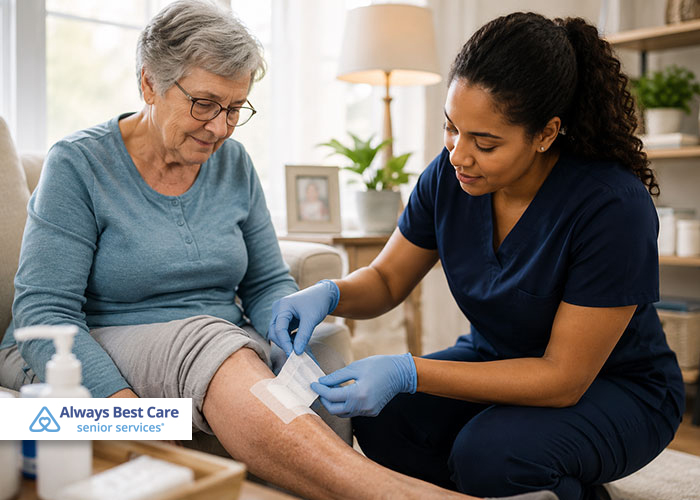
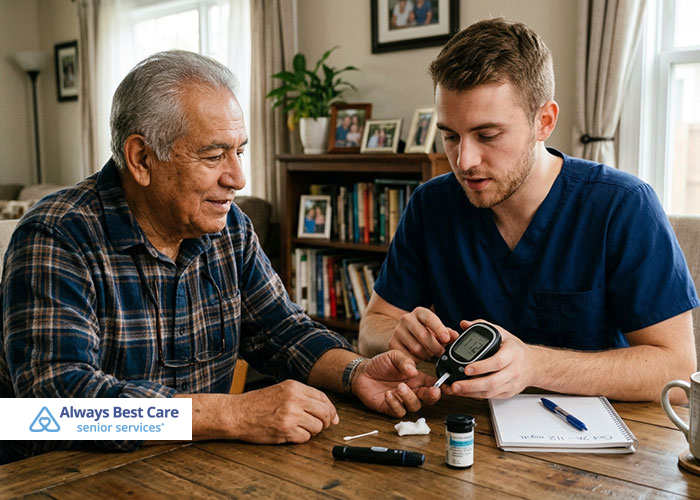
Quality in-home care can be a powerful safeguard. Experienced caregivers offer not just hands-on help, but also another set of eyes and ears focused on safety and dignity.
At Always Best Care of Henrico, we:
- Carefully screen and train caregivers so families can feel confident inviting them into the home
- Emphasize respectful communication, patience, and kindness with every senior we serve
- Encourage independence, stepping in with help while still honoring each person’s choices
- Stay alert for early warning signs of distress, neglect, or abuse, and share concerns with families promptly
By working closely with families, we support elder abuse prevention through consistent oversight, open communication, and a strong focus on safe, respectful care.

What Should You Do If You Suspect Elder Abuse?
Suspecting abuse can be scary, and it’s easy to second-guess yourself. Still, doing nothing can be far riskier. If something doesn’t sit right, it’s worth taking thoughtful action.
Consider these steps:
- Talk privately with your loved one
- Choose a quiet, safe place away from others.
- Ask calm, open questions like, “How are you feeling about the care you’re getting?”
- Write down what you notice
- Keep notes on injuries, behavior changes, or financial concerns.
- Record dates, times, and what was said or observed.
- Reach out for help
- Contact local adult protective services for guidance.
- Speak with healthcare providers who know your loved one.
- Call law enforcement if there’s immediate danger.
Taking action is an act of love. It can stop harm, bring problems into the open, and help your loved one feel heard and protected.
Creating a Safer Future for Seniors in Henrico
Elder abuse prevention isn’t just a policy—it’s a shared promise we make as families, neighbors, and care providers. In Henrico, we can create safer homes for seniors by:
- Staying informed about the signs of abuse
- Checking in regularly and talking openly about care
- Supporting caregivers so they’re not struggling alone
- Partnering with trusted care providers who value safety and dignity
At Always Best Care of Henrico, we see every visit as a chance to protect, support, and uplift the seniors we serve. We work side by side with families to promote safe, respectful care so older adults can remain in the place they love—home—with peace of mind.
FAQs About Elder Abuse Prevention in Henrico
Q: What’s the most common type of elder abuse?
A: Emotional and financial abuse are often reported, though neglect is also very common. Many cases involve more than one type of harm at the same time.
Q: How can I talk to my loved one if I’m worried about abuse?
A: Choose a calm, private moment, speak gently, and avoid blaming language. Ask how they feel about their care and reassure them that you’re on their side.
Q: Can professional caregivers help prevent elder abuse?
A: Yes. Reliable in-home caregivers provide oversight, help with daily tasks, and can spot early warning signs. At Always Best Care of Henrico, we partner with families to support elder abuse prevention through consistent, respectful care.
Q: What if my loved one denies that anything’s wrong?
A: That can happen, especially if they’re afraid or feel ashamed. Keep watching for signs, document concerns, and reach out to professionals who can advise you on next steps.
Q: How do I get started with support from Always Best Care of Henrico?
A: You can call us to schedule a care consultation. We’ll talk through your loved one’s needs, safety concerns, and how we can help support elder abuse prevention at home.

Every Senior Deserves Respect and Protection
Elder abuse prevention isn’t a one-time task—it’s an ongoing commitment to staying aware, asking questions, and refusing to ignore red flags. By learning the warning signs, understanding risk factors, and building a strong circle of support, families in Henrico can help protect the seniors they love.
We are here to walk that road with you. Together, we can promote safe, respectful care and give seniors the dignity, comfort, and security they deserve at home.
Call Always Best Care of Henrico at (804)324-3989 to schedule a care consultation and learn how we can support your family with safe, respectful, and reliable in-home care.
Link to the Markdown File version of this article.