
Companion Care in Houston, TX: How Social Support Helps Seniors Age at Home

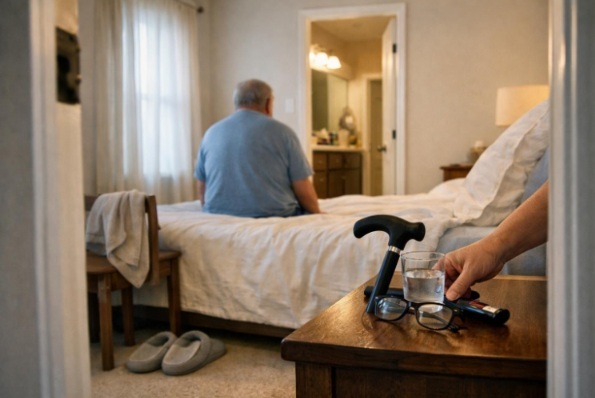
Many families first notice the need for support when an aging parent begins withdrawing from daily life. Phone calls become shorter. Hobbies disappear. Meals become inconsistent. A once-social senior may suddenly spend most days alone at home. While these changes are often dismissed as part of aging, isolation can quietly affect physical health, emotional well-being, and overall safety. This is one reason families often begin exploring home care services in Houston, TX, when they realize a loved one needs more than occasional check-ins.
Companion care is not simply about keeping seniors busy. It helps older adults remain emotionally connected, mentally engaged, and more confident while continuing to live at home.
For many families, the emotional impact of consistent social support becomes just as valuable as practical assistance.
Table of Contents
Loneliness Often Shows Up in Unexpected Ways
Many seniors do not openly admit they feel lonely.
Instead, families tend to notice indirect changes first. A parent may stop cooking full meals, lose interest in routines, or spend long periods watching television without engaging in much else. Others begin sleeping more often or avoiding outings they once enjoyed.
We frequently see loneliness appear through behaviors such as:
- Ignoring household chores because motivation has declined
- Repeating stories or conversations more frequently
- Becoming anxious about leaving the home alone
- Losing interest in eating balanced meals
- Calling family members repeatedly throughout the day
These shifts are not always signs of serious cognitive decline. In many cases, they reflect emotional disconnection and reduced daily interaction.
Why Social Isolation Can Affect Physical Health
Families are often surprised by how closely emotional and physical health are connected in older adults.
Seniors who spend most days alone often move less, eat less consistently, and become less mentally engaged. Over time, inactivity and isolation can contribute to weakness, balance problems, disrupted sleep, and worsening anxiety.
We have seen seniors become physically stronger simply because regular companionship encouraged them to stay active again.
Something as simple as taking short walks, preparing meals together, or having regular conversations can help restore structure and movement to the day.
Companion care creates opportunities for engagement that many seniors gradually lose after retirement, mobility changes, or the loss of a spouse.
Daily Conversation Helps Seniors Stay Mentally Engaged
Mental stimulation does not always come from structured activities or memory games.
Often, the most meaningful engagement comes from ordinary conversation.
Talking through daily routines, sharing stories, discussing current events, or participating in familiar hobbies helps seniors remain socially and mentally connected to the world around them.
This matters more than many families realize.
We often notice that seniors living alone tend to speak less overall, especially if they rarely leave home. Over time, reduced conversation can affect confidence, mood, and communication skills.
Consistent companionship helps interrupt that pattern.
Familiar Routines Create Emotional Stability
Seniors often feel more secure when daily routines remain predictable.
Regular caregiver visits provide structure that many older adults quietly rely on, especially after major life changes like losing a spouse or giving up driving.
Simple routines such as morning coffee conversations, neighborhood walks, or shared meals can foster emotional comfort, reducing stress and uncertainty.
Encouragement Helps Seniors Stay More Independent
Isolation sometimes causes seniors to stop doing activities they are still capable of handling safely.
A senior living alone may avoid cooking because eating alone feels discouraging. Another may stop walking outdoors simply because they do not feel confident going alone.
Companion caregivers often provide the encouragement needed to maintain these routines longer.
The support feels collaborative rather than controlling.
Family Caregivers Cannot Always Fill the Social Gap Alone.
Many adult children do their best to stay connected through phone calls, visits, and errands. The reality is that work schedules, distance, and raising children often limit how much time families can consistently provide.
This can create guilt for family caregivers who worry they are not doing enough.
Companion care helps reduce that pressure while giving seniors meaningful interaction throughout the week.
Families frequently tell us they notice positive emotional changes quickly after consistent companionship begins. Seniors often become more talkative, more engaged, and more willing to participate in routines again.
The support also gives family members peace of mind knowing someone is checking in regularly and noticing subtle changes early.
Companion Care Often Helps Families Recognize Bigger Concerns Earlier
One overlooked benefit of companion care is the opportunity for observation.
Because caregivers spend consistent time with seniors, they are often among the first to notice gradual changes in mobility, appetite, mood, or memory.
For example:
Changes in Personal Hygiene
A senior who suddenly stops bathing regularly or wearing clean clothing may be struggling with depression, mobility concerns, or cognitive decline.
Increased Confusion With Daily Tasks
Difficulty following familiar routines, such as paying bills or preparing meals, can signal that additional support may soon be needed.
Withdrawal From Favorite Activities
When seniors stop participating in hobbies they once enjoyed, emotional health concerns sometimes develop beneath the surface.
Early awareness gives families more time to plan support thoughtfully rather than react in emergencies.
Companion Care Supports Dignity, Not Dependence
Many seniors resist care because they fear losing independence.
Companion care often feels less intimidating because the focus is on relationships rather than tasks. Seniors are not immediately being told what they can no longer do. Instead, they are gaining support that helps them continue doing more safely and confidently.
This distinction matters emotionally.
We have seen seniors who initially refused assistance become comfortable with companion care because the relationship felt respectful, conversational, and supportive rather than clinical.
Trust builds gradually.
Social Support Can Change the Entire Home Environment
Emotional isolation affects more than the senior alone. Families often carry constant worry when a loved one spends most of the day alone.
Companion care helps create reassurance for everyone involved.
When seniors have regular interaction, structured routines, and emotional support, households often feel calmer and more stable overall. Adult children spend less time fearing unanswered calls or imagining worst-case scenarios.
Most importantly, seniors often regain a stronger sense of connection, purpose, and confidence in their own homes.
If your loved one has become increasingly isolated, withdrawn, or less engaged in daily life, companion care may provide the support needed to improve both emotional well-being and everyday safety. Always Best Care of Kingwood offers compassionate in-home companionship designed to help seniors remain socially connected while aging comfortably at home. To discuss personalized care options or learn how consistent support can help your family feel more at ease, call (713) 898-5475 and discover how home care services in Houston, TX can help seniors maintain connection, routine, and independence at home.