

Smarter Stroke Prevention for Seniors in Louisville: Simple Habits for a Healthier Brain
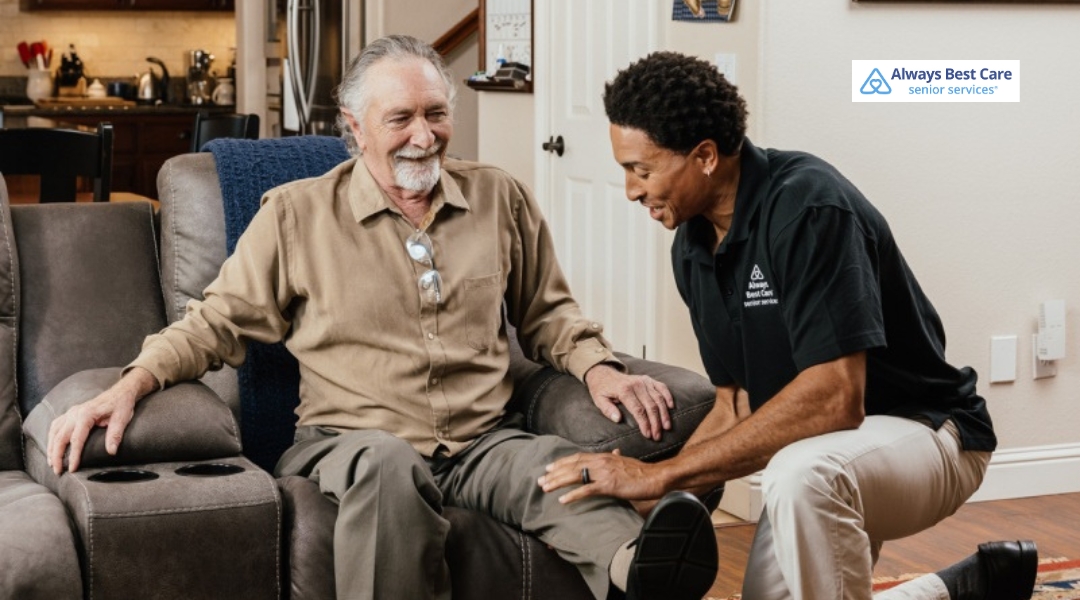
Every 40 seconds, someone in the United States has a stroke. For older adults, the consequences can be severe — affecting speech, mobility, memory, and the ability to live independently. The good news is that up to 80% of strokes are preventable. With the right daily habits and proactive health management, seniors in Louisville, KY can significantly lower their risk and maintain a high quality of life.
What you will learn:
- How to manage key health factors like blood pressure and diabetes to keep your brain in tip-top shape.
- Simple and joyful ways to stay active and eat delicious foods that support your heart and mind.
- The wonderful benefits of having a helping hand from a caregiver make healthy living easy and consistent.
- Practical tips to lower your stroke risk so you can keep enjoying a vibrant life in our lovely Louisville community.

Table of Contents
Why Stroke Risk Rises with Age
Aging naturally changes the cardiovascular system. Blood vessels become less flexible, blood pressure tends to rise, and the heart may not pump as efficiently as it once did. These changes, combined with conditions like diabetes, high cholesterol, and atrial fibrillation, create an environment where stroke risk climbs steadily.
What makes stroke particularly dangerous is how quickly it strikes. Symptoms appear without warning, which is why prevention — not reaction — is the most powerful tool available to seniors and their families.
Control Blood Pressure Before It Becomes a Problem
High blood pressure is the single most significant risk factor for stroke. When pressure inside the arteries stays elevated, it gradually weakens vessel walls, making a rupture or blockage far more likely.
The challenge is that high blood pressure rarely causes noticeable symptoms. Many seniors don’t realize their levels are dangerous until a serious health event occurs.
Practical steps to keep blood pressure in check:
- Check readings at home regularly, not just during doctor visits
- Reduce sodium by cooking fresh meals instead of relying on processed or canned foods
- Limit alcohol consumption
- Take prescribed medications consistently, even when feeling well
- Manage stress through relaxation techniques, social connection, or light activity
Small, consistent changes in daily routine can bring blood pressure down meaningfully over time.
Manage Diabetes with Precision
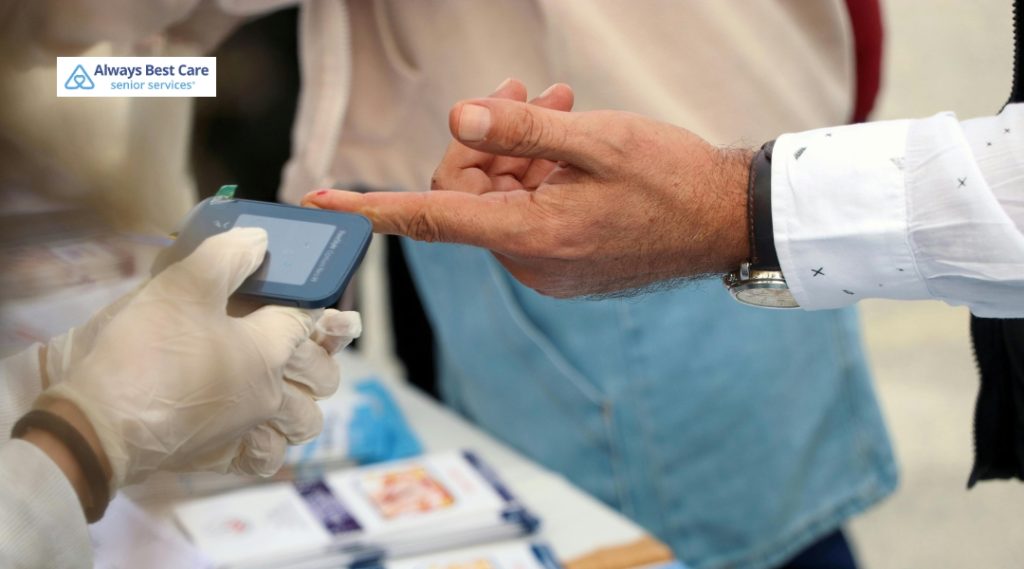
Diabetes doubles the risk of stroke. Chronically elevated blood sugar damages the inner lining of blood vessels, accelerating the buildup of plaque and reducing circulation to the brain.
For seniors managing diabetes, the goal isn’t just keeping numbers in range — it’s understanding how food, activity, sleep, and stress all interact to affect blood sugar throughout the day.
Key habits for effective diabetes management:
- Monitor blood sugar at consistent times each day
- Work with a dietitian to build a sustainable meal plan
- Stay active, since even short walks after meals help regulate glucose levels
- Keep all follow-up appointments to catch complications early
Address Cholesterol and Heart Health Together
High LDL cholesterol contributes to plaque buildup inside the arteries, narrowing the pathways that carry blood to the brain. Over time, a partial blockage can become a complete one — triggering a stroke.
Heart health and stroke prevention are deeply connected. Seniors with a history of heart disease, irregular heartbeat, or prior heart attack carry a higher stroke risk and should work closely with their physician to manage it.
Dietary choices that support healthy cholesterol:
- Replace saturated fats with heart-healthy options like olive oil, avocado, and nuts
- Increase fiber intake through oats, legumes, and leafy greens
- Limit red meat and full-fat dairy products
- Choose grilled or baked proteins over fried options
Move More, Even in Small Ways
Physical activity is one of the most effective and accessible stroke prevention strategies available. Regular movement improves circulation, helps maintain a healthy weight, lowers blood pressure, and reduces inflammation — all factors that directly affect stroke risk.
Seniors don’t need a gym membership or an intense exercise routine to benefit. The key is consistency.
Senior-friendly activities that make a real difference:
- Daily walks through the neighborhood or a local Louisville park
- Chair-based stretching or yoga
- Water aerobics or swimming
- Gardening or light yard work
- Tai chi, which also improves balance and reduces fall risk
Aim for at least 30 minutes of moderate movement most days of the week. Breaking it into shorter sessions throughout the day works just as well.
Eat to Protect Your Brain
A nutrient-dense diet does more than support a healthy weight — it actively protects the blood vessels that supply the brain. The Mediterranean-style diet, in particular, has strong research backing for reducing stroke risk.
Brain-protective foods to prioritize:
- Fatty fish like salmon or sardines (rich in omega-3s)
- Colorful vegetables and berries (high in antioxidants)
- Whole grains over refined carbohydrates
- Legumes and nuts for plant-based protein and healthy fats
- Plenty of water throughout the day
Reducing sodium, added sugars, and ultra-processed foods is equally important. Even modest dietary improvements can lower stroke risk over time.
The Value of Consistent Daily Support
For many seniors, the challenge isn’t knowing what to do — it’s doing it consistently, especially when managing multiple health conditions or living alone. This is where in-home caregivers provide genuine, lasting value.
A caregiver can help a senior in Louisville stick to a heart-healthy meal plan, remember medications, stay active, and attend medical appointments. Beyond the practical tasks, regular companionship reduces isolation, which is itself a risk factor for cognitive decline and poor health outcomes.
Ways caregivers support stroke prevention every day:
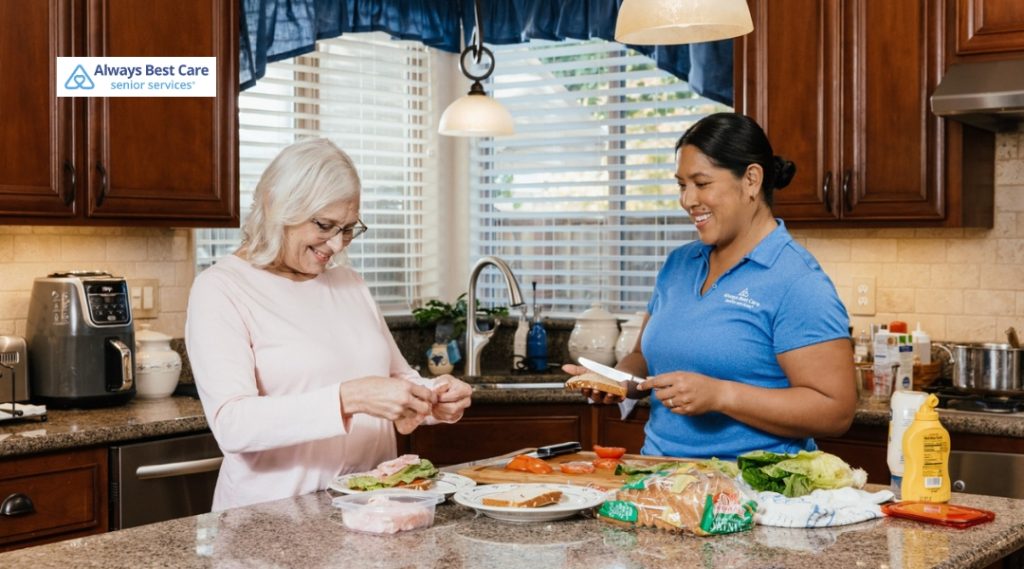
- Preparing fresh, balanced meals tailored to dietary needs
- Providing reminders for medications and health monitoring
- Encouraging and accompanying seniors on daily walks
- Noticing early changes in health and communicating with family or providers
- Reducing stress by offering reliable, compassionate assistance
Frequently Asked Questions About Stroke Prevention for Seniors
Q: What are the most important warning signs of a stroke?
A: Use the FAST acronym: Face drooping, Arm weakness, Speech difficulty, Time to call 911. Other signs include sudden vision changes, severe headache, or loss of balance. Acting within the first hour dramatically improves outcomes.
Q: At what age does stroke risk increase significantly?
A: Stroke risk roughly doubles every decade after age 55. However, lifestyle factors — not age alone — determine individual risk. Seniors who actively manage their health can maintain a much lower risk profile than those who don’t.
Q: Can stress cause a stroke?
A: Chronic stress raises blood pressure and promotes inflammation, both of which increase stroke risk over time. Managing stress through social connection, physical activity, and adequate sleep is a meaningful part of prevention.
Q: Is it safe for seniors to exercise if they have heart disease or high blood pressure?
A: In most cases, yes — but the type and intensity of exercise should be discussed with a physician first. Low-impact activities like walking, swimming, and chair yoga are generally safe and highly beneficial for seniors with cardiovascular conditions.
Q: How can family members help reduce a senior’s stroke risk?
A: Family members can encourage healthy habits, assist with meal preparation, help track medications, and accompany seniors to medical appointments. Arranging professional in-home care is also a practical way to ensure consistent daily support.
Helping Seniors in Louisville, KY Stay Healthy and Independent
Stroke prevention is not a single action — it’s a collection of daily habits, consistent medical management, and the right support system. Seniors who take a proactive approach to their health are far better positioned to maintain their independence and quality of life.
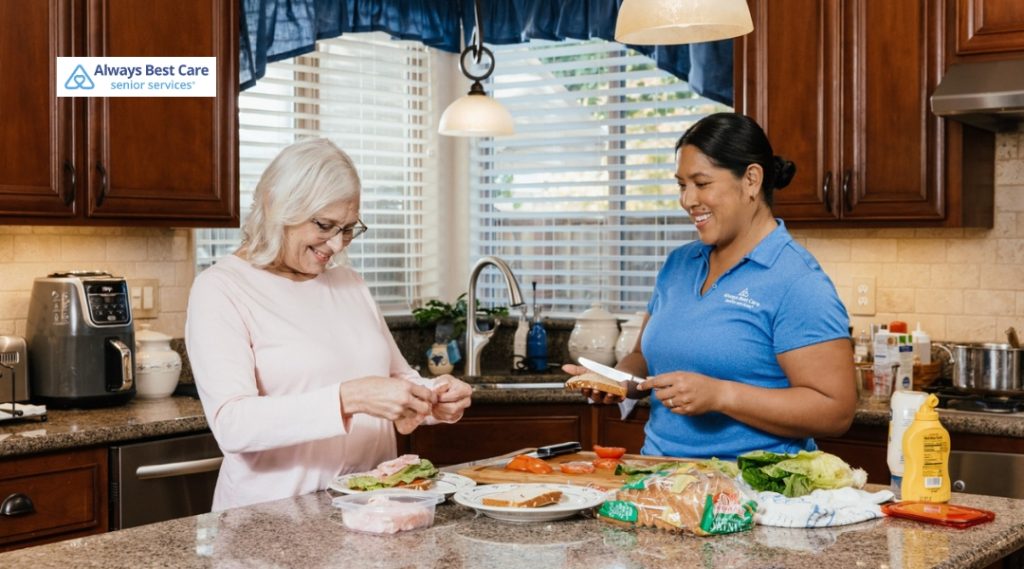
At Always Best Care of Louisville, KY, our caregivers are dedicated to helping seniors build and maintain the routines that protect long-term health. From nutritious meal preparation and medication reminders to daily activity support and compassionate companionship, we’re here to help.
Call Always Best Care of Louisville, KY today at 502-419-8240 to schedule a care consultation and learn how we can support your loved one’s health, safety, and independence.
Link to the Markdown File version of this article.