

COPD Care in Louisville: Helping Seniors Stay Comfortable at Home
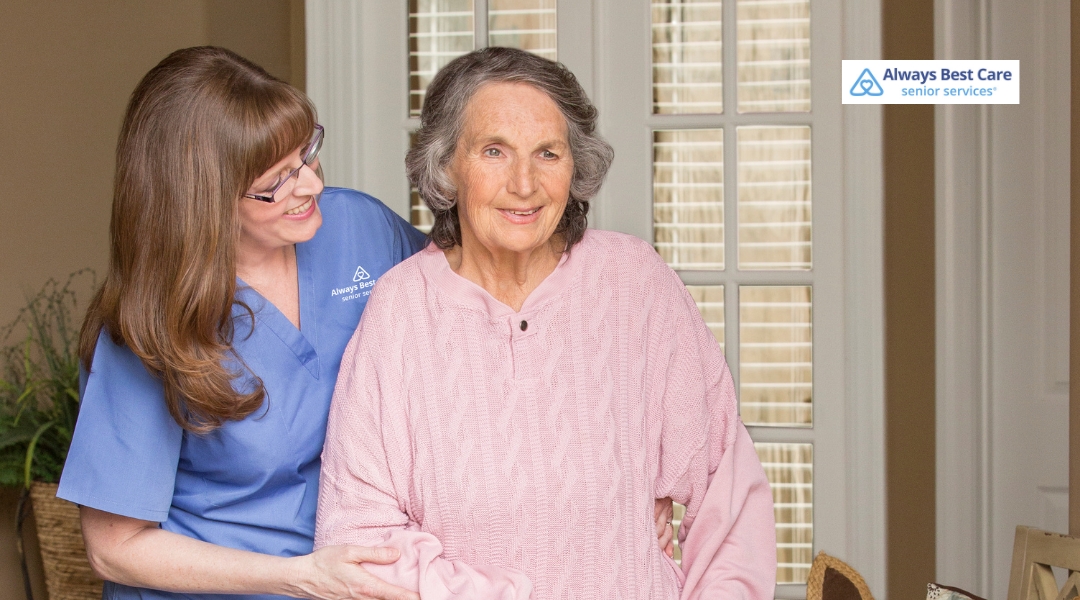
Chronic Obstructive Pulmonary Disease (COPD) is one of the most common long-term health conditions affecting older adults in the United States. For seniors in Louisville, KY, managing COPD at home is not just possible — it is achievable with the right habits, support, and care in place.
COPD does not have to define daily life. With a proactive approach, family and caregivers can help seniors breathe easier, stay active, and maintain the independence they value most.
What you will learn:
- Understanding COPD Essentials: Discover what COPD is and how to recognize its common symptoms in daily life.
- Effective Home Management: Explore practical ways to create a comfortable environment by focusing on air quality, nutrition, and hydration.
- Supportive Daily Routines: Learn about the benefits of gentle movement, specialized breathing techniques, and consistent medication habits.
- Professional Care Options: Find out how personalized in-home support can help seniors maintain their independence and safety.

Table of Contents
Understanding COPD and Its Impact on Seniors
COPD is an umbrella term for lung conditions — primarily chronic bronchitis and emphysema — that restrict airflow and make breathing progressively more difficult. Over time, reduced oxygen levels can leave seniors feeling fatigued, mentally foggy, and unable to complete everyday tasks without effort.
Common symptoms include:
- Persistent cough or wheezing
- Shortness of breath during light activity
- Chest tightness
- Frequent respiratory infections
- Unexplained fatigue or low energy
One of the biggest challenges with COPD is that symptoms often develop slowly, making them easy to dismiss as “just getting older.” Early diagnosis and consistent management are what separate a manageable condition from one that significantly limits quality of life.
Practical Strategies for Managing COPD at Home
Stick to Your Treatment Plan
Inhalers, bronchodilators, corticosteroids, and in some cases, supplemental oxygen are commonly prescribed for COPD. These treatments only work when used correctly and consistently. Missing doses or using an inhaler incorrectly can lead to unnecessary flare-ups.
A caregiver or family member can play a critical role here — not by taking over, but by offering gentle reminders and helping track medication schedules.
Improve Indoor Air Quality
Louisville’s seasonal allergens and humidity can be particularly challenging for seniors with COPD. Inside the home, air quality is just as important as outdoor conditions.
Steps to improve indoor air quality:
- Replace HVAC filters regularly
- Use a HEPA air purifier in frequently used rooms
- Avoid candles, aerosol sprays, and strong cleaning products
- Keep windows closed on high-pollen or high-pollution days
- Eliminate any exposure to cigarette or secondhand smoke
A cleaner breathing environment directly reduces the frequency and severity of flare-ups.
Move More — Carefully
It may seem counterintuitive, but gentle, regular movement can actually strengthen the respiratory muscles and improve overall lung efficiency. The key is pacing.
Low-impact activities well-suited for seniors with COPD:
- Short, flat-surface walks
- Chair-based stretching or yoga
- Light resistance exercises recommended by a physical therapist
- Pulmonary rehabilitation programs, which are available through several Louisville-area healthcare providers
Always consult a physician before starting or changing an exercise routine.
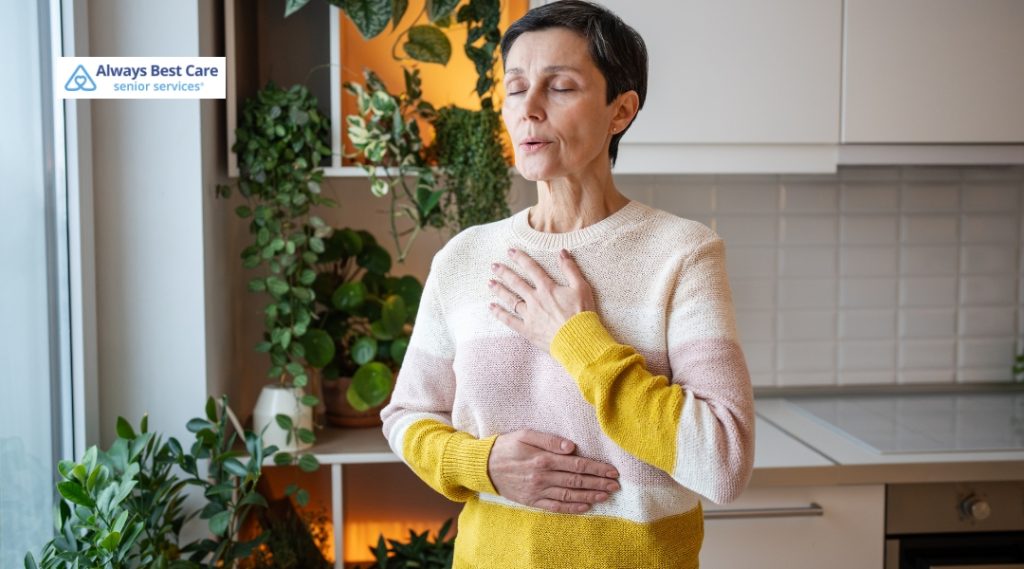
Master Breathing Techniques
Two techniques in particular can make a real difference during moments of breathlessness:
- Pursed-lip breathing: Inhale slowly through the nose, then exhale through pursed lips (as if blowing out a candle) for twice as long. This slows breathing and keeps airways open longer.
- Diaphragmatic breathing: Focuses on engaging the diaphragm rather than the chest, allowing for deeper, more efficient breaths.
Practicing these techniques daily — not just during flare-ups — helps build the muscle memory needed to use them effectively when it matters most.
Prioritize Nutrition and Hydration
What seniors eat and drink has a direct impact on respiratory health. Staying well-hydrated helps thin mucus, making it easier to clear. A nutrient-dense diet supports immune function and overall energy levels.
Focus on:
- Fruits and vegetables are rich in antioxidants
- Lean proteins to maintain muscle strength
- Whole grains for sustained energy
- Limiting sodium, which can contribute to fluid retention and breathing difficulty
Smaller, more frequent meals can also help — large meals can cause the stomach to press against the diaphragm, making breathing more uncomfortable.
Know When to Act
COPD symptoms fluctuate, and recognizing early warning signs of a flare-up can prevent a trip to the emergency room.
Contact a healthcare provider if you notice:
- A sudden increase in shortness of breath
- Changes in mucus color, consistency, or volume
- Fever or chills
- Increased confusion or unusual fatigue
- Difficulty completing activities that were manageable before
Having a written COPD action plan — developed with a physician — gives seniors and caregivers a clear roadmap for responding to changing symptoms.

How Always Best Care of Louisville, KY Supports Seniors with COPD
Day-to-day COPD management involves more than medication. It requires consistent routines, a clean living environment, proper nutrition, and emotional support — all areas where professional in-home care can make a meaningful difference.
Always Best Care of Louisville, KY, caregivers can help with:
- Medication reminders and monitoring for symptom changes
- Light housekeeping to reduce dust, allergens, and irritants
- Meal preparation focused on respiratory-supportive nutrition
- Encouraging and safely supervising physical activity
- Companionship to reduce the stress and anxiety that can worsen symptoms
- Transportation to pulmonologist appointments and pulmonary rehab sessions
For seniors who need a higher level of medical support, home health services provide skilled nursing care and direct coordination with physicians — all in the comfort of home.
Breathe Easier in Louisville: Comfort Starts at Home
Living with COPD is a daily commitment — but it does not have to be an overwhelming one. With the right support system in place, seniors in Louisville, KY can breathe easier and live fuller lives at home.
Call Always Best Care of Louisville, KY today at 502-419-8240 to schedule a care consultation and learn how our caregivers can support your loved one’s respiratory health and overall comfort at home.
Frequently Asked Questions About COPD and Senior Home Care
Q: Can seniors with COPD really live independently at home?
A: Yes. Many seniors with COPD live safely and comfortably at home with the right combination of medical management, lifestyle adjustments, and in-home support. The goal is not to limit independence but to protect it.
Q: What triggers COPD flare-ups most often?
A: Common triggers include respiratory infections (such as colds or flu), air pollution, allergens, smoke, cold or dry air, and physical overexertion. Identifying and minimizing personal triggers is a key part of long-term management.
Q: How does in-home care differ from a nursing facility for COPD patients?
A: In-home care allows seniors to remain in a familiar, comfortable environment while receiving personalized support. It is typically less disruptive, more flexible, and better suited to seniors who do not require round-the-clock medical supervision.
Q: Is exercise safe for seniors with COPD?
A: Yes, when done appropriately. Pulmonary rehabilitation and light physical activity are actually recommended for most COPD patients. The type and intensity of exercise should always be guided by a healthcare provider.
Q: When should a family consider professional in-home care for a loved one with COPD?
A: Consider compassionate in-home care when a senior is struggling to manage medications consistently, experiencing frequent flare-ups, having difficulty with daily tasks like cooking or cleaning, or showing signs of isolation or anxiety related to their condition.
Link to the Markdown File version of this article.