
Scammers are getting craftier, and seniors are too often caught in the crosshairs. In Louisville, KY, older adults are frequently targeted because they’re seen as trusting, financially stable, and sometimes less comfortable with newer technology. Mix that with isolation or limited support, and you’ve got a perfect storm for fraud.
The upside? Awareness is a powerful shield. Once we know the tricks scammers use and the warning signs to watch for, we can step in early, protect our loved ones, and cut the risk of financial loss and emotional turmoil.
What you will learn:
- Why our precious older adults are so frequently targeted, and the most common sneaky tricks scammers are using in Louisville.
- The telltale red flags and warning signs that will help you spot a scam before it causes any harm.
- Heartwarming, proactive ways your family and dedicated in-home caregivers can team up to build a wonderful protective shield around your cherished relatives.
- Gentle, clear action steps to take with love and confidence if you ever suspect a scammer has contacted your sweet family member.

Table of Contents
Why Senior Scams Are on the Rise in Louisville, KY
Many scammers zero in on older adults because they believe it’ll be easier to gain their trust and fly under the radar. Common reasons seniors are targeted include:
- Politeness and trust: Many older adults were raised to be courteous and respectful, even with strangers.
- Financial stability: Savings, pensions, retirement funds, and home equity can make seniors an attractive target.
- Living alone: Limited day-to-day interaction can leave more room for scammers to step in.
- Technology gaps: New digital tools, apps, and online platforms can feel confusing, opening the door to deception.
Put together, those factors can help scammers build a fake sense of trust, then twist it for their own gain.
Common Senior Scams in Louisville, KY
Scammers rarely stick to just one trick. They adapt, switch it up, and try anything that might work. Here are some of the biggest culprits we see affecting seniors.
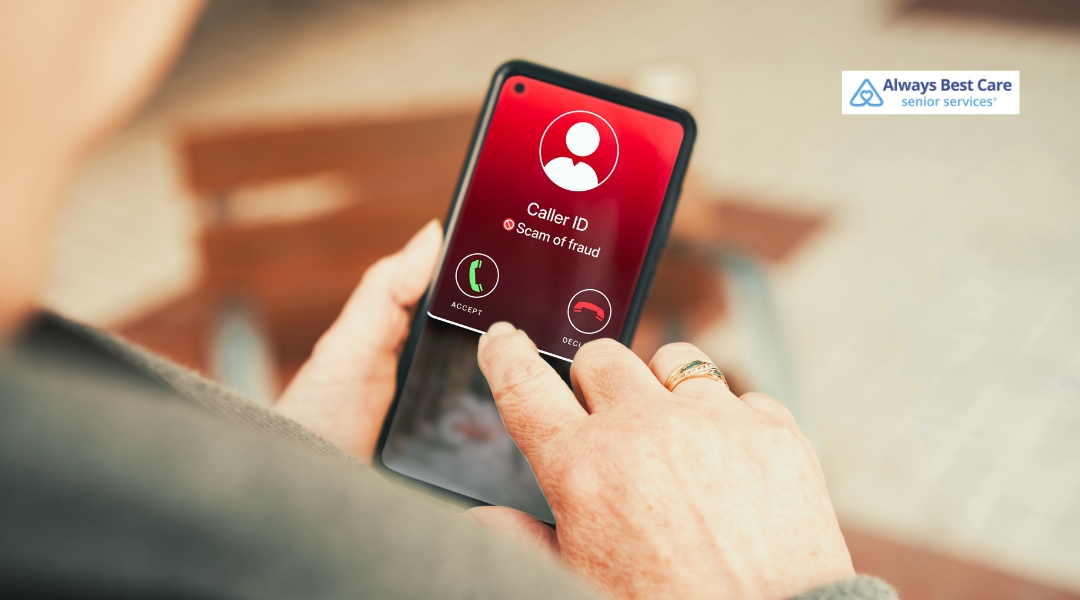
Phone Scams
Fraudsters may call pretending to be:
- Government agencies
- Utility companies
- Banks
- A grandchild or family member in trouble
They usually:
- Create a sense of urgency (“Pay now or your power will be shut off!”)
- Ask for personal details or payment on the spot
- Try to keep the senior on the line so they don’t have time to think or call someone else
Email, Text, and Phishing Scams
These messages might look surprisingly legit—logo, colors, and all. They may seem to come from:
- Banks or credit card companies
- Health plans or clinics
- Shipping companies
- Well-known stores or websites
Red flags include:
- Links to “verify your account” or “unlock access.”
- Attachments that supposedly contain bills or receipts
- Requests for passwords, Social Security numbers, or account details
One careless click, and scammers can gain access to sensitive information.
Sweepstakes and Lottery Scams
If a loved one is told they’ve “won big” but need to pay:
- Processing fees
- Taxes
- Shipping costs
Before getting the prize, that’s a giant red flag. In these scams, there’s no prize at all—only money leaving your loved one’s account.
Romance Scams
Online companionship can feel like a lifeline for seniors who are lonely. Unfortunately, scammers know that too. They might:
- Build a relationship over weeks or months
- Share emotional stories to create a bond
- Suddenly face a “crisis” and ask for money—sometimes repeatedly
By the time money is requested, many victims already feel deeply attached and hesitant to question the story.
Tech Support Scams
This one is especially sneaky. A pop-up message or phone call claims:
- “Your computer is infected.”
- “We noticed suspicious activity on your device.”
The scammer then:
- Asks for remote access to the computer
- Requests payment for fake “repairs” or “security upgrades.”
- Installs software that steals information
Once someone has remote access, the door is wide open for more damage.
Warning Signs of Senior Scams
Scams may vary, but the patterns are surprisingly similar. Keep an eye out for:
- Pressure to act right now – “Don’t hang up, you must do this immediately.”
- Requests for unusual payment methods – gift cards, wire transfers, or cryptocurrency.
- Unsolicited contact – calls, emails, or texts asking for personal or financial details.
- Emotional manipulation – messages that stir up fear, panic, guilt, or urgency.
- Demands for secrecy – “Don’t tell your family; this must stay between us.”
If something feels “off,” even if you can’t quite put your finger on why, that’s reason enough to slow down and double-check.
How Families Can Help Protect Loved Ones in Louisville, KY
We don’t have to wait until something goes wrong. A few simple habits can make scams a lot less likely to succeed.
Consider:
- Talk openly about common scams and share real examples you hear about in the news or community.
- Agree on a “pause rule” – no large financial decision without checking with a trusted family member first.
- Review accounts together from time to time to spot unfamiliar charges or withdrawals.
- Use call blocking and filters to reduce robocalls and suspicious emails.
- Post a reminder near the phone or computer, such as:
- “Never give your Social Security number over the phone.”
- “No government agency asks for payment in gift cards.”
The goal isn’t to scare our loved ones, but to give them confidence to say “no,” hang up, or reach out for help.

How In-Home Care Helps Prevent Senior Scams
Extra support at home can be a powerful safeguard. A trusted caregiver is often the first to notice when something’s not right.
At Always Best Care of Louisville, KY, we see scam prevention as part of helping seniors stay safe and comfortable. We:
- Help screen unexpected phone calls and visitors.
- Notice changes in spending habits or unusual mail piling up.
- Offer companionship, so scammers can’t exploit loneliness as easily.
- Encourage regular communication between seniors and their families.
By being present day in and day out, we can spot small shifts early—before they snowball into major financial or emotional harm.
What to Do If You Suspect a Scam
If you think your loved one may have been targeted—or has already shared information—acting quickly can limit the damage.
Here’s a straightforward plan:
- Contact the bank or credit card company right away to freeze or flag accounts if needed.
- Change passwords for email, banking, and other important accounts.
- Report the situation to local police or adult protective services.
- Watch accounts closely for new suspicious charges or withdrawals.
- Offer calm, nonjudgmental support. Many seniors feel embarrassed or ashamed; blaming only shuts the conversation down.
Remind your loved one that scammers are professionals at manipulation—being targeted doesn’t mean they were foolish.
FAQs About Senior Scams in Louisville, KY
Q: How can I talk to my parent about scams without making them feel insulted or controlled?
A: Focus on partnership. You might say, “These scams are getting so tricky that they fool people of all ages. How about we set up a few safety steps together so both of us feel more at ease?”
Q: Are landline users safer than seniors who use smartphones?
A: Not really. Scammers target both. Landlines still get robocalls and fake “government” calls, while smartphones add text and app-based scams to the mix.
Q: What’s the safest way for my loved one to handle unexpected calls about money?
A: A simple rule works well: never give payment or personal details during an unexpected call. Hang up, find the official number on a statement or card, and call back directly.
Q: Can caregivers really help reduce the risk of scams?
A: Yes. Caregivers often notice suspicious mail, odd phone calls, or changes in behavior. At Always Best Care of Louisville, KY, we use those early clues to prompt conversations with families and encourage safer habits.
Q: How often should we check my loved one’s accounts?
A: Monthly works for many families, but if there’s been a recent scare or known scam attempt, weekly check-ins can be reassuring.

Safeguard Seniors in Louisville from Costly Scams
Senior scams aren’t going away, but they don’t have to control the story. With awareness, clear boundaries, and open conversation, we can help our loved ones in Louisville, KY, stay both safe and independent.
At Always Best Care of Louisville, KY, we see ourselves as partners in that effort. We support daily routines, keep an eye out for warning signs, and stand beside families as they navigate a world where scams are, unfortunately, part of the landscape.
If you feel your loved one could use more support, more companionship, and another set of eyes watching for trouble, we’re here to help. Together, we can keep them safer, more confident, and more at ease at home.
Contact Always Best Care of Louisville at 502-419-8240 to learn more and schedule your consultation.
Link to the Markdown File version of this article.