

Supporting Healthy Eating Habits for Seniors in Louisville, KY

For many families in Louisville, KY, noticing that a loved one has stopped eating well can be unsettling. A senior who once looked forward to meals may now push food around the plate, skip breakfast entirely, or show little enthusiasm for eating. While some shift in appetite is a natural part of aging, a consistent decline in food intake is worth taking seriously.
Nutrition doesn’t become less important with age — in many ways, it becomes more important. The right foods help seniors maintain muscle strength, support immune function, recover from illness faster, and stay mentally sharp. When nutrition suffers, so does independence.
What you will learn:
- Why do many older adults begin to lose interest in food, and how does this affect their overall health and independence?
- Simple, gentle strategies you can use at home to make meals more appealing, nourishing, and enjoyable for your senior loved one.
- How shared mealtimes, medical guidance, and in‑home caregivers in Louisville, KY can work together to protect a senior’s nutrition and quality of life.
Table of Contents
Why Seniors Lose Their Appetite
Appetite loss in older adults rarely has a single cause. It’s usually the result of several overlapping factors that build on each other over time.
Physiological changes play a significant role. As the body ages, the senses of taste and smell naturally diminish, making food less enjoyable. Digestion slows down, which can create a persistent feeling of fullness even when caloric intake is low. Hormonal shifts also reduce hunger signals.
Medications are another major contributor. Many seniors take multiple prescriptions, and drug interactions or side effects — including nausea, dry mouth, or altered taste — can suppress appetite significantly.
Dental issues such as tooth pain, ill-fitting dentures, or difficulty chewing make eating uncomfortable and discouraging. When meals become a source of discomfort rather than pleasure, avoidance is a natural response.
Mental and emotional health matters too. Depression, anxiety, and loneliness — all common among older adults — can dramatically reduce interest in food. Seniors who live alone and eat in silence often consume far less than those who share meals with others.
Cognitive decline adds another layer of complexity. Seniors with dementia or memory loss may forget to eat, struggle to recognize hunger cues, or lose the ability to prepare meals independently.

What’s at Stake: The Real Risks of Poor Nutrition
Nutritional deficiencies in seniors don’t always look dramatic at first. The effects tend to accumulate gradually, making them easy to overlook until the impact becomes significant.
Over time, inadequate nutrition can lead to:
- Unintended weight loss and loss of muscle mass
- Increased fall risk due to weakened muscles and reduced balance
- Slower wound healing and longer recovery from illness
- A weakened immune response makes seniors more vulnerable to infections
- Fatigue and low energy, which limit daily activity and social engagement
- Cognitive decline, as the brain depends on consistent nutrient intake to function well
Even seniors who appear physically stable can be quietly malnourished. Regular monitoring of eating habits is essential.
Practical Strategies to Encourage Better Eating
Improving a senior’s nutrition doesn’t always require dramatic intervention. Small, thoughtful changes can make meals more appealing and eating more consistent.
Prioritize flavor and presentation. Diminished taste and smell mean food needs to work harder to be appetizing. Fresh herbs, citrus, and bold seasonings can enhance flavor without relying on excess salt. Colorful, visually appealing plates also stimulate appetite.
Shift to smaller, more frequent meals. Rather than three large meals, offer five or six smaller ones throughout the day. This approach is easier on digestion and reduces the overwhelm that can come with a full plate.
Make every bite count. When appetite is limited, nutrient density matters. Prioritize foods like eggs, Greek yogurt, nut butters, lean proteins, legumes, and whole grains — foods that deliver significant nutritional value in modest portions.
Create a consistent mealtime routine. Eating at regular times each day helps regulate hunger cues and establishes a comforting structure, which is especially beneficial for seniors with cognitive decline.
Address physical barriers. If chewing or swallowing is an issue, softer food options or modified textures can make eating more manageable. A speech therapist or dietitian can provide guidance tailored to specific needs.

The Power of Shared Meals
One of the most underestimated factors in senior nutrition is social connection. Eating alone — which is the reality for many older adults — significantly reduces both appetite and enjoyment of food.
When seniors share meals with family members, friends, or caregivers, they tend to eat more, stay at the table longer, and experience mealtime as something to look forward to rather than a task to get through. Even a simple lunch together or an afternoon snack shared with a caregiver can shift the entire dynamic around food.
In Louisville, KY, where community and connection run deep, building social mealtime experiences into a senior’s routine is one of the most effective and meaningful ways to support their nutrition.
When to Seek Medical Guidance
Not all appetite changes are manageable through lifestyle adjustments alone. Some require medical evaluation.
Reach out to a healthcare provider if a senior experiences:
- Noticeable or rapid weight loss
- Persistent difficulty chewing or swallowing
- Ongoing nausea, vomiting, or digestive discomfort
- Significant changes in mood, behavior, or cognitive function
- Complete disinterest in food lasting more than a week or two
A physician can assess whether underlying conditions, medication side effects, or dental issues are contributing factors — and recommend appropriate interventions.
How Always Best Care of Louisville, KY, Can Help
Maintaining consistent nutrition is one of the most meaningful ways to support a senior’s health and independence — and it’s also one of the areas where professional in-home care makes a real difference.
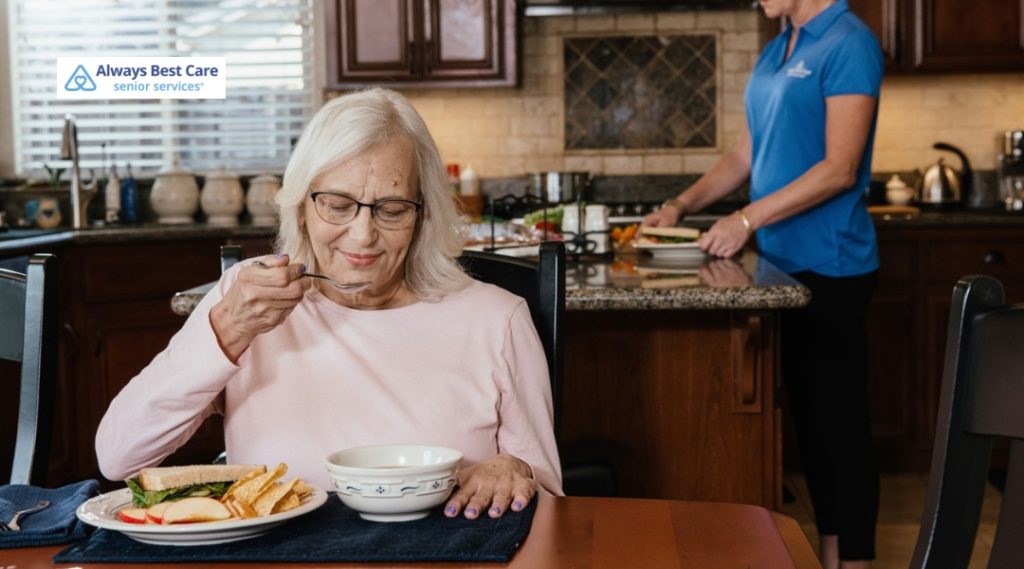
Always Best Care caregivers in Louisville, KY, provide hands-on support that goes beyond basic meal preparation. Our team helps seniors build and maintain healthy eating routines through:
- Personalized meal planning and preparation
- Grocery shopping and pantry management
- Hydration monitoring and encouragement
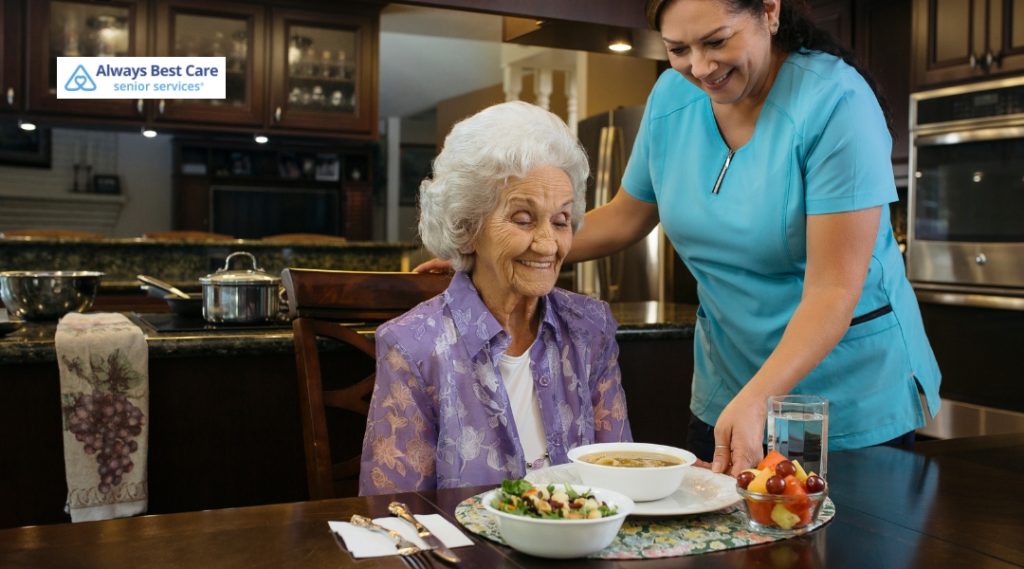
- Companionship during meals to make eating more enjoyable
- Observation of appetite changes and communication with family members
- Coordination with healthcare providers when concerns arise
We understand that nutrition is deeply personal. Our caregivers take the time to learn each client’s preferences, dietary needs, and daily rhythms — ensuring that mealtime is something seniors look forward to, not something they avoid.
Frequently Asked Questions
Q: How much should a senior eat each day?
A: Caloric needs vary based on age, activity level, and health status, but most older adults require between 1,600 and 2,200 calories per day. More important than quantity is quality — meals should be rich in protein, fiber, vitamins, and healthy fats.
Q: When does appetite loss in seniors become a medical concern?
A: If a senior loses more than 5% of their body weight in a month, or if appetite loss is accompanied by fatigue, confusion, or physical symptoms, it’s time to consult a healthcare provider. Sudden or severe changes should never be dismissed as normal aging.
Q: Can dehydration affect appetite in seniors?
A: Yes. Seniors are particularly prone to dehydration, and mild dehydration can suppress appetite, cause fatigue, and impair digestion. Encouraging regular fluid intake — water, herbal teas, broths — is an important part of nutritional support.
Q: What foods are best for seniors with small appetites?
A: Focus on nutrient-dense options: eggs, Greek yogurt, avocado, nut butters, soft-cooked legumes, and fortified cereals. These provide significant nutrition in small portions, making them ideal when overall food intake is limited.
Q: How can in-home caregivers support senior nutrition?
A: Caregivers can assist with meal planning, grocery shopping, cooking, and monitoring eating habits. Perhaps most importantly, they provide companionship during meals — which research consistently shows increases food intake and improves the overall mealtime experience.
Nourish Health at Home
When a loved one’s appetite begins to fade, it can feel overwhelming, but you don’t have to navigate these changes alone. With the right mix of medical guidance, thoughtful meal strategies, and warm, consistent support at home, seniors in Louisville, KY, and the Louisville area can stay nourished, energized, and engaged in daily life.
If you’re noticing changes in your loved one’s eating habits, this is a gentle nudge to explore extra help rather than wait and worry. Nourishing their body is one of the most loving ways to protect their independence and well‑being.
To learn how personalized in‑home care, meal support, and compassionate companionship can help your loved one eat well and thrive at home, call Always Best Care of Louisville today at 502‑419‑8240 or schedule a care consultation.
Link to the Markdown File version of this article.