

Stroke Prevention Tips for Seniors in Milford: Protecting Brain Health Through Healthy Habits
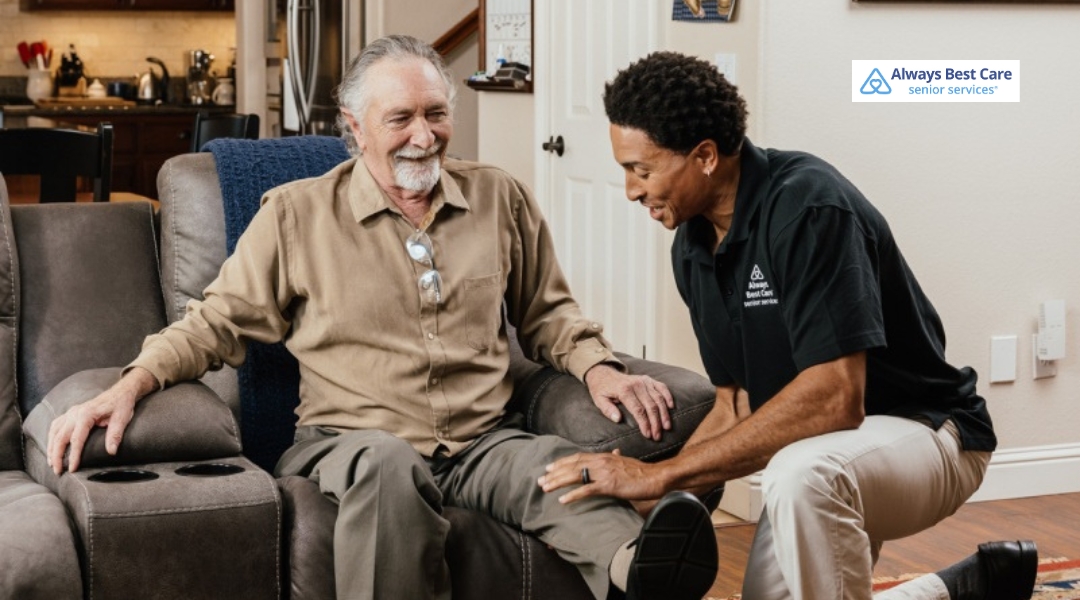
Every 40 seconds, someone in the United States has a stroke. For older adults, the consequences can be especially severe, affecting speech, mobility, memory, and the ability to live independently. The good news? Up to 80% of strokes are preventable. With the right daily habits and consistent medical care, seniors can take meaningful control of their brain health.
Here’s what matters most.
What you will learn:
- Why stroke risk increases with age and how conditions like high blood pressure, diabetes, and cholesterol play a key role.
- Simple everyday habits that help protect brain and heart health, including movement, diet, and hydration.
- How caregivers and consistent support make it easier for Milford seniors to maintain healthy routines and prevent strokes.
Table of Contents
Why Stroke Risk Rises with Age
Aging naturally changes the cardiovascular system. Blood vessels become less flexible, blood pressure tends to rise, and the cumulative effects of decades of lifestyle choices begin to show. Conditions like atrial fibrillation, diabetes, and high cholesterol, all more common in older adults, further elevate risk.
But age alone doesn’t determine outcome. Seniors who actively manage their health can significantly reduce their stroke risk, regardless of their starting point.
Control Blood Pressure: It’s the Biggest Factor
High blood pressure is the single most important modifiable stroke risk factor. When pressure inside the arteries stays elevated, it gradually weakens vessel walls, making a rupture or blockage far more likely.
For seniors, keeping blood pressure in a healthy range requires consistency:
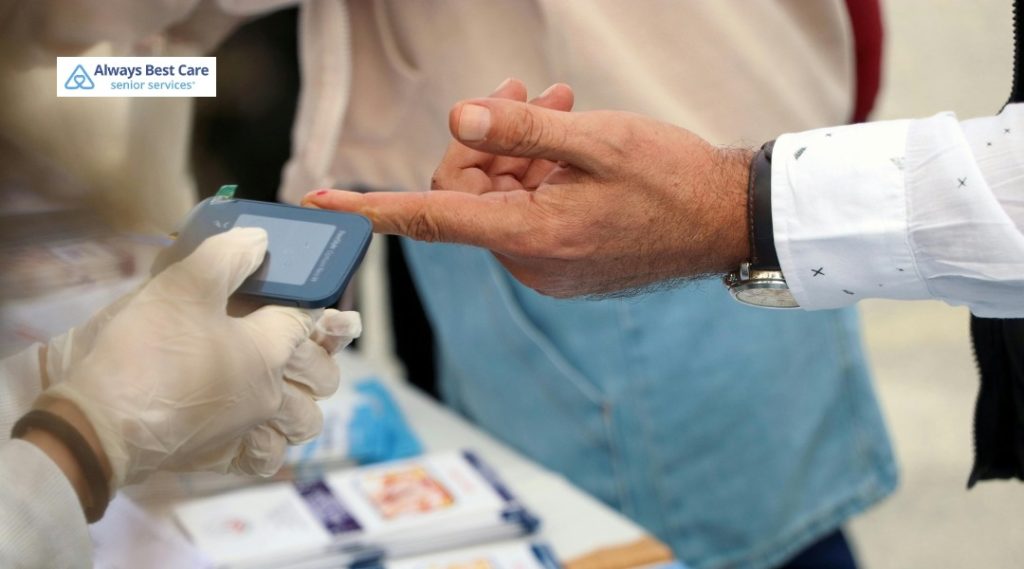
- Monitor regularly: at home and at every medical visit
- Take prescribed medications without skipping doses
- Cut back on sodium: aim for less than 2,300 mg per day
- Limit alcohol and avoid smoking entirely
- Stay active: even light daily movement helps
Don’t wait for symptoms. High blood pressure is often called the “silent killer” because it causes damage long before it’s felt.
Manage Diabetes to Protect Blood Vessels
Diabetes damages blood vessels over time, making them more prone to the kind of blockages that cause strokes. Seniors with diabetes face roughly double the stroke risk compared to those without it, but that risk drops significantly with proper management.
Key steps include:
- Checking blood sugar levels consistently
- Following a meal plan that limits refined sugars and processed carbohydrates
- Taking medications as directed
- Staying physically active to improve insulin sensitivity
Working closely with a healthcare provider to keep A1C levels in a healthy range is one of the most effective things a diabetic senior can do for their brain.
Keep Cholesterol in Check
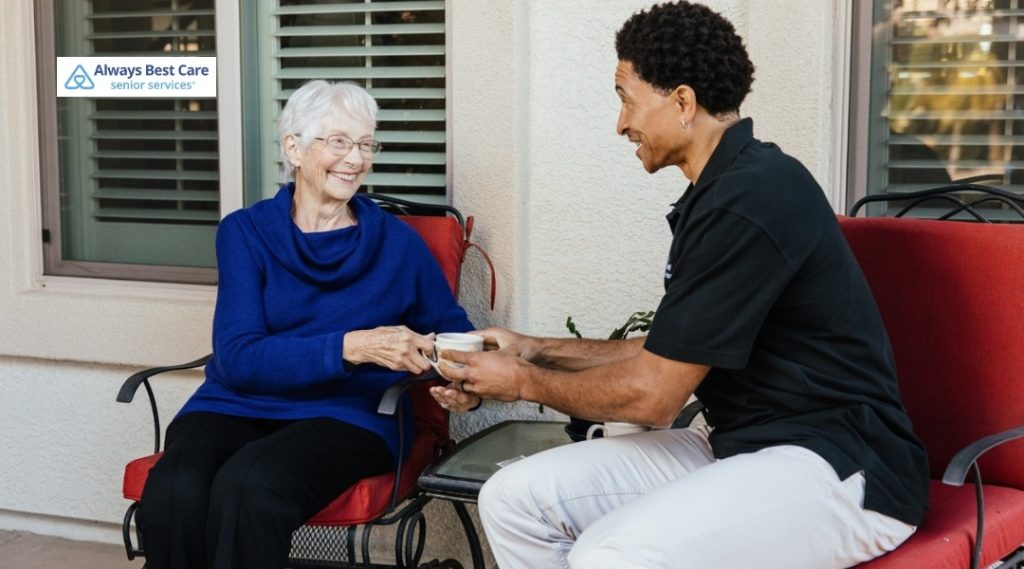
Cholesterol itself isn’t the enemy, but too much LDL (“bad”) cholesterol can lead to plaque buildup in the arteries. Over time, that buildup narrows the vessels that supply blood to the brain, increasing stroke risk considerably.
Dietary changes make a real difference:
- Choose whole grains, fruits, and vegetables over processed foods
- Replace saturated fats with healthy fats like olive oil, avocado, and nuts
- Add fiber-rich foods such as oats, legumes, and leafy greens
- Follow any prescribed statin or cholesterol-lowering medication as directed
Annual cholesterol screenings help catch problems early, before they become dangerous.
Move More: Even a Little Goes a Long Way
Regular physical activity is one of the most powerful stroke prevention tools available. Exercise strengthens the heart, improves circulation, helps manage weight, and lowers both blood pressure and blood sugar.
Seniors don’t need intense workouts to benefit. Consistent, moderate movement is what counts:
- Daily walks: even 20 to 30 minutes makes a difference
- Chair exercises or light stretching for those with mobility limitations
- Yoga or tai chi: both improve balance and reduce stress
- Gardening or household activity: movement doesn’t have to feel like exercise
The goal is simply to sit less and move more every single day.
Eat for Your Brain, Not Just Your Waistline
A heart-healthy diet is also a brain-healthy diet. What seniors eat directly influences blood pressure, cholesterol, blood sugar, and inflammation, all of which affect stroke risk.
A brain-protective diet emphasizes:
- Colorful fruits and vegetables: rich in antioxidants that protect blood vessels
- Fatty fish like salmon or sardines: high in omega-3s that reduce inflammation
- Whole grains over white bread, rice, or pasta
- Lean proteins such as chicken, turkey, beans, and lentils
- Low sodium: read labels and cook at home when possible
Staying well-hydrated is equally important. Dehydration thickens the blood, which can increase the risk of clotting.
The Role of Caregivers in Stroke Prevention
Maintaining healthy habits is easier with support. For seniors managing multiple conditions or living alone, a caregiver can be the difference between consistent healthy routines and gradual decline.
Caregivers play a practical role by:
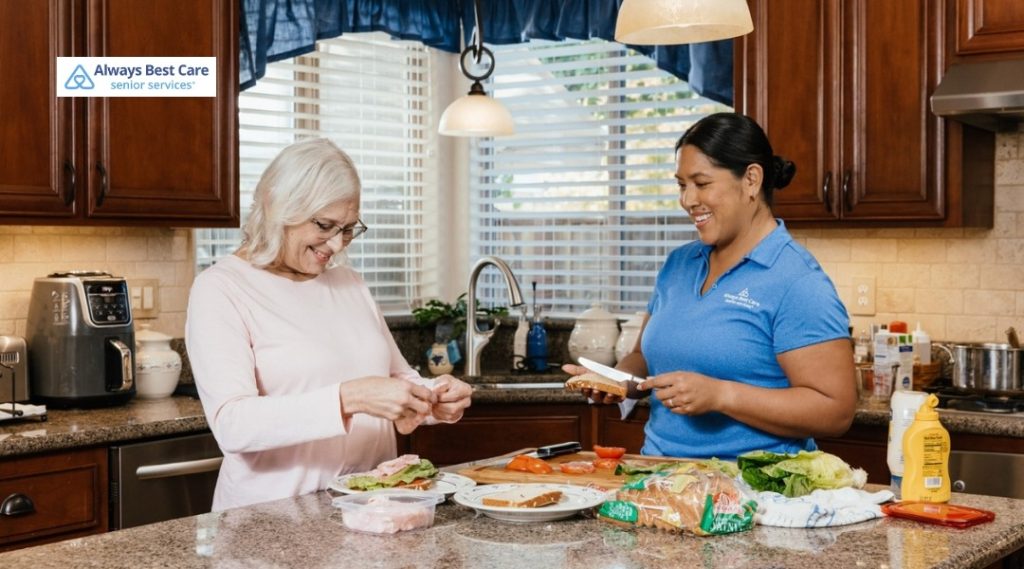
- Preparing nutritious meals that align with dietary needs
- Accompanying seniors on daily walks or exercise activities
- Tracking medications and ensuring doses aren’t missed
- Scheduling and attending medical appointments
- Noticing early warning signs and acting quickly
This kind of day-to-day support isn’t just helpful, it’s often what makes long-term prevention sustainable.

Frequently Asked Questions
Q: What is the most important thing seniors can do to prevent a stroke?
A: Controlling blood pressure is the single most impactful step. High blood pressure is the leading cause of stroke, and keeping it within a healthy range through medication, diet, and exercise significantly reduces risk.
Q: What are the early warning signs of a stroke?
A: Use the acronym FAST: Face drooping, Arm weakness, Speech difficulty, Time to call 911. Other signs include sudden confusion, vision problems, or a severe headache with no known cause. Acting quickly is critical.
Q: Can seniors reduce stroke risk even if they already have health conditions?
A: Yes. Even seniors with high blood pressure, diabetes, or heart disease can meaningfully lower their stroke risk by managing those conditions consistently with the help of their healthcare team.
Q: How does diet affect stroke risk?
A: A diet high in sodium, saturated fats, and processed foods raises blood pressure and cholesterol, two major stroke risk factors. A diet rich in fruits, vegetables, whole grains, and healthy fats supports healthier blood vessels and reduces risk.
Q: How can a caregiver help with stroke prevention?
A: Caregivers support stroke prevention by helping seniors maintain healthy routines, preparing balanced meals, encouraging physical activity, managing medications, and monitoring for any changes in health that may need medical attention.
Helping Seniors Stay Healthy and Independent in Milford
Stroke prevention isn’t a single action; it’s a lifestyle built on consistent, manageable habits. By staying on top of blood pressure, blood sugar, and cholesterol, eating well, and moving regularly, seniors can protect both their brain health and their independence.
At Always Best Care of Milford, our caregivers are trained to support seniors in building and maintaining exactly these kinds of healthy routines, from meal preparation and medication reminders to daily activity and health monitoring.
Call Always Best Care of Milford today at (203) 877-1377 to schedule a care consultation and learn how we can help your loved one stay healthy, active, and independent.
Link to the Markdown file version of the article