

Supporting Respiratory Health in Seniors: Tips for Easier Breathing in Milford

For most people, breathing happens without a second thought. But for many older adults, each breath can require real effort. Whether it’s due to a chronic condition like COPD, age-related changes in lung function, or everyday environmental triggers, respiratory health is one of the most important and often overlooked aspects of senior wellness.
The encouraging reality is that proactive steps can make a meaningful difference. From adjusting the home environment to building simple daily habits, families and caregivers have more influence over a senior’s breathing health than they may realize.
What you will learn:
- How aging and common respiratory conditions affect seniors’ breathing, energy, and overall well-being.
- Simple ways to create a cleaner, lung-friendly home environment in Milford.
- Everyday habits that help strengthen lung health and support easier breathing.
- How to manage respiratory conditions at home and recognize warning signs that need immediate attention.
Table of Contents
How Aging Affects the Lungs
The lungs, like every other organ, change with age. Lung tissue gradually loses elasticity, the diaphragm weakens, and the airways become less efficient at clearing mucus and debris. These changes don’t happen overnight, but over time they reduce the body’s ability to take in oxygen and expel carbon dioxide effectively.
This natural decline makes older adults more susceptible to:
- Chronic obstructive pulmonary disease (COPD): a progressive condition that obstructs airflow
- Asthma, which can develop or worsen in later life
- Pneumonia and bronchitis: infections that hit seniors harder and recover more slowly
- Reduced exercise tolerance: as the body struggles to meet oxygen demands during activity
What makes this particularly challenging is that symptoms often develop gradually. A senior may attribute breathlessness or fatigue to “just getting older,” when in fact an underlying respiratory issue is at play.
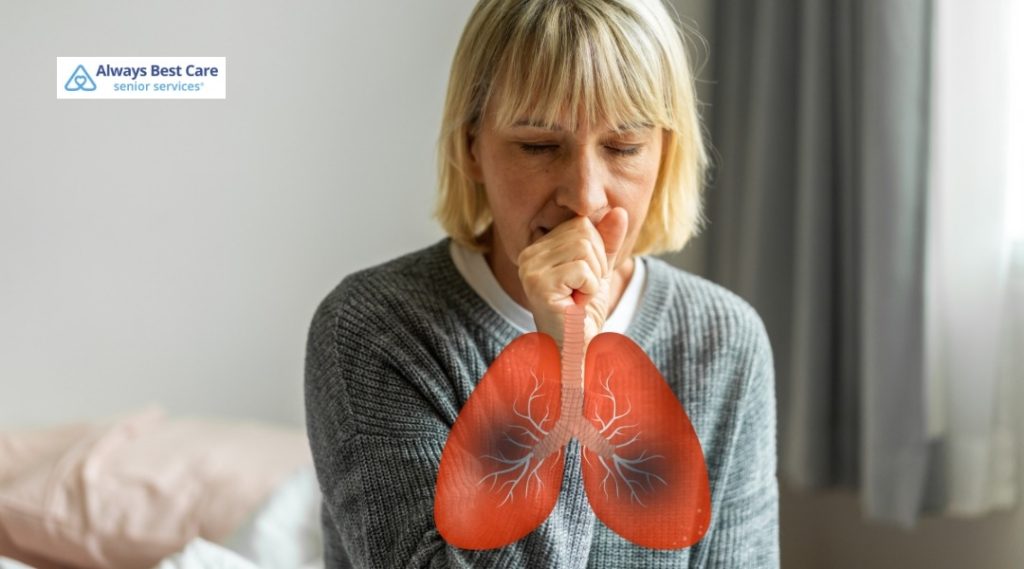
Building a Lung-Friendly Home Environment in Milford
The air inside a home can be more polluted than outdoor air, and for seniors who spend most of their time indoors, this matters. Dust, mold, pet dander, and chemical fumes from cleaning products can all aggravate the respiratory system.
Practical steps to improve indoor air quality:
- Replace HVAC filters every 1–3 months, or more frequently in allergy-prone households
- Run an air purifier with a HEPA filter in frequently used rooms
- Keep humidity between 30–50% to discourage mold growth without drying out airways
- Switch to fragrance-free, non-toxic cleaning products
- Ensure proper ventilation when cooking or using any chemical-based products
- Eliminate or minimize exposure to secondhand smoke entirely
Small environmental changes can reduce the daily burden on a senior’s lungs and lower the frequency of flare-ups for those with chronic conditions.
Daily Habits That Strengthen Respiratory Health
Lifestyle plays a significant role in how well the lungs function over time. Seniors don’t need an intense fitness regimen to see results; consistency with simple habits is what counts.
Habits worth building:
- Light daily movement: Walking, gentle yoga, or stretching encourages deeper breathing and keeps respiratory muscles active
- Diaphragmatic breathing exercises: Practicing slow, deep breaths from the belly (not the chest) can improve lung capacity and reduce anxiety
- Staying well-hydrated: Water helps thin mucus secretions, making it easier to clear the airways
- Eating an anti-inflammatory diet: Foods rich in antioxidants, omega-3s, and fiber support lung tissue health
- Keeping up with vaccinations: Annual flu shots and pneumonia vaccines are among the most effective tools for preventing serious respiratory illness in seniors
These habits are most effective when they become part of a consistent routine, ideally supported by a caregiver or family member.
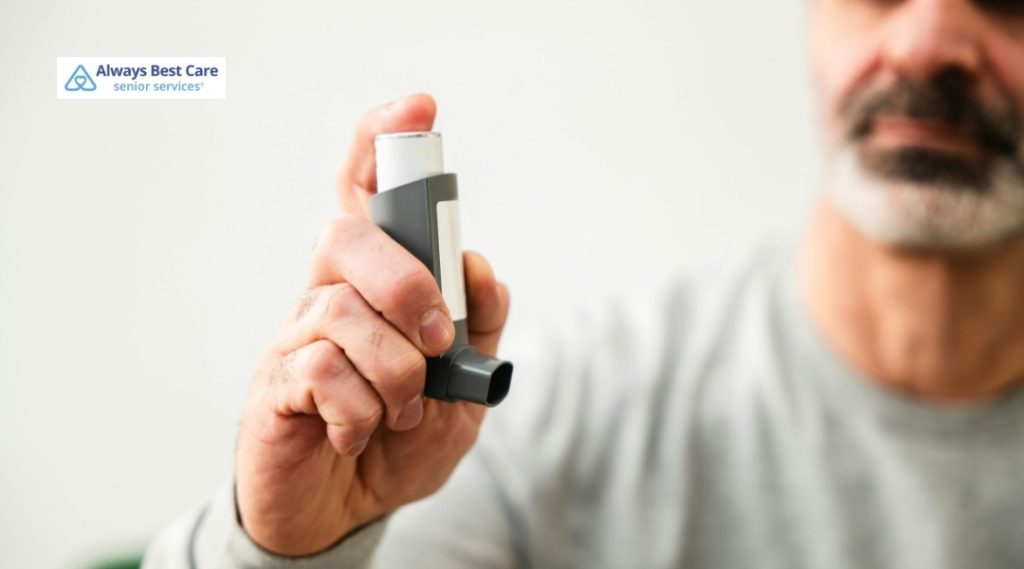
Managing Chronic Respiratory Conditions at Home
For seniors already living with a diagnosed respiratory condition, day-to-day management is critical. Inconsistent medication use, missed appointments, or unrecognized symptom changes can lead to rapid deterioration.
Effective management includes:
- Taking all prescribed medications on schedule, including maintenance inhalers, even when feeling well
- Understanding how to use inhalers and nebulizers correctly (technique matters significantly)
- Keeping a simple symptom log to track changes in breathing, energy, or coughing patterns
- Scheduling regular checkups and communicating openly with healthcare providers about any new symptoms
- Having a clear action plan for what to do if symptoms worsen
Caregivers and family members can be invaluable here, not by managing everything, but by providing reminders, encouragement, and a second set of eyes on subtle changes.
Warning Signs That Require Immediate Attention
Knowing when to act quickly can be life-saving. Families and caregivers should be alert to the following:
- Sudden or significant increase in shortness of breath
- Persistent wheezing or a new, worsening cough
- Chest tightness or pain
- Unusual fatigue, confusion, or disorientation
- Bluish tint to the lips, fingernails, or fingertips (a sign of low oxygen)
Any of these symptoms, especially if they appear suddenly or escalate quickly, warrant immediate medical attention. Don’t wait to see if they resolve on their own.

How Always Best Care of Milford Supports Respiratory Health
Managing respiratory health at home is a team effort. Always Best Care of Milford provides compassionate, professional in-home care that helps seniors stay safe, comfortable, and consistent with their health routines.
Our caregivers can help with:
- Medication reminders to ensure prescriptions are taken correctly and on time
- Light housekeeping to maintain a clean, low-allergen living space
- Encouraging proper hydration and nutritious meals
- Supporting gentle physical activity and breathing exercises
- Monitoring for changes in symptoms and communicating concerns to family or healthcare providers
- Transportation to and from medical appointments
For seniors with more complex needs, home health services can provide skilled nursing care and direct coordination with physicians and specialists.
Frequently Asked Questions
Q: What are the earliest signs of declining respiratory health in seniors?
A: Early signs often include getting winded more easily than before, a persistent morning cough, reduced stamina during light activity, or more frequent respiratory infections. These are worth discussing with a doctor, even if they seem minor.
Q: Can breathing exercises actually improve lung function in older adults?
A: Yes. Techniques like diaphragmatic breathing and pursed-lip breathing have been shown to improve oxygen efficiency, reduce breathlessness, and strengthen the muscles involved in respiration. They’re especially beneficial for seniors with COPD or asthma.
Q: How does in-home care support seniors with respiratory conditions?
A: In-home caregivers help with medication reminders, housekeeping that reduces allergens, encouraging healthy habits, and monitoring for symptom changes. This consistent daily support can prevent minor issues from becoming serious complications.
Q: Is it safe for seniors with respiratory conditions to exercise?
A: In most cases, yes, with appropriate guidance. Light activity, like walking or stretching, is generally beneficial and recommended. Seniors should consult their doctor to determine what level of activity is safe for their specific condition.
Q: When should a family consider professional in-home care for a senior with breathing difficulties?
A: If a senior is struggling to manage medications consistently, experiencing frequent flare-ups, living alone, or showing signs of fatigue or confusion related to their condition, professional in-home care is worth considering sooner rather than later.

A Clearer Path to Comfortable Breathing
Respiratory health is too important to leave to chance. With the right environment, daily habits, and professional support, seniors in Milford can breathe easier and live more fully.
Call Always Best Care of Milford today at (203) 877-1377 to schedule a free care consultation.
Link to the Markdown File version of the article