Elder Abuse Prevention: Protecting Seniors and Promoting Safe, Respectful Care in Milford

Nobody wants to imagine a parent or grandparent being mistreated, yet elder abuse is a real and growing problem that hits far too close to home for many families in Milford. It can happen behind any front door, quietly, gradually, and sometimes at the hands of someone the senior once trusted deeply.
That’s why elder abuse prevention matters so much. By staying alert, asking the hard questions, and working together, we can help protect the seniors we love and make sure they feel safe, valued, and truly cared for every day.
At Always Best Care of Milford, we see firsthand how the right support can turn a worrying situation into a safe, steady, and respectful care environment.
What you will learn:
- What elder abuse is, the common forms it can take, and why it can be so easy to miss.
- How to spot early warning signs and risk factors that may put a senior at greater risk.
- Simple, everyday ways families can help prevent elder abuse and create safer care at home.
- What steps to take, and who to contact, if you ever suspect a loved one may be experiencing abuse.
Table of Contents
What Is Elder Abuse?
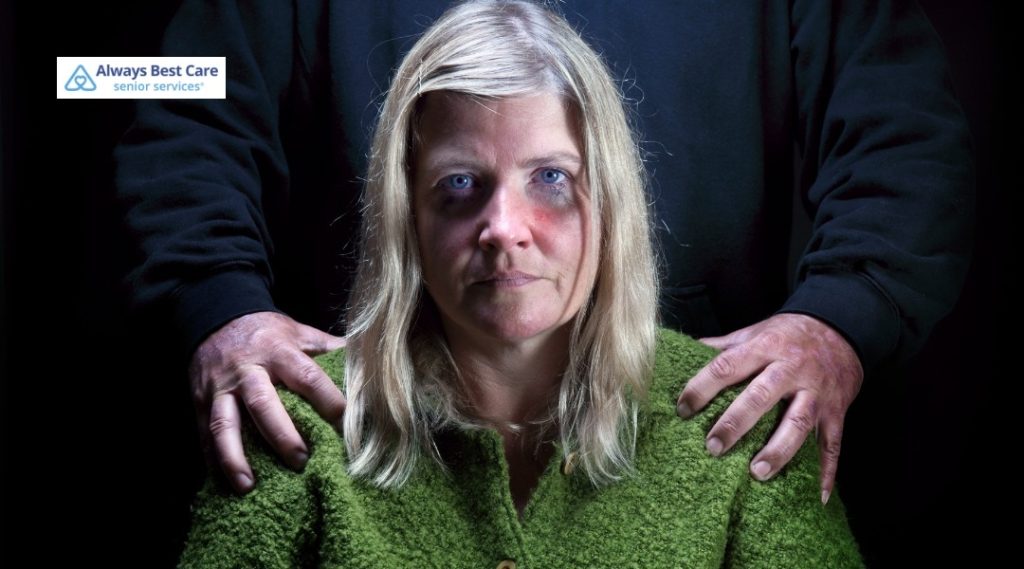
Elder abuse happens when someone’s actions, or failure to act, cause harm, distress, or serious risk to an older adult. It isn’t just about obvious physical harm; it can take many forms and sometimes show up in more than one way at the same time.
Common types of elder abuse include:
- Physical abuse – hitting, pushing, rough handling, or improper restraint
- Emotional abuse – yelling, threats, humiliation, or intentional isolation
- Financial exploitation – misuse of money, coerced signatures, or “disappearing” assets
- Neglect – not providing food, hygiene, medication, or basic comfort
- Abandonment – leaving a senior alone without needed care or supervision
Once we recognize that elder abuse isn’t always a bruise or a broken bone, we’re in a stronger position to prevent it.
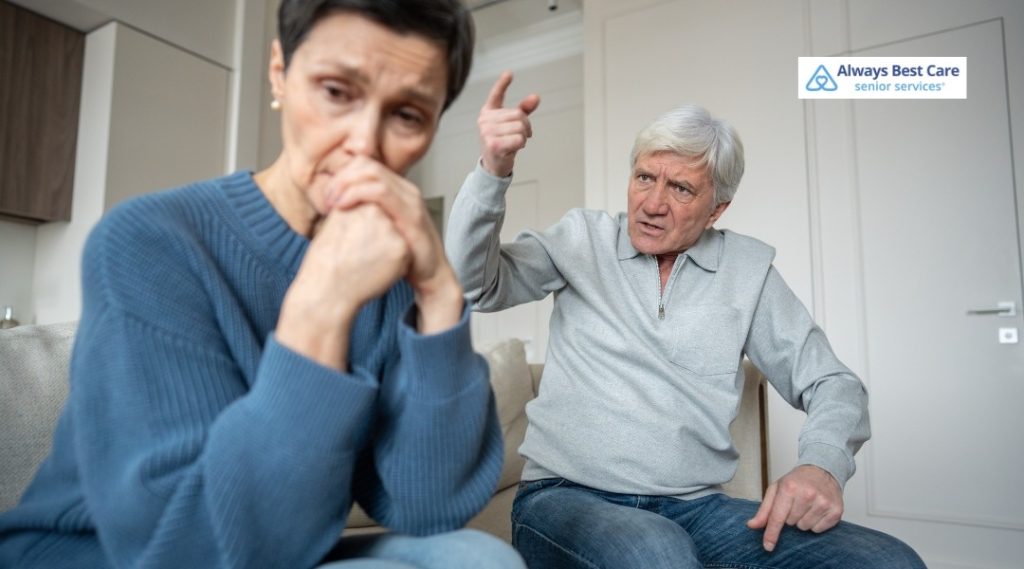
Warning Signs Families Should Watch For
Elder abuse often starts in subtle ways. Things feel “off,” but it’s not immediately clear why. Instead of brushing those feelings aside, it’s wise to pay attention and connect the dots.
Possible warning signs include:
- Unexplained bruises, injuries, or frequent falls
- Sudden mood changes, depression, anxiety, or withdrawal from usual activities
- Poor hygiene, dirty clothing, or a consistently cluttered, unsafe living space
- Unusual bank withdrawals, missing cash, or sudden new “friends” involved in finances
- Visible fear, nervousness, or hesitation around a particular caregiver or visitor
- Noticeable changes in eating, sleeping, or communication patterns
If something doesn’t sit right, it’s worth asking gentle, open-ended questions and observing more closely. Often, those early questions prevent bigger problems later.
Risk Factors That Can Increase Vulnerability
Some seniors are at higher risk for abuse simply because of their situation or health needs. That doesn’t mean abuse is inevitable, but it does mean we should keep a closer eye on things.
Common risk factors include:
- Social isolation – very few visitors, limited outside contact, or “gatekeeping” by one caregiver
- Cognitive changes – memory loss, confusion, dementia, or difficulty expressing needs
- Physical limitations – trouble walking, bathing, or managing daily tasks independently
- Financial dependency – relying fully on others to handle bills, banking, or legal documents
- Caregiver stress – overwhelmed, exhausted, or unsupported caregivers under heavy pressure
By tackling these risk factors early, adding support, easing stress, and encouraging connection, we help make abuse far less likely.
Elder Abuse Prevention: Simple Steps Families Can Take
Elder abuse prevention starts long before there’s a crisis. It’s all about staying involved, being curious, and keeping care transparent.
Here are practical steps families in Milford can take:
- Stay present and involved
Visit regularly, at different times of day. Call, video chat, and check in often. - Keep communication open
Ask how things are going, listen without judgment, and encourage your loved one to speak honestly. - Monitor finances
Review statements, watch for unusual charges, and know who has access to accounts and cards. - Know the care team
Get to know caregivers, neighbors, and anyone regularly in the home. Strong, respectful relationships go a long way. - Encourage social contact
Help your loved one stay connected with friends, clubs, faith communities, or senior centers. - Support caregivers
Offer breaks, backup support, or professional help so stress doesn’t boil over into harmful behavior.
By treating elder abuse prevention as an ongoing habit, not a one-time task, we create a safer environment day after day.
The Role of Professional In-Home Care in Milford
Professional in-home care can be a powerful safeguard against mistreatment. With steady, reliable support, seniors don’t have to depend heavily on just one overwhelmed caregiver.
At Always Best Care of Milford, we:
- Carefully screen and train caregivers for safety, compassion, and professionalism
- Emphasize respect, dignity, and independence in every visit
- Encourage open communication between caregivers, families, and seniors
- Watch for early warning signs of trouble and share concerns with families promptly
Because we’re in the home regularly, we can often spot changes, physical, emotional, or environmental, before they turn into serious problems. That’s a key part of elder abuse prevention and one we take to heart every single day.
What Should You Do If You Suspect Abuse?
If your gut says something’s wrong, don’t ignore it. You’re not overreacting by asking questions and seeking help.
Steps you can take:
- Talk privately with your loved one in a calm, safe setting
- Write down what you’ve seen, heard, or noticed (dates, times, descriptions)
- Share concerns with trusted professionals, such as healthcare providers
- Contact local adult protective services to report suspected abuse
- Call law enforcement right away if you believe there’s immediate danger
Taking action can feel frightening, but doing nothing is far riskier. Speaking up may be exactly what your loved one needs.
Creating a Safer Future for Seniors in Milford
Elder abuse prevention is truly a shared effort. Families, neighbors, caregivers, and community organizations all play a part in building a culture of safety and respect for seniors.
At Always Best Care of Milford, we’re committed to giving seniors a safe place to age, right at home, surrounded by respect, patience, and genuine care. We work closely with families so that no one has to navigate safety concerns alone.
If you’re looking for dependable, compassionate support for a loved one, we at Always Best Care of Milford are ready to help you explore options that protect their dignity and peace of mind.

Frequently Asked Questions
Q: What is the most common sign of elder abuse?
A: There’s no single sign, but a sudden change, like unexplained injuries, fearfulness, or withdrawal from normal activities, should raise concern.
Q: How can families start elder abuse prevention early?
A: Stay involved, check in often, monitor finances, and build a network of trusted helpers before there’s a crisis.
Q: Can elder abuse happen in “good” families or reputable care settings?
A: Yes. Abuse can occur anywhere people are under stress or unchecked. That’s why consistent oversight and open communication matter so much.
Q: How does Always Best Care of Milford support elder abuse prevention?
A: We screen caregivers carefully, provide ongoing training, encourage honest communication, and alert families when we notice concerning changes.
Q: Who should I contact first if I suspect abuse?
A: If there’s immediate danger, call law enforcement. For non-emergency concerns, reach out to local adult protective services and trusted professionals for guidance.
Safety Starts With Speaking Up
Elder abuse prevention isn’t just a checklist; it’s a promise we make to the seniors we love. By staying observant, asking questions, and taking action when something doesn’t feel right, families can help protect a loved one’s safety, dignity, and sense of worth.
At Always Best Care of Milford, compassionate support goes hand in hand with safe, respectful care. Reach out today at (203) 666-4239 to talk through your family’s needs, ask questions, and learn how dependable in-home care can help your loved one feel more secure at home.
Link to the Markdown file version of the article