

Living Well with COPD in Milford: How Seniors Can Manage Symptoms and Stay Comfortable at Home
Chronic Obstructive Pulmonary Disease (COPD) is one of the most common long-term respiratory conditions affecting older adults. It narrows the airways, traps air in the lungs, and makes even routine activities feel like a significant effort. While there is no cure, seniors living with COPD can still lead fulfilling, comfortable lives at home with the right strategies and support in place.
For families in Milford, knowing how to help a loved one manage COPD day to day is just as important as the medical treatment itself.
What you will learn:
- How COPD affects seniors beyond breathing and why early recognition matters for a better quality of life.
- Simple, practical ways to manage COPD at home through routines, environment, and daily habits.
- Helpful techniques and lifestyle adjustments that make breathing easier and support overall wellness.
- When to watch for warning signs and how caregivers and professional support can make a meaningful difference.
Table of Contents
Understanding COPD Beyond the Basics
Most people know COPD causes shortness of breath, but the condition affects far more than just breathing. COPD can disrupt sleep, reduce appetite, limit social engagement, and contribute to anxiety and depression. Over time, these compounding effects can significantly reduce a senior’s quality of life.
Common symptoms to recognize:
- Persistent cough or wheezing
- Shortness of breath during light activity
- Chest tightness or pressure
- Frequent respiratory infections
- Fatigue that doesn’t improve with rest
- Unintended weight loss
Because these symptoms develop gradually, they are often dismissed as normal aging. Early recognition and consistent management are what separate a manageable condition from a debilitating one.
Practical Strategies for Managing COPD at Home
Stick to the Treatment Plan
Inhalers, bronchodilators, corticosteroids, and, in some cases, supplemental oxygen are the frontline tools for managing COPD. Skipping doses or using equipment incorrectly can lead to rapid symptom deterioration.
Caregivers play a critical role here. Consistent medication reminders and help with inhaler technique can prevent unnecessary flare-ups and emergency visits.
Control the Air Quality at Home
For someone with COPD, the air inside the home matters enormously. Common household irritants, such as dust, pet dander, mold, strong fragrances, and cleaning chemicals, can trigger flare-ups without warning.
Practical steps to improve indoor air quality:
- Use HEPA air purifiers in frequently used rooms
- Replace HVAC filters every 1–3 months
- Avoid aerosol sprays and heavily scented products
- Keep windows open when the outdoor air quality is good
- Address any moisture or mold issues promptly
A cleaner indoor environment directly translates to easier breathing and fewer emergency situations.
Keep Moving Carefully
It may seem counterintuitive, but regular physical activity is one of the most effective tools for managing COPD. Exercise strengthens the respiratory muscles, improves circulation, and helps the body use oxygen more efficiently.
The key is starting small and building gradually:
- Short, flat-surface walks
- Chair-based stretching routines
- Tai chi or gentle yoga adapted for seniors
- Pulmonary rehabilitation exercises prescribed by a physician
Activity should always be guided by a healthcare provider and adjusted based on how the senior feels on any given day.
Master Breathing Techniques
Two techniques in particular can make a real difference during moments of breathlessness:
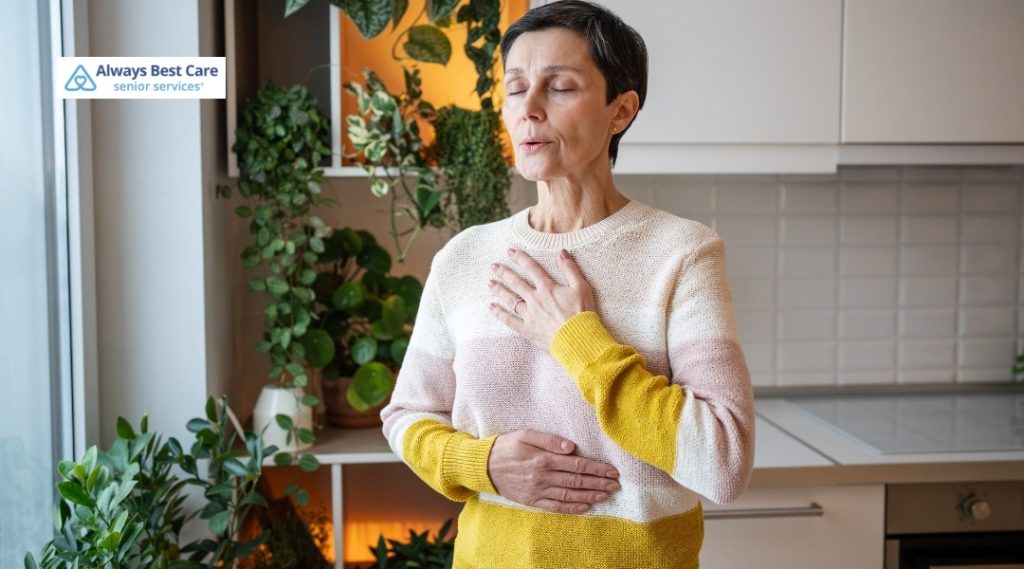
- Pursed-lip breathing: Inhale slowly through the nose, then exhale through pursed lips for twice as long. This slows breathing and keeps airways open longer.
- Diaphragmatic breathing: Focuses on engaging the diaphragm rather than the chest, allowing for deeper, more efficient breaths.
Practicing these techniques daily, not just during flare-ups, helps seniors build the habit and reduces panic when symptoms spike.

Prioritize Nutrition and Hydration
COPD increases the energy the body expends just to breathe, which means nutritional needs are higher than average. At the same time, a full stomach can press against the diaphragm, making breathing harder.
Helpful dietary habits:
- Eat smaller, more frequent meals throughout the day
- Choose nutrient-dense foods: lean proteins, leafy greens, whole grains
- Stay well hydrated to keep mucus thin and easier to clear
- Limit carbonated beverages and foods that cause bloating
Know When to Act
Recognizing the early signs of a COPD flare-up can prevent a manageable situation from becoming a medical emergency.
Warning signs that require prompt attention:
- Noticeably increased shortness of breath
- Change in mucus color (yellow, green, or brown)
- Fever or chills
- Swollen ankles or feet
- Increased confusion or unusual fatigue
When in doubt, contact a healthcare provider. Acting early is almost always better than waiting.

How Always Best Care of Milford Supports Seniors with COPD
Managing COPD is a daily commitment, and it’s one that seniors shouldn’t have to face alone. Always Best Care of Milford provides personalized, in-home support that helps seniors stay comfortable, safe, and independent.
Our caregivers can help with:
- Medication reminders and monitoring for symptom changes
- Light housekeeping to maintain a clean, irritant-free environment
- Meal preparation focused on respiratory health
- Encouragement and assistance with safe physical activity
- Companionship to reduce stress and emotional isolation
- Transportation to the pulmonologist and follow-up appointments
For seniors who need a higher level of medical support, our home health services connect families with skilled nursing professionals who can coordinate directly with physicians.
Frequently Asked Questions About COPD and Senior Home Care
Q: Can COPD be managed at home, or does it require facility-based care?
Most seniors with COPD, even those with moderate to severe symptoms, can be effectively managed at home with the right combination of medical treatment, lifestyle adjustments, and in-home support. Facility-based care is typically only necessary during acute exacerbations or when a senior’s needs exceed what can be safely provided at home.
Q: How do I know if my loved one’s COPD is getting worse?
Watch for changes in their baseline increased breathlessness during activities they previously handled well, more frequent coughing, changes in mucus, or new symptoms like ankle swelling or confusion. Any noticeable shift from their normal should be reported to their physician promptly.
Q: What is the biggest mistake families make when caring for a loved one with COPD?
Waiting too long to ask for help. COPD management is demanding, and caregiver burnout is real. Bringing in professional support early before a crisis leads to better outcomes for both the senior and the family.
Q: Are there specific triggers in (city name) that COPD patients should be aware of?
Seasonal allergens, air quality fluctuations, and cold or humid weather can all aggravate COPD symptoms. Monitoring local air quality reports and adjusting outdoor activity accordingly is a smart habit for seniors in the area.
Q: How can a caregiver help during a COPD flare-up?
Stay calm, help the senior sit upright or in a position that eases breathing, ensure they use their rescue inhaler as prescribed, and contact their healthcare provider if symptoms don’t improve quickly. Knowing the senior’s action plan in advance, provided by their doctor, is essential.
Comfort, Care, and Confidence at Home
Living with COPD is challenging, but it doesn’t have to mean giving up independence or comfort. With consistent care, a supportive home environment, and the right help in place, seniors in Milford can breathe easier, literally and figuratively.
Call Always Best Care of Milford today at 203-877-1377 to schedule a care consultation and learn how our team can support your loved one’s respiratory health and quality of life at home.
Link to the Markdown File version of the article