Senior Scams: How to Recognize the Warning Signs and Protect Your Loved One in Milford
Scams aimed at older adults aren’t just annoying, they’re heartbreaking and costly. As schemes get slicker and more believable, many seniors find themselves caught off guard, especially if they’re trusting, financially secure, or not totally comfortable with newer technology.
That mix is a scammer’s dream. And yet, with a bit of know‑how and some open conversation, families can slam the door on many of these tricks before any real damage is done. Awareness isn’t just helpful; it’s one of the strongest shields we’ve got.
What you will learn:
- The most common senior scams in Milford and the warning signs that can help families spot trouble early.
- Why older adults may be more vulnerable to fraud and how urgency, secrecy, and isolation often play a role.
- Simple, supportive ways families can help protect loved ones from scam calls, fake messages, and financial loss.
- How companionship, in-home care, and quick action can help seniors in Milford stay safer and more confident at home.
Table of Contents
Why Seniors in Milford Are Often Targeted
You might wonder, “Why do scammers keep going after older adults?” Sadly, there are some common reasons they see seniors as easy targets:
- They may be more trusting or polite with strangers.
- They often have savings, retirement funds, or a steady income.
- Some live alone or don’t see many people day to day.
- Many are less familiar with digital scams, apps, and online banking.
Put all that together, and it becomes easier for scammers to cozy up, build fake trust, and twist situations to their advantage.
Common Senior Scams: What We See Most Often
Scammers are pros at changing tactics, but the basic playbook doesn’t change all that much. Here are some of the scams that commonly trip up seniors.
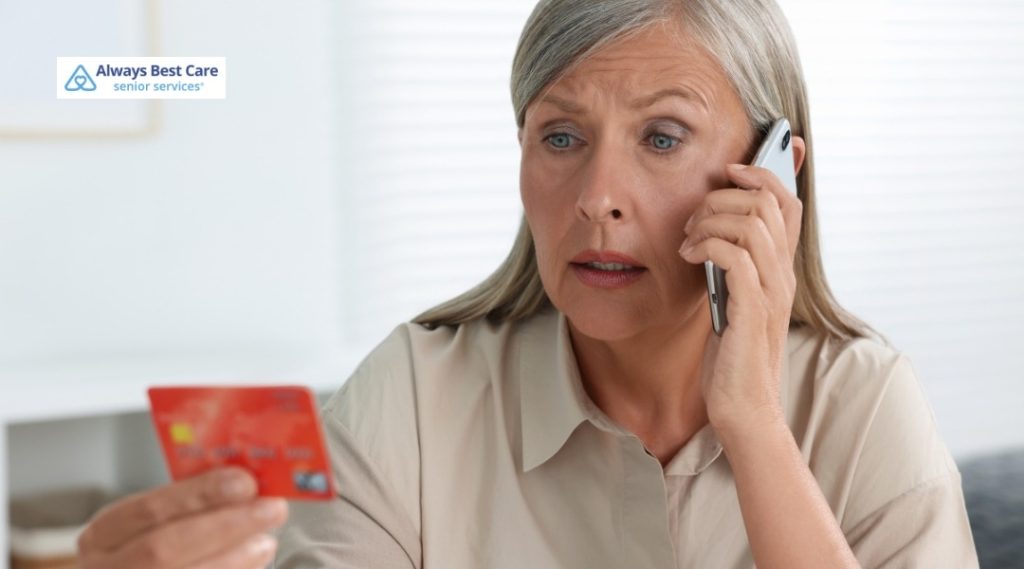
Phone Scams
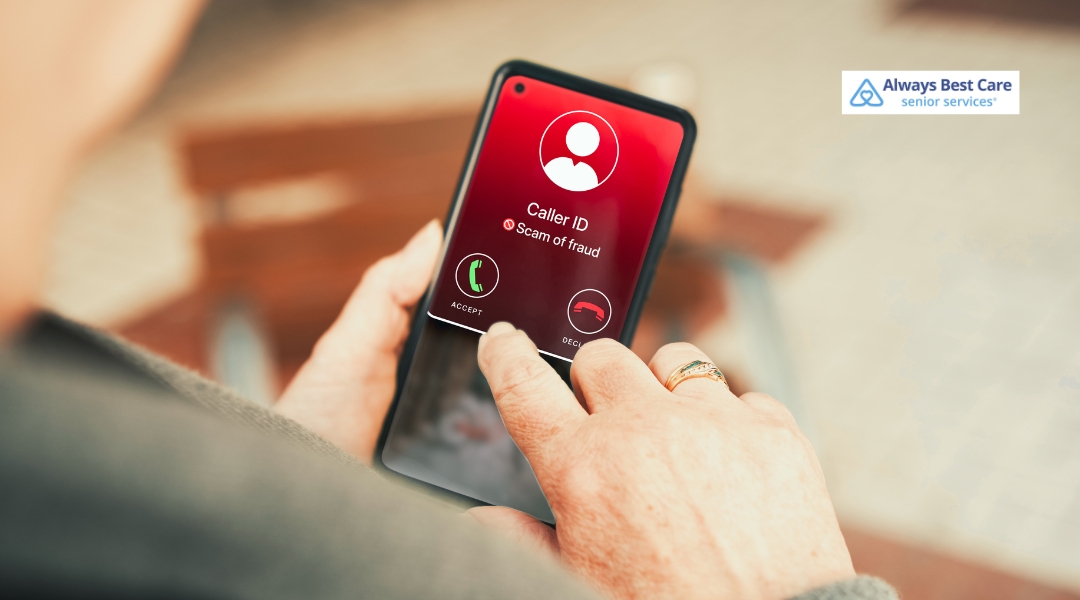
The phone rings, and on the other end is someone claiming to be:
- A government agency
- A utility company
- A bank representative
- Or even a grandchild “in trouble”
They often:
- Create urgent pressure (“Pay now or your power gets shut off!”)
- Ask for personal details (Social Security number, bank info)
- Demand immediate payment, sometimes on the spot
If the call sparks panic, that’s a big red flag.

Email, Text, and Phishing Scams
These messages can look surprisingly real, with logos, colors, and wording that seem spot on.
They may:
- Pretend to be from a bank, Medicare, Social Security, or a well-known company
- Ask the person to click a link to “verify” information
- Lead to fake websites that steal passwords, card numbers, or other personal details
If your loved one isn’t sure whether something’s legit, it’s safer to close the message and contact the company directly using a known phone number.
Sweepstakes and Lottery Scams
This one can feel exciting at first, who doesn’t like to be told they’ve “won”?
Typical warning signs:
- “You’ve won a prize, but…”
- “You just need to pay taxes or fees first.”
- “Don’t tell anyone yet, it’s confidential.”
The hard truth: if someone has to pay to receive a prize, it’s not really a prize.
Romance Scams
With more seniors using online dating and social media, romance scams have exploded.
Common patterns:
- A “new friend” or “love interest” appears online, often from far away.
- They shower the person with attention and affection.
- Before long, they mention a crisis, medical bills, travel problems, and legal troubles.
- Then comes the request for money, often framed as a loan.
The emotional toll can be just as painful as the financial loss.
Tech Support Scams
Pop-ups, phone calls, or emails may claim:
- “Your computer is infected.”
- “We’ve detected a security problem.”
The scammer then asks for:
- Remote access to the computer
- Payment for fake repairs or software
Once they’re in, they can steal information or install harmful programs.

Senior Scams in Milford: Warning Signs You Shouldn’t Ignore
Scams tend to follow familiar patterns. If we know what to watch for, we’re far less likely to be caught off guard.
Keep an eye out for:
- Demands for immediate action (“right now,” “today only,” “before midnight”)
- Requests for payment by gift card, wire transfer, or cryptocurrency
- Unsolicited calls, texts, or emails asking for personal or financial information
- Messages that stir up fear, panic, or guilt
- Requests to keep something secret from family or friends
If something feels off, it’s wise to pause, hang up, or close the message and talk it through with someone you trust.
How Families Can Help Protect Loved Ones in Milford
We don’t have to tackle this alone. Family support can make a tremendous difference.
Here are some practical ways to help:
- Talk openly about scams, what they sound like, what they look like, and how they work.
- Encourage your loved one to verify requests by calling known numbers or asking you to check.
- Review bank and card statements together for unusual charges.
- Set up call blocking and email spam filters to reduce junk and robocalls.
- Ask them to check with a trusted family member before sending money or sharing information.
The goal isn’t to scare anyone; it’s to build confidence and a habit of double-checking before acting.

How In-Home Care Helps Guard Against Senior Scams in Milford
Social isolation is one of the biggest risk factors for scams. People who feel lonely are more likely to answer unknown calls, chat with strangers online, or say “yes” to questionable offers just for the interaction.
That’s where in-home care can add an extra layer of safety.
At Always Best Care of Milford, we see scam prevention as part of our commitment to supporting safe, comfortable living at home. We:
- Help screen phone calls and unexpected visitors, gently steering away suspicious contacts.
- Notice changes in behavior, such as sudden worry about money or secretive conversations.
- Provide consistent companionship to reduce loneliness, a major scam trigger.
- Encourage open communication with family, so concerns get flagged early.
We work side by side with families, keeping an eye out for unusual situations and encouraging safe habits around money, mail, and technology.
What to Do If You Think Your Loved One Has Been Scammed
If your gut says something isn’t right, don’t shrug it off. Acting quickly can limit the damage.
Here’s a simple checklist:
- Contact the bank or card company right away. Ask them to freeze or monitor the account and dispute any fraudulent charges.
- Report the scam to local law enforcement or adult protective services. Many areas also have consumer protection hotlines.
- Watch accounts closely for new suspicious activity over the next few weeks.
- Offer calm reassurance. Many seniors feel embarrassed or ashamed, which can keep them quiet. Let them know they’re not alone and that scammers are professionals; this isn’t their fault.
A supportive tone goes a long way. The more comfortable your loved one feels talking about odd calls or emails, the easier it is to step in early.
Frequently Asked Questions
Q: What’s the biggest red flag of a senior scam?
A: A demand for urgent payment, especially by gift card, wire transfer, or cryptocurrency, is one of the clearest signs that something’s not legitimate.
Q: How can I bring this up without upsetting my parent or spouse?
A: Try framing it as “We’re all dealing with more scams lately,” rather than singling them out. Share stories from the news and talk about how scammers trick people of all ages.
Q: Should my loved one just stop answering unknown calls?
A: In many cases, yes. Letting unknown numbers go to voicemail is a simple, effective way to reduce risk. You can also help set up call blocking on their phone.
Q: Can caregivers help spot scams?
A: Absolutely. At Always Best Care of Milford, we keep an ear out for suspicious calls, mail, and online messages, and we encourage seniors to talk with their families and us before responding.
Q: What if money has already been sent?
A: Contact the bank or card company immediately. In some situations, funds can be stopped or recovered. Then report the scam and keep monitoring accounts closely.
Protecting Seniors Starts with Awareness
Scammers may change their scripts, but their goal remains the same: to exploit trust and confusion. By staying informed, talking openly, and building smart habits, families in Milford can shield their loved ones from many of these threats.
At Always Best Care of Milford, we’re dedicated to helping seniors live safely and confidently at home. We support daily routines, offer steady companionship, and keep a watchful eye out for warning signs of senior scams.
If your loved one could use more support and friendly company, we’d be glad to talk with you at (203) 666-4239 about how we can help protect them while honoring their independence and dignity at home.
Link to the Markdown File version of the article