Wound Care at Home: When Is Skilled Nursing Needed in Wallingford, CT?
A small scrape can seem like no big deal, but for older adults, even a minor wound can turn tricky fast. Slower healing, fragile skin, and health conditions like diabetes can all throw a wrench in the works.
That’s why it helps to know when basic care will do the trick and when skilled nursing should step in. For families in Wallingford, CT, the right support can make home recovery a whole lot safer and calmer.
What You Will Learn
- Why wounds can become harder to manage and slower to heal for older adults at home.
- Which wound types and warning signs may mean a loved one needs prompt medical attention or skilled nursing support.
- How skilled nursing and in-home caregiving can work together to support a safer, more comfortable recovery.
- Simple, thoughtful ways families can help prevent pressure injuries and protect a loved one’s skin.
Table of Contents
Why Wound Care Gets Trickier With Age
As we get older, skin gets thinner and tears more easily. Healing can also take longer, which means a wound that looks harmless at first may need closer watching.
A few common reasons wounds become harder to manage include:
- Diabetes
- Poor circulation
- Limited movement
- Weak nutrition or dehydration
- A history of pressure sores
Even something as simple as not eating enough protein can slow recovery. In other words, the body needs fuel to fix itself, and without it, healing can drag on.
Signs a Wound Needs Skilled Nursing
Some wounds can be handled with simple home care, but others need a nurse’s trained eye. Skilled nursing may be needed for:
- Surgical wounds that still need checking
- Pressure injuries
- Diabetic foot wounds
- Skin tears that keep reopening
- Burns or deeper cuts
- Wounds that aren’t improving
Watch for warning signs too. If a wound gets redder, warmer, more swollen, or more painful, that’s a red flag. Drainage, odor, fever, chills, or confusion can mean infection and need quick attention.
What a Home Health Nurse Can Do
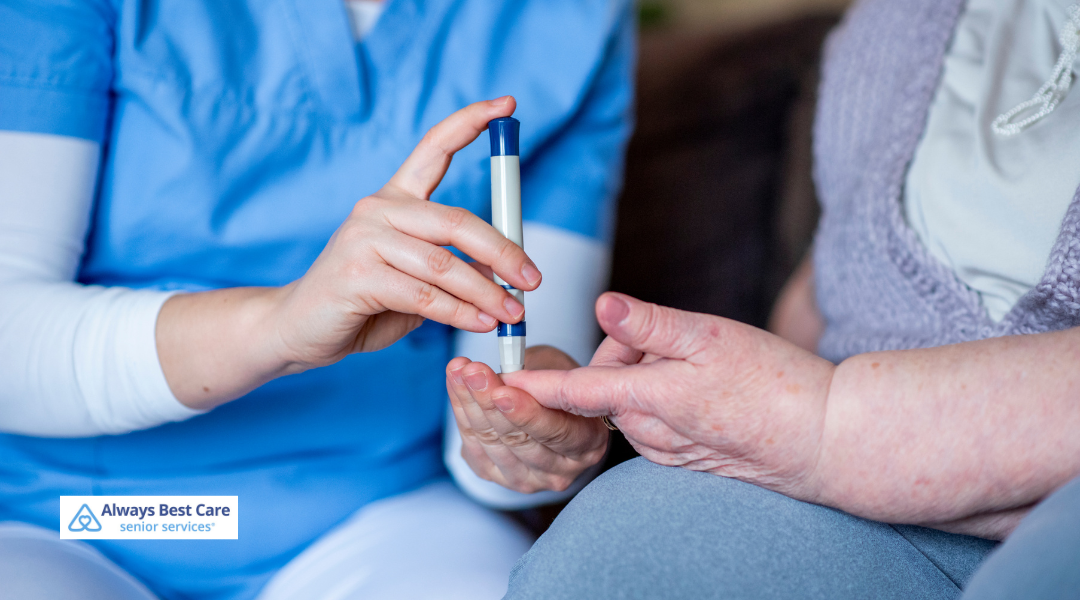
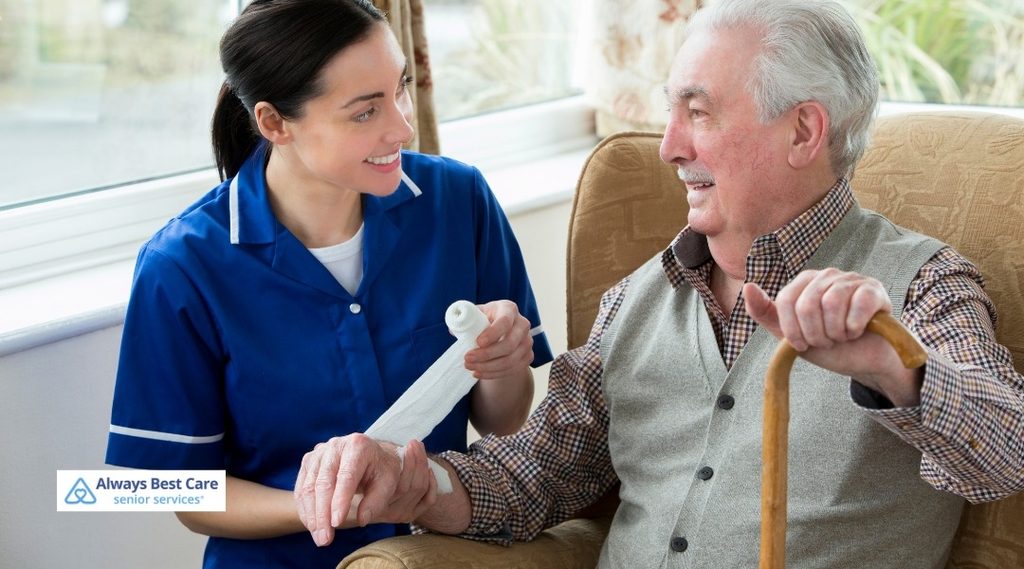
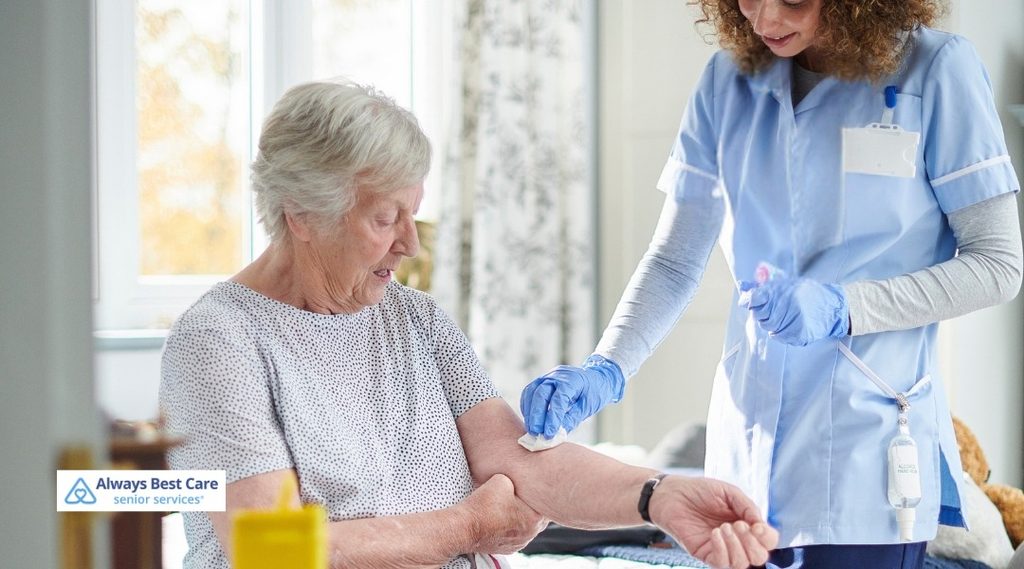
A nurse visiting at home can keep a close eye on the wound and follow the care plan from the doctor. That kind of support often brings peace of mind, especially after a hospital stay or surgery.
A home health nurse may:
- Check the wound and track healing
- Clean the wound
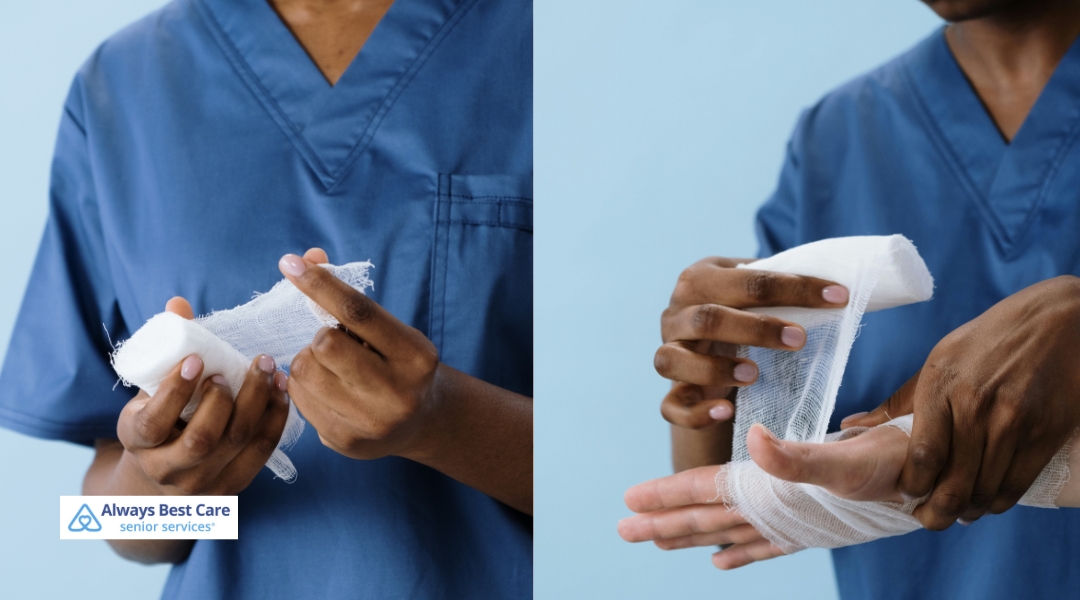
- Change dressings
- Watch for infection
- Teach family members what to look for
- Share updates with the care team
At Always Best Care of Wallingford, CT, we help support safer healing at home with care that fits the person and the situation.
Preventing Pressure Injuries at Home
For seniors who spend a lot of time in bed or in a chair, pressure injuries can sneak up before anyone notices. Ouch—that’s a rough problem to deal with.
Helpful steps include:
- Changing positions often
- Keeping skin clean and dry
- Using pressure-relief cushions or mattresses
- Checking heels, hips, elbows, and the tailbone
- Encouraging enough food and fluids
A little prevention goes a long way here.
How In-Home Care Can Work Alongside Wound Care
Skilled nursing handles the medical side, while in-home care helps with daily routines that can get in the way of recovery. Together, they make life easier for seniors and families alike.
In-home caregivers can help with:
- Meals and hydration
- Bathing and dressing
- Light housekeeping
- Safe movement around the home
- Medication reminders
- Noticing changes to report to family
That team approach can take some pressure off everyone involved.
Frequently Asked Questions
Q: How do we know a wound is serious?
A: If it gets redder, swollen, warmer, more painful, or starts draining, it may need medical attention. Fever, chills, or confusion are also warning signs.
Q: Can wound care really happen at home?
A: Yes, many wounds can be treated at home with the right support. More serious wounds may need skilled nursing visits.
Q: What types of wounds often need a nurse?
A: Pressure injuries, diabetic foot wounds, surgical wounds, burns, and wounds that heal slowly often need skilled care.
Q: Can in-home care help with healing too?
A: Yes. In-home caregivers can help with meals, hygiene, mobility, and reminders, which can support recovery.
Helping Healing Feel Safer at Home
Good wound care can keep a small problem from becoming a big one. For seniors in Wallingford, CT, skilled nursing and in-home support can make healing at home safer, smoother, and far less stressful.
If your loved one is recovering from a wound, surgery, illness, or a health setback, reach out to Always Best Care of Wallingford at (203) 347-2038. Our compassionate team can talk through your family’s needs and help you explore supportive in-home care options that bring greater comfort, confidence, and peace of mind during recovery.
Link to the Markdown File version of the article