
Home Health for Stroke Recovery: Therapy, Monitoring, and Support in Wallingford, CT
Returning home after a stroke is a significant milestone, but it is also the point where consistent, skilled support becomes essential. The weeks and months following discharge are critical for long-term recovery, and the quality of care during this period can directly influence how well a survivor regains function and independence.
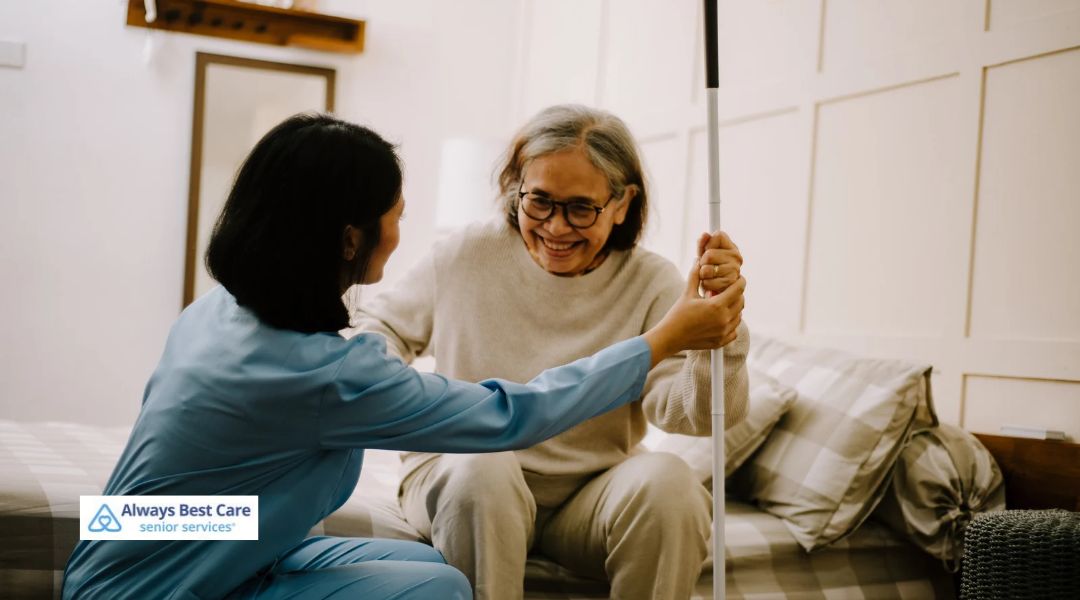
Home health services bridge the gap between hospital care and everyday life. By bringing skilled professionals directly into the home, stroke survivors in Wallingford can continue their recovery in a familiar environment without the physical and emotional strain of repeated facility visits.
What you will learn:
- How home health services support stroke recovery and ease the transition from hospital to home.
- The important roles of skilled nursing, physical therapy, and occupational therapy in regaining independence.
- Ongoing monitoring and early intervention help prevent complications and setbacks.
- How emotional support and personalized care improve confidence, well-being, and recovery outcomes.
Table of Contents
The Real Challenges of Stroke Recovery at Home
No two strokes are alike. Depending on the area of the brain affected, survivors may face a wide range of challenges, weakness on one side of the body, difficulty speaking or understanding language, memory lapses, trouble swallowing, or changes in mood and behavior.
Many families underestimate how demanding the post-discharge period can be. A senior who appeared stable at discharge may struggle significantly once back in a home environment that was not designed with recovery in mind. Stairs, narrow hallways, and daily routines that once required no thought can suddenly become serious obstacles.
Home health services address these realities directly, providing medical oversight, targeted therapy, and practical support tailored to each individual’s condition and goals.

Skilled Nursing: Medical Oversight Where It Matters Most
A licensed home health nurse is often the cornerstone of post-stroke care. Their role goes well beyond routine check-ins; they actively monitor recovery, manage complex medication regimens, and serve as an early warning system for complications.
Skilled nursing support may include:
- Monitoring blood pressure, heart rate, and other vital signs
- Managing medications, including blood thinners and other stroke-related prescriptions
- Identifying early warning signs of a secondary stroke or infection
- Wound care if surgery was part of the treatment process
- Educating family members on what to watch for and how to assist safely
- Coordinating with the treating physician to adjust the care plan as recovery progresses
For seniors managing additional conditions such as diabetes, atrial fibrillation, or high blood pressure, skilled nursing ensures these are not overlooked during the focus on stroke recovery.
Physical Therapy: Rebuilding Strength and Mobility
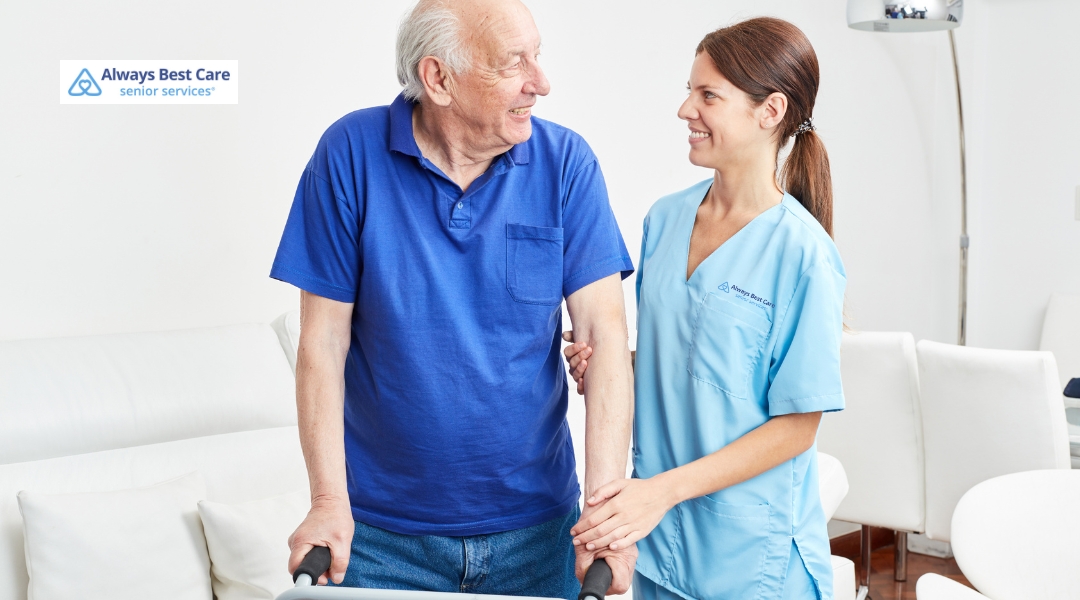
Weakness, balance problems, and limited mobility are among the most common physical effects of a stroke. Physical therapy at home focuses on rebuilding these capabilities in the environment where they matter most.
A home health physical therapist works with seniors to improve:
- Muscle strength and coordination on the affected side
- Balance and fall prevention
- Safe walking technique and endurance
- Functional mobility, getting in and out of bed, chairs, and vehicles
Because therapy takes place at home, therapists can assess and address real obstacles in the actual living space. They can identify hazards, recommend modifications, and design exercises tailored to the specific layout and routines of the home, something that cannot be replicated in a clinical setting.

Occupational Therapy: Relearning the Routines of Daily Life
A stroke can make ordinary tasks feel overwhelming. Buttoning a shirt, preparing a meal, or stepping into a shower may require entirely new approaches after a stroke affects fine motor skills, coordination, or cognitive function.
Occupational therapists help stroke survivors develop practical strategies to perform these activities safely and as independently as possible.
Occupational therapy may include:
- Relearning bathing, dressing, and grooming with adaptive techniques
- Improving hand strength and fine motor coordination
- Identifying and recommending assistive devices
- Modifying the home environment to reduce fall risk and improve accessibility
- Addressing cognitive challenges that affect daily task completion
The goal is not just physical recovery, but restoring a sense of normalcy and confidence in everyday life.
Ongoing Monitoring and Complication Prevention
Recovery from a stroke is rarely linear. Progress can plateau, and new complications can emerge weeks after discharge. Regular monitoring by home health professionals helps catch problems early, before they escalate into emergencies.
Home health teams watch for:
- Sudden changes in speech, vision, or movement
- Increased weakness or new balance issues
- Unusual fatigue, confusion, or mood changes
- Signs of infection, deep vein thrombosis, or other secondary conditions
Early intervention not only protects the senior’s health, but it also reduces the likelihood of hospital readmission, which can be both disruptive and costly.
Emotional and Social Support
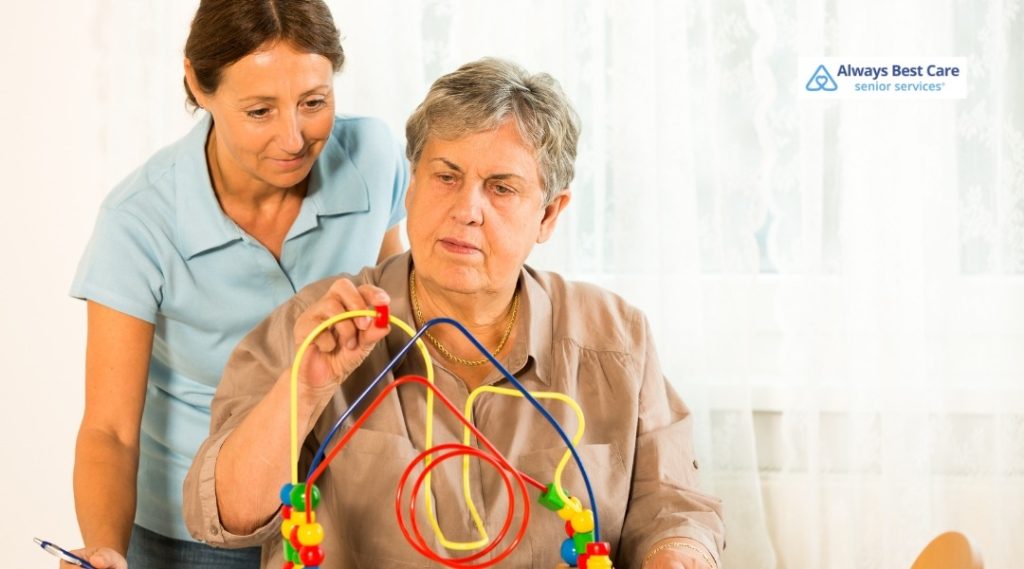
The emotional impact of a stroke is often underestimated. Depression and anxiety are common among stroke survivors, and the frustration of relearning basic skills can take a significant toll on motivation and mental health.
Having a consistent care team that provides encouragement, patience, and companionship makes a meaningful difference. Caregivers who understand the emotional dimensions of recovery help seniors stay engaged in their rehabilitation and maintain a more positive outlook, both of which are linked to better long-term outcomes.
How Always Best Care of Wallingford, CT Supports Stroke Recovery
At Always Best Care of Wallingford, CT, we take a comprehensive approach to post-stroke care. Our team coordinates skilled nursing, physical therapy, and occupational therapy alongside hands-on caregiver support, so every aspect of recovery is addressed.
Our caregivers assist with daily activities, meal preparation, transportation to follow-up appointments, and companionship. We work closely with physicians and therapists to ensure the care plan evolves as the senior’s needs change.
Every stroke survivor’s journey is different. Our role is to provide the right support at the right time, helping seniors in Wallingford, CT, recover safely, comfortably, and with dignity.
Frequently Asked Questions
Q: When should home health services begin after a stroke?
A: Ideally, home health services should begin as soon as a stroke survivor is discharged from the hospital or rehabilitation facility. Early intervention helps maintain the progress made during inpatient care and reduces the risk of setbacks.
Q: How is home health different from home care?
A: Home health refers to medically supervised services provided by licensed professionals, such as nurses, physical therapists, and occupational therapists. Home care typically refers to non-medical support, such as assistance with daily activities, meal preparation, and companionship. Many families benefit from working together.
Q: Will insurance cover home health services after a stroke?
A: Medicare and many private insurance plans cover home health services when they are deemed medically necessary and ordered by a physician. Coverage details vary, so it is important to verify benefits with your provider. Always Best Care can help guide families through this process.
Q: How long does a stroke survivor typically need home health services?
A: The duration varies depending on the severity of the stroke and the individual’s rate of recovery. Some seniors may need services for a few weeks, while others benefit from ongoing support for several months. Care plans are regularly reviewed and adjusted based on progress.
Q: What if my loved one needs more support than home health alone can provide?
A: If a stroke survivor’s needs exceed what home health and in-home caregiving can safely address, Always Best Care can help evaluate other options, including assisted living or memory care, and assist with the transition.
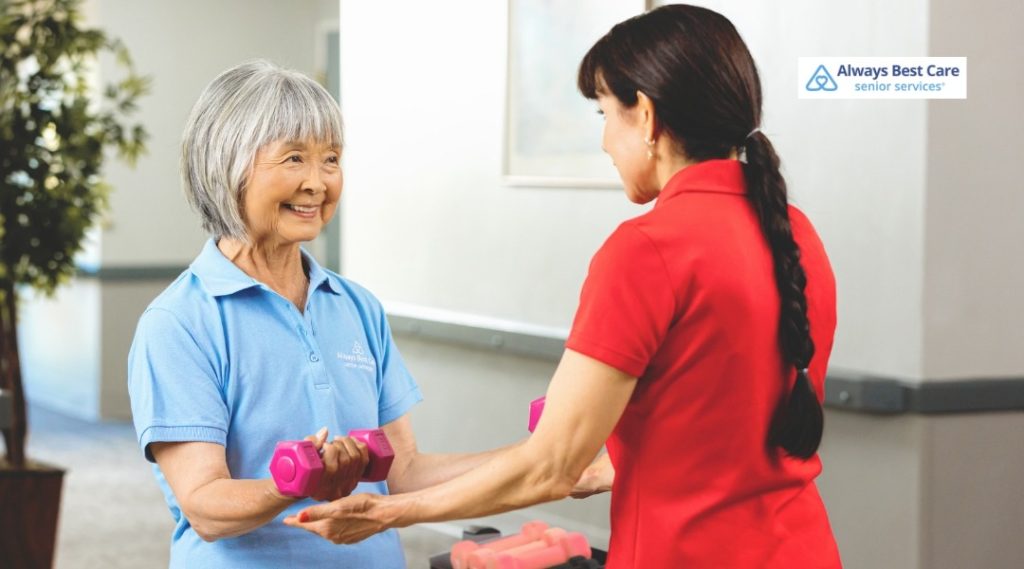
A Stronger Recovery Starts at Home
With consistent monitoring and compassionate care, families can feel reassured knowing their loved one is supported every step of the way. In Wallingford, CT, home health care offers not just recovery but also a safer, more comfortable path forward.
Call Always Best Care of Wallingford today at (203) 269-1522 to schedule a care consultation and learn how our home health services can support your loved one’s recovery.
Link to the Markdown File version of the article