Spotting Stroke Warning Signs in Arcadia: What Local Families Need to Know

Stroke symptoms can show up out of nowhere, and before you know it, a loved one’s face is drooping, or their words don’t make sense. In a city like Arcadia, where many families care for aging parents and grandparents at home, knowing what to look for isn’t just “nice to have” – it’s lifesaving knowledge. A few minutes of hesitation can mean the difference between a strong recovery and permanent disability.
Put simply, a stroke happens when blood flow to part of the brain is cut off, starving brain cells of oxygen. Those cells start to die fast, and the body responds with sudden, dramatic changes in movement, speech, or awareness. That’s why recognizing stroke warning signs early and acting right away is so critical.
What You Will Learn:
- The most common and often overlooked warning signs of a stroke in seniors.
- How to use the BE FAST method to quickly identify a potential stroke at home.
- What steps to take in the first critical minutes to improve recovery outcomes.
- How families in Arcadia can reduce stroke risk and support long-term brain health.
Table of Contents
Why Stroke Awareness Matters for Arcadia Families
Arcadia is home to many retirees and multi-generational households, so it’s common for adult children to live with or near their aging parents. That closeness can be a huge advantage if you know what to watch for. You’re around enough to notice subtle changes – a lopsided smile, an unusual stumble, a sentence that comes out garbled.
Stroke risk climbs with age, especially for seniors who live with high blood pressure, diabetes, high cholesterol, heart disease, or a history of smoking. Add stress, inactivity, and missed medications into the mix, and the odds go up even more. Families who understand these risks and warning signs are better prepared to respond quickly instead of brushing symptoms off as “just getting older.”
The BE FAST Method: A Simple Stroke Checklist
One of the easiest ways for Arcadia families to remember stroke warning signs is the BE FAST test. It’s quick, memorable, and perfect for those “something’s not right” moments.
Balance
Is your loved one suddenly unsteady on their feet? Do they veer to one side, struggle to stand, or seem to lose coordination out of the blue? Sudden balance problems are a red flag, especially if they weren’t there earlier in the day.
Eyes
Has their vision changed suddenly? They might complain of blurriness, double vision, or a dark patch in one eye. If they’re squinting, bumping into objects, or saying they “can’t see right,” take it seriously.
Face
Ask them to smile. If one side of the face droops or the smile looks uneven, it could signal a stroke. Sometimes it’s subtle – a slightly lower eyelid, a crooked grin, or one cheek that doesn’t move like the other.
Arms
Ask them to raise both arms in front of them. Does one arm drift down? Is one side weak, numb, or “heavy”? They might say their arm feels “asleep” or that they can’t hold onto common items like a cup or remote.
Speech
Listen to how they talk. Is the speech slurred, slow, or jumbled? Do they struggle to find simple words or answer basic questions? Even mild speech changes deserve attention.
Time
If any of these signs show up, it’s time to act. Don’t wait and see. Don’t assume rest will fix it. Call emergency services right away.

Other Stroke Symptoms Families Often Miss
Not every stroke looks textbook. Some signs sneak in under the radar and get mistaken for fatigue or “off days.” Keep an eye out for:
- Sudden severe headache with no clear cause
- Nausea or vomiting paired with dizziness or imbalance
- Sudden confusion or trouble understanding simple instructions
- Numbness or weakness on one side of the body, even if mild
- Unusual drowsiness, agitation, or “acting not like themselves.”
If your gut tells you something is wrong, trust it. It’s much safer to get checked and hear “it’s not a stroke” than to wait and regret it later.
What Arcadia Families Should Do in the First Minutes
Those first minutes after stroke symptoms appear are pure gold. Treatment works best within tight time windows, so every second counts. Here’s a simple sequence to follow.
- Call emergency services immediately
- Note the time symptoms started (or the last time your loved one seemed normal)
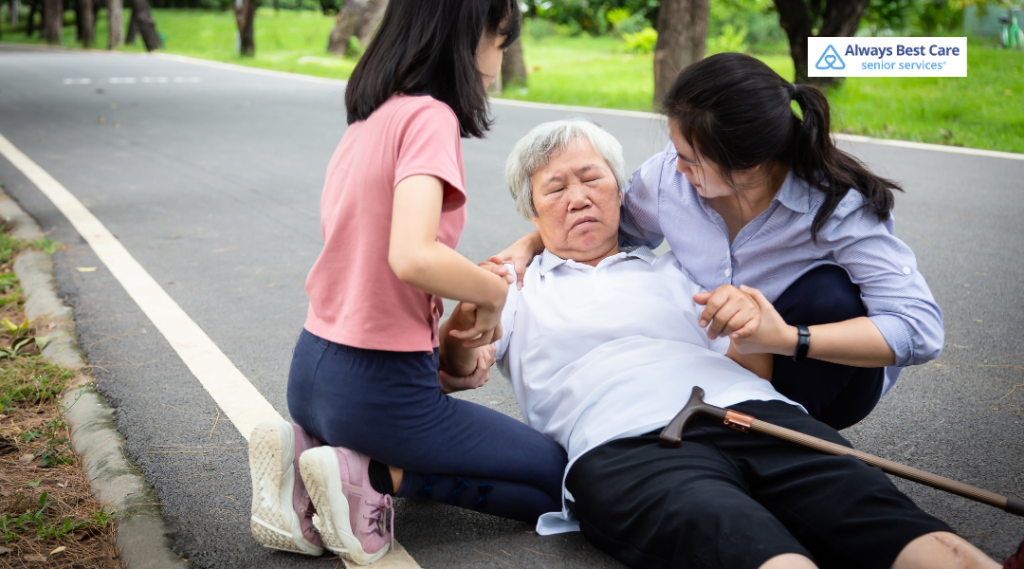
- Keep your loved one sitting or lying down safely
- Don’t give food, drink, or new medications
- Stay calm and answer emergency questions clearly
Driving them to the hospital might seem quicker, but emergency medical crews can start assessment, monitor vital signs, and alert the hospital on the way. That head start can shave off precious minutes once your loved one arrives.
How Fast Action Supports Recovery
“Time is brain” isn’t just a catchy phrase – it’s the reality. The sooner blood flow is restored, the more brain tissue can be saved, and the better the chance your loved one can return to familiar routines. Faster treatment can:
- Reduce the severity of long-term disability
- Improve the odds of walking independently again
- Support clearer speech and better thinking skills
- Shorten hospital stays and rehab time
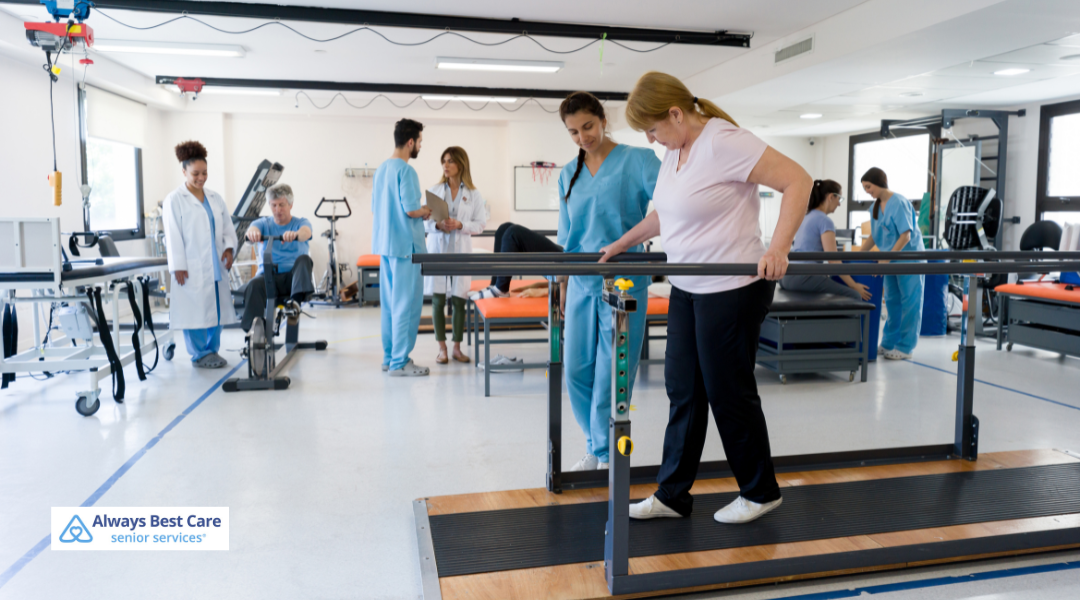
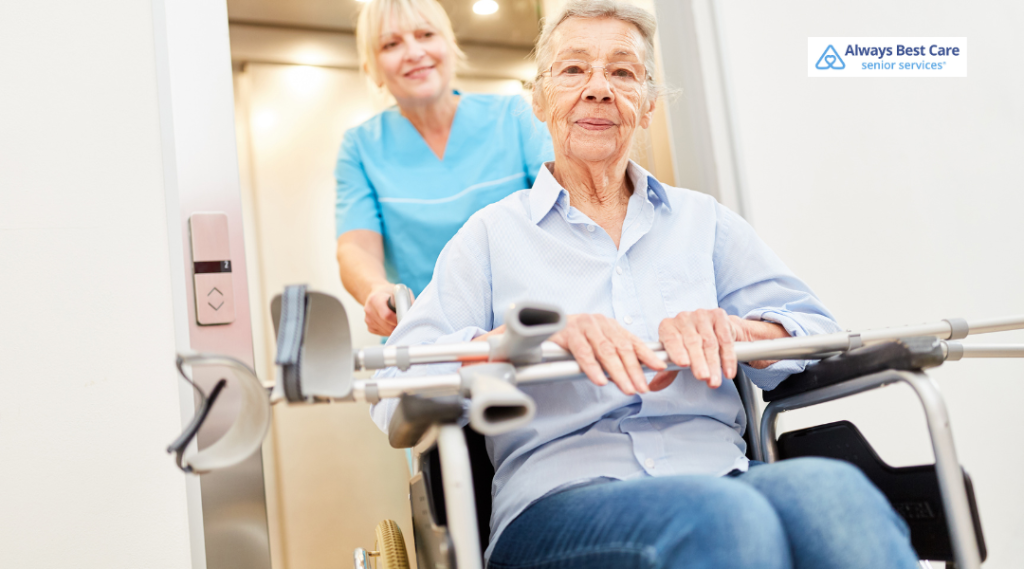
Rehabilitation often begins early, sometimes within the first day, with physical, occupational, and speech therapy. Families in Arcadia play a huge part in recovery by encouraging exercises, helping with appointments, and offering steady emotional support. Small victories, like taking a few steps or saying a full sentence, are worth celebrating.
Everyday Habits That Lower Stroke Risk
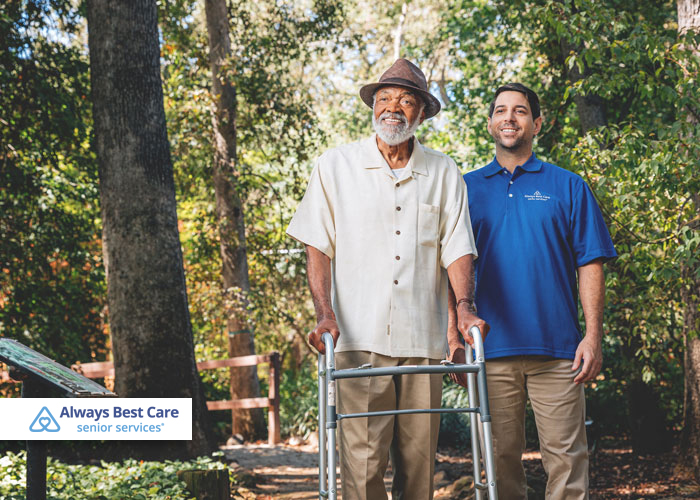
While no one can erase stroke risk entirely, Arcadia seniors and their families can chip away at it day by day. Simple shifts make a real difference.
Helpful habits include:
- Keeping blood pressure, blood sugar, and cholesterol under control
- Taking medications exactly as prescribed
- Staying active with walks, light exercise, or chair workouts
- Choosing more fruits, vegetables, whole grains, and lean proteins
- Quitting smoking and cutting back on excessive alcohol
- Scheduling regular checkups and discussing stroke risk with a doctor
Even modest changes, kept up over time, can reduce the likelihood of a first stroke or another one after an initial event.
FAQs About Stroke Warning Signs in Arcadia
What are the first stroke warning signs in Arcadia seniors?
Common early warning signs include sudden facial drooping, arm weakness, difficulty speaking, loss of balance, and unexpected vision changes. Any of these symptoms, especially when they appear out of nowhere, should be treated as an emergency and checked immediately.
Q: How can I quickly check for a stroke at home in Arcadia?
A: Use the BE FAST method: look for changes in Balance, Eyes, Face, Arms, and Speech, and remember that Time is critical. If you spot even one concerning sign, call emergency services right away rather than waiting to see if symptoms fade.
Q: Should I drive my loved one to the hospital if I suspect a stroke?
A: Calling emergency services is safer and often faster in terms of treatment readiness. Medical personnel can begin assessment, monitor your loved one, and notify the hospital before arrival so stroke care teams can prepare.
Q: Can stroke symptoms go away and still be serious?
A: Yes, some seniors experience brief stroke-like episodes, sometimes called mini-strokes or transient ischemic attacks, where symptoms resolve. Even if everything seems “back to normal,” these episodes are urgent warning signs that need immediate medical evaluation.
Q: How can Arcadia families help prevent a future stroke?
A: Support your loved one in managing medical conditions, taking medications consistently, staying physically active, eating a heart-healthy diet, and attending regular checkups. Talking openly with healthcare providers about stroke risk and prevention plans helps keep everyone on the same page.
Be Prepared with Trusted Support for Senior Health and Safety
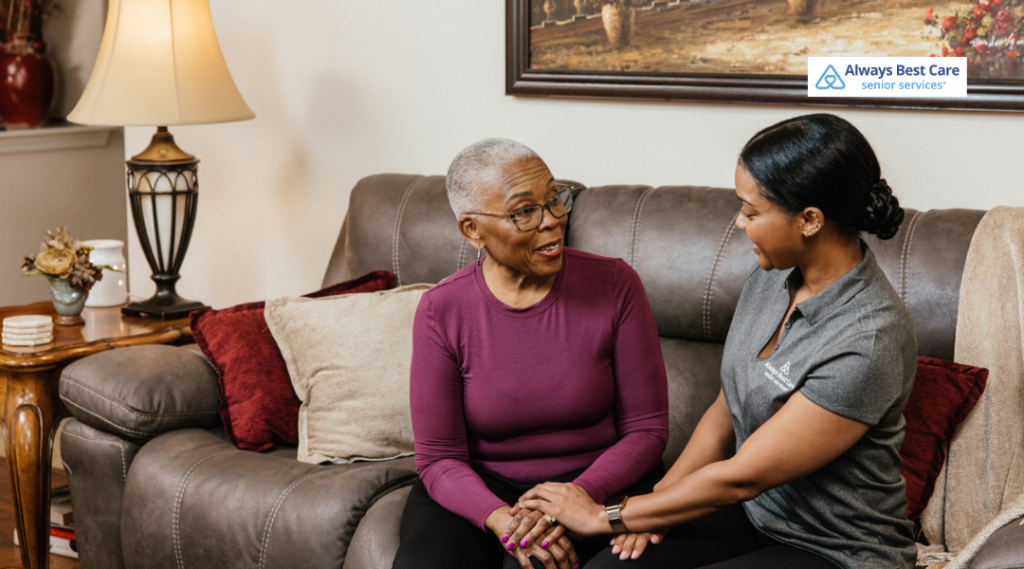
Stroke doesn’t always announce itself with dramatic movie-style symptoms; sometimes it starts with a crooked smile, a clumsy step, or a few scrambled words around the kitchen table. For Arcadia families, knowing how to spot stroke warning signs and act without hesitation turns uncertainty into confident, lifesaving action. By learning the BE FAST method, staying alert to sudden changes, and calling for help at the first sign of trouble, you give your loved one the best possible chance at a safer recovery and more time together.
Always Best Care of Arcadia at (626) 778-1441 to learn more and schedule your free consultation.
Link to the markdown version of this blog.