
Early Signs of Stroke in Rockville: Know the Red Flags and When to Seek Help

You know that feeling when something’s “off,” but you can’t quite name it? A laugh sounds different. A sentence comes out crooked. A coffee mug slips like the hand forgot its job for a second. In the moment, brains do what brains do; we rationalize. “They’re tired.” “It’s the meds.” “Maybe they just got up too quickly.”
Still, strokes don’t send a calendar invite. They show up unannounced, often with subtle, sudden changes that are easy to brush aside. This guide, Early Signs of Stroke in Rockville: Know the Red Flags and When to Seek Help, is meant to cut through the second-guessing. You’ll learn what matters, what to do right away, and what the road after the hospital can look like.
What you will learn:
- How to recognize the early and often subtle warning signs of a stroke, including sudden changes that are easy to brush off at first.
- How to use FAST and BE FAST as simple, real-world tools to decide when it’s time to act without hesitation.
- What to do immediately if you suspect a stroke, including when to call 911 and how to respond while help is on the way.
- What the road after the hospital can look like, including recovery expectations and how support at home can ease the transition for families.
Table of Contents
Stroke Basics
What a Stroke Is and Why Time Is a Big Deal
A stroke happens when part of the brain doesn’t get enough blood flow, either because a vessel is blocked (a clot) or because it bleeds.
And since the brain runs the whole show, speech, movement, balance, and memory, every minute without the right blood supply can do damage. That’s why quick action isn’t “nice to have.” It’s the difference-maker.
Two Main Types of Stroke
Most strokes are ischemic (blocked blood flow). Others are hemorrhagic (bleeding in the brain). You don’t need to figure out which one is happening at home. You just need to recognize the warning signs and call 911.

Early Warning Signs
The “Sudden Change” Rule
If symptoms hit fast, like flipping a switch, treat it like an emergency. The suddenness is often the clue. Even if the person looks “mostly fine,” sudden changes are the red flags.
FAST and BE FAST (Easy Memory Tools That Actually Help)
FAST is the classic quick check:
- Face drooping: One side of the face looks uneven or feels numb
- Arm weakness: One arm won’t lift, feels heavy, or drifts down
- Speech trouble: Slurred words, confusion, or trouble finding words
- Time to call 911: Don’t wait it out
BE FAST adds two important signs people miss:
- Balance: Sudden dizziness, clumsiness, or trouble walking
- Eyes: Sudden blurred vision, double vision, or vision loss
Other Red Flags People Shrug Off
Sometimes stroke symptoms don’t fit neatly into a checklist. Watch for:
- Sudden numbness or tingling on one side of the body
- Sudden confusion or trouble understanding simple phrases
- Sudden severe headache that feels unusual (especially if it’s intense and abrupt)
- Sudden trouble swallowing
- A sudden personality shift, spacey, agitated, or unusually sleepy
And yes, if your gut is yelling, “Something isn’t right,” take that seriously.

TIA “Mini-Stroke”
What a TIA Is
A TIA is a temporary blockage that causes stroke-like symptoms, then improves. People sometimes call it a “mini-stroke,” which sounds small and harmless. It’s not.
Why “It Went Away” Still Means “Go Now”
If symptoms appear and then fade, you still need urgent medical evaluation. A TIA can be a warning shot before a major stroke. The disappearing act is not a free pass.
Stroke vs Look-Alikes
Conditions That Can Mimic a Stroke
Low blood sugar, migraines, infections, dehydration, and medication side effects can look stroke-ish. That said, trying to sort it out at home can turn into a dangerous delay.
Unsure? Treat It Like the Real Thing
If you’re torn between “maybe” and “oh no,” choose safety. Calling 911 is never the wrong move when a stroke is on the table.
What To Do Right Away
Call 911 and Share These Details
If you suspect a stroke, call 911, don’t drive unless emergency services are truly unavailable. Paramedics can begin care immediately and alert the hospital so the team is ready.
Tell the dispatcher:
- The exact time symptoms started (or the last time the person seemed normal)
- What you noticed (speech, face, weakness, balance, vision)
- Any key medical info (blood thinners, prior stroke, diabetes, heart conditions)

What Not to Do While Waiting
A few quick “nope” items:
- Don’t give food or drink (swallowing may be unsafe)
- Don’t offer aspirin unless told by a medical professional
- Don’t let them “sleep it off.”
- Don’t test them by making them walk around
Keep them calm, seated or lying down safely, and stay with them.
What Happens at the Hospital
The Rapid-Fire Stroke Workup
Hospitals move quickly with possible stroke symptoms. Expect questions, simple neurologic checks, and brain imaging, such as a CT scan. This helps the team decide on treatment.
Why the Clock Changes Options
Some treatments depend on how long it’s been since symptoms began. That’s why that “start time” matters so much, and why acting fast can open doors.
Recovery After Discharge
The First Weeks Can Feel Like Whiplash
Recovery can be unpredictable. Some people regain skills steadily. Others deal with fatigue, mood swings, memory lapses, speech difficulty, or weakness that takes longer to improve.
Families often say the hardest part is the surprise factor, what nobody warned them about.

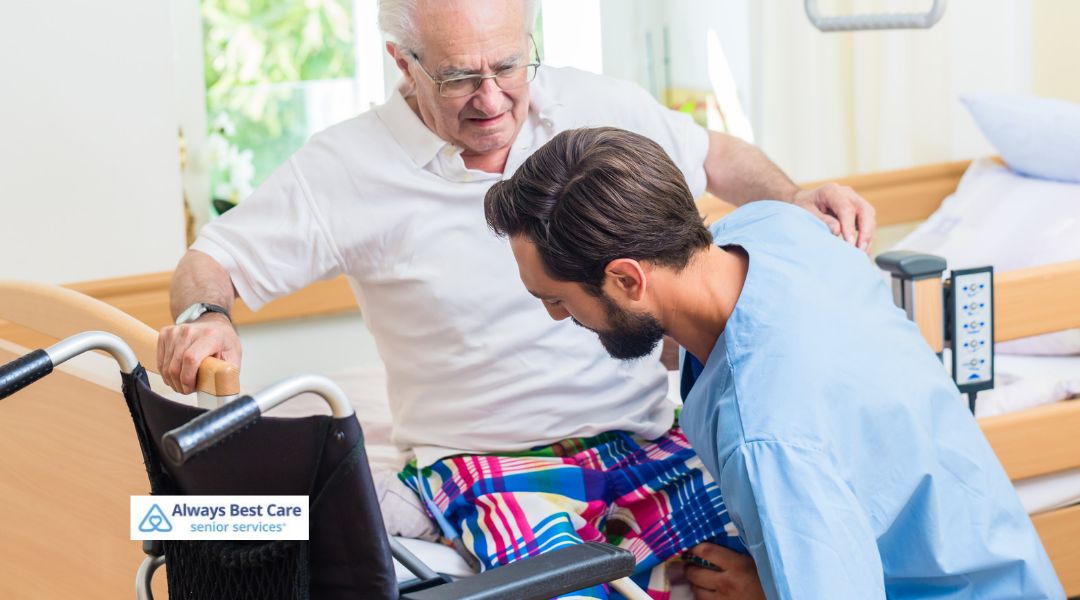
Support at Home Can Make the Days Smoother
After a stroke, day-to-day tasks can suddenly feel huge. Helpful support may include:
- Safe mobility and fall prevention
- Help with bathing, dressing, meals, and routines
- Medication reminders and organization
- Transportation to follow-ups and therapy
- Companionship and caregiver relief
Caregivers Need Backup Too
Caregiving can be a lot, full stop. If you’re feeling stretched thin, that’s not you failing. That’s the situation being heavy. Asking for help is smart planning, not drama.
Reducing Risk Going Forward
Common Risk Factors
Stroke risk is often tied to high blood pressure, high cholesterol, diabetes, smoking, certain heart rhythm issues, and inactivity. Many of these can be managed with consistent care.
Practical Habits That Don’t Feel Like a Punishment
A few low-key, realistic steps:
- Keep medical appointments and follow care plans
- Move daily in small doses (a walk, gentle stretching, light chores)
- Choose heart-friendly meals most days, not “perfect” meals every day
- Stay hydrated and get decent sleep
- Build calming routines that lower stress (music, breathing, short outdoor time)

Frequently Asked Questions
Q: What are the earliest stroke signs I should watch for?
A: Sudden face drooping, arm weakness, speech changes, balance trouble, and vision changes are common early warning signs.
Q: Should I call 911 if the symptoms seem mild?
A: Yes. Mild symptoms can still signal a stroke or TIA, and quick care can protect brain function.
Q: Can stroke symptoms come and go?
A: Yes. A TIA can cause symptoms that improve, but it still needs urgent medical evaluation.
Q: What information should I track during a suspected stroke?
A: Note when symptoms started or when the person was last known to be normal. Share that time with emergency responders.
Q: Can dehydration or low blood sugar look like a stroke?
A: They can mimic certain symptoms. Still, sudden one-sided weakness, facial droop, speech trouble, or vision changes should be treated as an emergency until proven otherwise.
Act fast on stroke warning signs
Don’t bargain with sudden symptoms. If you see red flags, call 911 and act quickly. Early Signs of Stroke in Rockville: Know the Red Flags and When to Seek Help isn’t about becoming a medical expert; it’s about recognizing the moment that matters and choosing safety over hesitation.
And if your family is facing recovery after a hospital stay, it’s okay to want steady support at home in Rockville.
The goal is a safer routine, less stress, and help that makes the days feel manageable again. Call Always Best Care of Rockville at (301) 637-0233 today to talk through your loved one’s needs and schedule a free care consultation.