

Blood Sugar Changes in Older Adults: Warning Signs Families Should Know in Roseville
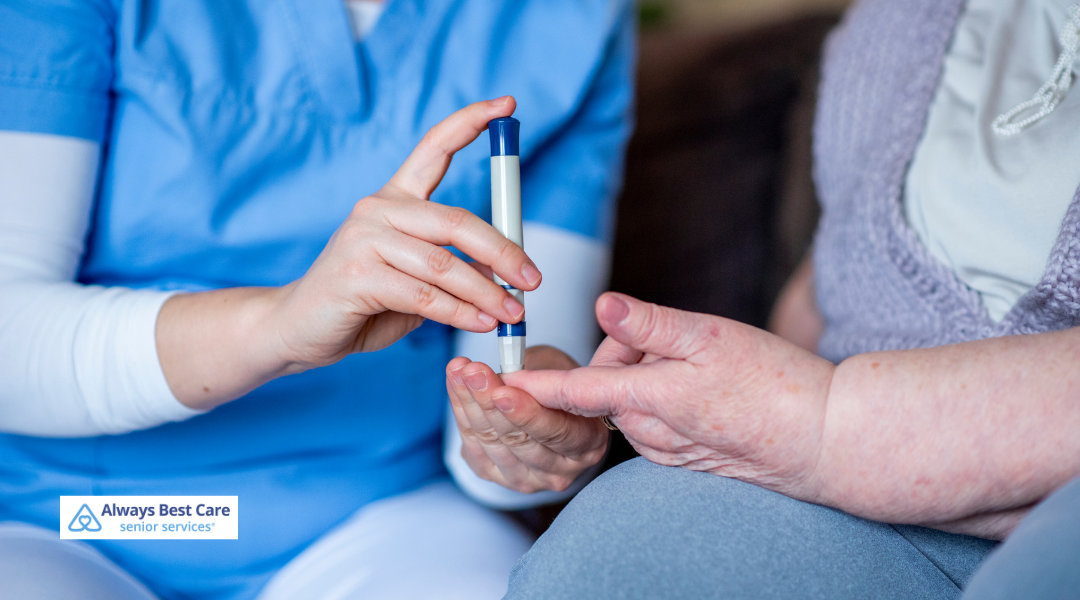
Blood sugar has a funny way of changing just when we think everything’s under control. For older adults in Roseville living with diabetes, small shifts in health, appetite, or daily habits can suddenly throw blood sugar out of balance. And that’s where families, and us at Always Best Care of Roseville, really matter.
In this guide, we’ll talk through the warning signs of blood sugar changes, why diabetes can be trickier as people grow older, and how everyday support can help keep life on a steadier track.
What You Will Learn
- Why blood sugar can become more difficult to manage as adults grow older.
- How to recognize possible warning signs of low and high blood sugar in a loved one.
- Which everyday habits can help older adults maintain steadier diabetes routines at home.
- When memory, mobility, or changing routines may mean a senior could benefit from extra support in Roseville.
Table of Contents
Why Blood Sugar Gets Harder to Manage with Age
As people age, diabetes often comes bundled with other health challenges and medications. That mix can make blood sugar less predictable.
Common reasons blood sugar changes more with age include:
- Changes in kidney function, which affect how the body handles medications and sugar
- Shifts in appetite, such as eating less during illness or forgetting meals
- Reduced movement or activity, meaning the body uses glucose differently
- Memory changes, leading to missed pills, skipped snacks, or extra doses
- New or changing daily routines, like sleeping more or going out less
It may not feel like a big deal if a senior has “just a light lunch” or forgets an evening snack, but over time, those little changes can cause big swings in blood sugar.

Recognizing Low Blood Sugar in Older Adults
Low blood sugar—also called hypoglycemia—happens when there isn’t enough glucose in the blood. It can hit fast and unexpectedly, so families in Roseville need to know the signs.
Low blood sugar can be linked to:
- Eating too little or skipping meals
- Taking diabetes medications without enough food
- Sudden increases in physical activity
- Illness or changes in other medications
Common Warning Signs of Low Blood Sugar
Watch for sudden changes, especially if they don’t fit your loved one’s usual behavior. Signs may include:
- Shaking or sweating
- Dizziness or feeling faint
- Strong hunger that appears out of nowhere
- Headache
- Irritability, nervousness, or unusual mood changes
- Trouble concentrating or staying on task
- Confusion or “foggy” thinking
- Clumsy movements or poor coordination
In older adults, it’s easy to shrug off confusion or weakness as “just getting older.” But if those symptoms come on quickly, they may point to low blood sugar.
Severe low blood sugar can cause seizures or make someone pass out. That’s an emergency, and 911 should be called right away.

Recognizing High Blood Sugar in Older Adults
High blood sugar—known as hyperglycemia—usually builds more slowly. That’s why it can slip under the radar until it’s already causing problems.
High blood sugar can be tied to:
- Eating more sweets or starches than usual
- Missing diabetes medications or taking them late
- Stress, infections, or other illnesses
- Lack of physical activity
Common Warning Signs of High Blood Sugar
Families should pay attention to subtle changes that keep hanging around. Symptoms may include:
- Feeling very thirsty
- Going to the bathroom more often
- Blurred or fuzzy vision
- Ongoing tiredness or weakness
- Frequent headaches
- Unexpected weight loss
- Cuts and scrapes that heal very slowly
If blood sugar stays high for a long time, it can cause lasting damage to the eyes, kidneys, nerves, heart, and blood vessels.
Very high blood sugar can also turn dangerous quickly. If a senior has major confusion, severe weakness, trouble breathing, or passes out, emergency care is needed right away.

Blood Sugar Changes in Older Adults: Warning Signs Families Should Know in Roseville
Families don’t need medical training to help spot blood sugar changes. Often, the biggest clues come from noticing what’s different from the senior’s usual day-to-day life.
Ask yourself:
- Has their energy level changed suddenly?
- Are they drinking a lot more water than usual?
- Is there a big change in bathroom visits?
- Do they seem more confused or unsteady than they usually are?
Small shifts in routine can hint that blood sugar is too high or too low. It’s better to check and be wrong than ignore a change and regret it later.
For seniors with diabetes, families can ask the healthcare provider:
- What blood sugar range is safest?
- How often should blood sugar be checked?
- Which symptoms mean we should call the doctor?
- What signs count as an emergency?
Having clear answers makes it easier to act quickly and confidently when something seems off.
Consistent Habits Make Diabetes Easier to Handle
Routine may not sound exciting, but for seniors with diabetes, it’s pure gold. Simple, steady habits can help keep blood sugar closer to the target range recommended by the doctor.
Helpful daily routines can include:
- Eating meals and snacks on a regular schedule
- Taking diabetes medications exactly as prescribed
- Checking blood sugar as directed by the healthcare provider
- Drinking enough water throughout the day
- Doing safe, appropriate physical activity
- Attending regular medical appointments
Families should also share a full list of medications and supplements with the doctor or pharmacist, since changes in one treatment can unexpectedly affect blood sugar.

When Memory or Mobility Problems Complicate Diabetes Care in Roseville
Managing diabetes is a lot to remember: checking blood sugar, planning meals, taking pills or insulin, and keeping appointments. If memory starts to fade, those tasks can become overwhelming.
Physical challenges add another layer:
- Arthritis or hand weakness can make testing blood sugar harder
- Vision changes can turn medication labels into a blur
- Tremors or balance problems can make cooking and walking risky
These are often signs that the senior could use more help at home. That’s where we at Always Best Care of Roseville step in.
How Always Best Care of Roseville Can Help
Living with diabetes isn’t only about numbers on a meter. It’s about feeling steady, supported, and safe.
We at Always Best Care of Roseville can help older adults in Roseville with:
- Preparing balanced meals that fit diabetes-friendly guidelines
- Gentle medication reminders to keep timing on track
- Encouraging hydration and safe movement
- Providing rides to appointments so important checkups aren’t missed
- Watching for changes in mood, behavior, or energy and sharing concerns with family and healthcare providers
For seniors who qualify for home health services, trained healthcare professionals can add another layer of support, following the doctor’s care plan closely.
Our goal is simple: help seniors stay safer at home, feel more confident, and maintain as much independence as possible.

Helping Your Loved One Stay Safe with Diabetes in Roseville
Blood sugar can shift quicklyand older adults may not always notice subtle warning signs. With families staying involved and us at Always Best Care of Roseville providing day-to-day support, seniors don’t have to face diabetes alone.
Frequently Asked Questions
Q: How often should older adults with diabetes check their blood sugar?
That depends on the care plan set by the healthcare provider. Some seniors check several times a day, while others may only need occasional checks. It’s best to follow the doctor’s specific guidance.
Q: Are blood sugar changes always a sign of an emergency?
Not always, but sudden confusion, passing out, severe weakness, or major breathing problems can point to dangerously high or low blood sugar and should be treated as an emergency.
Q: What can families do if a senior keeps forgetting diabetes medications?
Families can use pill organizers, reminder notes, phone alarms, or caregiver support from us at Always Best Care of Roseville to help keep medications on schedule.
Q: Can small changes in a senior’s routine really affect blood sugar?
Yes. Skipped snacks, extra naps, new medications, or less activity can all affect blood sugar levels, especially in older adults.
Q: How can Always Best Care of Roseville support seniors with diabetes?
We can help with meal preparation, medication reminders, hydration, safe activity, transportation to appointments, and monitoring day-to-day changes that families and healthcare providers should know about.

Steadier Days Start With Caring Support
Diabetes management can feel like a lot for older adults and the families who love them, but no one has to handle it alone. At Always Best Care of Roseville, we’re here to help create safer routines, encourage independence, and bring peace of mind to everyday life.
If your loved one in Roseville has diabetes and could use more help at home, we’re here to lend a hand. Contact Always Best Care of Roseville at (916) 266-6453 for a care consultation to talk through how we can support safer routines, greater independence, and a better quality of life.
Link to the Markdown File version of the article