Preparing Seniors for the End of Daylight Saving Time in Roseville

Daylight saving time ends on Sunday, November 1, 2026, when clocks move back one hour. Although gaining an hour of sleep sounds helpful, the shift can unsettle older adults who rely on steady routines.
Earlier sunsets may affect sleep, meals, medication reminders, driving, mobility, and social activities. With a little preparation, families can help seniors remain comfortable, confident, and safe as fall settles in.
What you will learn:
- How to help your loved one adjust sleep routines and review medication reminders.
- Ways to improve home lighting, reduce fall hazards, and plan for safer travel.
- How daytime activities and companionship can keep shorter days enjoyable.
- How Always Best Care of Roseville can support everyday comfort and independence.
Table of Contents
Adjust Sleep Habits Gradually
Older adults often sleep and wake earlier than they did when they were younger. A regular bedtime and wake-up schedule can help keep the body’s internal clock steady.
A few days before the time change, try moving bedtime and morning routines by about 15 minutes. Small steps are easier to manage than a sudden one-hour adjustment.
Helpful habits include:
- Open the curtains soon after waking.
- Spend time outdoors during daylight.
- Keep meals and activities on a familiar schedule.
- Limit long or late-afternoon naps.
- Keep the bedroom quiet, comfortable, and free from bright screens at bedtime.
A consistent routine may help the new schedule feel less jarring.

Review Medication Reminders
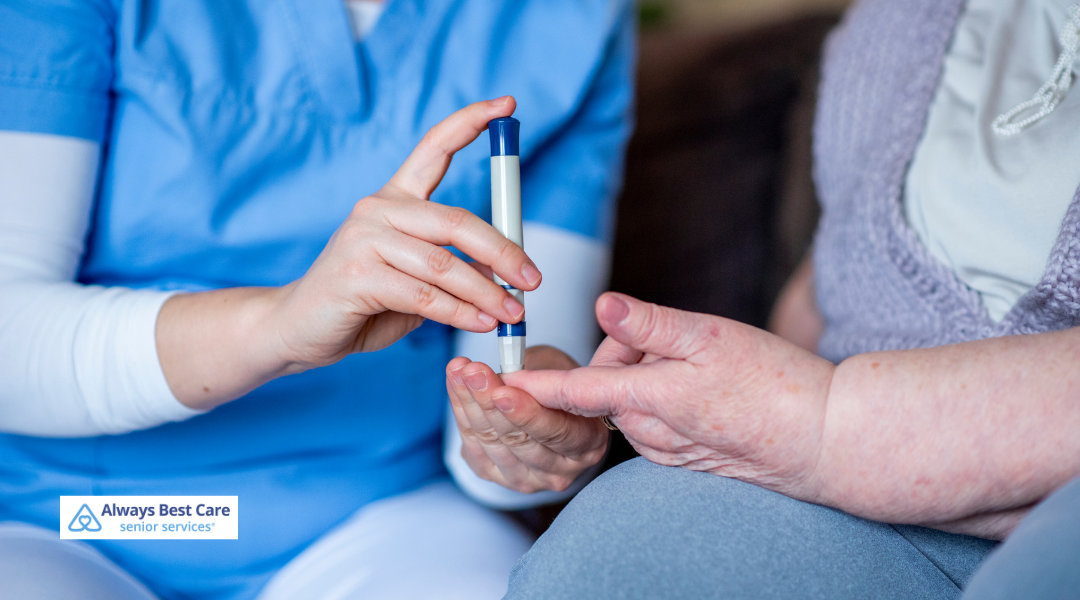
Many seniors take medication around breakfast, dinner, or bedtime. For most prescriptions, a one-hour clock change won’t cause a problem, but timing can matter for some medicines.
Before the clocks change, check the medication list, pill organizer, and reminder system. Don’t alter prescription timing without asking the prescribing clinician or pharmacist first.
A caregiver can also confirm that refills are available and that emergency contact information is current.
Improve Lighting Before Sunset
In Roseville, earlier darkness can make familiar rooms feel less safe. Dim hallways, stairs, bathrooms, and entryways may increase the chance of a stumble.
Walk through the home in the late afternoon and look for shadowy areas. Consider:
- Installing brighter bulbs where needed.
- Placing nightlights along bedroom-to-bathroom routes.
- Keeping light switches easy to reach.
- Adding secure handrails on stairs.
- Removing loose rugs, cords, and clutter.
- Improving lighting near entrances and outdoor walkways.
The CDC recommends removing trip hazards, brightening homes, and adding bathroom grab bars and stair railings to support safer movement.

Rethink Evening Driving
Earlier sunsets can make driving more challenging. Glare from headlights, reduced contrast, and difficulty seeing pedestrians or road markings may turn a familiar route into a stressful one.
If night driving no longer feels comfortable, schedule appointments and errands earlier whenever possible. Family members, friends, community transportation, or professional caregivers may help with rides.
This isn’t about taking away independence. It’s about choosing safer times and routes.
Watch for Fall Hazards
Fallen leaves can hide uneven pavement, steps, and wet surfaces. Inside the house, poor lighting may make furniture, cords, and small objects harder to notice.
Encourage seniors to:
- Wear supportive, well-fitting shoes.
- Use handrails on stairs.
- Keep pathways clear.
- Slow down instead of rushing to the phone or bathroom.
- Ask for help with outdoor chores or unfamiliar areas.
Fear of falling deserves attention, too. If a loved one begins avoiding normal activities after dark, offer practical support rather than brushing off the concern.

Keep Days Active and Social
Earlier darkness can quietly shrink a senior’s world. Outings may end sooner, and visits with friends may become less frequent.
Plan enjoyable daytime activities such as a walk, hobby, coffee with a friend, or family visit. Regular phone calls and scheduled check-ins can add structure and companionship.
At Always Best Care of Roseville, we support seniors with companionship, transportation, medication reminders, and everyday routines. We work with families to provide dependable help while older adults continue living at home.
Frequently Asked Questions
Q: When does daylight saving time end in 2026?
A: It ends on Sunday, November 1, 2026. At 2:00 a.m., clocks move back to 1:00 a.m.
Q: Should medication times change after the clocks go back?
A: Not automatically. Ask a doctor or pharmacist before changing medication schedules, particularly when exact timing is important.
Q: How can seniors sleep better after the time change?
A: Keep consistent sleep and wake times, get morning daylight, avoid late naps, and maintain familiar meal and activity routines.
Q: What should families do if a senior is uncomfortable driving after dark?
A: Arrange errands and appointments during daylight, or consider rides from relatives, friends, transportation services, or caregivers.

Turn Back the Clocks, Keep the Days Bright
A little preparation can help your loved one welcome the seasonal change with greater comfort and confidence. Familiar routines, brighter spaces, and time with family and friends can make earlier evenings feel more manageable while supporting independence at home.
For personalized help with companionship, transportation, medication reminders, and daily routines, reach out to Always Best Care of Roseville at (916) 266-6453 to schedule a care consultation.
Link to the Markdown File version of the article