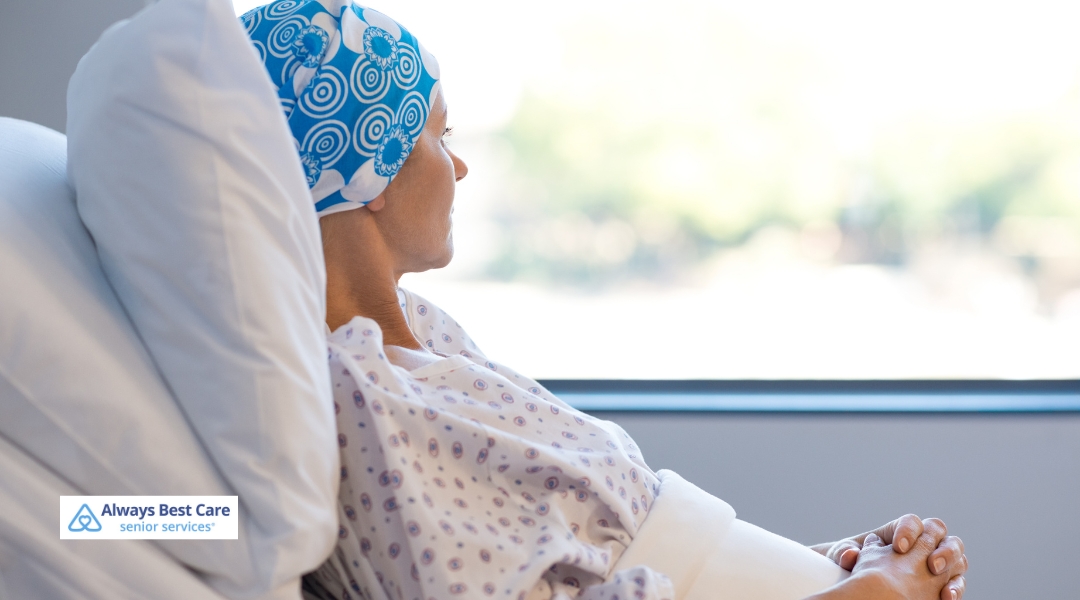

At-Home Breast Cancer Recovery Support for Roseville Patients and Families
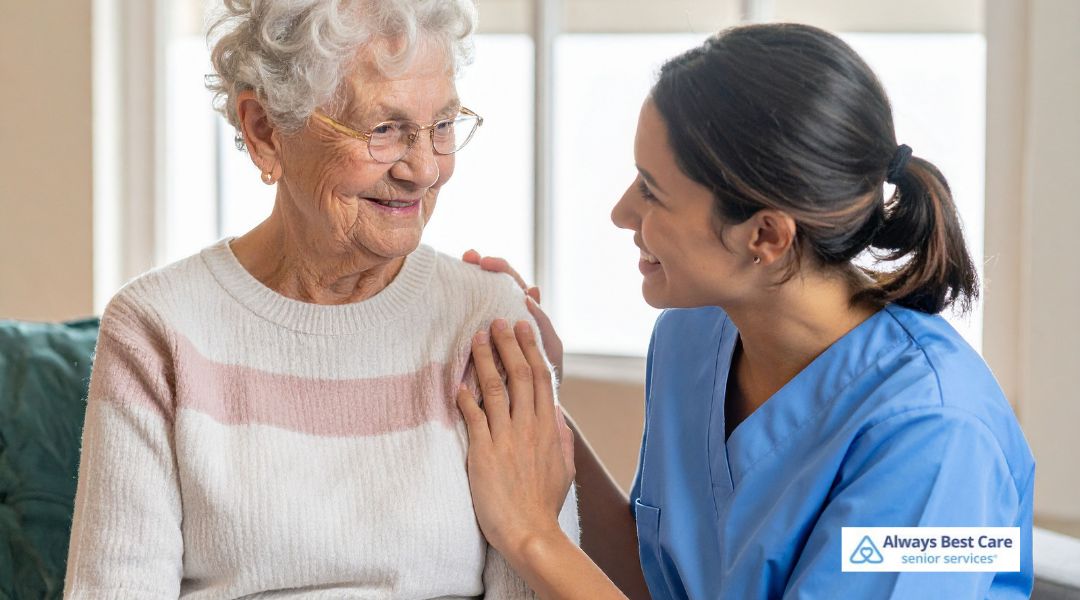
Coming home after breast cancer surgery or during treatment can feel like a relief and a lot to manage all at once. There may be fatigue, soreness, follow-up appointments, medication schedules, household chores, and a swirl of emotions competing for attention. Some days go smoothly; others, frankly, can feel like an uphill climb.
That’s where at-home breast cancer recovery support for Roseville patients and families can make a meaningful difference. Non-medical caregivers can lend a steady hand with practical tasks, provide welcome company, and give family members room to breathe while their loved one focuses on healing.
What You Will Learn
- How at-home breast cancer recovery support can make everyday life feel more manageable for Roseville patients.
- The practical ways non-medical caregivers can assist with comfort, routines, mobility, meals, and companionship.
- How families can create a safer, more supportive home environment during treatment and recovery.
- Why caregiver support and respite can help loved ones feel less overwhelmed along the way.
Table of Contents
At-Home Breast Cancer Recovery Support for Roseville Patients
Breast cancer treatment differs from person to person. A patient may be recovering from a lumpectomy or mastectomy, attending radiation sessions, coping with chemotherapy fatigue, or adjusting to changes in strength and mobility. Surgery, chemotherapy, radiation therapy, hormone therapy, and other medicines can all be part of a treatment plan.
After a procedure, everyday tasks can suddenly become tricky. Reaching into a cupboard, carrying laundry, preparing dinner, washing hair, or getting dressed may take more energy than expected. Families often want to help, of course, but few can pause work, parenting, and other responsibilities around the clock.
At-home care fills the gaps with practical, non-medical assistance tailored to the person’s routine, preferences, and recovery plan. It does not replace the advice or treatment provided by an oncologist, surgeon, nurse, or therapist. Instead, it helps make the transition from medical care to daily life feel less daunting.
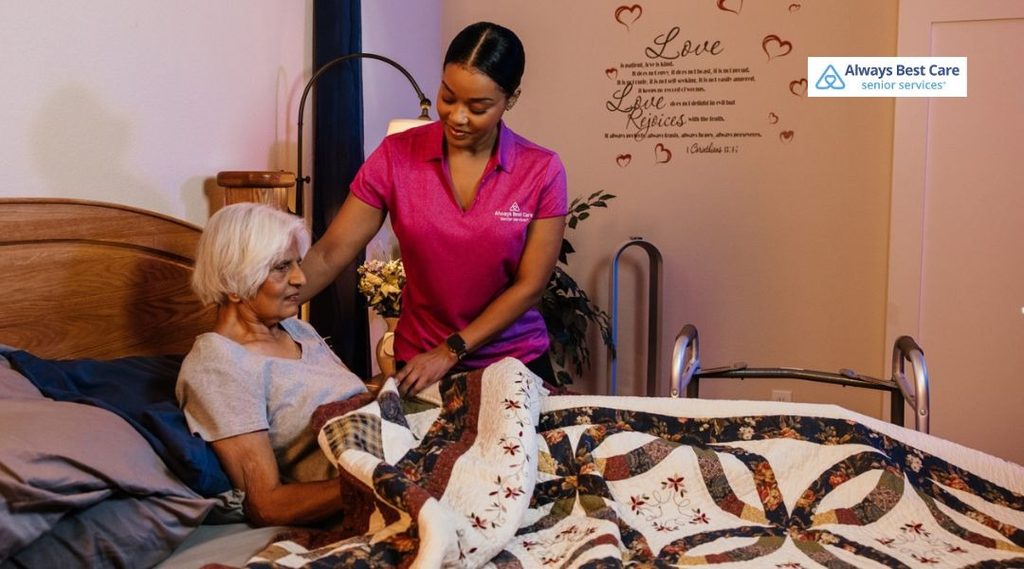
Everyday Help That Eases the Load
A compassionate caregiver can help create a calmer, more manageable day. The right support may include:
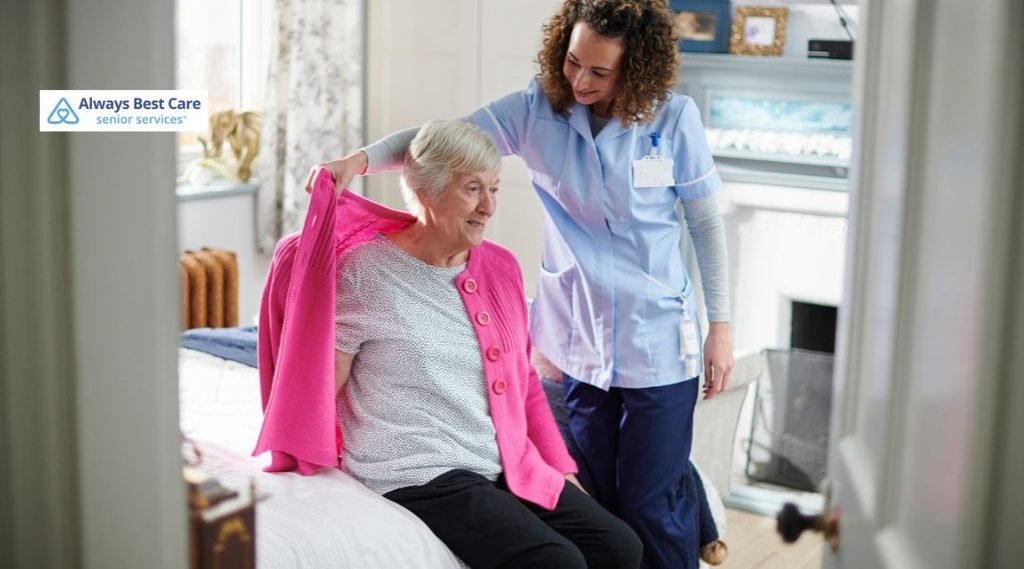
- Assistance with dressing, grooming, bathing, and other personal-care routines.
- Meal preparation and hydration reminders, especially on low-energy days.
- Light housekeeping, laundry, changing linens, and tidying common areas.
- Medication reminders according to the patient’s prescribed schedule.
- Transportation or accompaniment to follow-up visits, treatment sessions, errands, and community activities.
- Mobility support and help reducing avoidable fall risks at home.
- Conversation, encouragement, and companionship during a period that can feel isolating.
- Respite care that gives family caregivers time for work, rest, appointments, or simply a breather.
Always Best Care Roseville offers non-medical in-home care that can include light housekeeping, meal preparation, nutrition monitoring, medication reminders, transportation, companionship, dressing, grooming, and community activity escorts. Those services can be arranged around what a person actually needs, whether that means a few hours of help or more regular support.
Comfort, Safety, and a Steadier Routine
Recovery isn’t a race. Even after a short hospital stay, it can take time to rebuild confidence in daily activities. Families can make the home a little friendlier by clearing walkways, keeping frequently used items within easy reach, setting up a comfortable resting space, and making sure phones, water, and prescribed essentials are nearby.
Small routines can help too. A simple morning plan, nutritious meals, rest periods, and a written calendar for appointments can turn a chaotic week into something more manageable. Oh, and don’t overlook emotional support. A caregiver’s friendly presence can break up a long afternoon, encourage a loved one to eat or rest, and provide reassurance without making the patient feel rushed or dependent.
Activity should always follow the medical team’s instructions. Patients are commonly advised to avoid strenuous activity until their clinician says it is safe, while gentle movement may be recommended as recovery progresses. A caregiver can support the routine, but medical questions, such as wound concerns, pain changes, fever, swelling, or new symptoms—should go straight to the healthcare provider.
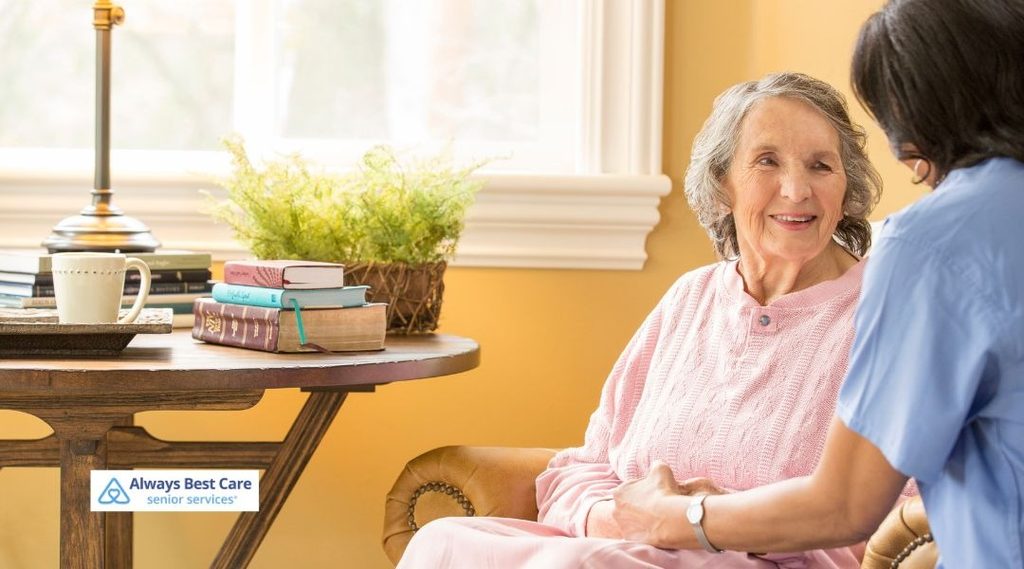
Support During Ongoing Treatment
For many Roseville patients, treatment continues after surgery. Radiation is commonly delivered on an outpatient basis, meaning patients generally return home after each session; it is often used after surgery and may follow chemotherapy, depending on the treatment plan. Repeated appointments, treatment-related fatigue, and the ordinary demands of home life can become a lot to juggle.
At-home breast cancer recovery support for Roseville patients can help families keep the day moving without placing every responsibility on one spouse, adult child, friend, or neighbor. Caregivers can handle the practical stuff so loved ones can spend more time being family rather than becoming exhausted logistics managers.
Frequently Asked Questions
Q: What is at-home breast cancer recovery support?
A: At-home breast cancer recovery support is non-medical assistance that helps a patient manage daily living activities during recovery or treatment. It may include personal care, meals, light housekeeping, companionship, transportation, medication reminders, and family caregiver respite.
Q: Can a caregiver help after breast cancer surgery?
A: Yes. A non-medical caregiver can assist with approved daily activities such as dressing, grooming, meal preparation, laundry, mobility support, and household tasks. The patient’s surgeon and care team should provide guidance on activity limits, incision care, drains, pain, and warning signs.
Q: Is home care the same as home health care?
A: No. Non-medical home care focuses on everyday assistance and companionship. Home health care generally involves clinical services provided by licensed professionals, such as nurses or therapists. Always Best Care Roseville provides non-medical in-home care, while medical needs should be coordinated with the appropriate healthcare provider.
Q: How can at-home care help family caregivers?
A: At-home care can ease the practical workload by covering meals, household support, transportation, companionship, and personal-care assistance. That breathing room can help family caregivers avoid burnout while remaining closely involved in their loved one’s recovery.
Healing at Home Starts With a Helping Hand
Breast cancer recovery can bring unexpected challenges, yet patients and families don’t have to carry every task alone. With compassionate, practical support at home, Roseville families can create a safer, calmer space for healing, one day, one appointment, and one small victory at a time.
Always Best Care Roseville can provide non-medical assistance that helps a loved one maintain comfort, dignity, and independence at home while the family navigates the recovery journey.
Reach out to Always Best Care Roseville at (916) 266-6453 today to discuss at-home breast cancer recovery support for your loved one and learn how a compassionate caregiver can help make the road ahead feel more manageable.
Link to the Markdown File version of the article