
A Safer, Softer Place to Live: Building a Dementia-Friendly Home Environment in Roseville

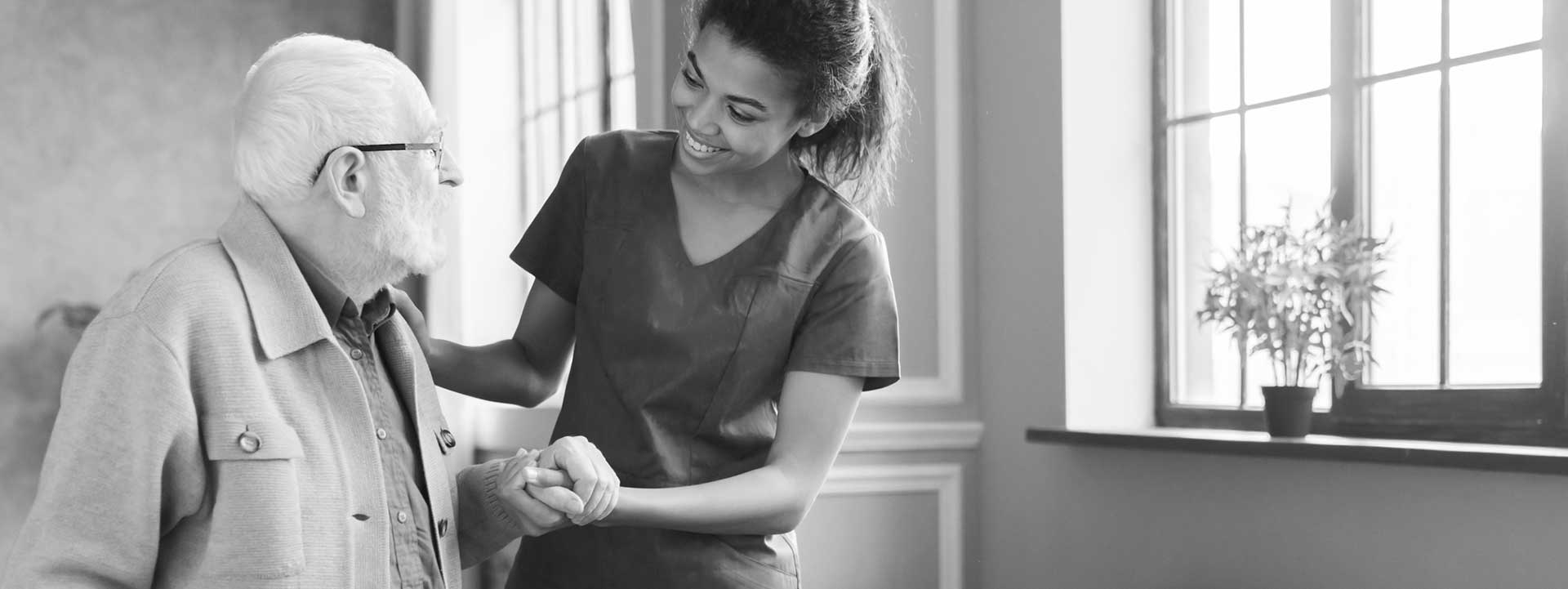
Home is more than four walls and a roof. It’s where favorite memories live, routines make sense, and the coffee cup is right where it ought to be. For a senior living with dementia, familiar surroundings can offer real comfort, but everyday spaces may need a few thoughtful changes as memory, judgment, vision, and mobility change.
Building a Dementia-Friendly Home Environment in Roseville doesn’t mean turning a beloved home into a hospital room. Far from it. It means making practical adjustments that reduce hazards, ease confusion, and help a loved one feel secure in their own space.
What You Will Learn
- How familiar surroundings, simple routines, and clear visual cues can help a loved one with dementia feel more comfortable at home.
- Practical ways to improve safety in key areas, including walkways, bathrooms, bedrooms, kitchens, and outdoor spaces.
- How to reduce wandering risks and prepare the home for everyday emergencies with greater peace of mind.
- When compassionate in-home support may help Roseville families balance safety, independence, and caregiver well-being.
Table of Contents
Start With a Calm, Familiar Setting
A cluttered, noisy room can feel overwhelming. By keeping the home tidy, well lit, and easy to navigate, families can create a more peaceful daily environment. Familiar family photographs, favorite furniture, and treasured decorations may offer reassurance, while too many patterns, objects, or competing sounds can be distracting.
Try keeping commonly used items in the same places. Glasses, a phone, toiletries, and favorite blankets shouldn’t play hide-and-seek every day. A consistent setup can make ordinary routines feel less frustrating.
The National Institute on Aging recommends reducing clutter and noise while keeping well-loved items, such as photographs, around the home to create a comforting setting.
Brighten Pathways and Prevent Falls
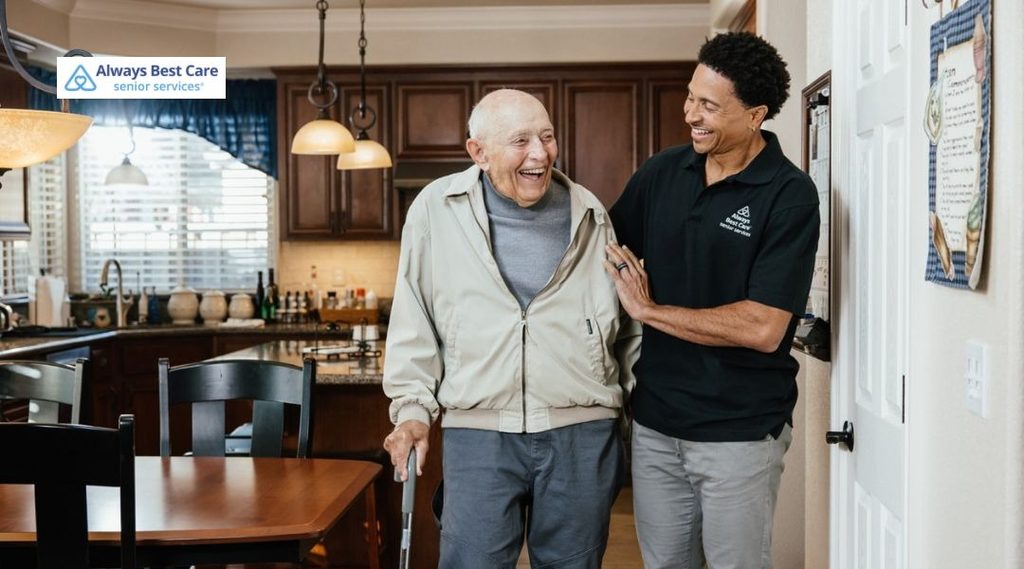
A safer home often starts underfoot. Loose rugs, electrical cords, crowded walkways, and dim hallways can create trouble in a hurry, especially for someone who may have balance changes or difficulty judging depth.
Focus on the routes a senior uses most, including the path from the bedroom to the bathroom, the kitchen to the living room, and the front door to the driveway. Clear these areas of obstacles and make sure lighting is bright enough to see changes in flooring or steps.
A few sensible updates can go a long way:
- Remove loose area rugs or secure them firmly to the floor.
- Add non-slip strips to wet surfaces.
- Install grab bars near the toilet and in the shower or bathtub.
- Use night-lights in hallways, bathrooms, and bedrooms.
- Keep stairs, entrances, and outdoor paths well lit.
- Choose sturdy chairs with armrests to make sitting and standing easier.
Good lighting, grab bars, non-slip surfaces, and secured carpets are among the home-safety measures recommended for older adults to reduce fall risk.
Make Everyday Rooms Easier to Use
Create a Safer Kitchen
The kitchen is often the heart of the home, though it can also be a tricky spot. Keep countertops simple, store sharp utensils and cleaning products out of reach or in locked cabinets, and remove spoiled food regularly. Small appliances, alcohol, medications, and matches also deserve secure storage.
For some families, stove knob covers, automatic shut-off devices, or unplugging appliances when they are not in use can offer added peace of mind. Keep frequently used dishes and snacks in easy-to-reach places so a loved one can participate safely in familiar routines.
Add Support in the Bathroom
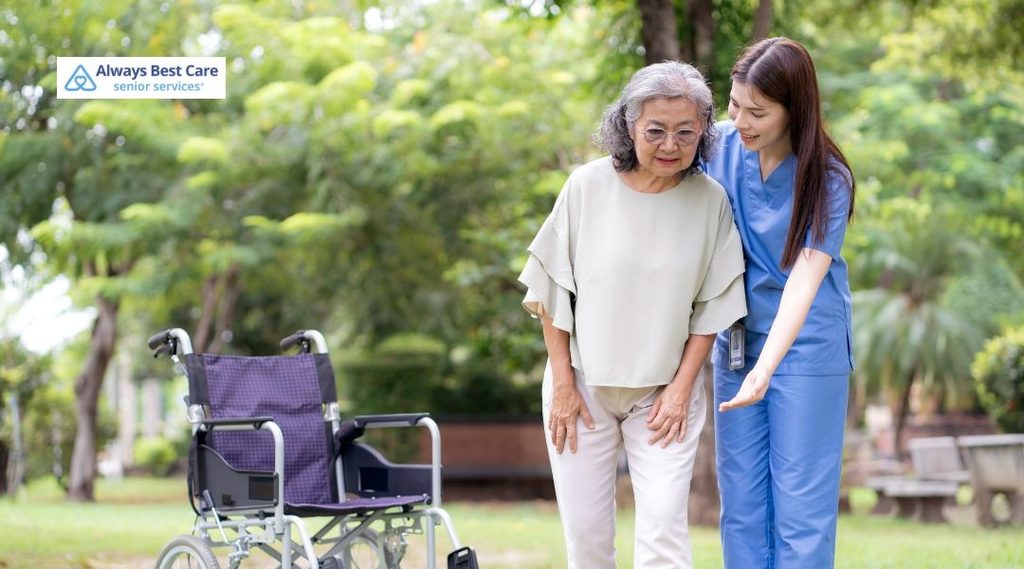
Bathrooms need steady footing and clear visibility. Grab bars, a shower chair, a hand-held showerhead, and non-slip mats can help make bathing safer and less stressful. Keep toiletries visible and easy to identify, rather than tucked away in a jumble of drawers.
Check water temperature, too. Hot water can cause burns before a person recognizes the danger, so a safe water-temperature setting and caregiver supervision may be important.
Support Restful Bedrooms
A bedroom should feel restful, not confusing. Place a lamp or motion-sensor night light near the bed, keep a clear route to the bathroom, and organize clothing into simple categories. A favorite quilt, familiar clock, or family photo can add a comforting touch.
Use Simple Visual Cues
Sometimes a small reminder can save a whole lot of frustration. Large-print labels, easy-to-understand words, or pictures on doors and drawers can help a person recognize the bathroom, bedroom, kitchen, or clothing storage.
Keep labels brief and use high-contrast colors that are easy to see. A label reading “Bathroom” with a simple image may be more helpful than a decorative sign. Likewise, placing a calendar, clock, and daily routine in a familiar spot can provide gentle orientation without making anyone feel tested.
The Alzheimer’s Association recommends labeling doors with signs or symbols that identify each room’s purpose, which can help make the home easier to understand and navigate.
Plan Ahead for Wandering
Wandering can happen for many reasons, including confusion, boredom, searching for something familiar, or a desire to follow an old routine. It’s worth having a plan before a concern becomes an emergency.
Keep exterior doors secured, but never lock a person inside the home. Consider door alarms, smart doorbells, or pressure mats that signal movement. Store keys, coats, bags, and shoes out of sight if they trigger an urge to leave. If outdoor time is enjoyable, a secure yard, fenced patio, or supervised walk can provide a safer outlet.
Recommended wandering precautions include locks placed high or low and out of direct view, door alarms, secured outdoor spaces, and accessible emergency keys. A senior with a history of wandering should not be left unattended.
Building a Dementia-Friendly Home Environment in Roseville With Support
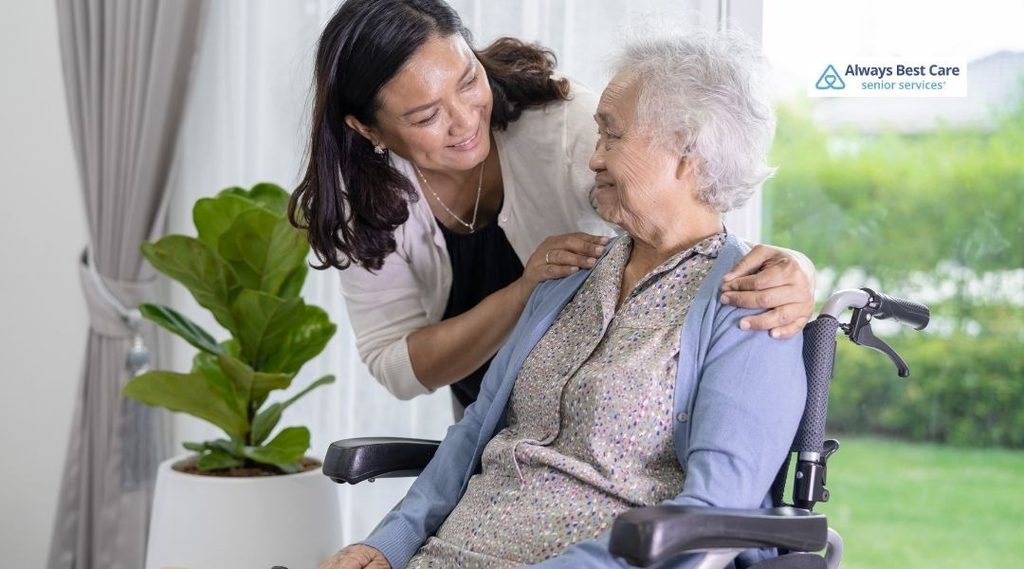
Family caregivers juggle plenty, and there’s no shame in needing another set of hands. As dementia progresses, a loved one may need more help with routines, meals, personal care, mobility, companionship, or supervision. That’s where in-home care can make daily life feel more manageable.
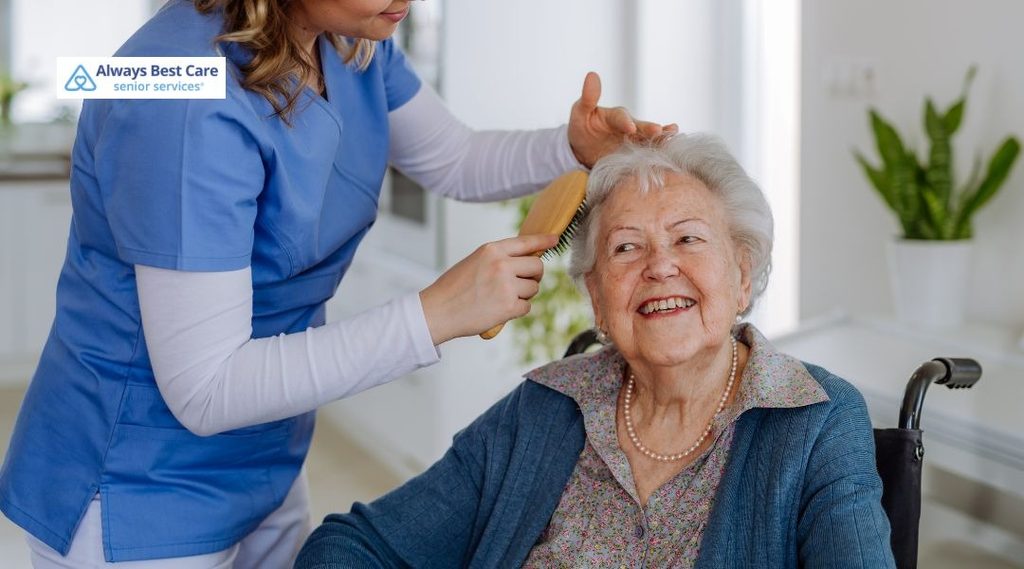
Always Best Care Roseville can provide compassionate, personalized support that fits a senior’s needs and preferences. A caregiver can offer friendly companionship, help with daily activities, support routines, and give family caregivers time to recharge. Sometimes, a little breathing room makes all the difference.
Frequently Asked Questions
Q: What is a dementia-friendly home environment?
A: A dementia-friendly home environment is arranged to support safety, comfort, orientation, and independence for a person living with dementia. It typically includes clear pathways, good lighting, familiar items, simplified spaces, visual cues, and secure storage for hazardous products.
Q: How can I make a home safer for someone with dementia?
A: Start by removing trip hazards, improving lighting, adding grab bars in bathrooms, securing medications and cleaning supplies, and keeping frequently used items in predictable places. Review each room regularly because care needs and safety risks can change over time.
Q: Should doors be locked for a senior with dementia?
A: Exterior doors may need added security if wandering is a concern, such as locks placed out of direct sight or door alarms. However, a person with dementia should never be locked inside the home. Keep emergency access available and create a safety plan with family members.
Q: When should a family consider in-home dementia care?
A: Consider in-home dementia care when a senior needs more regular supervision, help with daily routines, companionship, mobility support, or personal care. It can also help when family caregivers need consistent respite.
Make Home a Place of Comfort
Small changes can make a mighty difference. A brighter hallway, a safer bathroom, a labeled door, or a clear path through the living room may help a senior feel more confident and comfortable at home.
For families building a Dementia-Friendly Home Environment in Roseville, Always Best Care of Roseville is ready to help. Reach out today at (916) 266-6453 to discuss personalized in-home dementia care, dependable companionship, and support that helps your loved one continue enjoying the familiar comforts of home.
Link to the Markdown File version of the article