
How Companion Care Keeps Framingham Stroke Survivors Engaged and Motivated

After a stroke, life can feel as though someone shuffled the deck overnight. Activities that once filled the day, driving to meet a friend, cooking a favorite meal, attending a community event, or simply walking around the neighborhood, may suddenly take more energy and planning.
Recovery involves more than therapy appointments and medical follow-ups. A person’s mood, confidence, routine, and sense of connection matter, too. How Companion Care Keeps Framingham Stroke Survivors Engaged and Motivated is really about bringing more purpose, encouragement, and human connection back into everyday life.
A companion caregiver doesn’t replace a physician, nurse, or therapist. Instead, they can provide steady, non-medical support that helps a loved one remain involved in the routines and relationships that make each day feel worthwhile.
What You Will Learn
- How companion care can help stroke survivors stay socially connected and encouraged
- Why meaningful routines and favorite activities can support motivation during recovery
- Ways compassionate companionship can make safe outings and daily life feel more manageable
- How companion care can provide welcome support and breathing room for family caregivers
Table of Contents
The Social Side of Stroke Recovery
A stroke can affect movement, speech, memory, stamina, and confidence. Those changes can make socializing feel difficult. A survivor may worry about finding the right words, getting tired in public, needing help with mobility, or being seen differently by friends.
Before long, staying home can become the easier option. Yet isolation can take a toll. Research has found that social connection and engagement after stroke are associated with fewer depressive symptoms and fewer functional limitations. Depression is also a common experience after stroke, and treating it can improve mood, physical recovery, and quality of life.
Having a friendly face nearby can’t solve every challenge, of course. Still, a little conversation, a shared laugh, or a reason to get dressed in the morning can brighten the day more than people sometimes realize.
How Companion Care Keeps Framingham Stroke Survivors Engaged and Motivated
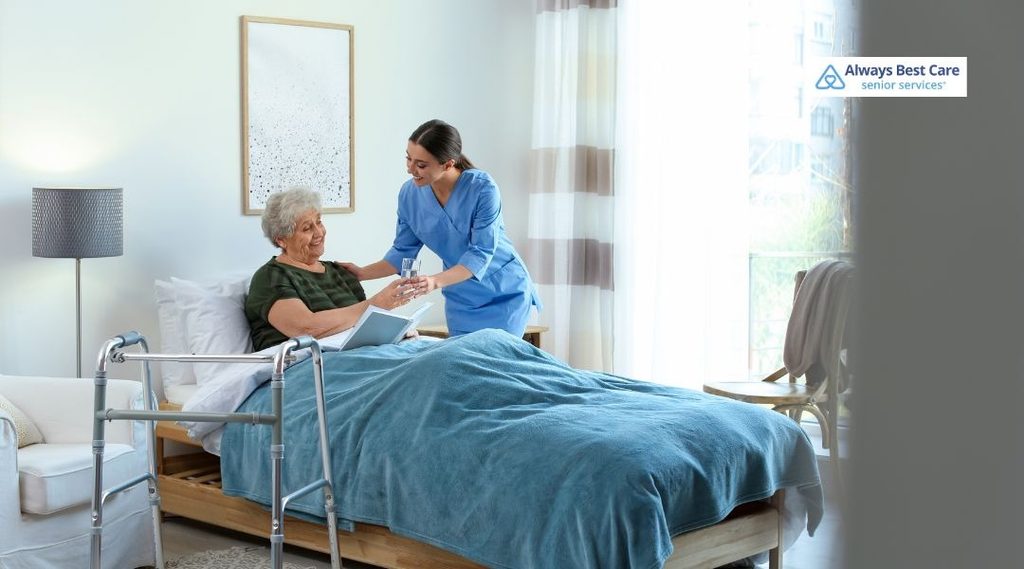
Companion care is built around connection. It gives a stroke survivor someone to talk with, share daily routines with, and enjoy simple activities alongside. No fanfare required—sometimes the small things are the big things.
Creating a More Purposeful Day
After a stroke, days may feel long or unstructured, especially for someone who has stepped away from work, driving, or regular social activities. A companion caregiver can help bring gentle rhythm back to the week.
That might include sharing breakfast, listening to old favorites, working on a puzzle, reading the newspaper, taking part in a hobby, or sitting outside on a pleasant Framingham afternoon. The goal is not to fill every minute. It is to create meaningful moments and reduce the feeling that each day is simply something to get through.
Offering Encouragement Without Pressure
Motivation after a stroke can come and go. On some days, a survivor may feel eager to participate. On others, fatigue can hit hard, and even a small task may seem like a mountain to climb.
A compassionate companion can offer reassurance without pushing too hard. They may encourage a person to follow their recommended routine, get ready for an appointment, practice a therapist-approved activity, or take a safe walk when appropriate. At the same time, they can respect rest periods and recognize that progress often happens one small step at a time.
Supporting Favorite Activities
A stroke doesn’t erase a person’s interests, humor, or personality. Companion care can help people reconnect with what makes them feel like themselves.
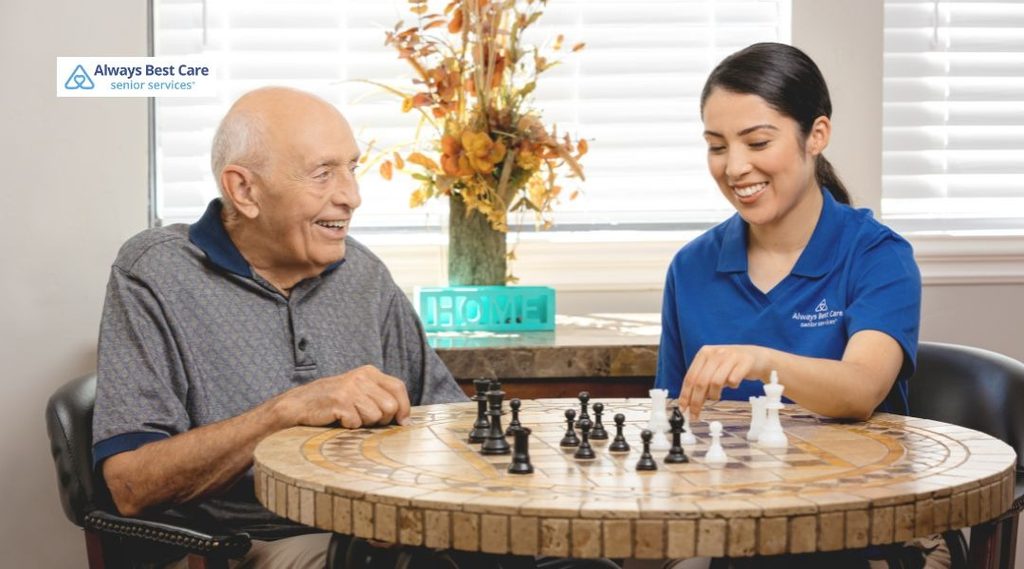
Depending on a person’s abilities and care plan, enjoyable activities may include:
- Listening to music, podcasts, or audiobooks
- Playing cards, doing puzzles, or watching favorite sports
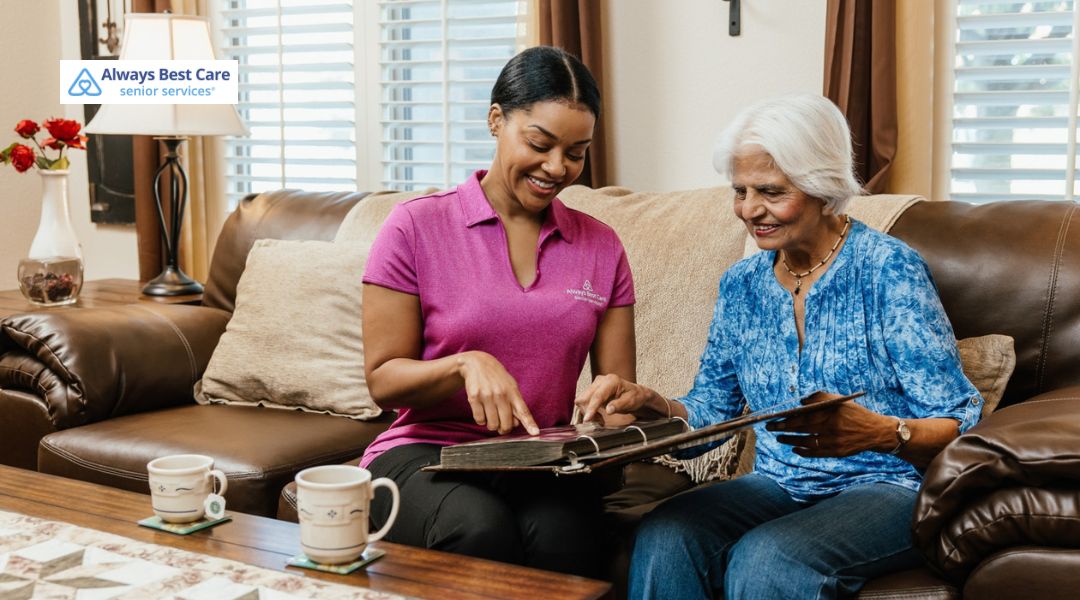
- Looking through family photographs and sharing stories
- Helping with simple meal preparation or baking
- Visiting a friend, library, place of worship, or nearby park
- Making phone calls or joining video chats with family
Activities should fit the survivor’s interests, energy level, mobility needs, and recommendations from their healthcare or rehabilitation team.
Staying Connected Beyond the Front Door
Getting out of the house can feel intimidating after a stroke, especially if mobility has changed. A companion caregiver can provide practical support for safe, planned outings, such as errands, appointments, visiting loved ones, or attending community activities.
Even a short outing can break up the routine. A trip to pick up groceries, enjoy fresh air, or share coffee with a friend may help a person feel connected to the world beyond their living room. Slow and steady is the name of the game.
Companion care may also support communication at home. For a survivor with aphasia or other speech changes, a caregiver can provide patient conversation, encourage use of communication tools recommended by a speech therapist, and help arrange low-pressure calls or visits with family and friends.
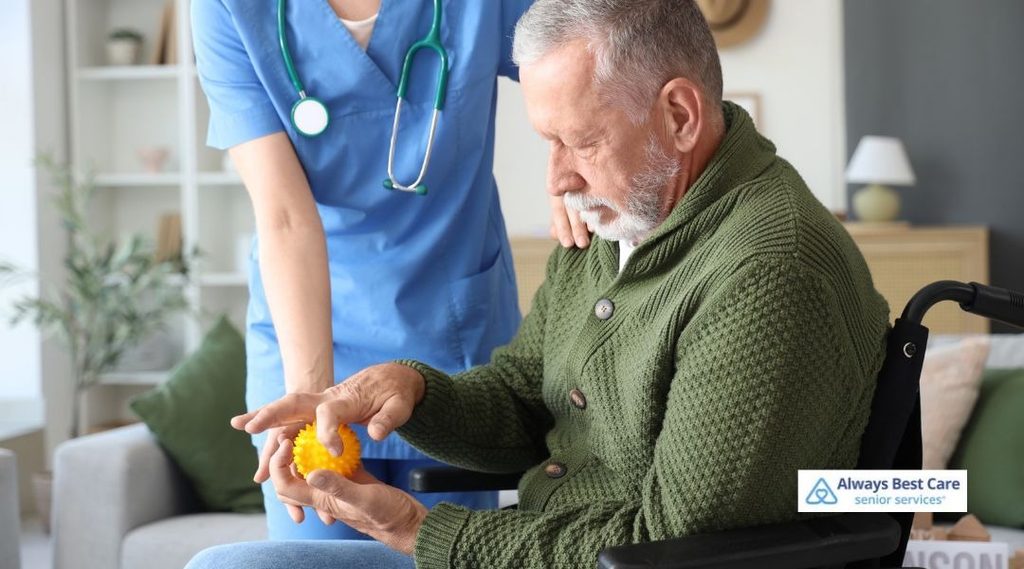
Helping Families Carry the Load
Family caregivers often wear many hats. They may coordinate appointments, manage meals, assist with personal care, handle household tasks, and worry about their loved one’s safety—all while juggling jobs and their own responsibilities. That’s a lot to carry.
Companion care can provide a reliable extra set of hands. It can give relatives time to rest, run errands, work, or simply take a breather, knowing their loved one has friendly and attentive support.
At Always Best Care of Framingham, companion care may include conversation, meal companionship, light housekeeping, errands, transportation support, medication reminders, and help with everyday routines. These services complement medical treatment and rehabilitation, rather than replacing professional clinical care.
Frequently Asked Questions
Q: What is companion care for stroke survivors?
A: Companion care is non-medical support that helps a stroke survivor remain socially engaged and comfortable at home. It may include conversation, shared activities, meal companionship, errands, transportation support, reminders, and assistance with daily routines.
Q: Can companion care improve motivation after a stroke?
A: Companion care may support motivation by providing routine, encouragement, and regular social interaction. A caregiver can help a survivor participate in enjoyable activities and follow a therapist-recommended daily schedule while respecting their pace and energy level.
Q: Can a companion caregiver take a stroke survivor on outings?
A: Yes, depending on the person’s care plan, mobility needs, and abilities. A caregiver may accompany a survivor to appointments, errands, social visits, or community activities while helping them move safely and comfortably.
Q: Does companion care replace physical therapy after a stroke?
A: No. Companion care does not replace physical therapy, occupational therapy, speech therapy, medical care, or skilled nursing. It supports day-to-day life alongside the clinical and rehabilitation plan.
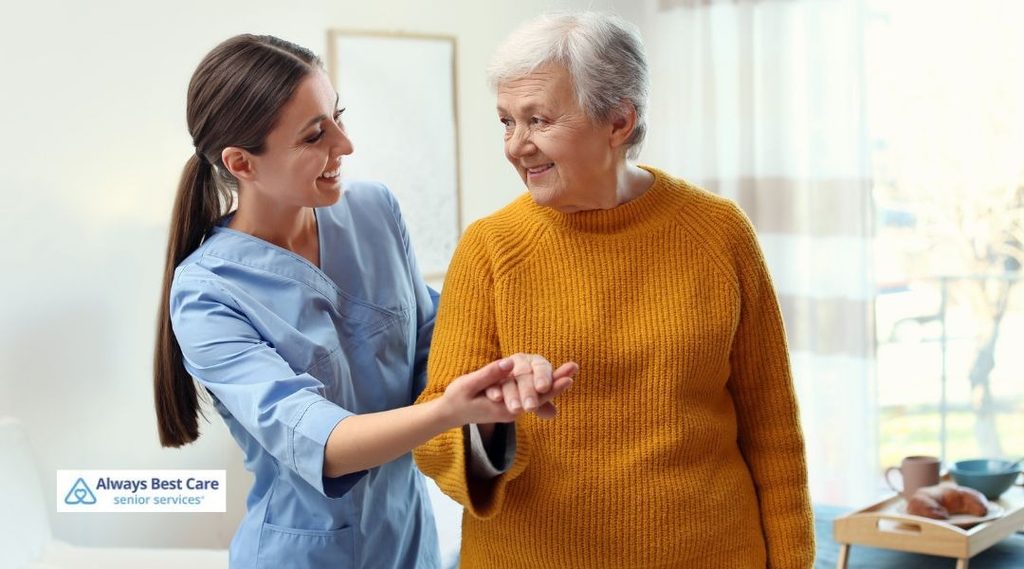
A Little Company Can Go a Long Way
Stroke recovery has its tough stretches, but no one should have to face every day alone. With warm conversation, a steady routine, gentle encouragement, and help staying connected, companion care can make home life feel less isolating and more hopeful.
For families seeking compassionate support, Always Best Care of Framingham can help create a care plan that fits a loved one’s needs, preferences, and recovery routine. Reach out at (508) 691-8756 today to learn how companion care can help your loved one stay engaged, motivated, and connected at home.
link to the Markdown File version of the article