When Home Wound Care Isn’t Enough: Skilled Nursing Support in Wake Forest
A small scrape may not feel like a big deal, but for older adults, even a minor wound can turn tricky fast. Slower healing, thin skin, and health issues like diabetes can make wound care at home a lot more complicated than it first appears.
What You Will Learn:
- Why aging skin heals differently, and the common health factors that can make even a small wound a bigger deal than expected.
- The key warning signs that mean it’s time to bring in a skilled nurse for wound care at home.
- How home health nursing and in-home care work together to support safer, smoother healing for your loved one.
- Simple everyday steps families can take to help prevent pressure injuries before they start.
Table of Contents
Why Wounds Can Be Harder to Heal
As we age, our skin gets thinner and more fragile, so cuts and tears happen more easily. Healing can also take longer, and that’s no small thing.
A few common factors can slow recovery:
- Poor circulation
- Diabetes
- Limited movement
- Weak immune system
- Not eating or drinking enough
Nutrition also plays a critical role. According to Dietitians of America, adequate protein, vitamin C, zinc, and hydration are all essential to tissue repair, and many older adults do not consistently meet these needs.
When Wound Care at Home Needs Skilled Nursing
Not every wound needs a nurse, but some do need medical attention at home. Skilled nursing may be needed for:
- Surgical wounds that still need monitoring
- Pressure injuries or bedsores
- Diabetic foot ulcers
- Skin tears that won’t close well
- Burns or deeper injuries
- Chronic wounds that keep dragging on
Seniors with diabetes, compromised immune systems, or circulatory conditions are at higher risk and should be monitored closely. The American Diabetes Association notes that foot wounds in people with diabetes can deteriorate quickly and should never be left unassessed
Warning Signs to Watch For
A wound that’s getting worse instead of better needs attention. Keep an eye out for:
- Redness that spreads
- Warmth around the wound
- Swelling
- More pain
- Drainage or a bad smell
- Fever or chills
- Confusion or a sudden drop in energy
These signs can point to infection or another problem. Seniors with diabetes or circulation issues may need to be watched even more closely because things can go sideways quickly.
What a Home Health Nurse Can Do
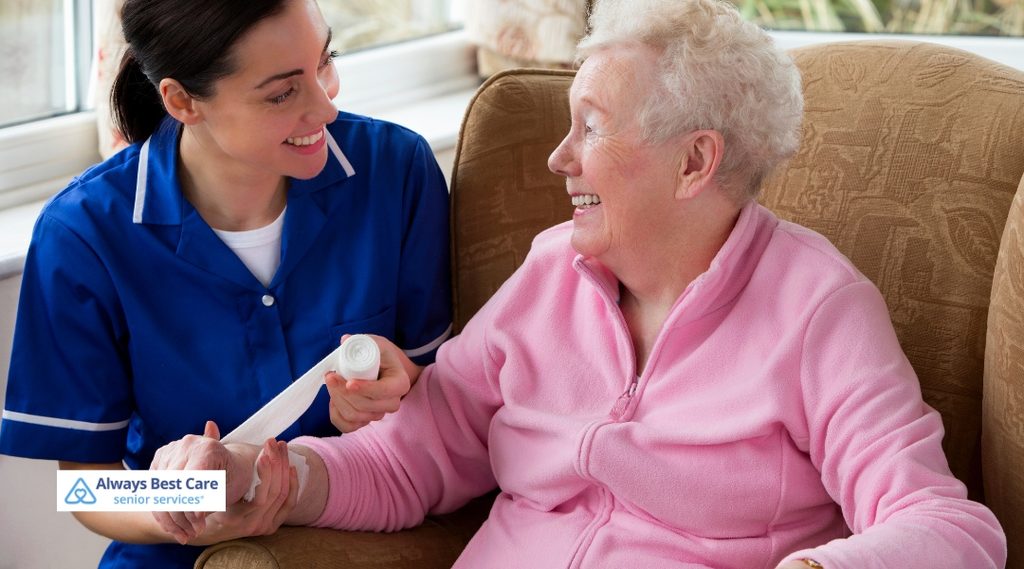
A home health nurse in Wake Forest can provide medical wound care right at home, based on the care plan and doctor’s orders. That kind of support can take a load off everyone’s shoulders.
Skilled nursing may include:
- Checking the wound and tracking healing
- Cleaning the area
- Changing dressings
- Watching for infection
- Teaching families what to look for
- Sharing updates with the healthcare team
A nurse can also explain what changes matter most between visits, so families aren’t left guessing.
Preventing Pressure Injuries at Home
For seniors who spend a lot of time sitting or lying down, prevention matters just as much as treatment. Pressure injuries can start quietly and then become a real headache.
To help reduce risk:
- Change positions often
- Keep skin clean and dry
- Use cushions or other pressure-relief items
- Check heels, hips, tailbone, and elbows
- Make sure meals and fluids are regular and balanced
Health America recognises pressure injuries as a significant patient safety concern, particularly for older adults receiving care at home or in long-term settings.
How In-Home Care Fits In
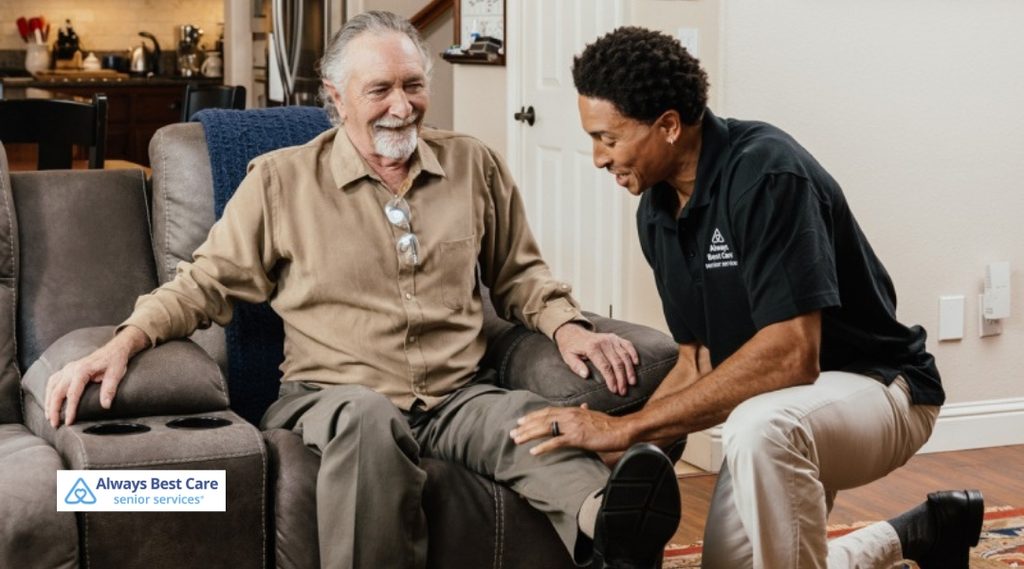
Skilled nursing handles the medical side, but daily life still needs attention too. That’s where in-home care can help.
Caregivers can assist with:
- Meals and hydration
- Personal care
- Light housekeeping
- Getting around safely
- Medication reminders
Working together, home health and in-home care can make recovery smoother and less stressful for everyone involved.
Supporting Safer Healing at Home
Good wound care at home can help seniors recover with fewer setbacks, but families don’t have to manage everything alone. Skilled nursing brings professional support right to the home, which can be especially helpful after surgery, a hospital stay, or a new wound.
At Always Best Care of Wake Forest, we help older adults stay safe and supported at home. Depending on local availability and your loved one’s needs, we may offer skilled nursing through home health services, along with in-home care to help with daily routines.
Aging skin needs extra care, and wound problems can sneak up fast. If a wound isn’t healing well or shows signs of infection, skilled nursing may be the safest next step. With the right support, healing at home can feel a lot less overwhelming.
If your loved one is managing a wound, recovering from surgery, or dealing with a chronic skin condition, contact Always Best Care of Wake Forest at (919)504-5523 to schedule a care consultation
FAQ
Q: How do I know if a wound needs skilled nursing?
A: If the wound is deep, slow to heal, infected, or related to surgery, diabetes, or pressure, skilled nursing may be needed.
Q: Can a small wound get worse quickly?
A: Yes. In older adults, even a small cut can become infected or heal slowly, especially with health issues like poor circulation or diabetes.
Q: What should I do if a wound smells bad or leaks fluid?
A: That’s a warning sign. Contact a healthcare provider right away.
Q: Can home care and skilled nursing be used together?
A: Yes. Skilled nursing can handle medical wound care, while in-home caregivers can help with daily tasks and comfort.
Q: Why do skin tear more easily in older adults?
A: Aging skin becomes thinner and less elastic, which makes tears and injuries more likely.
Link to the Markdown File version of this article.