

Blood Sugar Changes in Older Adults: Warning Signs Families Should Know in Westborough, MA
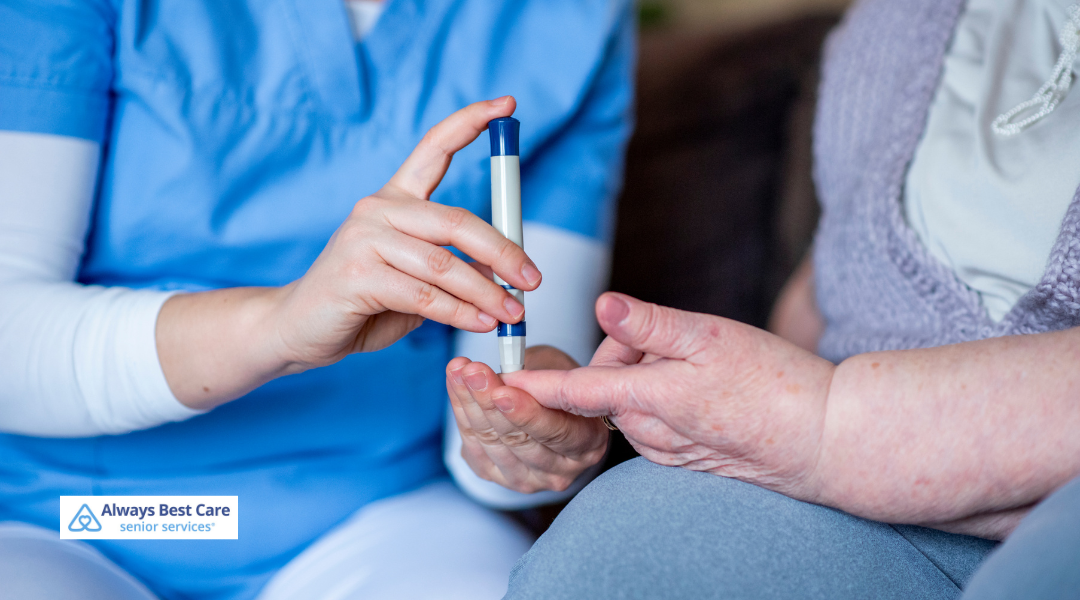
Blood sugar doesn’t always play by the same rules as we age. A senior who’s handled diabetes like clockwork for years can suddenly start seeing numbers that bounce around or drift out of range. Illness, new medications, less appetite, and even small shifts in daily habits can all nudge blood sugar higher or lower than is safe.
For families in Westborough, MA, spotting those changes early can prevent a rough day from turning into a real emergency. That’s where we at Always Best Care of Westborough, MA come in, helping loved ones stay steady, safe, and as independent as possible.
What You Will Learn
- Why blood sugar can become more difficult to manage as adults grow older.
- How to recognize possible warning signs of low and high blood sugar in a loved one.
- Which everyday routines can help older adults maintain safer diabetes care at home.
- When memory, mobility, or behavior changes may mean a senior could benefit from extra support in Westborough, MA.
Table of Contents
Why Blood Sugar Changes Get Tricky with Age
As people grow older, life rarely stays simple. Health problems can pile up, and different prescriptions may start interacting in unexpected ways. Add changes in kidney function, appetite, movement, and memory, and suddenly blood sugar becomes a lot harder to predict.
Some common reasons blood sugar gets harder to manage include:
- Eating less because of illness or low appetite
- Forgetting meals or medications due to memory changes
- Moving less or suddenly being more active
- New or adjusted medications affecting blood sugar
That’s why steady monitoring and regular check-ins with a trusted healthcare provider matter so much, especially for seniors living at home.
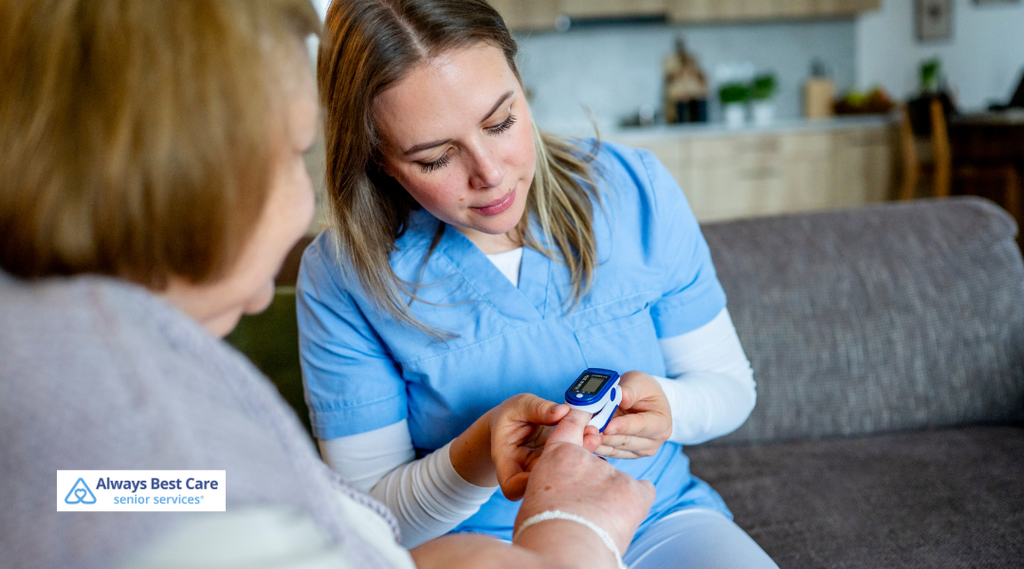
Recognizing Low Blood Sugar in Older Adults
Low blood sugar (hypoglycemia) happens when glucose drops below a healthy range. It can show up quickly and catch everyone off guard. Skipped meals, eating too little, extra physical activity, or certain diabetes medications can all play a role.
Common warning signs of low blood sugar include:
- Shaking or sweating
- Dizziness or feeling weak
- Sudden hunger
- Headache
- Irritability or anxiety
- Trouble focusing
- Confusion
- Clumsy movements or poor coordination
Here’s the tricky part: in older adults, some of these signs can look like “just getting older.” But a sudden change, like confusion, odd behavior, or sudden weakness, should never be brushed off.
Severe low blood sugar can lead to seizures or cause someone to pass out. That’s an emergency, and they need medical help right away.
Recognizing High Blood Sugar in Older Adults
High blood sugar (hyperglycemia) usually creeps up more slowly. Because it doesn’t always cause dramatic symptoms at first, families might miss early warning signs.
Common warning signs of high blood sugar include:
- Feeling very thirsty
- Needing to urinate more often
- Blurred vision
- Feeling tired or weak
- Headaches
- Unexplained weight loss
- Cuts or wounds that heal slowly
If high blood sugar sticks around, it can lead to long-term problems with the eyes, kidneys, nerves, heart, and blood vessels. Very high levels can also trigger sudden, dangerous symptoms like severe weakness, confusion, trouble breathing, or loss of consciousness. That’s another situation where emergency care is needed.

Blood Sugar Changes in Older Adults: Warning Signs Families Should Know
Families don’t need medical training to make a big difference. Often, the most helpful thing is simply knowing what “normal” looks like for a loved one—and paying close attention when something seems off.
Watch for changes such as:
- A senior who suddenly seems much more tired than usual
- Drinking water constantly and rushing to the bathroom
- New confusion, forgetfulness, or unsteady walking
- Loss of appetite or skipping meals
- Mood changes like irritability or unusual anxiety
Instead of chalking these up to aging, it’s wise to pause and ask, “Could this be blood sugar?”
For a loved one with diabetes, it’s helpful to ask their healthcare provider:
- What are their blood sugar goals?
- How often should their glucose be checked?
- Which symptoms mean it’s time to call the doctor?
- What would count as an emergency?
Consistent Daily Routines Make Diabetes Easier
Blood sugar tends to behave better when life is predictable. Simple, steady routines can go a long way toward keeping levels in a safe range.
Helpful habits often include:
- Eating meals and snacks on a regular schedule
- Taking medications exactly as prescribed
- Checking blood glucose as directed
- Drinking enough water throughout the day
- Staying safely active with appropriate movement
- Attending regular medical appointments
Families can also share a full list of medications and supplements with the healthcare provider. Even small changes can affect how diabetes is managed, so transparency really helps.

When Memory or Mobility Problems Complicate Diabetes Care in Westborough, MA
Managing diabetes is a detail-heavy task. There are medications, meals, blood sugar checks, and appointments, any of which can slip through the cracks when memory isn’t as sharp as it used to be.
Mobility problems can add another layer of challenge. Things like arthritis, vision changes, tremors, or difficulty walking can make it hard to:
- Test blood sugar
- Prepare balanced meals
- Stay active safely
- Get to appointments
These are often signs that a senior may need extra support at home to keep blood sugar stable and avoid dangerous ups and downs.
How Always Best Care of Westborough, MA Can Help
At Always Best Care of Westborough, MA, we know that living with diabetes is about much more than a number on a meter. It’s about daily life—meals, movement, medications, and meaningful routines that keep loved ones steady and confident.
We can help by:
- Preparing diabetes-friendly meals and snacks
- Offering reminders for medications and blood sugar checks
- Encouraging safe hydration and gentle activity
- Providing rides to medical appointments
- Watching for changes in behavior, mood, or energy and sharing concerns with families or healthcare providers
For seniors who qualify for home health services, trained healthcare professionals can deliver added medical support based on the doctor’s care plan, right in the home. Together, we build a safety net that helps prevent blood sugar emergencies and supports a better quality of life.

Helping Your Loved One Stay Safe with Diabetes in Westborough, MA
Blood sugar can change in a heartbeat, and older adults may not always notice—or may have trouble explaining, how they’re feeling. By staying involved, keeping an eye on daily routines, and knowing the warning signs, families can play a huge role in keeping loved ones safe.
If someone you care about is living with diabetes and could use more help at home, we at Always Best Care of Westborough, MA are ready to support you. Contact us at (xxx) xxx-xxxx for a care consultation. Together, we can build safer routines, protect independence, and help your loved one feel more secure day to day.
Frequently Asked Questions
Q: How often should older adults with diabetes check their blood sugar?
A: That depends on their treatment plan. Some seniors need daily checks, while others may test less often. A healthcare provider can give a clear schedule that fits their needs.
Q: What’s the biggest warning sign families should watch for?
A: Sudden changes in behavior, like confusion, unusual tiredness, or acting “not quite themselves”, are major red flags that blood sugar might be off.
Q: Can diet alone manage blood sugar in older adults?
A: Healthy eating is important, but most seniors with diabetes need a combination of diet, medication, and routine monitoring to stay safe.
Q: How can we help a loved one who keeps forgetting their medications?
A: Setting up pill organizers, simple reminders, and consistent meal times can help. If memory problems are significant, in-home support from us at Always Best Care of Westborough, MA can make daily routines much easier.
Q: Is it better to focus on low blood sugar or high blood sugar?
A: Both matter. Low blood sugar can cause sudden emergencies, while long-term high blood sugar can damage organs. Keeping levels within the range recommended by the healthcare provider is the goal.

Steadier Days, Brighter Peace of Mind
Blood sugar changes in older adults don’t need to be a mystery or a constant worry. With a watchful eye, clear warning signs, and steady routines, families in Westborough, MA can help loved ones stay safer and more independent.
And we at Always Best Care of Westborough, MA are here to walk alongside you, offering hands-on support, practical help at home, and everyday care that keeps diabetes management from feeling overwhelming. Reach out at (508) 978-6307 today to schedule a care consultation and learn how we can help your loved one build safer routines, protect independence, and enjoy greater peace of mind.
Link to the Markdown File version of the article