Wound Care at Home: When Is Skilled Nursing Needed in Westborough?
A small cut can heal just fine at home, but for older adults, wounds can turn tricky faster than expected. Skin gets thinner with age, healing can slow down, and health conditions like diabetes or poor circulation can make even a minor injury a bigger deal.
That’s why it helps to know when simple care is enough and when skilled nursing should step in. For families in Westborough, the right support can make healing safer, smoother, and far less stressful.
What You Will Learn
- Why wounds can become more complicated for older adults and may need closer attention at home.
- Which warning signs may mean a wound needs prompt medical care or skilled nursing support.
- How home health nursing and in-home care can work together to support safer healing and daily comfort.
- Which simple habits can help families prevent pressure injuries and support recovery at home.
Table of Contents
Why Wound Care at Home Can Be More Complicated
As we age, our skin doesn’t hold up the way it used to. It tears more easily, bruises faster, and may not heal as quickly. A scratch, pressure sore, or surgical wound can take longer to close and may need closer attention.
Several health concerns can slow healing, too:
- Diabetes
- Poor circulation
- Limited mobility
- Weak immune system
- Not eating or drinking enough
A wound that looks minor on day one can change quickly, so keeping an eye on it matters.
Wound Care at Home: Signs Skilled Nursing May Be Needed
Not every wound needs a nurse, but some do. Skilled nursing may be a smart choice if a wound needs regular monitoring or is healing slowly.
Common situations that may call for help include:
- Surgical cuts that still need follow-up care
- Pressure injuries or bedsores
- Diabetic foot wounds
- Wounds caused by poor blood flow
- Skin tears that keep reopening
- Burns or deeper injuries
- Chronic wounds that aren’t improving
If a doctor has given wound care instructions, skilled nursing can help make sure those directions are followed the right way.
Warning Signs That a Wound Needs Medical Attention
A wound should never be brushed off if it starts changing in a bad way. Watch for:
- More redness around the area
- Warmth or swelling
- Increasing pain
- Drainage or pus
- A bad smell
- Skin that looks worse instead of better
Fever, chills, confusion, or a sudden decline in energy can signal a serious infection. For seniors with diabetes or circulation problems, those warning signs can show up fast, so it’s better to act quickly.
What a Home Health Nurse in Westborough Can Do
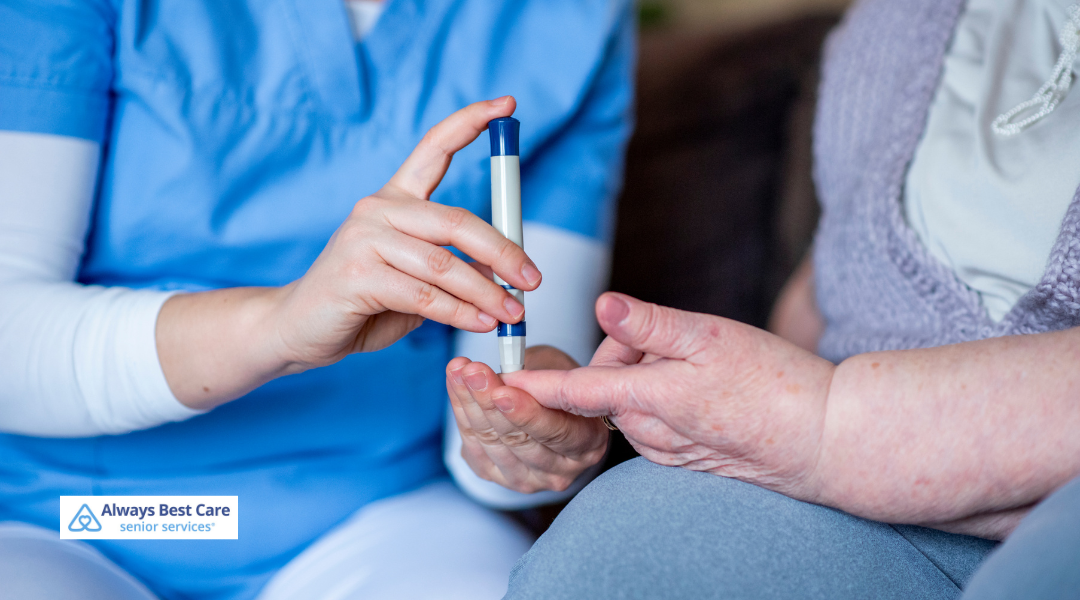
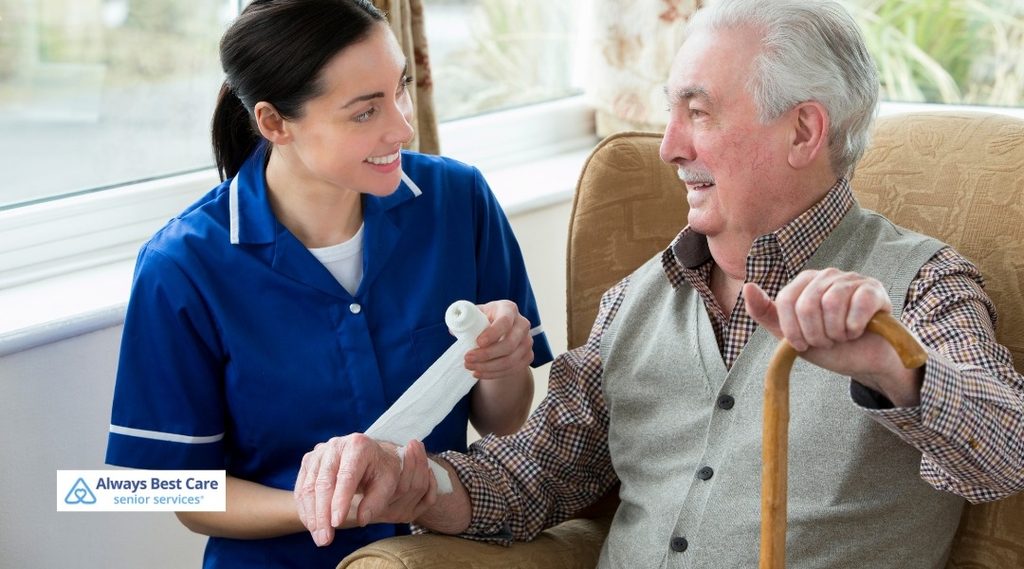
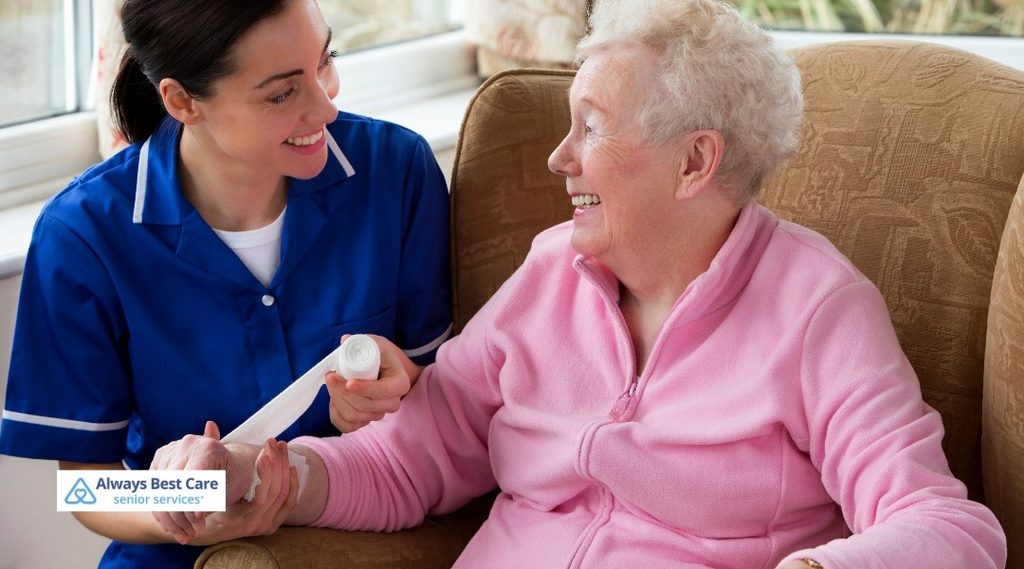
A home health nurse can provide wound care right in the home and follow the care plan from the doctor. That kind of support can take a load off family caregivers.
A nurse may:
- Check the wound and track healing
- Clean the area
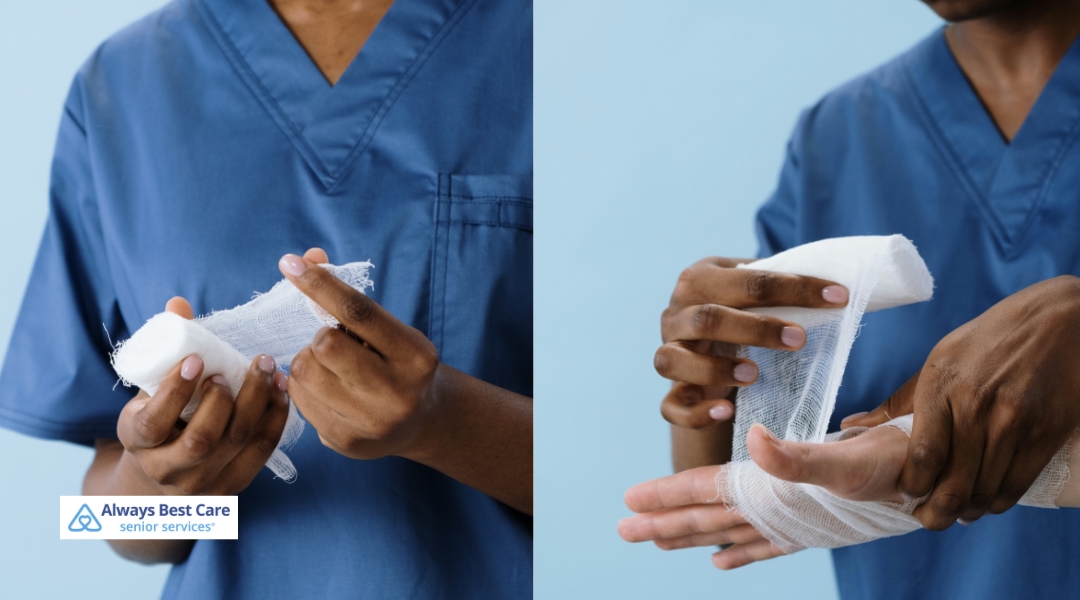
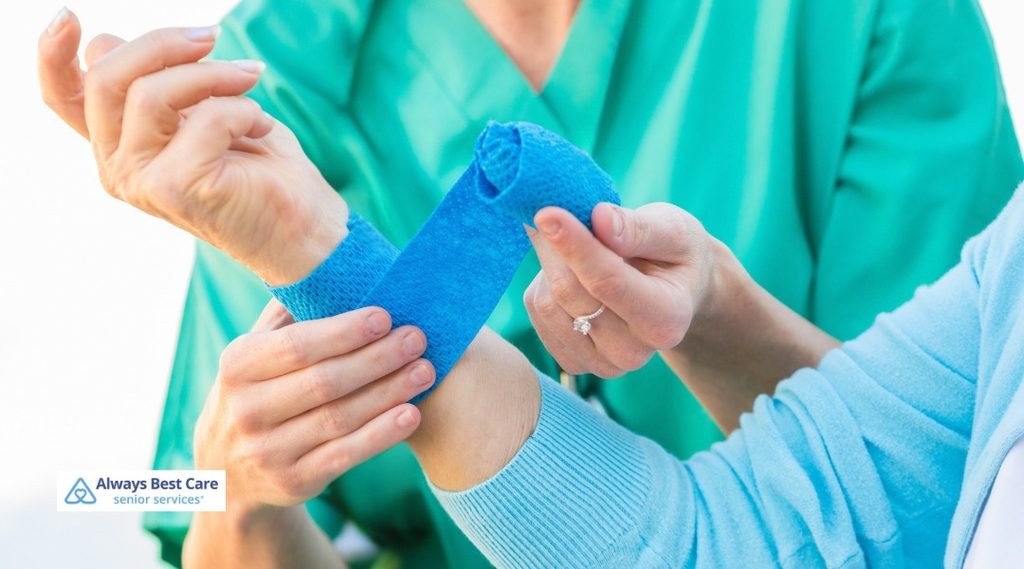
- Change dressings
- Watch for infection
- Teach family members basic care steps
- Report changes to the care team
That extra set of trained eyes can be a real comfort after surgery, rehab, or a hospital stay.
How We Can Help with Wound Care at Home in Westborough
At Always Best Care of Westborough, we understand that healing at home can feel like a lot to manage. We help older adults stay safe, supported, and comfortable while recovering.
Depending on the care needed, wound care at home may include skilled nursing along with everyday support from caregivers. We can assist with meals, personal care, light housekeeping, reminders, and other daily tasks that make recovery easier.
Preventing Pressure Injuries at Home
For seniors who spend a lot of time sitting or lying down, prevention is just as important as treatment. Pressure injuries can develop where the body rests against a chair or bed for too long.
Helpful steps include:
- Changing position often
- Keeping skin clean and dry
- Using cushions or other pressure-relief tools
- Eating enough protein and calories
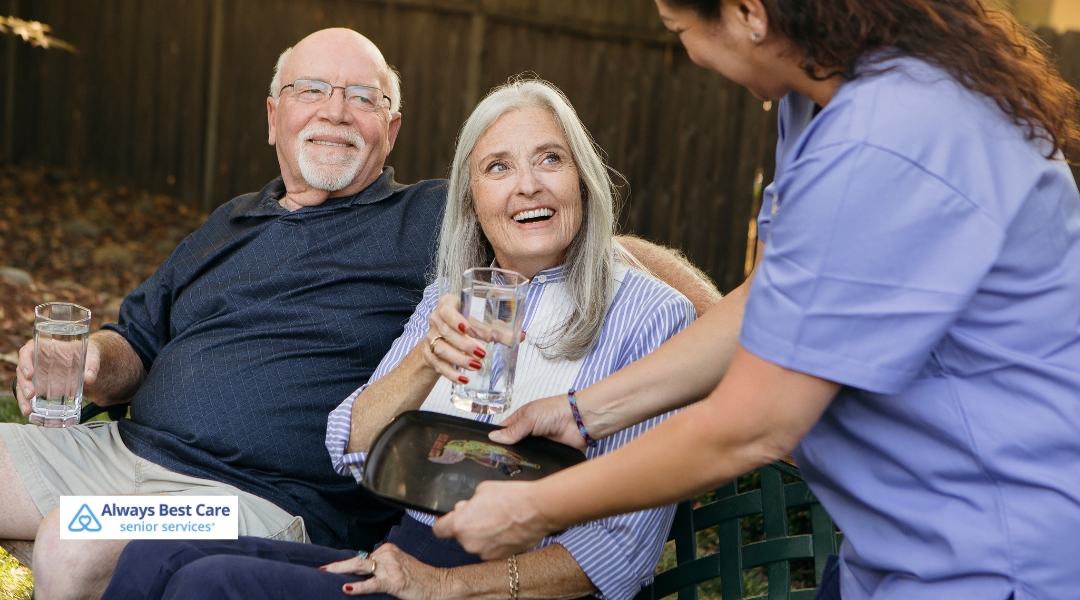
- Drinking plenty of fluids
- Checking the heels, hips, tailbone, and elbows often
A little prevention goes a long way here.
How Home Health and In-Home Care Work Together
Skilled nursing handles the medical side of recovery. In-home care supports the rest of daily life. Put them together, and the whole picture gets easier to manage.
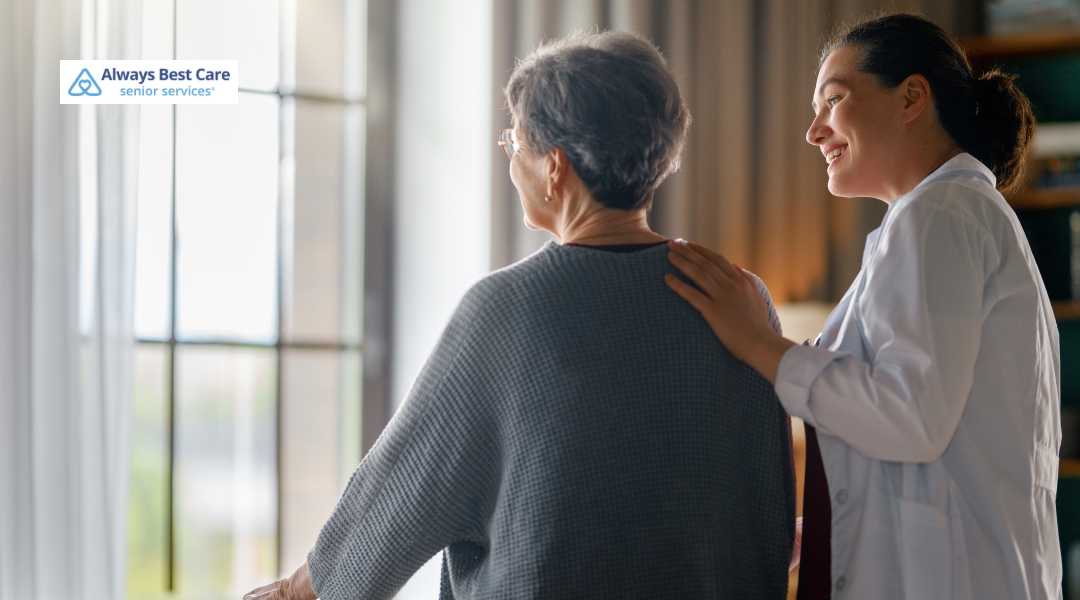
For example, a caregiver can help with meals, bathing, light chores, and getting around the house, while nursing staff focuses on wound care. That teamwork can help seniors stay on track without feeling overwhelmed.
Frequently Asked Questions
Q: When should we call a doctor about a wound?
A: Call a doctor if the wound gets redder, more swollen, painful, or starts draining. Fever, chills, confusion, or a sudden change in health need prompt attention.
Q: Does every wound need skilled nursing?
A: No. Small, simple cuts may heal with basic care. Wounds that are deep, slow to heal, or tied to health issues may need skilled nursing.
Q: Can wound care be done at home?
A: Yes. Many wounds can be treated at home with the right support. A nurse can help if the wound needs regular checks, dressing changes, or infection monitoring.
Q: What makes seniors more likely to have wound problems?
A: Thinner skin, slower healing, diabetes, poor circulation, and limited movement can all make wound care more complicated.
Healing Safely, One Day at a Time
Healing at home can work well, but some wounds need more than a bandage and a watchful eye. With the right mix of skilled nursing and daily support, seniors in Westborough can recover with more comfort and fewer setbacks. If your loved one needs help with wound care at home, Always Best Care of Westborough is here to help.
At Always Best Care of Westborough, we’re here to provide compassionate support throughout the recovery journey. Reach out at (508) 978-6307 today to schedule a care consultation and learn how our caregivers and home health professionals can help your loved one receive the care, comfort, and everyday assistance they need to heal safely at home.
Link to the Markdown File version of the article