

Living Well with COPD in Worcester: How Seniors Can Manage Symptoms and Stay Comfortable at Home
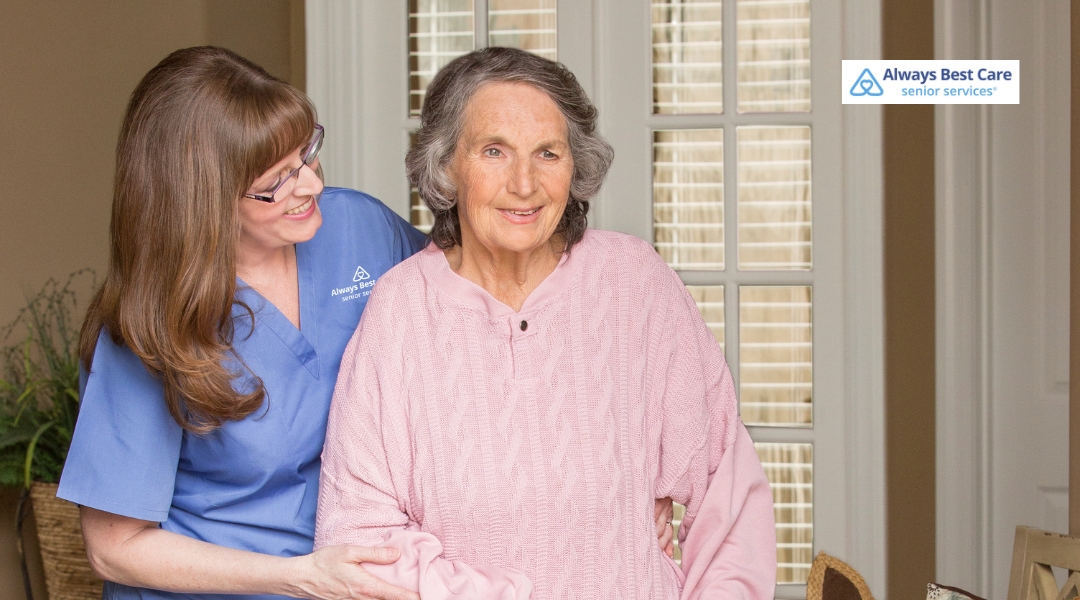
Chronic Obstructive Pulmonary Disease (COPD) is one of the most common chronic conditions affecting older adults and one of the most manageable with the right approach. For seniors living in Worcester, understanding how to navigate daily life with COPD can mean the difference between struggling and thriving.
COPD doesn’t have to define your loved one’s life. With the right habits, home environment, and support system in place, seniors can breathe easier, stay active, and maintain their independence.
What you will learn:
- How COPD affects seniors in Worcester and why steady, everyday management makes such a big difference in comfort and independence.
- Simple, heartwarming ways to support easier breathing at home with cleaner air, gentle movement, and nourishing meals.
- How to recognize early warning signs of COPD flare-ups and respond calmly with the right next steps.
- The loving role in home care from Always Best Care of Worcester makes day-to-day COPD management easier for seniors and families.
Table of Contents
Understanding COPD: More Than Just Breathlessness
COPD is an umbrella term for progressive lung diseases, primarily chronic bronchitis and emphysema, that restrict airflow and make breathing increasingly difficult. What makes COPD particularly challenging is that its symptoms often develop slowly, making them easy to dismiss as “just getting older.”
Key symptoms to recognize:
- Persistent cough or wheezing
- Shortness of breath during routine tasks
- Chest tightness
- Frequent respiratory infections
- Unexplained fatigue
Early diagnosis and consistent management are critical. The sooner a care plan is in place, the better the long-term outcomes for seniors living with this condition.
Practical Strategies for Managing COPD at Home
Managing COPD effectively requires more than just medication; it’s about building a lifestyle that supports respiratory health every single day.
Create a Breathing-Friendly Home Environment
The air quality inside your home directly affects COPD symptoms. Dust, pet dander, mold, and chemical fumes can all trigger flare-ups. Simple changes can make a significant difference:
- Use HEPA air purifiers in frequently used rooms
- Replace HVAC filters regularly
- Avoid aerosol sprays, scented candles, and harsh cleaning products
- Ensure proper ventilation, especially in the kitchen and bathroom
- Keep humidity levels balanced to prevent mold growth
Stick to a Medication Routine
Inhalers, bronchodilators, and corticosteroids are commonly prescribed for COPD management. Consistency is everything. Missed doses can lead to worsening symptoms or preventable flare-ups.
Using a pill organizer, setting phone reminders, or having a caregiver assist with medication management can help seniors stay on track. If oxygen therapy has been prescribed, ensure equipment is properly maintained and used as directed.
Move More Strategically
It may seem counterintuitive, but regular physical activity is one of the most effective tools for managing COPD. Exercise strengthens the respiratory muscles and improves overall endurance.
The key is to start small and build gradually:
- Short, flat-surface walks
- Chair-based stretching or yoga
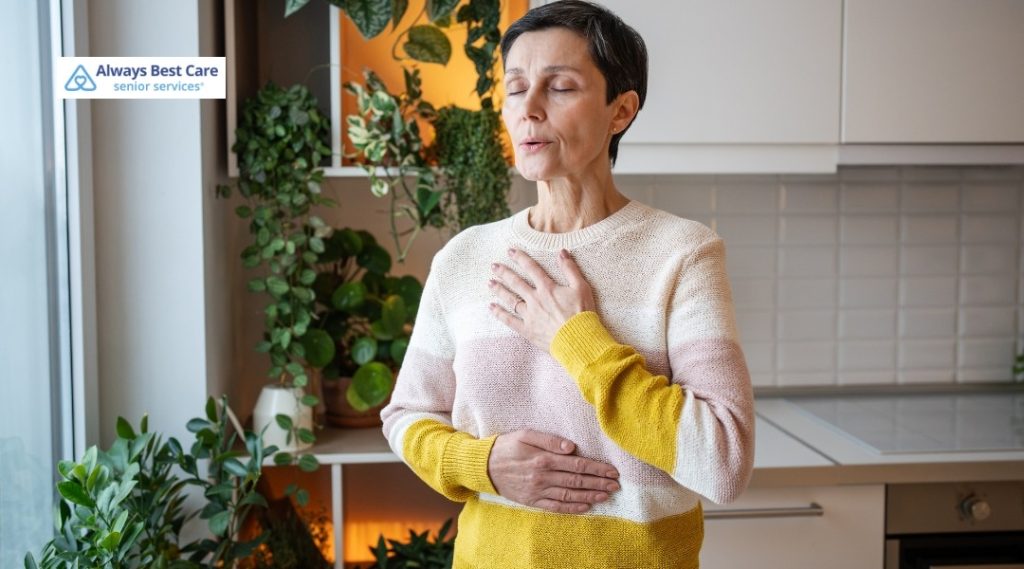
- Breathing exercises such as pursed-lip breathing and diaphragmatic breathing
Always consult a healthcare provider before starting a new exercise routine, and never push through significant shortness of breath.
Prioritize Nutrition and Hydration
What seniors eat and drink directly affects how their bodies handle COPD. Staying well-hydrated helps thin mucus secretions, making it easier to clear the airways. A diet rich in anti-inflammatory foods, such as leafy greens, berries, fatty fish, and whole grains, can support lung health and reduce fatigue.
Smaller, more frequent meals are often better tolerated, as a full stomach can press against the diaphragm, making breathing more difficult.
Know the Warning Signs of a Flare-Up
COPD exacerbations can escalate quickly. Families and caregivers should know when to act:
- Sudden or significant increase in breathlessness
- Change in mucus color (yellow, green, or brown)
- Fever or chills
- Increased confusion or disorientation
- Inability to complete normal daily activities
When these signs appear, contact a healthcare provider promptly. Early intervention can prevent hospitalization and protect long-term lung function.

The Role of In-Home Care in COPD Management
For many seniors, managing COPD alone or relying solely on family members isn’t sustainable. Professional in-home care provides consistent, day-to-day support that keeps seniors safe and comfortable without requiring a move to a facility.
Always Best Care of Worcester offers personalized care that fits each senior’s unique needs and health goals.
Our caregivers provide:
- Medication reminders and health monitoring
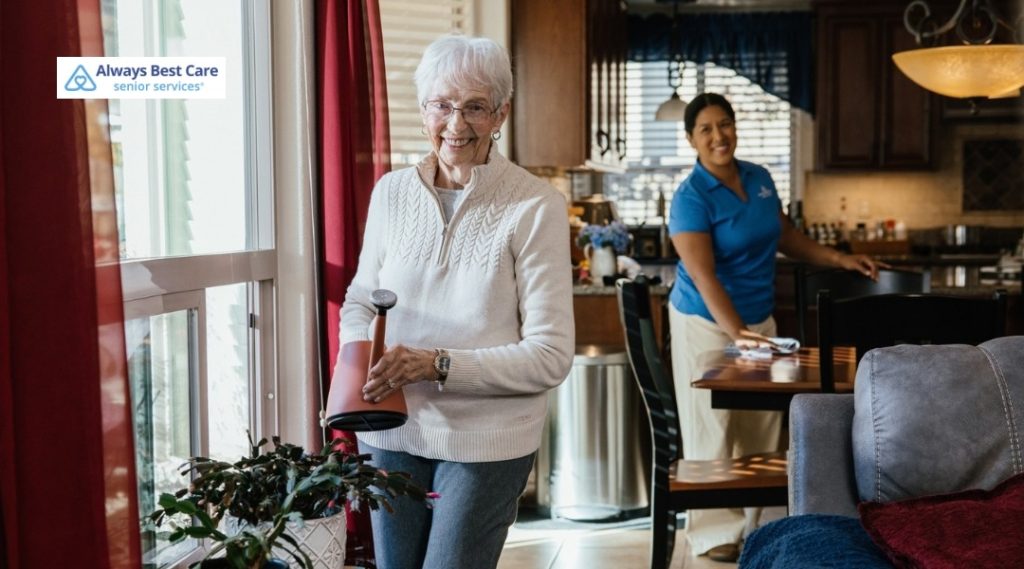
- Light housekeeping to maintain clean indoor air
- Meal preparation focused on respiratory-supportive nutrition
- Encouragement and assistance with safe physical activity
- Companionship to reduce stress, which can worsen COPD symptoms
- Transportation to medical appointments and pulmonary rehab sessions
For seniors with more complex medical needs, coordinated home health services can bridge the gap between physician care and daily living support.
Frequently Asked Questions About COPD and Senior Home Care
Q: What is the most important thing seniors can do to manage COPD at home?
A: Consistency is key. Following a prescribed medication routine, avoiding respiratory irritants, and staying as physically active as safely possible are the three pillars of effective at-home COPD management.
Q: Can COPD be reversed or cured?
A: No, COPD is a progressive condition with no cure. However, with proper treatment and lifestyle adjustments, its progression can be slowed significantly, and symptoms can be well-controlled.
Q: How does in-home care help someone with COPD?
A: In-home caregivers provide daily support that reduces the physical and emotional burden of managing COPD. This includes medication reminders, maintaining a clean home environment, preparing nutritious meals, and offering companionship, all of which contribute to better health outcomes.
Q: When should a family consider professional care for a loved one with COPD?
A: If your loved one is frequently missing medications, struggling with daily tasks, experiencing repeated flare-ups, or showing signs of depression or isolation, it may be time to explore professional in-home care.
Q: Is it safe for seniors with COPD to exercise?
A: Yes, with proper guidance. Light, low-impact activities like walking and breathing exercises are generally safe and beneficial. A healthcare provider or pulmonary rehabilitation specialist can create a safe exercise plan tailored to your loved one’s abilities.
Q: What foods should seniors with COPD avoid?
A: Seniors with COPD should limit processed foods, excess salt (which can cause fluid retention), and carbonated beverages (which can cause bloating and make breathing harder). Foods that cause gas or bloating should also be consumed with caution.

Helping Seniors Breathe Better, Live Better
COPD is a lifelong condition, but it doesn’t have to limit a senior’s quality of life. With the right combination of medical care, healthy daily habits, and compassionate in-home support, seniors in Worcester can continue doing the things they love on their own terms.
Families don’t have to figure this out alone. Always Best Care of Worcester is here to help every step of the way.
Call Always Best Care of Worcester today at (508) 304-8556 to schedule a free care consultation and learn how we can support your loved one’s respiratory health and comfort at home.
Link to the Markdown File version of the article