

Elder Abuse Prevention: Protecting Seniors and Promoting Safe, Respectful Care in Worcester, MA

No one wants to imagine a parent, grandparent, or neighbor being mistreated. Yet elder abuse is a real and growing problem that touches families in every community, including Worcester, MA. It doesn’t always happen in dark corners or obvious ways; sometimes it hides behind a polite smile, a rushed visit, or a closed bedroom door.
By understanding elder abuse prevention, we equip ourselves to step in early, ask the right questions, and keep the seniors we love safe, respected, and valued. At Always Best Care of Worcester, MA, we take this responsibility to heart, and we work with families to create homes where trust, dignity, and kindness lead the way.
What you will learn:
- What elder abuse is, the most common ways it shows up, and why it can be easy to overlook at first.
- How to notice early warning signs and key risk factors that may put some seniors in Worcester at higher risk.
- Simple, loving steps families can take to stay involved, support caregivers, and create a safer home environment.
- What to do if something feels wrong, including how to speak up, document concerns, and reach out for help.
Table of Contents
What Is Elder Abuse?
Elder abuse happens when an older adult is harmed, or put at serious risk of harm, through someone’s actions, or through neglect when care is needed but not provided. It can be intentional, careless, or the result of stress, but the outcome is the same: a senior is hurt, and their trust is broken.
Common forms of elder abuse include:
- Physical abuse – Hitting, pushing, rough handling, or using restraints in a harmful way.
- Emotional abuse – Yelling, threats, insults, humiliation, or isolating a senior from friends and family.
- Financial exploitation – Misusing bank accounts, pressuring a senior to sign documents, stealing cash or valuables, or changing wills and powers of attorney for personal gain.
- Neglect – Not providing food, water, hygiene, medications, or medical care, even when the person depends on others.
- Abandonment or lack of supervision – Leaving a senior alone when they clearly need help or supervision to stay safe.
Elder abuse prevention starts with clearly naming these behaviors. Once we see them for what they are, it’s much harder to shrug them off or excuse them.
Warning Signs Families Should Watch For
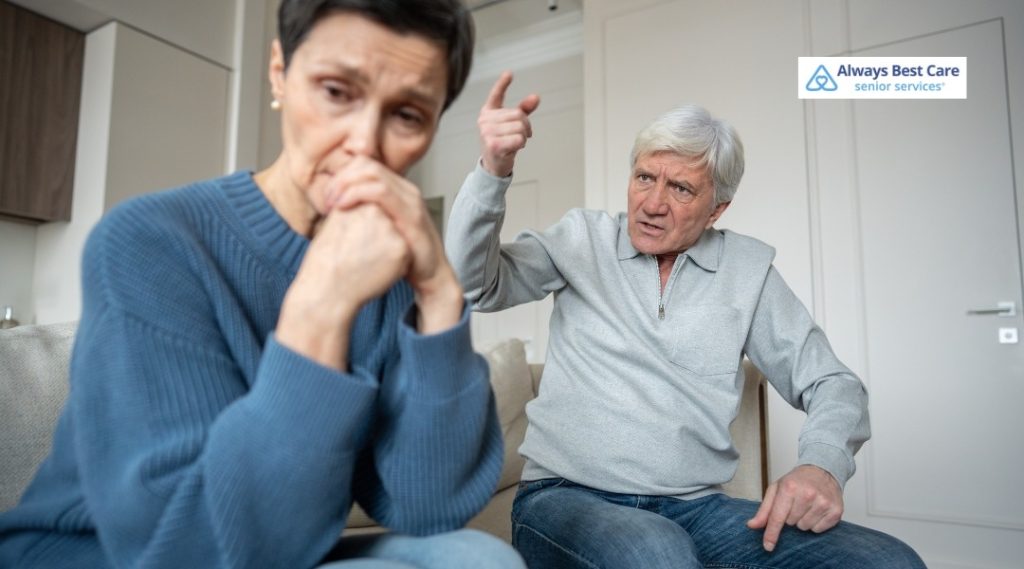
Elder abuse doesn’t always show up as a black eye or a broken bone. Often, it slips in quietly. Something feels “off,” but it’s hard to pin down. That’s exactly why we need to stay alert.
Watch for changes like:
- Unexplained bruises, cuts, or frequent falls
- A sudden shift in mood – sadness, anxiety, fear, or withdrawal from usual activities
- Poor hygiene – dirty clothes, strong odors, unwashed hair, or unchanged bedding
- Weight loss or signs of dehydration
- Unusual bank withdrawals or missing belongings
- Nervousness or hesitation around a specific person
- Changes in communication – speaking less, avoiding eye contact, or seeming “on edge.”
If your gut is telling you something’s wrong, don’t brush it aside. It’s better to ask awkward questions than to regret staying silent.
Risk Factors That Increase Vulnerability
Some seniors are at greater risk, not because of anything they’ve done, but because of their situation. By understanding these risk factors, we can take practical steps before harm occurs.
Common risk factors include:
- Social isolation – Few visitors, limited community involvement, or living far from family.
- Cognitive decline – Memory loss, confusion, or dementia, which can make it hard to report abuse or even recognize it.
- Physical limitations – Trouble walking, bathing, dressing, or preparing meals, leading to heavy reliance on caregivers.
- Financial dependency – Relying on others to manage money or pay bills, especially without oversight.
- Caregiver stress or burnout – Overwhelmed, unsupported caregivers may become impatient, harsh, or neglectful.
Elder abuse prevention means paying attention not only to the senior, but also to the overall caregiving situation. Worn-down caregivers need support before frustration turns into harm.

Practical Steps Families Can Take
We don’t have to be detectives to make a difference. Small, consistent actions can dramatically lower the risk of abuse.
Here are some steps that go a long way:
- Stay involved in your loved one’s daily life. Drop by at different times, not just on a set schedule.
- Communicate regularly through visits, phone calls, or video chats. Ask open-ended questions like, “How are things going with your care?”
- Keep an eye on finances – review bank statements, bills, and major purchases, especially if someone new is helping with money.
- Build a trusted care circle that may include family, friends, neighbors, and professional caregivers.
- Encourage social connections – senior centers, faith communities, clubs, and hobbies help reduce loneliness.
- Support the caregiver – share responsibilities, offer breaks, or bring in outside help before stress spirals.
Elder abuse prevention isn’t about suspicion for its own sake. It’s about transparency, shared responsibility, and making sure no one is quietly struggling behind closed doors.
How Professional In-Home Care in Worcester, MA Helps
Professional in-home care can be a powerful layer of protection, especially when it’s built around respect, communication, and accountability.
At Always Best Care of Worcester, MA, we:
- Carefully screen and train caregivers so families know the people coming into their homes are dependable, compassionate, and prepared.
- Focus on dignity and independence, helping seniors with daily tasks while honoring their choices and preferences.
- Pay close attention to changes in behavior, mood, or physical condition, and promptly share concerns with families.
- Work as partners with families, not replacements, so everyone is on the same page about routines, safety, and expectations.
By being present, observant, and communicative, we support elder abuse prevention while also improving the quality of life day to day.
What Should You Do If You Suspect Abuse?
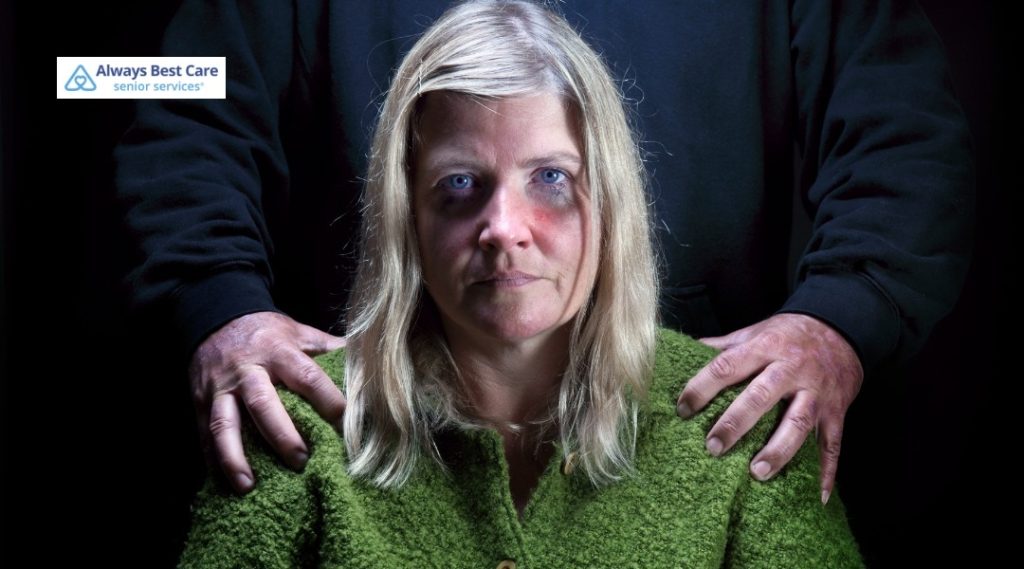
It’s easy to freeze and second-guess yourself: “What if I’m wrong?” Still, doing nothing can leave a senior stuck in a harmful situation. So, what’s the best next step if you’re worried?
Consider this approach:
- Talk privately with your loved one. Choose a calm moment and a safe space. Speak gently, and listen more than you talk.
- Document what you notice. Write down dates, signs, conversations, and anything that doesn’t sit right.
- Reach out to professionals.
- Local adult protective services
- Healthcare providers, such as the senior’s doctor
- Law enforcement, if there’s immediate danger
You’re not “overreacting” by asking questions. You’re standing up for someone who may not be able to stand up for themselves.
Creating a Safer Future for Seniors in Worcester, MA
Building a safer community for older adults is a shared effort; families, neighbors, and care providers all play a part. Open conversation, regular check-ins, and a refusal to ignore “red flags” can change the story for many seniors.
At Always Best Care of Worcester, we’re dedicated to preventing elder abuse and nurturing safe, supportive homes where seniors can feel secure and valued. We work closely with families to design care that supports safety, comfort, and peace of mind.
Support You Can Count On
If you’re worried about a loved one’s safety, or simply want dependable in-home care that puts respect and protection front and center, we’re here to help.
. Together, we can promote safety, dignity, and a better everyday life for the seniors who mean the world to us.

Frequently Asked Questions
Q: What is the most important step in elder abuse prevention?
A: The most important step is staying actively involved in a senior’s life, visiting, calling, asking questions, and paying attention to changes in mood, health, or finances.
Q: Does elder abuse only happen in nursing homes?
A: No. Elder abuse can happen anywhere: in private homes, assisted living communities, nursing homes, or even within trusted relationships.
Q: How can professional caregivers help prevent abuse?
A: Professional caregivers from Always Best Care of Worcester, MA, provide regular support, observe changes, communicate concerns, and help reduce caregiver stress, all of which can lower the risk of abuse.
Q: What if my loved one denies that anything is wrong?
A: Seniors may feel afraid, ashamed, or protective of a caregiver. Keep listening, keep visiting, and continue to monitor the situation. If you’re seriously concerned, contact adult protective services or another professional resource.
Q: When should I contact law enforcement?
A: If you believe a senior is in immediate danger or has been seriously harmed, contact law enforcement right away. Your call could prevent further harm and start the process of getting them to safety.
A Safer Tomorrow for Worcester’s Seniors
Elder abuse prevention isn’t a one-time conversation; it’s an ongoing commitment to watch, listen, and act when something doesn’t feel right. By staying involved, understanding the warning signs, and building a strong support system, we can help the seniors in Worcester, MA, live with the safety and respect they deserve.
At Always Best Care of Worcester, we stand with you in that effort, ready to provide compassionate care and an extra layer of protection for the older adults you love. Call Always Best Care of Worcester, MA at (508) 978-6307 to schedule a care consultation and learn how our caregivers can support your family
Link to the Markdown File version of the article