

When Appetite Declines: Helping Seniors Eat Well in Worcester
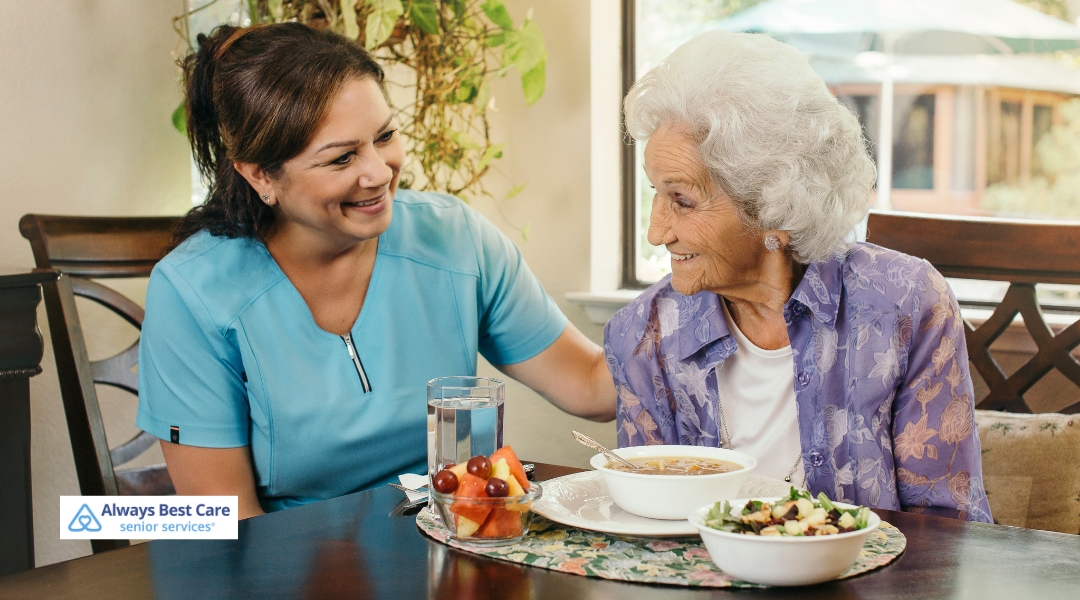
It’s one of those changes that sneaks up on families. A parent who once looked forward to Sunday dinners starts pushing food around the plate. A spouse who used to cook elaborate meals now skips lunch without a second thought. Appetite loss in seniors is common, but it’s not something to brush aside.
When older adults consistently eat too little, the effects ripple outward: lost muscle mass, increased fall risk, slower healing, and a general decline in vitality. The good news is that with the right awareness and support, families can take meaningful steps to help their loved ones eat well and age well.
What you will learn:
- Why seniors may lose their appetite and the common factors that can affect eating habits.
- How poor nutrition can impact strength, health, and overall well-being.
- Simple, caring ways to encourage better eating and make meals more enjoyable.
- When appetite changes may signal a need for medical support or extra help.
Table of Contents
Why Seniors Lose Their Appetite
Appetite changes in older adults rarely have a single cause. More often, several factors overlap, making it important to look at the full picture.
Physiological shifts play a significant role. As the body ages, metabolism slows, physical activity decreases, and the senses of taste and smell become less sharp. Food simply doesn’t smell or taste as appealing as it once did, which naturally reduces the desire to eat.
Medications are another major contributor. Many drugs commonly prescribed to older adults — including those for blood pressure, diabetes, or depression — list reduced appetite or nausea as side effects.
Dental issues such as tooth pain, ill-fitting dentures, or difficulty chewing can make eating uncomfortable or even painful. When meals hurt, seniors avoid them.
Mental and emotional health matters too. Depression, anxiety, grief, and social isolation are all linked to reduced food intake. A senior who eats alone day after day may simply lose the motivation to prepare or enjoy a proper meal.
Finally, cognitive decline can interfere with the routine of eating — seniors with dementia may forget to eat, lose track of mealtimes, or become confused about food altogether.
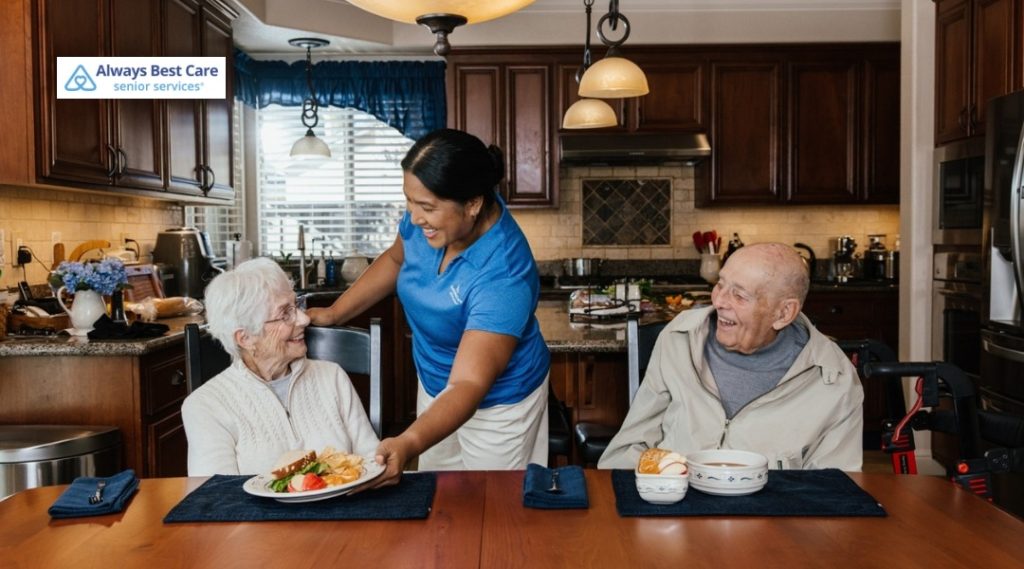
What’s at Stake: The Real Risks of Poor Nutrition
Undernutrition in older adults is a serious health concern that often goes unrecognized until significant damage has been done.
When the body doesn’t receive adequate protein, vitamins, and minerals, the consequences compound quickly:
- Muscle loss accelerates, reducing strength and stability
- Fall risk increases, with potentially life-altering consequences
- Immune function weakens, making seniors more vulnerable to infections
- Wound healing slows, complicating recovery from surgery or illness
- Cognitive function can decline further, creating a difficult cycle
Even seniors who appear to be eating “something” each day may be falling short of what their bodies actually need. Quantity matters, but so does quality.
Practical Strategies to Encourage Better Eating
Improving a senior’s nutrition doesn’t always require a dramatic overhaul. Often, small, consistent changes make the biggest difference.
Prioritize nutrient density. When appetite is limited, every bite should count. Focus on foods that pack a nutritional punch in smaller portions — eggs, Greek yogurt, nut butters, lean proteins, legumes, and whole grains. These provide protein, healthy fats, and essential vitamins without requiring large volumes of food.
Rethink meal structure. Three large meals a day may not work well for seniors with reduced appetites. Instead, offer five or six smaller meals and snacks throughout the day. A mid-morning smoothie, an afternoon handful of nuts, or a light evening snack can meaningfully increase daily intake.
Enhance flavor naturally. Since taste and smell often diminish with age, boosting flavor through herbs, spices, citrus, and aromatics can make meals more appealing — without relying on excess salt or sugar.
Make meals a social event. Eating together changes everything. Seniors who share meals with family, friends, or caregivers consistently eat more and enjoy the experience more. In (city name), community dining programs, senior centers, and caregiver companionship can all provide this kind of connection.
Create a comfortable eating environment. Good lighting, a tidy table, and minimal distractions can help seniors focus on their meal. For those with cognitive decline, reducing visual clutter and using high-contrast dishware can make a surprising difference.
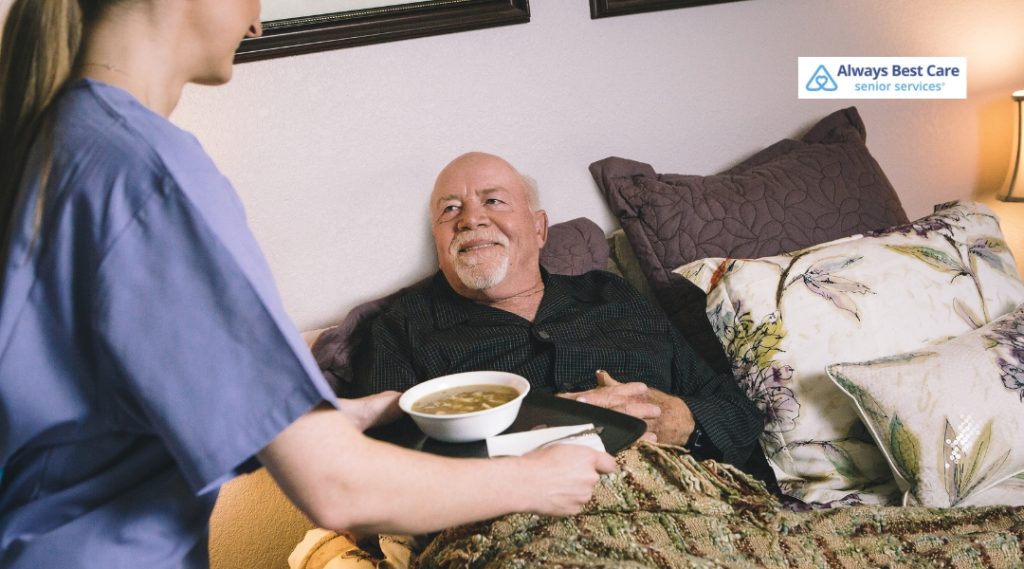
When to Involve a Healthcare Provider
Some appetite changes are gradual and manageable at home. Others signal something that needs medical attention.
Reach out to a healthcare provider if your loved one experiences:
- Noticeable, unintentional weight loss over a short period
- Difficulty swallowing or frequent choking
- Sudden changes in mood, behavior, or cognitive function
- Persistent nausea, vomiting, or digestive discomfort
- Complete disinterest in food for multiple days in a row
A physician can assess whether medications need adjustment, whether dental care is needed, or whether an underlying condition is driving the change. Early intervention makes a meaningful difference in outcomes.
How Always Best Care of Worcester Supports Senior Nutrition
For many families, the challenge isn’t knowing what to do, it’s having the time and capacity to do it consistently. That’s where professional in-home care makes a real difference.
Always Best Care caregivers in Worcester provide hands-on support that helps seniors maintain healthy, consistent nutrition as part of their daily routine.
Our caregivers can help with:
- Planning and preparing balanced, appealing meals
- Grocery shopping with nutrition in mind
- Encouraging regular hydration throughout the day
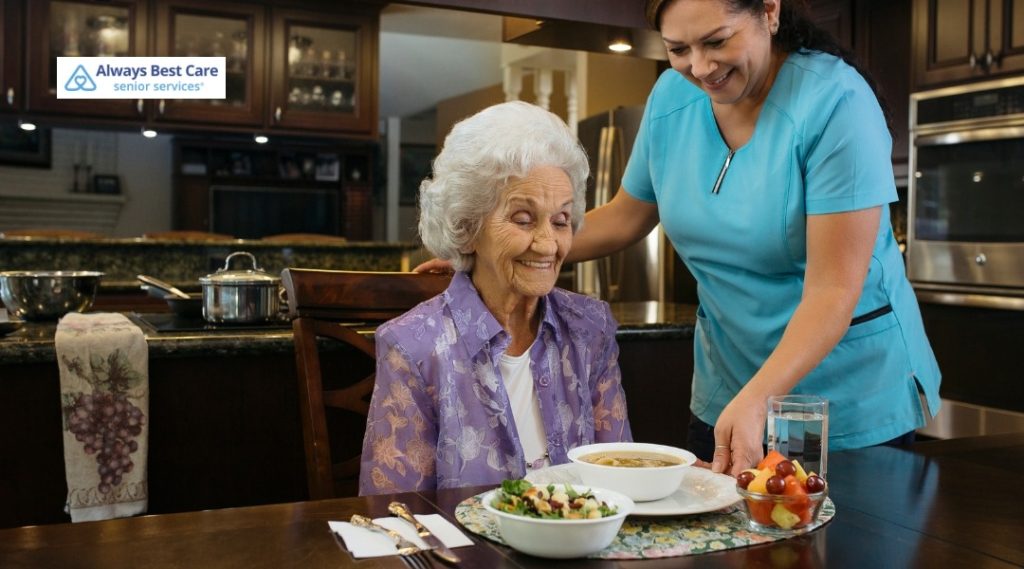
- Sitting with seniors during meals to provide companionship
- Monitoring appetite and flagging concerns to family members
- Adapting meal approaches as needs change over time
This kind of attentive, personalized care helps seniors stay nourished and helps families feel confident that their loved one is being looked after.
Frequently Asked Questions
Q: How much weight loss in a senior should concern me?
A: A loss of 5% or more of body weight over six to twelve months is generally considered clinically significant and warrants a conversation with a healthcare provider. Even smaller losses that happen quickly can be a red flag.
Q: Are appetite supplements or protein shakes a good option for seniors?
A: They can be a helpful bridge when appetite is low, but they shouldn’t replace whole foods entirely. Nutritional shakes like Ensure or Boost can supplement intake, especially between meals. Always consult a physician or registered dietitian before making them a regular part of a senior’s diet.
Q: Can depression cause appetite loss in seniors?
A: Yes. Depression is one of the most common and underdiagnosed contributors to appetite loss in older adults. If you notice your loved one withdrawing from meals alongside other behavioral changes — reduced interest in activities, low mood, or increased isolation — speak with their doctor about a mental health evaluation.
Q: What foods are best when a senior can only eat small amounts?
A: Focus on calorie-dense, nutrient-rich options: eggs, avocado, nut butters, full-fat Greek yogurt, cheese, beans, and lean proteins. These provide the most nutritional value in the smallest volume.
Q: How can a caregiver help if a senior refuses to eat?
A: Patience and consistency matter most. Avoid pressuring seniors at mealtimes, as this often backfires. Instead, offer favorite foods, keep portions small and non-intimidating, eat together when possible, and work with a healthcare provider to rule out underlying causes. A professional caregiver experienced in senior nutrition can also bring fresh strategies and a calm, supportive presence.
Helping Seniors Stay Nourished, One Caring Meal at a Time
If your loved one’s appetite has been declining, don’t wait to act. Call Always Best Care of Worcester today at (508) 304-8556 to schedule a care consultation and learn how our caregivers can help your loved one eat well, stay strong, and thrive at home.
Link to the Markdown File version of the article