

Senior Scams: How to Recognize the Warning Signs and Protect Your Loved One in Worcester, MA
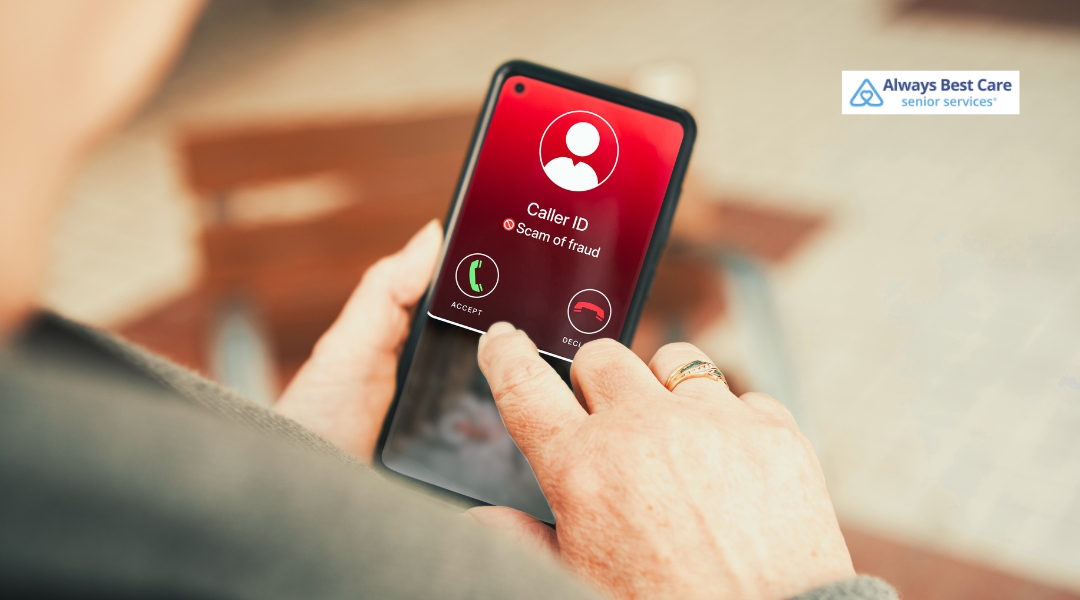
Scammers are getting bolder, slicker, and, frankly, more creative every year. Older adults often find themselves in the crosshairs, not because they’ve done anything wrong, but because scammers see them as easy targets, trusting, polite, and often financially secure.
The silver lining? With the right information and a bit of healthy skepticism, we can stay one step ahead. By learning how senior scams work and noticing the early warning signs, we can protect the people we love in Worcester, MA, before real damage is done.
What you will learn:
- Why older adults in Worcesterare often targeted by scammers and the common schemes families should know about.
- The key warning signs that can help you spot a scam early and avoid costly mistakes.
- Simple, caring ways families can help protect loved ones through open conversations and everyday precautions.
- How in-home support can help seniors stay safer, more confident, and better protected from scams at home.
Table of Contents
Why Older Adults Are Often Targeted by Senior Scams
Scammers rarely choose victims at random. They look for people they think they can pressure or confuse, then pounce. Older adults may be targeted because they:
- Tend to be polite and trusting with strangers, even on the phone
- Often have savings, retirement funds, or a steady income
- May live alone or feel lonely, eager for conversation
- Might be less familiar with digital technology, online banking, and new devices
Put all that together, and you’ve got a group of scammers who think they can push around. That doesn’t mean seniors are helpless, far from it. It simply means we need to stay alert and talk openly about what’s happening.
Common Types of Senior Scams in Worcester, MA
Scams come in many shapes and sizes, but they tend to follow a few familiar scripts. If we know the script, it’s much easier to see the scam coming.
Phone Scams
The phone rings, and the voice on the other end sounds urgent or official. They might pretend to be:
- A government agency
- A utility company
- A bank or credit card provider
- A grandchild or relative in trouble
They usually:
- Demand immediate payment
- Ask for personal information (Social Security, bank numbers, Medicare details)
- Threaten fines, arrest, or power shutoffs
If someone is insisting you pay right now or you’ll be in big trouble, that’s a huge red flag.

Email and Phishing Scams
These scams show up in inboxes and text messages, often dressed up to look legit. Messages may appear to come from:
- Banks
- Healthcare or insurance providers
- Online stores or delivery companies
They usually include a link that leads to a fake website asking you to “log in” or “verify your account.” Once you type your details, scammers grab them.
A good rule of thumb? Don’t click strange links. Instead, go directly to the official website you trust and log in there.
Sweepstakes and Lottery Scams
Who wouldn’t want to hear, “You’ve won!”? Scammers bank on that excitement. They’ll say you’ve won a prize, car, or cash, then claim you must pay “fees,” “taxes,” or “processing costs” first.
If you have to pay to claim a prize, it’s not a prize. It’s a scam.
Romance Scams
This one’s especially heartbreaking. Scammers build an online relationship over weeks or months, saying all the right things. Then, suddenly:
- There’s an “emergency”
- They “need help” with rent, travel, medical bills, or a business deal
They push for money, often over and over again. Loneliness and isolation can make this scam hit even harder.

Tech Support Scams
A pop-up appears on the computer, shouting about a virus. Or someone calls, claiming to be from “tech support.” They say:
- “Your computer is infected.”
- “We detected suspicious activity on your account.”
Then they ask for:
- Remote access to the computer
- Payment for “repairs” or “protection plans”
Once they’re in, they can steal information or install harmful software.
Warning Signs of Senior Scams: What Should Raise an Eyebrow?
Scams may differ in detail, but they share common warning signs. If you or your loved one notices any of these, it’s time to hit the brakes.
Watch for:
- Pressure for immediate action – “Do this now or else…”
- Requests for unusual forms of payment – gift cards, wire transfers, cryptocurrency
- Unsolicited calls, emails, or texts asking for personal or financial information
- Messages that stir up fear or panic – claims of arrest, lawsuits, or cut-off services
- Demands for secrecy – “Don’t tell your family; they’ll only worry.”
If something feels off, it probably is. Taking a moment to verify can save a world of trouble.

How Families in Worcester, MA Can Protect Their Loved Ones
We don’t have to fight senior scams alone. Support from family and friends can make a huge difference. Simple, steady habits can go a long way.
Helpful steps include:
- Talking openly about common scams and new tricks you’re hearing about
- Practicing “pause and verify” – encourage your loved one to hang up and call back using a known, official number
- Checking bank and credit card statements for unfamiliar charges
- Setting up call blocking and email spam filters
- Agreeing on a “trusted person” your loved one can call before sending money or sharing information
An honest conversation is often the first line of defense. If seniors feel safe bringing up odd calls or emails, they’re far less likely to get pulled in.
How In-Home Care Helps Prevent Senior Scams
Scammers love isolation. The fewer connections a senior has, the easier it is for a stranger’s voice to slip in and take up space. That’s where in-home care can quietly change the game.
At Always Best Care of Worcester, MA, we see scam awareness as part of helping someone live safely and confidently at home. We:
- Help screen phone calls and unexpected visitors, gently stepping in when something feels wrong
- Notice changes in behavior or money worries, which might point to a scam
- Provide companionship, easing loneliness and reducing the appeal of suspicious new “friends” online or over the phone
- Encourage open communication with family, so concerns are shared early
We work alongside families, reinforcing healthy boundaries and helping seniors feel supported, not judged.

What Should You Do If You Suspect a Senior Scam?
If your loved one may have been targeted or has already sent money, time matters. Don’t panic, but don’t wait, either.
Here are practical steps to take:
- Contact the bank or credit card company right away to report the scam and try to stop or reverse charges.
- Report the incident to local law enforcement or adult protective services in Worcester, MA.
- Watch accounts closely for additional suspicious activity.
- Offer emotional support – reassure your loved one that scammers are professionals and anyone can get tricked.
Many older adults feel embarrassed or guilty after a scam. That shame can keep them quiet. A calm, kind response helps them speak up sooner next time.
Frequently Asked Questions
Q: How can we talk about senior scams without scaring our loved ones?
A: Focus on empowerment, not fear. Frame it as “We’re all learning new tricks scammers use,” and share real examples in a calm, matter-of-fact way.
Q: What’s the quickest way to test if a call is a scam?
A: Hang up, then call back using the official number on a bank card, statement, or trusted website, not the number that called. If it’s real, they’ll confirm it.
Q: Are seniors who use the internet more likely to fall for online scams?
A: Not necessarily. With some basic tips, strong passwords, avoiding strange links, and never sending money to strangers, online users can be just as safe, or even more aware.
Q: How can Always Best Care of Worcester, MA help protect my loved one from scams?
A: We support scam safety by being present, noticing red flags, encouraging conversation about suspicious contacts, and helping families stay in the loop about concerns that come up.
Q: What if my loved one refuses to believe they were scammed?
A: That’s common. Try not to argue. Gently focus on what can be done now, securing accounts, changing passwords, and agreeing on a plan for future phone calls or money requests.

Staying One Step Ahead of Senior Scams
Senior scams aren’t going away, but neither is our ability to push back. With awareness, clear warning signs, and honest conversations, families in Worcester, MA can cut scammers off at the pass and protect both money and peace of mind.
At Always Best Care of Worcester, we’re committed to helping seniors feel safe, respected, and connected at home. We stand alongside families, keeping an eye out for trouble and offering the everyday support that makes scams easier to spot and easier to stop.
If your loved one could use extra companionship and a watchful presence, reach out at (508) 978-6307. We at Always Best Care of Worcester, MA are ready to help you build a safer, more confident daily life.
Link to the Markdown file version of the article