
How Companion Care Helps Baton Rouge Stroke Survivors Stay Engaged and Motivated
After a stroke, recovery often involves appointments, rehabilitation, and adjustments to everyday routines. But emotional well-being and social connection matter, too.
Changes in mobility, communication, or confidence can make it harder to visit friends, participate in hobbies, or feel comfortable leaving home. A stroke survivor may spend more time alone, even when family members are doing their best to help.
The American Stroke Association notes that social interaction and connection can help ease the isolation and depression that often follow a stroke. Companionship can be a valuable part of a broader support system—not a replacement for medical care, but a caring presence that makes daily life feel less lonely.
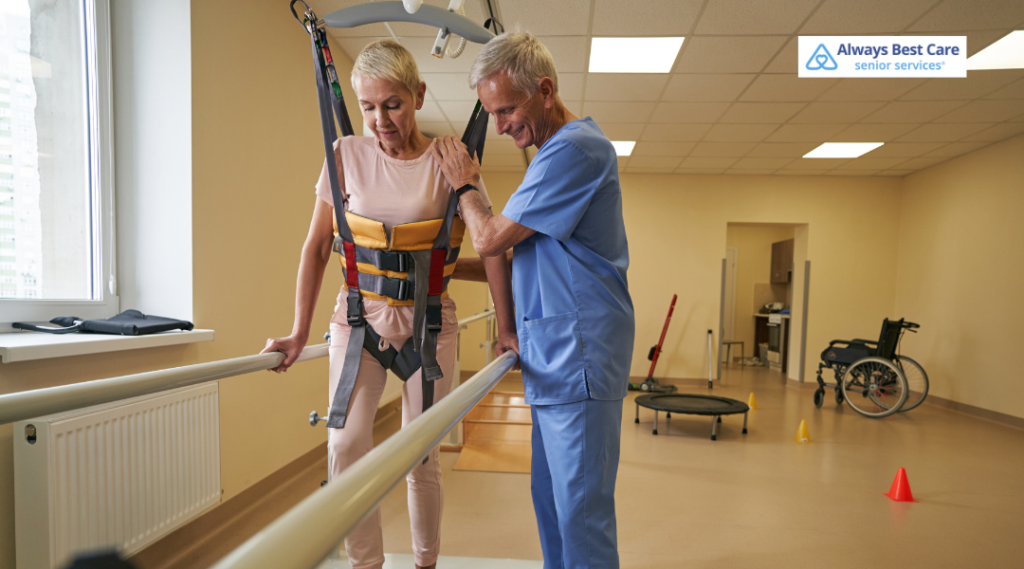
Table of Contents
What Companion Care Can Offer
Companion care is non-medical support focused on social connection, meaningful activities, and everyday assistance. For a stroke survivor, it can provide someone to talk with, share interests with, and help maintain a comfortable routine.
Depending on the provider’s services and the individual care plan, support may include:
- Conversation and attentive listening
- Help enjoying hobbies and familiar activities
- Assistance arranging calls or visits with friends and relatives
- Encouragement to follow routines established by the care team
- Help organizing the day around appointments, activities, and rest
- Accompaniment to suitable outings
- Practical household assistance that makes participation easier
These activities align with the American Stroke Association’s recommendations to support social gatherings, leisure activities, connection with loved ones, and a daily sense of purpose after stroke.
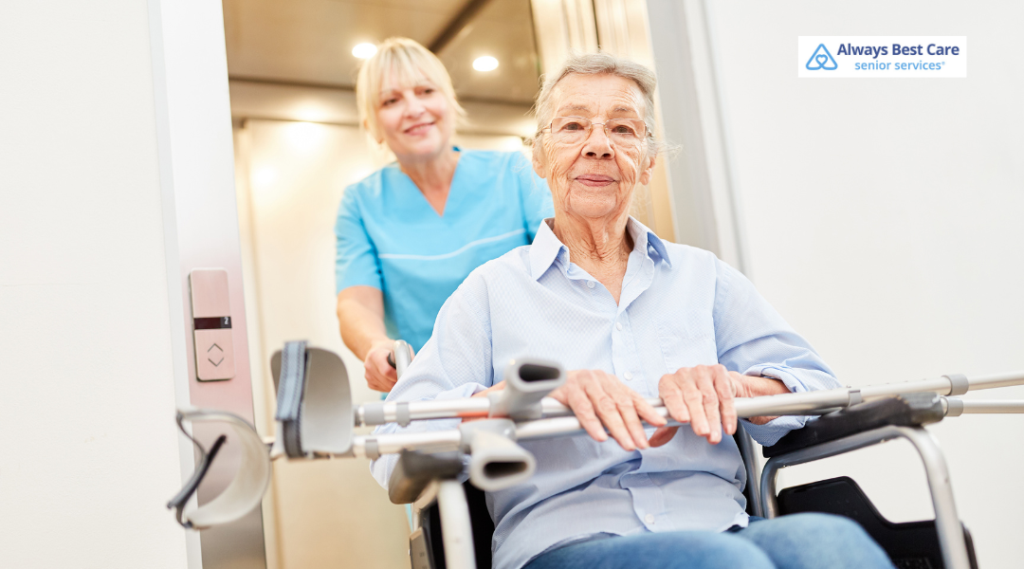
Create Opportunities for Connection
A stroke survivor may want company but feel uncertain about how to reconnect. Speaking may take more effort, getting ready for an outing may be tiring, or a busy gathering may feel overwhelming.
A companion can help make social time more manageable. That might mean arranging a short video call with a grandchild, sharing coffee with a friend at home, or helping the survivor prepare for a support-group meeting.
Connection does not need to involve a crowded event or a long conversation. A familiar voice, shared activity, or quiet moment together can offer reassurance and a sense of belonging. Stroke support networks can provide encouragement, shared experiences, and hope during recovery.

Communicate Patiently and Respectfully
Some stroke survivors experience aphasia, a condition that affects language. Others may have difficulty speaking clearly or processing information. Communication challenges should not be treated as a reason to exclude someone from conversation or decisions.
A companion can follow the speech-language pathologist’s recommendations and help create a supportive setting by:
- Reducing background noise
- Discussing one topic at a time
- Allowing time for a response
- Avoiding rushing or answering for the survivor unnecessarily
- Using pictures, gestures, or communication tools recommended by the therapist
- Including the survivor in choices about activities and routines
The American Stroke Association explains that gestures, pictures, and other alternative communication methods may be recommended when communication difficulties are significant. The goal is to help the person express themselves and stay connected.
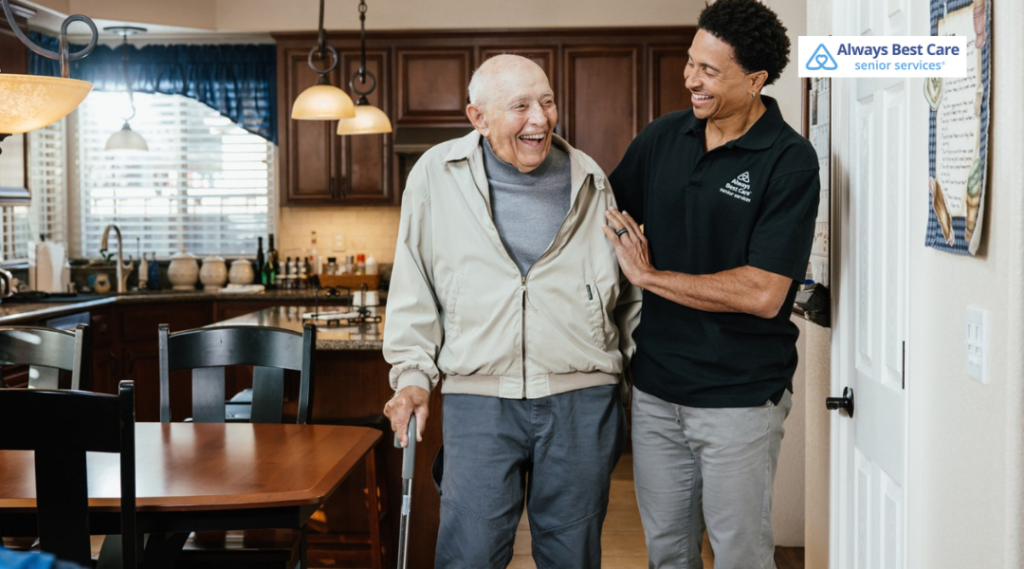
Bring Favorite Activities Back Into Daily Life
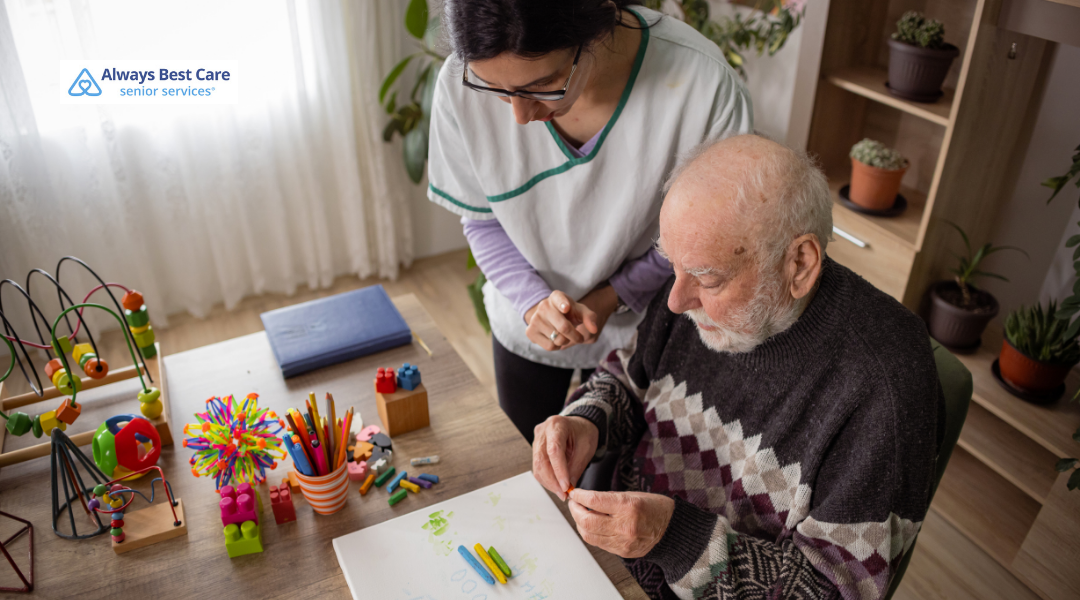
A stroke may change how someone participates in a hobby without eliminating their interest in it. Companion care can help families find manageable ways to reconnect with activities that matter.
For example, a survivor might enjoy:
- Listening to favorite music and discussing memories
- Looking through family photographs
- Reading together or listening to an audiobook
- Playing a familiar game with adaptations
- Watching a favorite team or program with someone
- Writing cards or messages with assistance
- Spending time outdoors when access and supervision are appropriate
Choose activities around the survivor’s preferences and current abilities rather than what others think they “should” enjoy. Leisure activities and social participation can help provide structure, purpose, and opportunities for connection after stroke.

Encourage Rehabilitation Goals Without Adding Pressure
A supportive companion can help a survivor remember appointments, prepare for the day, and follow routines recommended by the rehabilitation team. Encouragement should be patient and specific—not demanding.
For example, “Would you like to practice the activity your therapist recommended after you rest?” may feel more supportive than, “You need to try harder.”
Small, personally meaningful goals can also make progress easier to recognize. The American Stroke Association recommends starting with manageable goals and acknowledging accomplishments along the way.
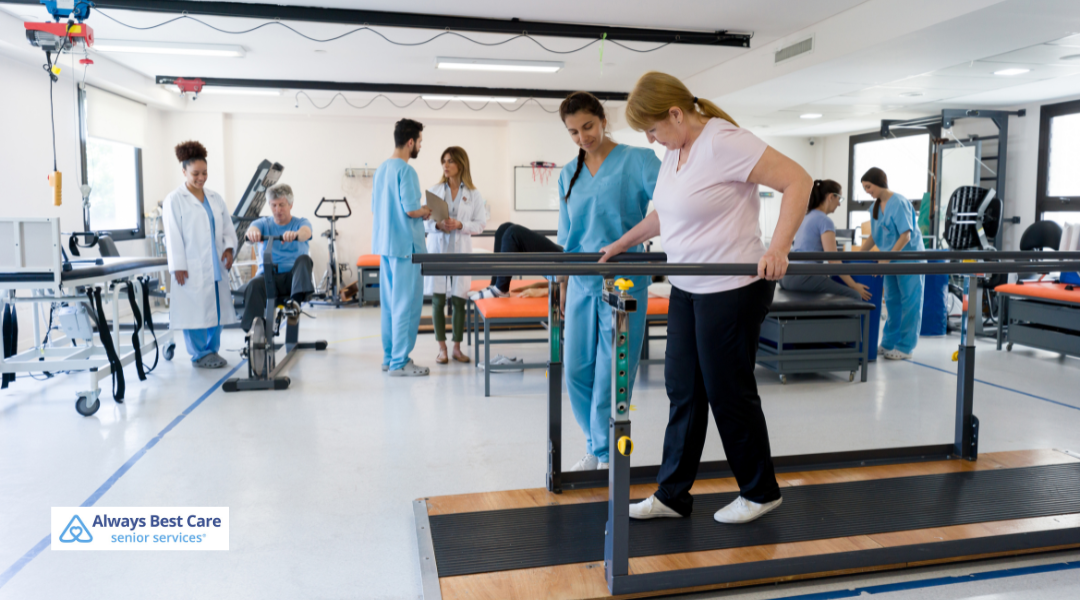
Companion care does not replace physical therapy, occupational therapy, or speech therapy. Any assistance with prescribed exercises, walking, or transfers should stay within the caregiver’s training, the provider’s service scope, and the rehabilitation team’s instructions. Stroke rehabilitation involves specialized treatment, while caregivers provide support around that plan.
Build a Routine That Includes Rest
An encouraging day does not have to be a busy day. A simple routine can include time for meals, prescribed rehabilitation activities, social connection, hobbies, and rest.
For example, a family might arrange:
- A relaxed morning conversation
- An appointment or care-team-approved activity
- A quiet rest period
- A favorite hobby or brief call with a relative
- Preparation for the next day
The schedule should remain flexible. The purpose is to provide structure and something to look forward to, not to turn every hour into a recovery task. Daily activities and achievable goals can support a sense of purpose after stroke.

Recognize When Emotional Changes Need Professional Help
A caring presence can offer comfort, but it cannot diagnose or treat depression. Persistent sadness, withdrawal, or other concerning emotional changes should be discussed with the healthcare team rather than dismissed as a lack of motivation.
The American Stroke Association notes that depression after stroke can become serious enough to interfere with functioning and recovery. Companion care can be one part of support, alongside appropriate medical or mental health care.
Give Family Caregivers Room to Recharge
Family members often manage appointments, household tasks, transportation, rehabilitation coordination, and emotional support. Even a devoted caregiver can become exhausted.
Having reliable help can create time to rest, work, attend personal appointments, or reconnect with friends. It can also allow family visits to focus more on the relationship and less on managing every responsibility.
The Family Caregiver Alliance recommends seeking help, protecting personal health, and using respite support to reduce caregiver burnout. Taking a break is not stepping away from a loved one—it is part of making care sustainable.
Baton Rouge Resources for Survivors and Families
The American Stroke Association lists a Baton Rouge Stroke Support Group for survivors and caregivers. The group provides emotional support, education, and a social outlet. Families can call 225-231-3123 to confirm current meeting details and participation options before attending.
The American Stroke Association’s Stroke Family Warmline at 888-478-7653 offers information, encouragement, and a listening ear for survivors and families. It is a support resource, not an emergency line.
Families can also ask their loved one’s rehabilitation team or hospital social worker about community programs, accessible activities, and caregiver resources suited to their circumstances.
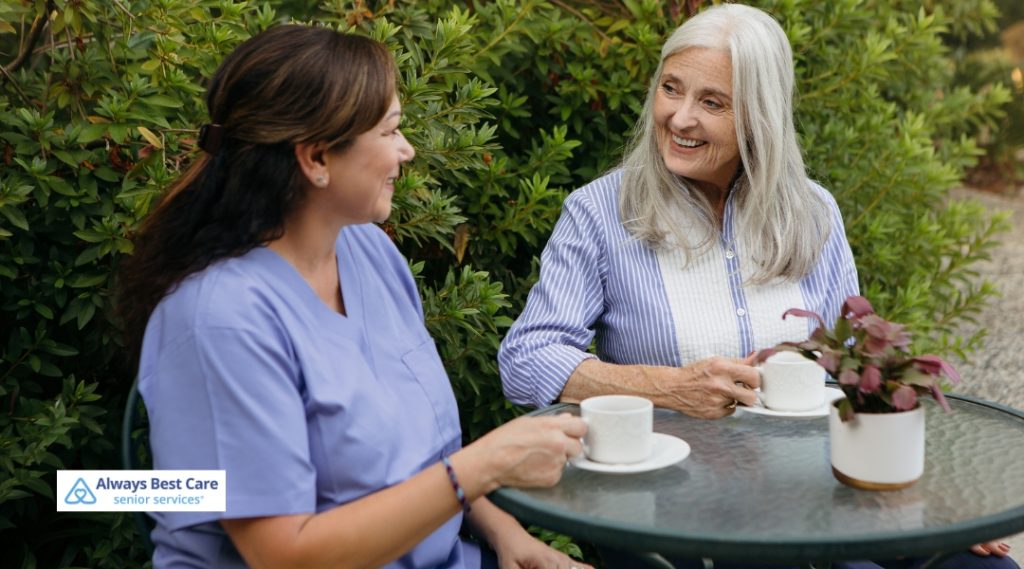
How Always Best Care of Baton Rouge Can Help
Contact Always Best Care of Baton Rouge to discuss available companion care and other non-medical in-home services. A personalized plan can consider your loved one’s interests, communication preferences, daily routines, and the assistance your family needs.
Ask about services such as companionship, help with meaningful activities, meal preparation, light housekeeping, transportation, and caregiver relief. Explain any mobility, transfer, or supervision needs so the team can determine what support it can safely provide.
The aim is to complement the healthcare team’s plan while helping your loved one feel included, respected, and connected at home.

FAQ
Q: Can companion care help a stroke survivor feel less isolated?
A: Regular companionship can create opportunities for conversation, shared activities, and social connection. These forms of support may help ease isolation, although persistent depression or significant emotional changes require professional guidance.
Q: Can a companion caregiver provide rehabilitation therapy?
A: No. Companion care is not a substitute for licensed rehabilitation services. A caregiver may support established routines and approved activities within their training and service scope, but treatment decisions belong to the healthcare and rehabilitation team.
Q: What if my loved one has difficulty speaking?
A: Ask the speech-language pathologist which communication strategies work best. A companion can use recommended approaches, allow extra time, and include the survivor in conversations and choices. Pictures or gestures may be useful for some people.
Q: How do we encourage participation without pushing too hard?
A: Offer choices, start with manageable goals, and acknowledge effort. Make room for rest and adjust expectations with the care team when activities become difficult. The goal is supportive participation, not pressure.
Q: Where can Baton Rouge families find stroke support?
A: The Baton Rouge Stroke Support Group offers support for survivors and caregivers; call 225-231-3123 to confirm details. The American Stroke Association’s Stroke Family Warmline at 888-478-7653 can also provide guidance and encouragement.
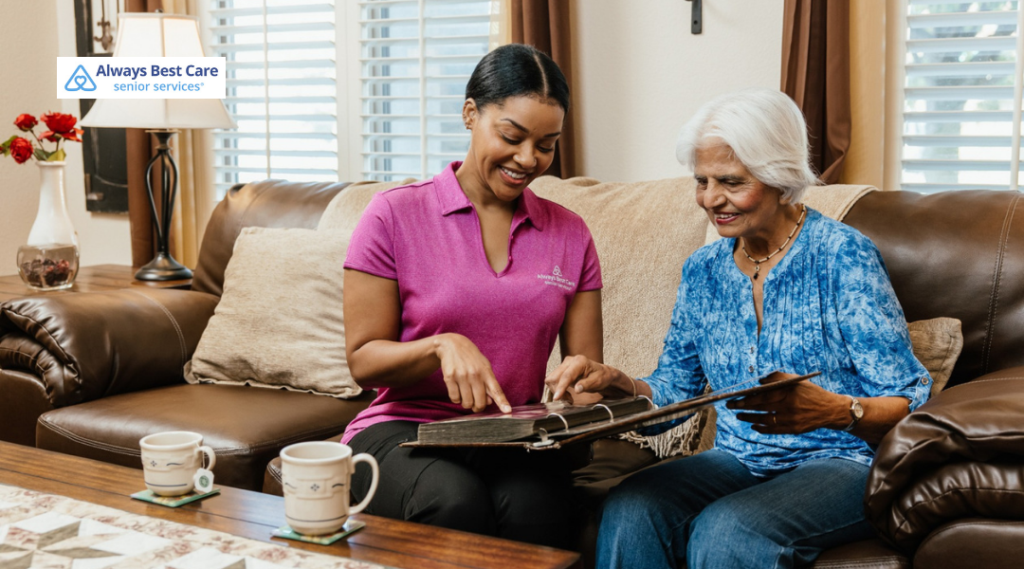
Make Connection Part of the Care Plan
Stroke recovery involves more than rebuilding physical abilities. Having someone to listen, share a favorite activity, and offer patient encouragement can make daily life feel more connected.
Contact Always Best Care of Baton Rouge to discuss companion care that reflects your loved one’s interests and routines while giving family caregivers practical support and time to recharge. Contact Always Best Care of Baton Rouge at (225) 771-8605 to learn more and schedule your free consultation.