Scams aimed at older adults aren’t just annoying—they can be downright devastating. In Henrico, as in many communities, con artists are getting sharper, smoother, and sneakier by the day. They know exactly what buttons to push, and they often zero in on older adults who appear trusting, polite, financially secure, or uneasy with new technology.
That sounds scary, but here’s the silver lining: once we know the tricks, we’re much harder to fool. By learning how senior scams work and recognizing the early warning signs, we can step in sooner, protect our loved ones, and cut fraudsters off at the knees.
What you will learn:
- Why our precious older adults are so frequently targeted, and the most common sneaky tricks scammers are using in Henrico.
- The telltale red flags and warning signs that will help you spot a scam before it causes any harm.
- Heartwarming, proactive ways your family and dedicated in-home caregivers can team up to build a wonderful protective shield around your cherished relatives.
- Gentle, clear action steps to take with love and confidence if you ever suspect a scammer has contacted your sweet family member.
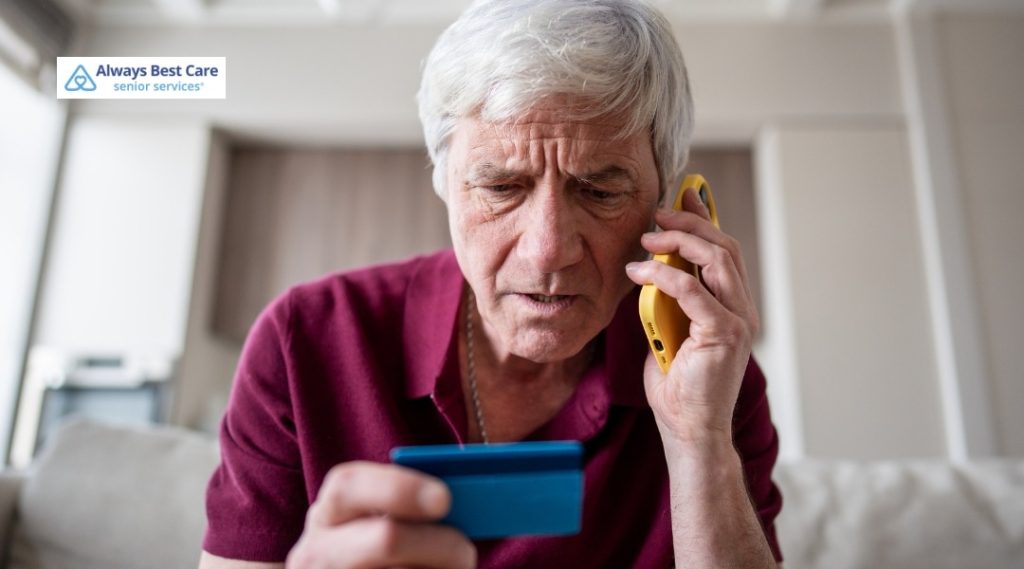
Table of Contents
Why Are Seniors So Often Targeted by Scammers?
It might feel like scammers have a radar for older adults—and in a way, they do. Many fraud schemes are designed with seniors in mind because scammers assume they may:
- Be more trusting or polite with strangers and hesitate to hang up or say “no”
- Have savings, retirement income, or home equity that make them attractive targets
- Live alone or have limited social contact, which can increase loneliness and vulnerability
- Feel less confident with technology, online banking, and digital security
Put all that together, and you get a group that scammers believe they can pressure, charm, or confuse. That’s exactly why awareness matters so much.
Common Senior Scams in Henrico
The tactics change, but the goal never does: get money or personal information. Here are some of the most frequent senior scams we see affecting families in and around Henrico.
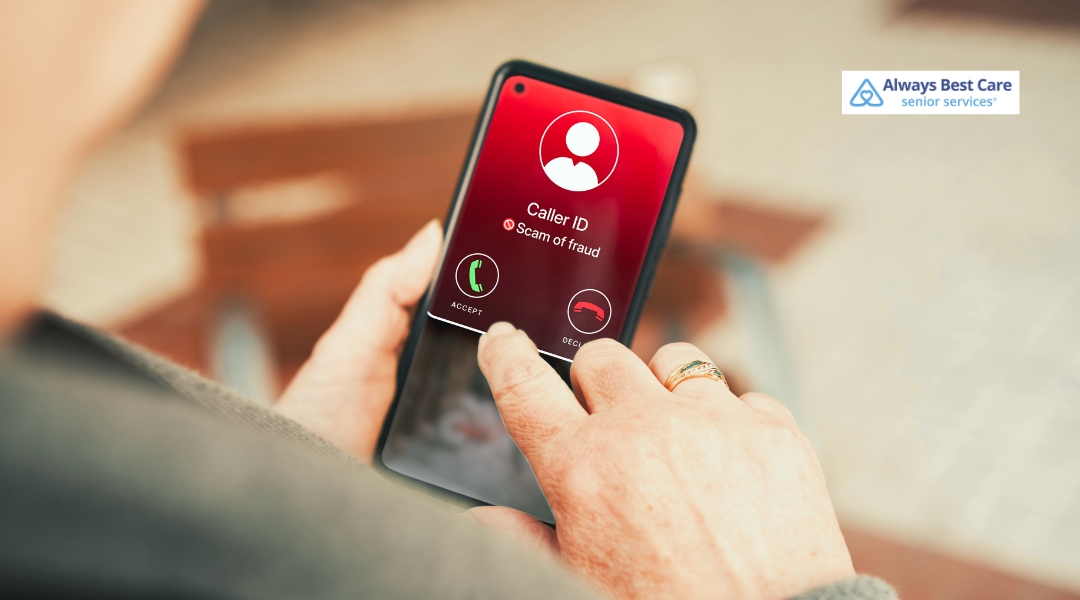
Phone Scams
Scammers call out of the blue and pretend to be:
- Government agencies (like Social Security or the IRS)
- Utility companies
- Banks
- Even grandchildren or relatives are “in trouble.”
They often:
- Create urgency (“Pay now or your benefits stop!”)
- Demand personal or financial information
- Insist on immediate payment
If a call demands action right now, that’s a huge red flag.
Email and Phishing Scams
These scams show up in inboxes and text messages and may look surprisingly legit. Messages may appear to be from:
- Banks or credit card companies
- Healthcare providers
- Popular retailers or shipping companies
They usually:
- Ask you to “verify” or “update” information
- Include links to fake websites that capture passwords, Social Security numbers, or account details
One careless click can open the door to identity theft.
Sweepstakes and Lottery Scams
Here’s a classic:
“You’ve won a massive prize! You just have to pay the fees or taxes first.”
The catch?
- There is no prize
- The “fees” go straight into the scammer’s pocket
- The pressure to pay quickly is intense
Any contest that demands payment before you receive winnings should set off alarm bells.
Romance Scams
Online relationships can feel very real, very fast. Romance scammers:
- Build emotional connections through social media or dating sites
- Spend weeks or months earning trust
- Eventually ask for money—often for “emergencies,” travel, or medical bills
By the time they ask for help, many seniors feel deeply attached and want to believe the story.
Tech Support Scams
These scams often start with a pop-up or a phone call saying:
- There’s a virus on the computer
- The device will stop working
- Important information has been “hacked.”
Scammers then:
- Ask for remote access to the computer
- Charge for fake repairs
- Sometimes install software that steals more information
A legitimate company will not cold-call demanding remote access to a device.
Warning Signs of Senior Scams: What Should You Watch For?
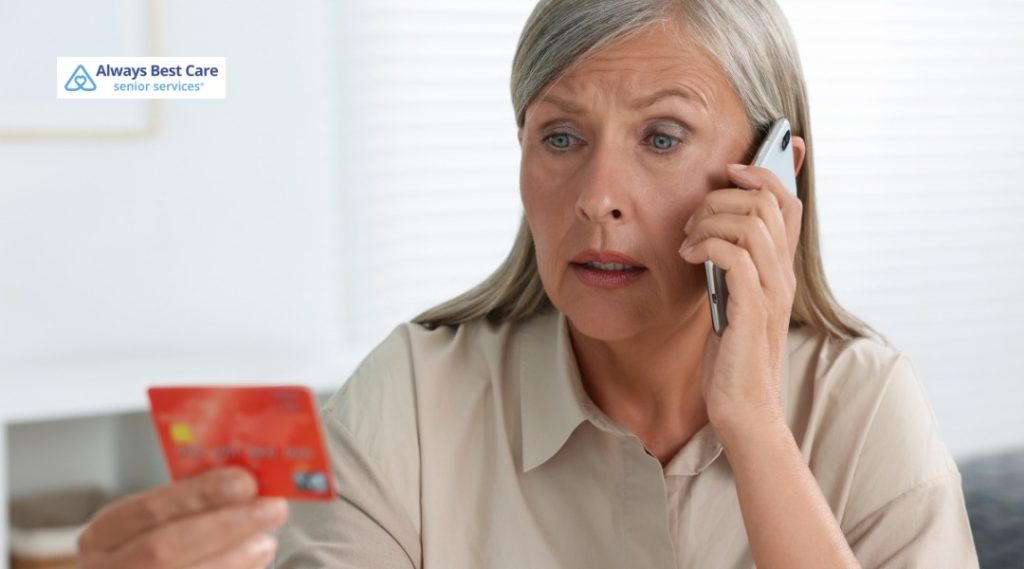
Scams tend to follow the same script, even if the details change. Some warning signs to watch for include:
- Demands for immediate payment or urgent decisions
- Requests for payment by gift cards, wire transfers, or cryptocurrency
- Unsolicited calls, texts, or emails asking for personal or financial details
- Messages that stir up fear, panic, or guilt
- Pressure to keep the situation secret from family or friends
If something feels “off,” that instinct is worth listening to. Pause, hang up, or close the message—and verify through a trusted number or website.
How Families in Henrico Can Help Protect Loved Ones
We don’t have to stand on the sidelines. Family involvement can stop scammers in their tracks. Helpful steps include:
- Talk openly about senior scams and how common they are
- Practice responses, like “I don’t share information over the phone” or “I’ll call the company directly.”
- Check bank and credit card statements for unfamiliar charges
- Set up call blocking, spam filters, and strong passwords
- Encourage “no quick decisions” on money matters—suggest a 24-hour rule before sending payments
And maybe most important:
- Create a judgment-free atmosphere so your loved one feels safe saying, “Something strange happened. Can we talk about it?”

The Role of In-Home Care in Preventing Senior Scams
Extra eyes and ears can make a world of difference. That’s where in-home care comes in.
At Always Best Care of Henrico, we see firsthand how regular support and companionship reduce risk. We:
- Help with screen phone calls and unexpected visitors
- Notice changes in mood, anxiety, or spending patterns
- Provide steady companionship, cutting down on loneliness—the very feeling scammers love to exploit
- Offer company, which lowers loneliness—and the appeal of a “friendly” scammer
- Encourage regular communication with family
Scammers often look for people who feel isolated. By keeping your loved one engaged, connected, and supported, we make it much harder for fraudsters to get a foothold.
What Should You Do If You Suspect a Scam?
If you think your loved one has been targeted—or even lost money—take action quickly, but gently.
Here’s a simple game plan:
- Contact the bank or credit card company right away to stop or reverse charges if possible.
- Report the scam to local law enforcement or adult protective services.
- Watch accounts closely for new or unusual activity.
- Offer emotional support, not blame. Many older adults feel embarrassed or guilty and may be afraid to speak up.
Shame is a scammer’s best ally. Reassurance and kindness are ours.
FAQs About Senior Scams in Henrico
Q: How can we talk about senior scams without scaring our loved ones?
A: Focus on empowerment, not fear. You might say, “Scams are getting clever, so let’s stay one step ahead together,” and share examples in a calm, matter-of-fact way.
Q: Are landline phones safer than cell phones for seniors?
A: Not really. Scammers call both. The key is caller awareness, not the type of phone. Call blocking and letting unknown numbers go to voicemail can help.
Q: Should my loved one ever share information over the phone?
A: As a rule, no—unless they initiated the call using a trusted number on a statement or official document. Unexpected callers should never get account numbers, Social Security numbers, or passwords.
Q: How does Always Best Care of Henrico help reduce scam risk?
A: We provide in-home support, companionship, and practical help with day-to-day tasks. By staying alert to unusual calls, visitors, or financial worries, we can flag concerns early and help keep families informed.
Q: What if my loved one keeps falling for senior scams?
A: That can be a sign they need more support. More frequent check-ins, financial safeguards, and consistent in-home care from us at Always Best Care of Henrico can strengthen protections and relieve some of the pressure on family members.

Don’t Wait—Protect Loved Ones from Senior Scams
Senior scams may be getting more sophisticated, but they’re not unbeatable. By watching for red flags, talking openly, and putting simple safeguards in place, we can protect the people we care about most.
At Always Best Care of Henrico, we’re dedicated to helping seniors stay safe, confident, and independent at home. If your loved one could use extra support and companionship, we’re ready to stand beside you and help protect them from scammers while supporting their everyday well-being.
Contact Always Best Care of Henrico at 804.324.3989 to learn more and schedule your consultation.
Link to the Markdown File version of this article.