Speech Therapy at Home in Rockville: How It Supports Seniors With Stroke or Neurological Conditions
Recovering from a stroke or managing a neurological condition can make everyday communication feel frustrating and unfamiliar. Words may come out slowly, sentences may not form the way they used to, and even simple conversations can feel exhausting.
That’s where Speech Therapy at Home: How It Supports Seniors With Stroke or Neurological Conditions becomes incredibly valuable. In the comfort of home, seniors often feel more at ease, which creates a better environment for rebuilding essential communication skills.
What you will learn:
- How speech therapy at home in Rockville helps seniors regain communication skills and confidence after a stroke or neurological conditions.
- The common speech and language challenges seniors face, and how therapy addresses them in a familiar setting.
- The key benefits of at-home therapy include comfort, consistency, and family involvement in the recovery process.
- How caregivers and professional support work together to improve quality of life and encourage steady progress.
Table of Contents
Understanding Speech and Communication Challenges
Stroke and neurological disorders can interfere with how the brain processes language and controls the muscles used for speech. As a result, seniors may struggle to express themselves or understand others clearly.
Conditions such as aphasia can affect language comprehension and expression, while dysarthria may cause slurred or slowed speech due to weakened muscles. Apraxia, on the other hand, disrupts the brain’s ability to coordinate the movements needed for speaking. These challenges don’t just affect communication; they can also impact confidence, relationships, and overall independence.

What Is Speech Therapy at Home?
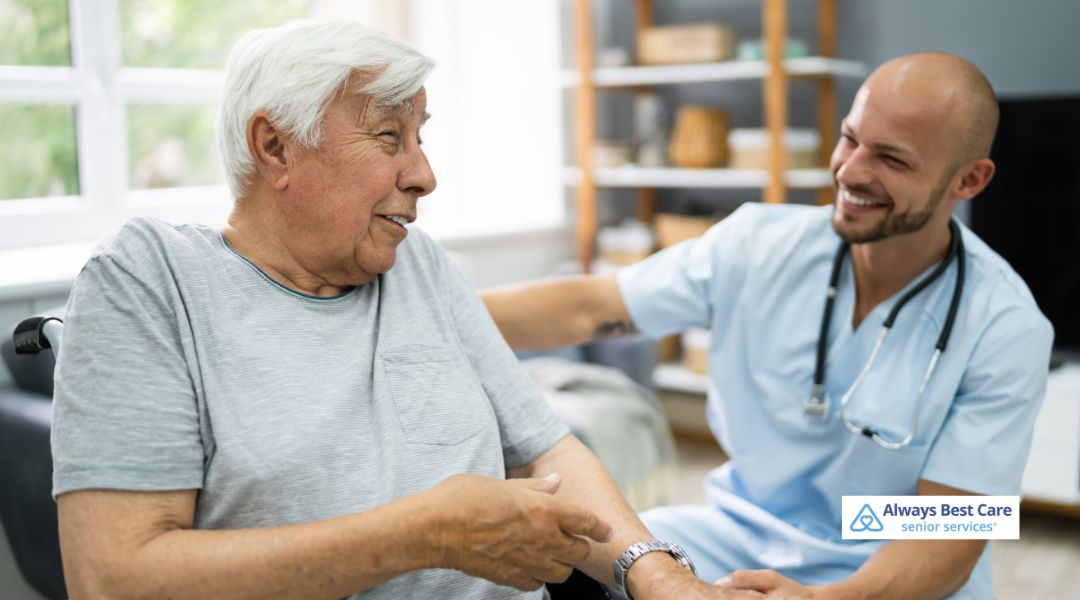
Speech therapy at home brings professional care directly into a senior’s daily environment. Instead of traveling to a clinic, therapy sessions take place in familiar spaces like the living room or kitchen, where real-life interactions happen.
This approach allows therapists to create personalized plans that reflect the senior’s actual routines and needs. It also removes the stress of transportation, making it easier to stay consistent with therapy.
Key Benefits of Speech Therapy at Home
There’s something powerful about healing in a familiar setting. Being at home often reduces anxiety, which helps seniors engage more fully in therapy sessions. The convenience factor cannot be ignored either, especially for those with limited mobility.
Another major advantage is the involvement of family members, who can observe sessions and learn how to support progress between visits. Therapy becomes less of a scheduled task and more of a natural part of everyday life.

How Speech Therapy Supports Stroke Recovery
After a stroke, the brain begins the process of rewiring itself, a concept known as neuroplasticity. This process relies heavily on repetition and consistent practice.
Speech therapy plays a central role by guiding seniors through exercises that help them relearn how to form words, strengthen the muscles used in speech and swallowing, and rebuild cognitive communication skills. Progress may feel gradual, but over time, these small steps often lead to meaningful improvements in daily interactions.
Supporting Neurological Conditions Beyond Stroke
Speech therapy isn’t limited to stroke recovery. Seniors living with conditions such as Parkinson’s disease or dementia can also benefit greatly from ongoing support. As these conditions evolve, therapy adjusts to meet changing needs.
The focus may shift toward maintaining clarity in speech, preserving communication abilities, and introducing alternative ways to express thoughts and needs. Even modest improvements can make a noticeable difference in a senior’s quality of life.

Techniques Used in Speech Therapy at Home
Therapists use a range of techniques tailored to each individual. Some exercises focus on improving pronunciation and clarity, while others aim to rebuild vocabulary and sentence structure.
Cognitive exercises help strengthen memory and attention, which are essential for effective communication. For those experiencing swallowing difficulties, specialized techniques can make eating and drinking safer. Because therapy happens at home, these exercises can easily connect to real-life situations, making them more practical and effective.
The Role of Caregivers and Family Members
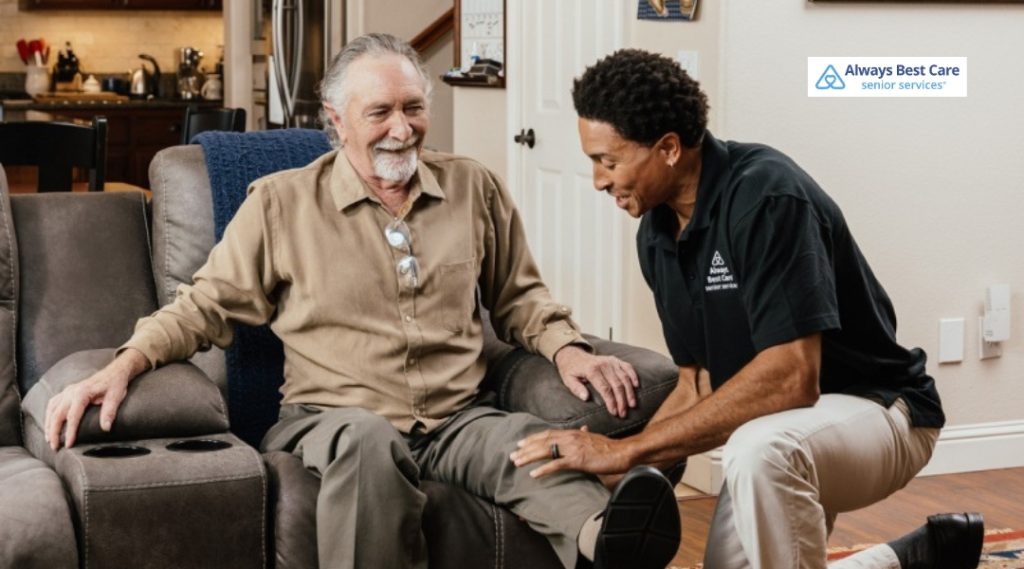
Caregivers and family members play a crucial role in the success of speech therapy. With guidance from therapists, they can help reinforce exercises and encourage consistent practice.
Speaking clearly, being patient, and creating a calm environment all contribute to better outcomes. Over time, this support system helps seniors feel more confident and less isolated in their recovery journey.
Signs a Senior May Need Speech Therapy
Changes in communication can sometimes be subtle at first. A senior might struggle to find the right words, speak less clearly, or have difficulty understanding conversations.
In some cases, swallowing problems or sudden changes after a stroke may appear. Recognizing these signs early and seeking support can make a significant difference in recovery and long-term outcomes.

Choosing the Right Home Care Provider
Selecting a home care provider requires careful consideration. Experience and proper credentials are essential, but so is a personalized approach that respects each senior’s unique needs.
Strong communication between the provider, the senior, and their family helps ensure that everyone stays aligned. A provider who collaborates with other healthcare professionals can offer a more comprehensive level of care.
How Always Best Care of Rockville Can Help
Always Best Care of Rockville offers dedicated support for seniors who need speech therapy at home. Their approach focuses on compassionate care, tailored therapy plans, and a commitment to improving quality of life.
By working closely with families, they help seniors regain confidence in their ability to communicate while remaining in a comfortable and familiar environment.
Frequently Asked Questions
Q: What is speech therapy at home?
A: Speech therapy at home involves a licensed therapist providing personalized support in a senior’s living environment, helping improve communication, cognitive skills, and swallowing abilities.
Q: How does speech therapy help stroke patients?
A: It helps rebuild language skills, strengthen speech muscles, and improve understanding through structured and repetitive exercises tailored to recovery goals.
Q: Can speech therapy help with neurological conditions?
A: Yes, it can support seniors with conditions like Parkinson’s or dementia by maintaining communication abilities and adapting strategies as needs change.
Q: How often should therapy sessions take place?
A: The frequency depends on the senior’s condition, but consistent sessions combined with daily practice tend to produce the best results.
Q: Is speech therapy at home effective?
A: Many seniors benefit greatly from home-based therapy because it takes place in a comfortable setting and integrates naturally into daily routines.
Helping Seniors Thrive Through Speech Therapy at Home
Relearning how to communicate isn’t just about words; it’s about reconnecting with the world. Speech Therapy at Home: How It Supports Seniors With Stroke or Neurological Conditions offers a practical, compassionate way to support their journey.
With the right care, patience, and environment, seniors can regain not only their communication skills but also their confidence and sense of independence.
If you’re ready to help a loved one take that next step, reach out to Always Best Care of Rockville at (301) 637-0233 today and discover how personalized, in-home support can make all the difference.
Link to the Markdown File version of the link