

Elder Abuse Prevention in Rockville: Keeping Seniors Safe, Respected, and Supported

Every senior deserves kindness, safety, and respect, plain and simple. Elder abuse, however, can slip in quietly, often where families least expect it, which is why staying aware and involved matters so much in Rockville.
By learning what elder abuse looks like, watching for warning signs, and knowing how to respond, families in Rockville can play a powerful role in protecting the older adults they love. With the right support, prevention becomes an everyday practice, not just a reaction when something goes wrong.
What You Will Learn
- What elder abuse is, the common ways it can show up, and why it can be hard to spot at first.
- Key warning signs and risk factors that may put Rockville seniors at greater risk.
- Practical, caring steps families can take to stay connected, ask the right questions, and support caregivers.
- What to do if something feels wrong, including how to respond, document concerns, and get trusted help.
Table of Contents
Elder Abuse Prevention in Rockville: What It Means
Elder abuse refers to harm, neglect, or exploitation that affects an older adult’s physical or emotional well‑being. It can happen at home, in care facilities, or within trusted relationships, which is why it’s not always obvious at first.
Common Forms of Elder Abuse
- Physical harm – pushing, hitting, rough handling, or using restraints in a harmful way
- Emotional harm – threats, insults, humiliation, bullying, or isolation from friends and family
- Financial misuse – stolen money, pressured financial decisions, or sudden changes to accounts or legal documents
- Neglect – missed meals, poor hygiene, lack of clean clothing, or skipped medical appointments
- Abandonment – leaving a senior without needed support or supervision
Understanding these patterns helps Rockville families notice problems earlier and step in with confidence.

Warning Signs Families Should Watch For
Sometimes the signs are loud; other times, they’re barely a whisper. Either way, families should pay close attention to changes that don’t make sense.
Possible Red Flags
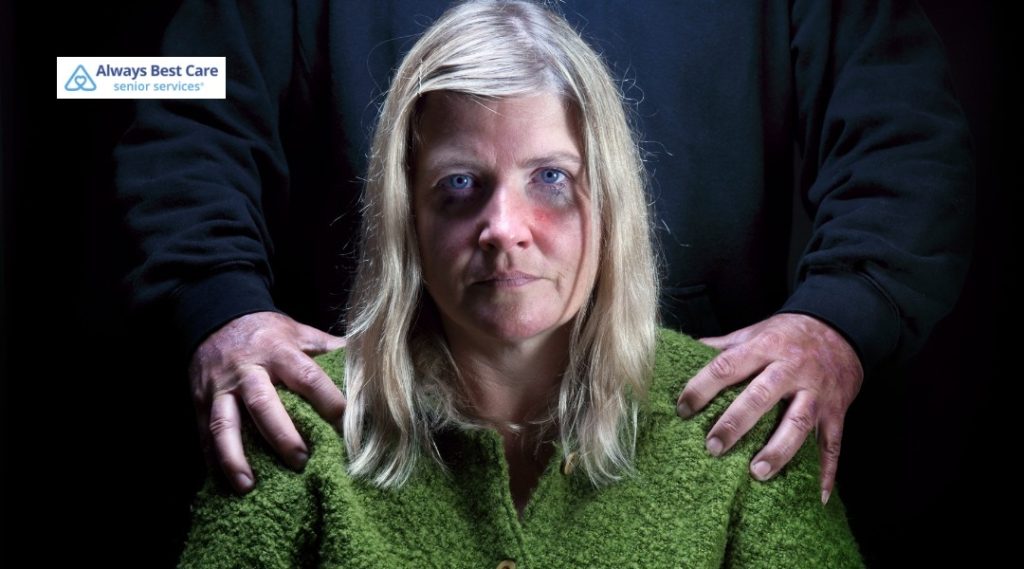
- Unexplained bruises, cuts, burns, or frequent falls
- Sudden fearfulness, anxiety, or withdrawal from normal activities
- Poor grooming, dirty clothing, or a home that feels noticeably unkempt
- Missing cash, odd withdrawals, unpaid bills, or new “helpers” involved in finances
- A senior who seems tense, hesitant, or unusually quiet around a specific person
- Changes in sleep, appetite, mood, or communication that appear out of character
One change alone may not tell the whole story, but several together, especially if they show up suddenly, deserve closer attention and gentle questions.
Why Some Seniors in Rockville Are More at Risk
Certain situations can make an older adult more vulnerable. That doesn’t mean abuse is guaranteed, but it does mean everyone should be extra mindful and supportive.

Common Risk Factors
- Social isolation – few visitors, rare outings, or limited contact with loved ones
- Memory loss or confusion – difficulty explaining events or remembering what happened
- Physical limitations – needing daily help with bathing, dressing, walking, or using the bathroom
- Financial dependence – relying heavily on others to manage money and bills
- Caregiver stress – burnout, exhaustion, or feeling overwhelmed with responsibilities
When Rockville families recognize these factors early, they can share the load, strengthen oversight, and reduce the opportunities for abusers to slip in.
Elder Abuse Prevention in Rockville: Smart Steps for Families
Prevention is less about fear and more about connection. Regular, caring involvement makes it harder for mistreatment to hide.

Everyday Actions That Help
- Stay in touch
Visit or call often, and vary times when possible so you get a real picture of daily life. - Ask thoughtful questions
Try specific, caring questions like, “Do you feel safe and respected?” or “Is anyone speaking to you in a way that upsets you?” - Keep an eye on money matters
Review statements together, watch for unusual transactions, and be cautious about new people suddenly involved in finances. - Build a circle of support
Involve neighbors, friends, faith communities, and trusted professionals, so more than one person is looking out for your loved one. - Support the caregiver, too
Offer breaks, respite care, and honest conversations about stress before burnout turns into poor decisions or neglect.
Small, consistent actions like these add up to a safer, more supported life for seniors in Rockville.
How Professional In‑Home Care Helps in Rockville
High‑quality in‑home care does more than help with daily tasks; it adds structure, accountability, and compassionate oversight.
A trusted in‑home care team in Rockville can:
- Provide carefully screened, trained caregivers who treat seniors with respect
- Communicate openly with families about changes in mood, behavior, or health
- Help with meals, hygiene, mobility, and routines so neglect is less likely to take root
- Offer companionship, which reduces isolation and gives seniors more chances to speak up if something is wrong
When families and professional caregivers work as partners, seniors gain both independence and safety.
What to Do If You Suspect Elder Abuse
If something feels “off,” don’t ignore that feeling. Acting calmly but promptly is far better than wishing you had done more.
Simple Steps to Take
- Speak privately with your loved one
Choose a quiet, safe space and a gentle tone. Let them know you’re on their side and there to listen. - Write down what you notice
Include dates, times, visible injuries, behavior changes, and anything that seems unusual with finances or care. - Reach out for help
Contact local adult protective services, talk with healthcare providers, or call law enforcement if you believe there is immediate danger. - Review and adjust the care plan
Change caregivers if needed, increase visits, or add trusted in‑home support to strengthen daily oversight.
Taking these steps sends a clear message: your loved one’s safety and dignity are non‑negotiable.
Frequently Asked Questions
Q: What is often the first sign of elder abuse?
A: There isn’t just one “first” sign. Unexplained injuries, fearfulness, withdrawal, or strange financial changes can all be early signals that something isn’t right.
Q: Can elder abuse happen even in caring families?
A: Yes. Abuse and neglect can appear in any setting, including loving families—especially when stress, burnout, or financial strain go unaddressed.
Q: How can we help reduce the risk for a loved one in Rockville?
A: Stay involved, keep communication open, watch for changes, and consider trusted in‑home care to provide extra support and oversight.
Q: How can in‑home care services help with prevention?
A: A reliable in‑home care team can provide consistent, respectful support, watch for warning signs, and communicate with families so concerns are addressed early.

Standing Up for Rockville Seniors
Elder abuse prevention in Rockville is really about awareness, connection, and steady follow-through. When families stay engaged, ask questions, and lean on trusted support, seniors are far more likely to live with safety, dignity, and peace of mind.
At Always Best Care of Rockville, compassionate in-home support is centered on respect, safety, and genuine care. Reach out at (301) 597-1610 today to talk through your concerns, explore care options, and learn how the right at-home support can help your loved one feel more secure, comfortable, and cared for.
Link to the Markdown File version of the article