Wound Care at Home: When Is Skilled Nursing Needed in Rockville?
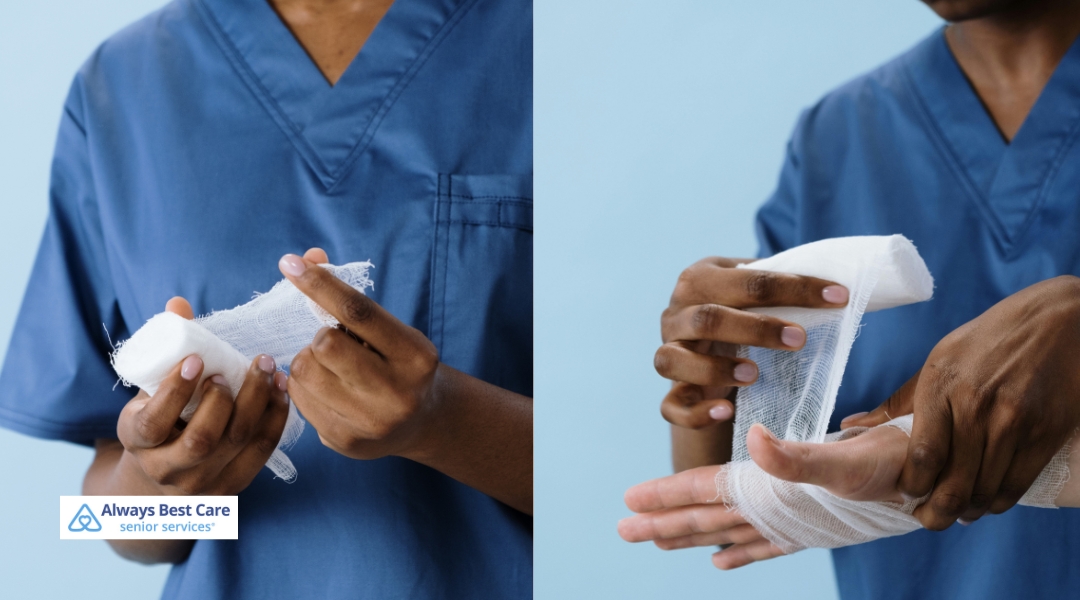
Managing a wound at home sounds straightforward — until it isn’t. For older adults, even a small cut or skin tear can turn into a serious health issue if it’s not treated correctly. Slower healing, chronic conditions, and age-related skin changes all raise the stakes.
Knowing when to handle wound care at home and when to bring in a skilled nurse can make a real difference in how well and how quickly a senior recovers.
What You Will Learn
- How aging, chronic health conditions, and limited mobility can affect wound healing for older adults.
- Which wound types and warning signs may mean it is time to seek skilled nursing care.
- How skilled home health nurses provide clinical wound support, monitor healing, and guide families.
- How in-home caregivers and simple prevention habits can support safer healing and everyday comfort at home.
Table of Contents
How Aging Changes the Way Wounds Heal
Skin becomes thinner and more fragile with age, making it easier to injure and harder to repair. The body’s natural healing process slows down, and the immune response that fights infection becomes less efficient.
Several factors compound this:
- Chronic conditions like diabetes, heart disease, and peripheral artery disease reduce blood flow and oxygen delivery to tissue — both essential for healing.
- Medications such as blood thinners, steroids, and immunosuppressants can interfere with clotting and tissue repair.
- Nutritional deficiencies are common in older adults. Low protein, vitamin C, zinc, and inadequate hydration all slow wound closure.
- Limited mobility increases the risk of pressure injuries, particularly in seniors who spend extended time in bed or a wheelchair.
Understanding these factors helps families recognize why a wound that seems minor may need more attention than expected.
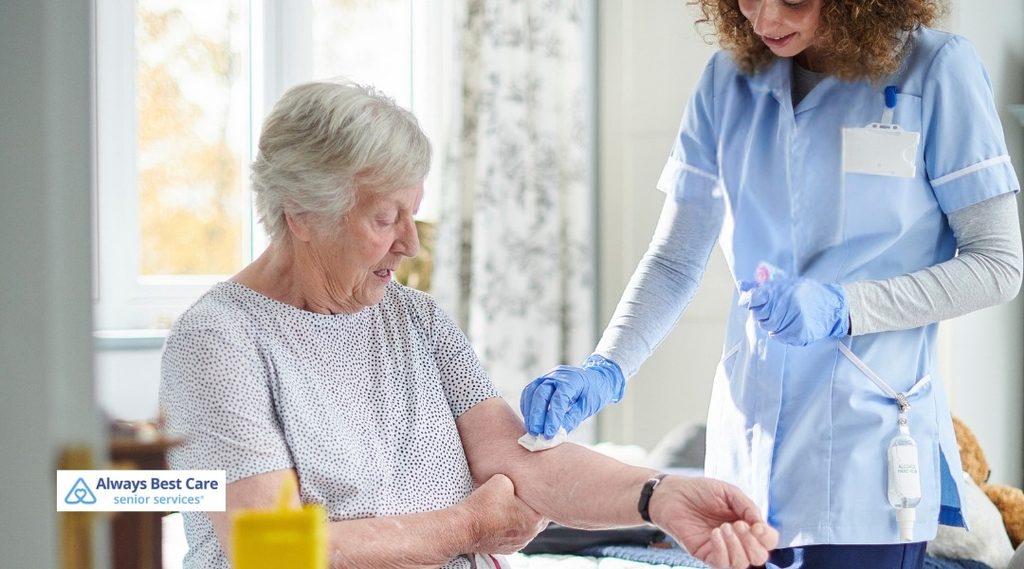
Types of Wounds That Often Require Skilled Nursing
Not every wound needs a nurse, but certain types carry a higher risk of complications and benefit from professional oversight.
Pressure injuries (bedsores): Caused by prolonged pressure on the skin, these can progress quickly from surface redness to deep tissue damage. Early-stage wounds can often be managed with repositioning and proper skin care, but Stage 3 and Stage 4 injuries require skilled wound care.
Diabetic foot ulcers: Poor circulation and nerve damage make these wounds particularly difficult to heal and prone to infection. Left untreated, they can lead to serious complications.
Surgical incisions: Post-operative wounds need monitoring for signs of dehiscence (reopening) or infection, especially in the first few weeks after a procedure.
Venous and arterial ulcers: These chronic wounds, often on the lower legs, are linked to circulation problems and require specialized dressings and compression therapy.
Skin tears: Common in older adults with fragile skin, skin tears may look minor but can be tricky to close properly and are vulnerable to infection.
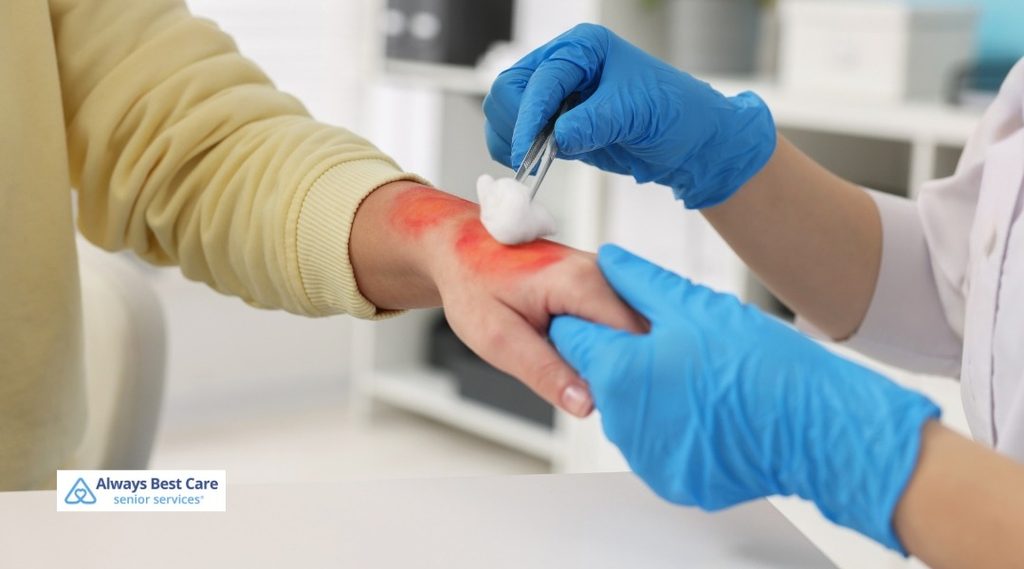
Burns: Even minor burns in seniors warrant professional evaluation due to the increased risk of infection and slower healing.
Warning Signs That a Wound Needs Medical Attention
Families providing wound care at home should monitor closely and contact a healthcare provider if they notice:
- Increasing redness, warmth, or swelling around the wound
- Discharge that is cloudy, yellow, green, or has an unusual odor
- The wound edges pulling apart or the wound growing larger
- Skin that looks dark, black, or necrotic (dead tissue)
- Fever, chills, or confusion — which may signal a systemic infection
- No visible improvement after 2–4 weeks of consistent care
In seniors with diabetes or compromised circulation, these signs can escalate quickly. When in doubt, it’s always better to have a professional assess the wound sooner rather than later.
What a Skilled Home Health Nurse Does for Wound Care in Rockville
When a physician orders skilled nursing as part of a home health plan, a registered nurse visits the senior at home to provide clinical wound care. This goes well beyond what most family caregivers can safely do on their own.
Skilled nursing wound care typically includes:
- Wound assessment: Measuring the wound, documenting its appearance, and tracking changes over time
- Debridement: Removing dead or damaged tissue that can block healing (when ordered by a physician)
- Dressing changes: Selecting and applying the appropriate dressing based on wound type, drainage, and healing stage
- Infection monitoring: Identifying early signs of infection and communicating with the care team
- Patient and family education: Teaching caregivers how to care for the wound between visits and what to watch for
- Care coordination: Keeping the physician and other providers informed of the wound’s progress
This level of care is especially important after a hospital discharge, surgery, or when a wound has stalled and isn’t progressing as expected.
Preventing Pressure Injuries Before They Start
For seniors with limited mobility, prevention is a critical part of wound care. Pressure injuries are largely preventable with the right approach.
Key prevention strategies include:
- Repositioning regularly — at least every two hours for bed-bound seniors, and more frequently if skin is already compromised
- Using pressure-relieving equipment such as specialized mattresses, cushions, and heel protectors
- Keeping skin clean and dry, especially in areas prone to moisture (skin folds, under briefs)
- Inspecting high-risk areas daily — heels, sacrum, hips, elbows, and the back of the head
- Supporting good nutrition and hydration to give the body what it needs to maintain healthy skin
A skilled nurse can assess a senior’s pressure injury risk and work with the care team to put a prevention plan in place.
How In-Home Caregivers Support the Healing Process
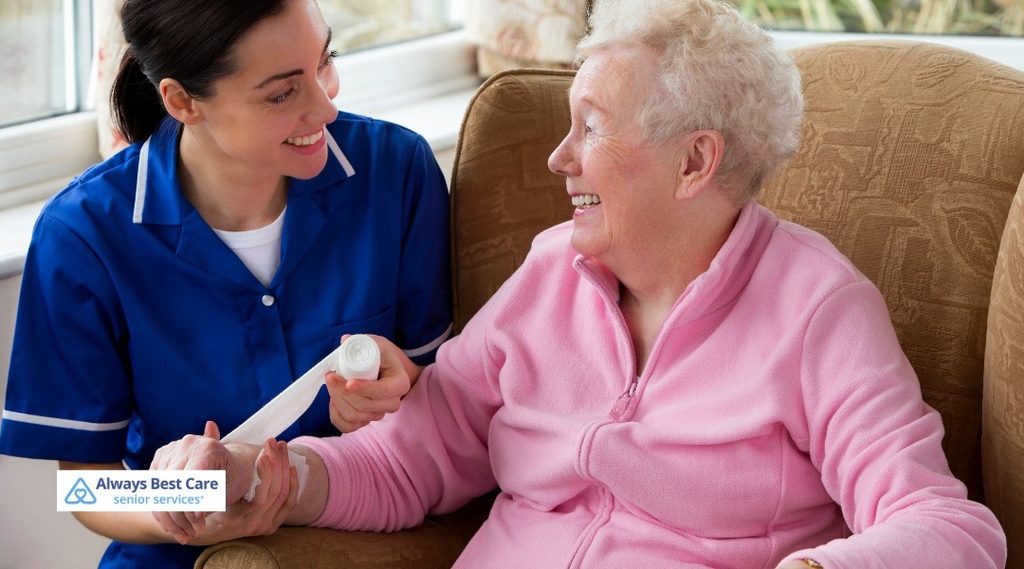
Skilled nursing addresses the medical side of wound care, but recovery also depends on how well a senior is supported day to day. In-home caregivers play an important complementary role.
A caregiver can help with:
- Preparing nutritious meals that support healing
- Encouraging adequate fluid intake
- Assisting with repositioning and mobility
- Keeping the living environment clean and safe
- Reminding seniors to take prescribed medications
- Observing and reporting any changes in the wound or the senior’s overall condition
When home health nursing and in-home caregiving work together, seniors get both the clinical care and the daily support they need to recover safely at home.
Frequently Asked Questions
Q: When does a wound require skilled nursing instead of basic home care?
A: A wound typically requires skilled nursing when it involves a surgical incision, shows signs of infection, is not healing after several weeks, or is associated with a condition like diabetes or poor circulation. A physician’s order is required for skilled nursing services under Medicare or most insurance plans.
Q: Can Medicare cover skilled nursing wound care at home?
A: Yes. Medicare Part A covers home health services, including skilled nursing for wound care, when a physician certifies that the patient is homebound and requires skilled care. The care must be provided by a Medicare-certified home health agency.
Q: How often will a skilled nurse visit for wound care?
A: Visit frequency depends on the wound type, severity, and the physician’s orders. Some wounds require daily visits; others may need a nurse two to three times per week. The nurse will adjust the schedule based on how the wound is progressing.
Q: What should I do if I notice a wound is getting worse between nursing visits?
A: Contact the home health agency or the senior’s physician right away. If the senior develops a fever, confusion, or the wound shows signs of rapid deterioration, seek emergency care.
Q: Can an in-home caregiver change wound dressings?
A: Non-medical caregivers are generally not trained or licensed to perform clinical wound care such as dressing changes ordered by a physician. However, they can assist with keeping the area clean, monitoring for visible changes, and supporting the senior’s overall recovery.
Supporting Safer Healing at Home in Rockville
Wound care is one area where the right support can genuinely change outcomes. Families don’t have to navigate complex wounds alone, and they shouldn’t have to guess when something looks wrong.
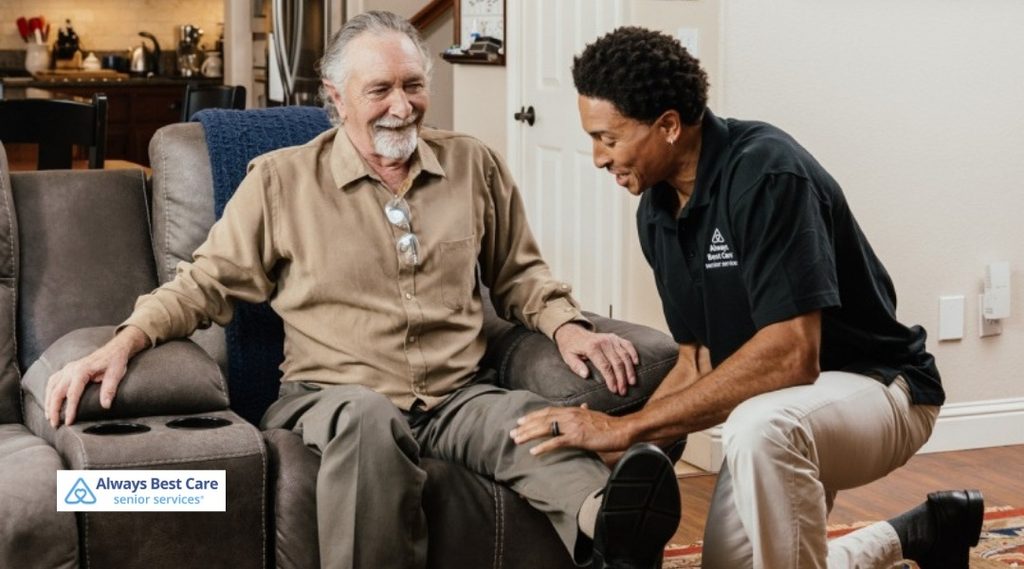
Always Best Care of Rockville provides services designed to help older adults heal safely and comfortably at home. Depending on your loved one’s needs and what’s available in your area, support may include skilled nursing through a home health referral and in-home caregiving for daily assistance.
If your loved one is recovering from a wound, surgery, or another medical issue and needs extra help at home, contact Always Best Care of Rockville at (301) 597-1610 to schedule a care consultation.
Link to the Markdown File version of the article