

Blood Sugar Changes in Older Adults: Warning Signs Families Should Know in Rockville
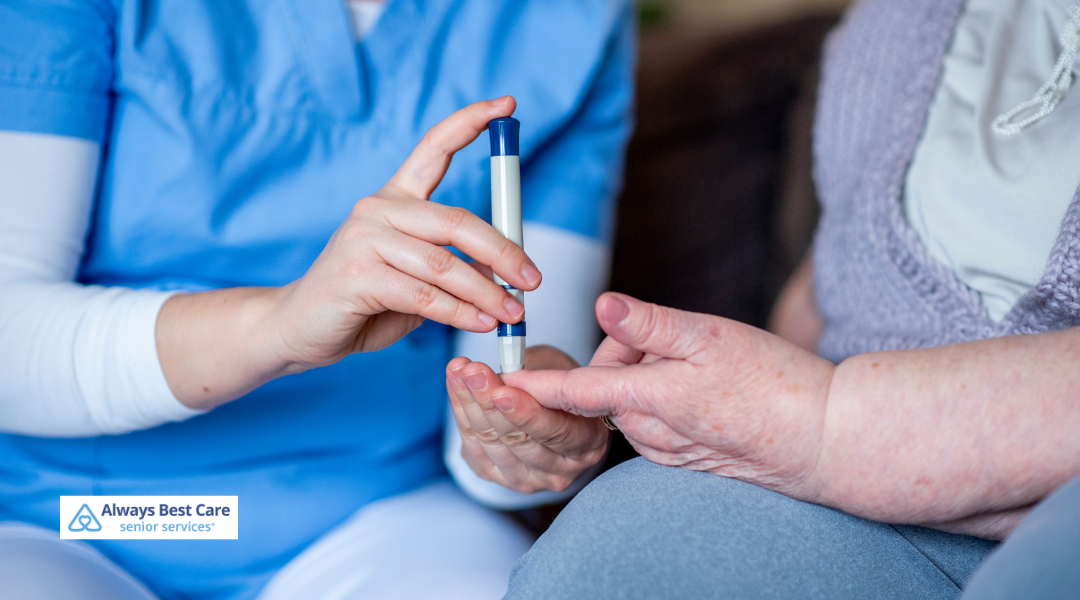
As people age, managing blood sugar becomes more complex even for seniors who have lived with diabetes for decades. Shifts in metabolism, kidney function, appetite, and daily routines can all quietly alter how the body handles glucose. For families in Rockville caring for an older loved one, understanding these changes isn’t just helpful, it can be life-saving.
Blood sugar changes can feel harder to manage as a loved one gets older, but a little awareness can make a meaningful difference. This guide helps Rockville families recognize warning signs, understand what can affect daily diabetes care, and find supportive ways to help an older adult stay safer at home.
What You Will Learn
- Why aging, medications, memory, and routine changes can affect blood sugar.
- How to recognize possible signs of low and high blood sugar in older adults.
- What everyday changes families can watch for and share with a care team.
- How dependable routines and in-home support can make diabetes care more manageable.
Table of Contents
The Aging Body and Blood Sugar: What Changes and Why
Diabetes doesn’t stay static. The same treatment plan that worked well at 60 may need adjustments at 75. Several age-related factors can make blood sugar harder to control:
- Declining kidney function affects how medications are processed and cleared from the body, which can increase the risk of low blood sugar in seniors on certain diabetes drugs.
- Reduced appetite and irregular eating — whether from dental issues, medication side effects, or simply less interest in food — can cause unexpected glucose dips.
- Polypharmacy (taking multiple medications) increases the chance of drug interactions that affect blood sugar levels.
- Cognitive changes can make it difficult to remember medications, meals, or glucose checks — all of which directly impact control.
- Decreased physical activity due to mobility limitations can reduce insulin sensitivity over time.
Understanding these factors helps families move from reactive to proactive care.
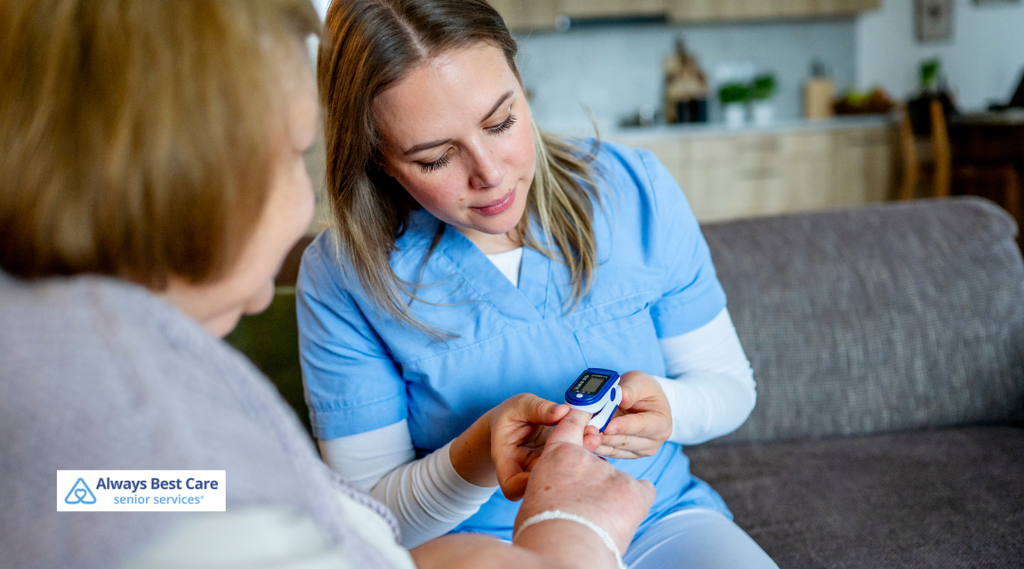
Recognizing Low Blood Sugar (Hypoglycemia)
Low blood sugar occurs when glucose drops below a safe threshold. In older adults, hypoglycemia can be especially dangerous because the body’s warning signals often become less pronounced with age.
Common symptoms include:
- Shaking or trembling
- Sudden sweating
- Dizziness or lightheadedness
- Unexplained hunger
- Headache
- Irritability or mood changes
- Difficulty concentrating or speaking clearly
- Confusion or disorientation
- Loss of coordination
Why it’s trickier in seniors: Many of these symptoms overlap with common aging complaints — fatigue, unsteadiness, or forgetfulness. This overlap means hypoglycemia can go unrecognized until it becomes severe.
Severe hypoglycemia can lead to seizures, loss of consciousness, or falls. If a loved one is unresponsive or cannot safely swallow, call 911 immediately.
Recognizing High Blood Sugar (Hyperglycemia)
Unlike hypoglycemia, high blood sugar tends to develop gradually, which makes it easier to overlook — especially in seniors who may not report symptoms clearly.
Watch for:
- Increased thirst or dry mouth
- Frequent urination, especially at night
- Blurred vision
- Persistent fatigue or weakness
- Slow-healing wounds or recurring infections
- Unexplained weight loss
- Headaches
Chronically elevated blood sugar causes cumulative damage to the eyes, kidneys, nerves, and cardiovascular system. But even in the short term, very high glucose levels can trigger a medical emergency. Symptoms like severe confusion, labored breathing, or loss of consciousness require immediate emergency care.

Spotting Changes from Your Loved One’s Baseline
You don’t need a medical degree to be an effective advocate for a diabetic senior. What you need is familiarity with their normal — and the willingness to act when something feels off.
Ask yourself:
- Is my loved one more tired or irritable than usual?
- Are they drinking more water or using the bathroom more frequently?
- Have they seemed confused or unsteady at times when they’re usually sharp?
- Have their eating habits changed recently?
These observations are valuable clinical data. Share them with the senior’s healthcare provider, and don’t dismiss them as “just aging.” Early intervention can prevent a manageable situation from becoming a crisis.
If your loved one has diabetes, work with their doctor to understand their personal glucose targets, how often to monitor, and which symptoms warrant a call versus a 911 response.
Building Routines That Support Stable Blood Sugar
Consistency is one of the most powerful tools in diabetes management. Predictable daily habits reduce the variability that leads to dangerous highs and lows.
A supportive routine may include:
- Scheduled meals and snacks at consistent times each day
- Medication adherence — taken at the right time, in the right dose
- Regular glucose monitoring as directed by the care team
- Adequate hydration throughout the day
- Appropriate physical activity suited to the senior’s abilities
- Routine medical appointments to adjust the care plan as needed
Families play a key role here. Keeping an updated list of all medications and supplements — and sharing it with every provider — helps avoid interactions that can destabilize blood sugar.
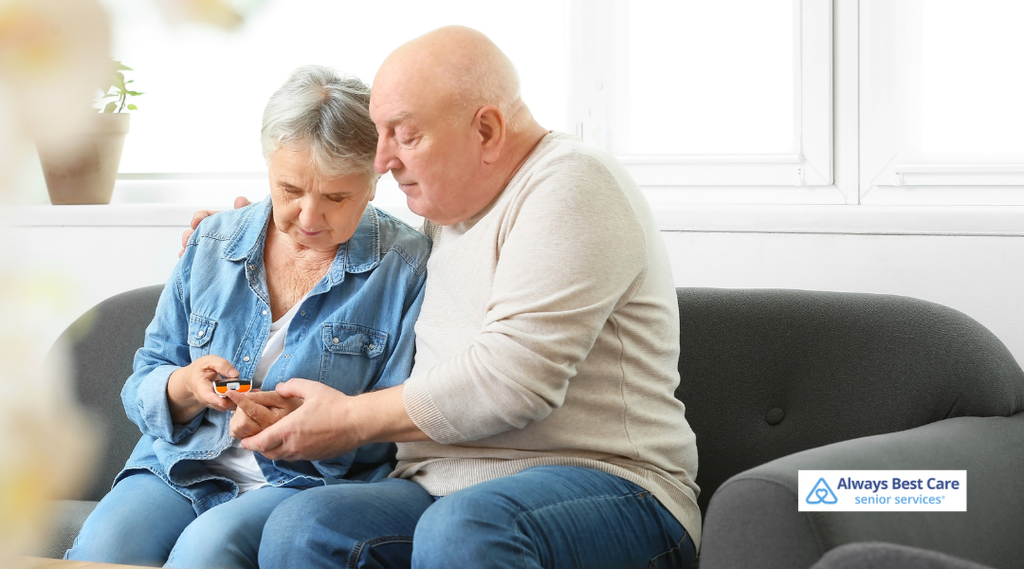
When Memory or Mobility Complicate Diabetes Management in Rockville
For many seniors, the challenge isn’t knowledge — it’s execution. Dealing with diabetes requires remembering multiple steps every single day, and cognitive or physical limitations can make that genuinely difficult.
Cognitive challenges may lead to:
- Forgotten medications or double doses
- Skipped meals or inconsistent eating
- Missed glucose checks or appointments
Physical challenges may include:
- Arthritis or tremors that make glucose meters hard to use
- Vision changes that affect reading labels or medication instructions
- Mobility limitations that reduce activity or make grocery shopping difficult
When these barriers emerge, it’s often a signal that in-home support could make a meaningful difference in both safety and quality of life.
How Always Best Care of Rockville Can Help
Living well with diabetes is about far more than numbers on a glucose meter. It’s about consistent meals, reliable routines, safe activity, and having someone nearby who notices when something isn’t right.
Always Best Care of Rockville caregivers provide hands-on daily support, including preparing nutritious meals, offering medication reminders, encouraging hydration and appropriate movement, coordinating transportation to medical appointments, and alerting family members or healthcare providers when changes in condition arise.
For seniors who qualify, home health services can layer in clinical support — skilled nursing, wound care, and condition monitoring — tailored to the individual’s care plan.

Frequently Asked Questions
Q: What blood sugar level is considered dangerous for an older adult?
A: Generally, blood sugar below 70 mg/dL is considered low (hypoglycemia), and above 180 mg/dL after meals may indicate hyperglycemia — though individual targets vary. Always follow the thresholds set by the senior’s healthcare provider, as goals for older adults are often adjusted based on overall health.
Q: Can older adults have low blood sugar without feeling symptoms?
A: Yes. This is called hypoglycemia unawareness and is more common in older adults and those who have had diabetes for many years. The body’s hormonal response to low glucose can become blunted over time, making regular monitoring especially important.
Q: How often should a senior with diabetes check their blood sugar?
A: Frequency depends on the type of diabetes, medications used, and the individual’s health status. Some seniors may need to check multiple times daily; others less frequently. This should be determined by their care team.
Q: What should I do if I think my loved one is having a blood sugar emergency?
A: If they are conscious and able to swallow safely, a fast-acting carbohydrate (like juice or glucose tablets) can help with low blood sugar. If they are confused, unconscious, or you are unsure, call 911 immediately. Do not attempt to give food or drink to someone who cannot swallow safely.
Q: How can a home caregiver help with diabetes management?
A: A trained caregiver can assist with meal preparation, medication reminders, hydration, transportation to appointments, and monitoring for behavioral or physical changes that may signal a blood sugar issue. They serve as an important link between the senior and their healthcare team.
Helping Your Loved One Stay Safe with Diabetes
Blood sugar can shift quickly, and older adults don’t always feel or communicate those changes clearly. The families who make the biggest difference are the ones who stay engaged, know their loved one’s patterns, and act early when something seems off.
If your loved one has diabetes and could benefit from consistent, compassionate support at home, Always Best Care of Rockville is here to help. Contact us at (301) 597-1610 to schedule a care consultation and learn how our team can support safer routines, greater independence, and a better quality of life.
Link to the Markdown File version of the article