

Living Well with COPD in Rockville: How Seniors Can Manage Symptoms and Stay Comfortable at Home
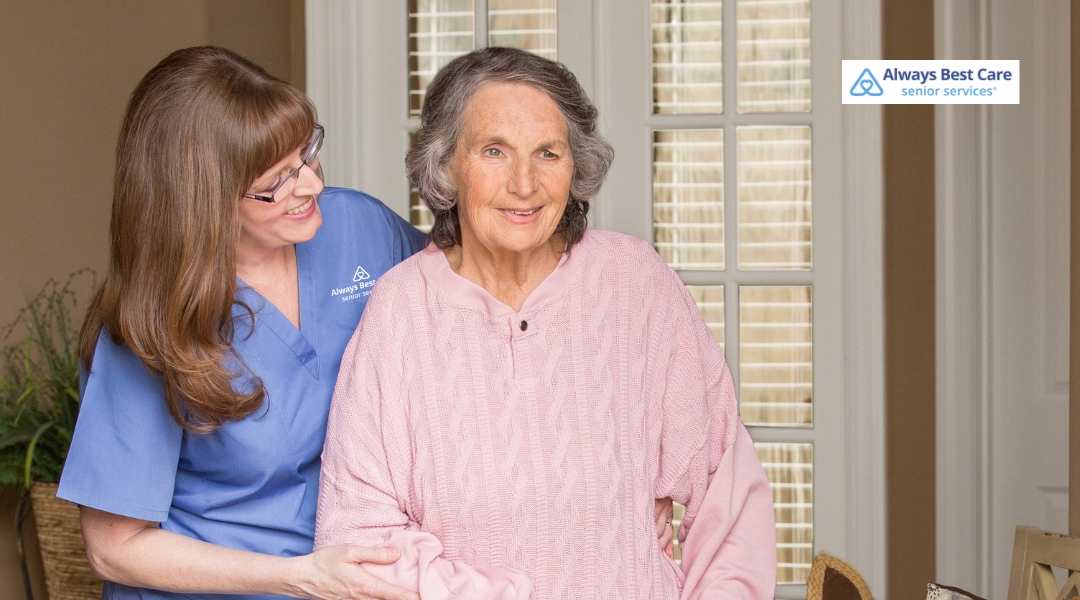
Chronic Obstructive Pulmonary Disease (COPD) is one of the most common long-term respiratory conditions affecting older adults. For seniors in Rockville, managing COPD at home requires more than just medication; it takes consistent daily habits, a supportive environment, and the right people by your side.
The good news? With the right approach, seniors with COPD can breathe easier, stay active, and maintain a meaningful quality of life without leaving the comfort of home.
What you will learn:
- How COPD affects seniors and the early signs to watch for.
- Simple ways to create a safer, more breathable home environment.
- Everyday habits like movement, breathing techniques, and nutrition that support easier breathing.
- How to recognize worsening symptoms and the role of in-home care in staying comfortable and independent.
Table of Contents
Understanding COPD: More Than Just Breathlessness
COPD is an umbrella term for progressive lung diseases, primarily chronic bronchitis and emphysema, that restrict airflow and make breathing increasingly difficult. What makes COPD particularly challenging for seniors is its gradual progression. Many older adults dismiss early symptoms as simply “getting older.”
Watch for these warning signs:
- Persistent cough or wheezing that doesn’t go away
- Shortness of breath during routine tasks like walking or dressing
- Chest tightness, especially in the morning
- Frequent respiratory infections
- Unexplained fatigue or low energy
Early diagnosis and proactive management are the most powerful tools available. The sooner COPD is identified and addressed, the better the long-term outcome.
Building a COPD-Friendly Home Environment
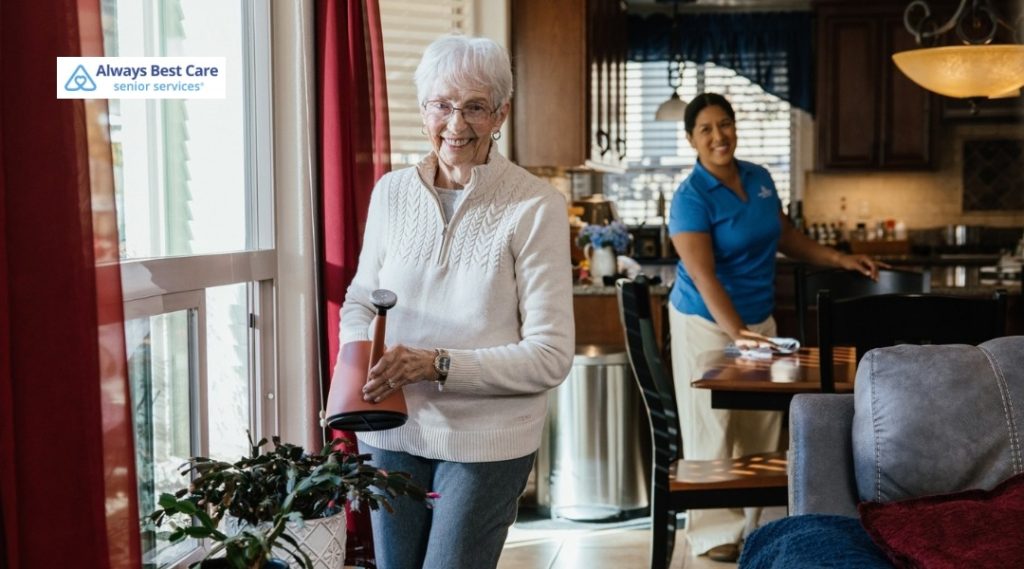
For seniors in Rockville managing COPD, the home itself plays a critical role in symptom control. Indoor air quality can be just as impactful as medication.
Practical steps to improve your home environment:
- Replace HVAC filters regularly and consider a HEPA air purifier
- Eliminate smoking indoors, including secondhand smoke
- Switch to fragrance-free cleaning products
- Open windows on low-pollen days to improve ventilation
- Reduce clutter that collects dust and allergens
A cleaner, better-ventilated home directly reduces the frequency and severity of COPD flare-ups.
Staying Active Without Overdoing It
It may seem counterintuitive, but gentle, consistent movement is one of the best things a senior with COPD can do. Regular physical activity strengthens the muscles involved in breathing, improves circulation, and boosts overall energy levels.
The key is finding the right balance, an activity that challenges without exhausting.
Senior-friendly movement options include:
- Short, flat-surface walks at a comfortable pace
- Chair-based stretching or yoga
- Breathing-focused exercises like tai chi
- Pulmonary rehabilitation programs, which are specifically designed for people with lung conditions
Always consult a healthcare provider before starting a new exercise routine, and never push through significant shortness of breath.
Mastering Breathing Techniques
Two breathing techniques are widely recommended for COPD management and can be practiced anywhere, anytime:
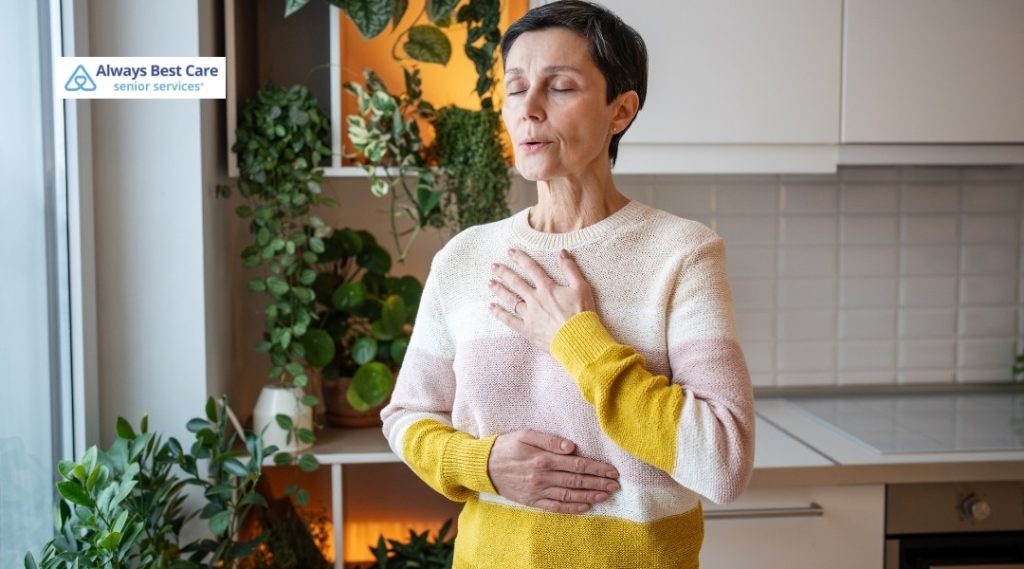
Pursed-Lip Breathing: Inhale slowly through the nose for two counts, then exhale through pursed lips (as if blowing out a candle) for four counts. This slows breathing, keeps the airways open longer, and reduces breathlessness.
Diaphragmatic Breathing: Place one hand on the chest and one on the belly. Breathe in deeply so the belly rises more than the chest. This engages the diaphragm fully and improves oxygen exchange.
Practicing these techniques daily, not just during flare-ups, helps seniors build the habit and respond more calmly when symptoms intensify.
Nutrition and Hydration: The Overlooked Pillars
What seniors eat and drink directly impacts respiratory health. Staying well-hydrated helps thin mucus secretions, making them easier to clear. Dehydration, on the other hand, can thicken mucus and worsen breathing difficulties.
Dietary tips for seniors with COPD:
- Eat smaller, more frequent meals to avoid a full stomach pressing on the diaphragm
- Prioritize lean proteins, colorful vegetables, and whole grains
- Limit foods that cause bloating or gas, which can make breathing uncomfortable
- Avoid excessive caffeine or alcohol, which can interfere with sleep and hydration
Good nutrition also supports immune function, which is especially important since respiratory infections can trigger serious COPD flare-ups.

Recognizing a Flare-Up Before It Escalates
One of the most important skills for seniors and caregivers is knowing when COPD symptoms are moving beyond the baseline. Acting early can prevent a flare-up from becoming a medical emergency.
Seek prompt medical attention if you notice:
- A noticeable increase in shortness of breath
- Mucus that changes in color (yellow, green) or increases in volume
- Fever or chills suggesting infection
- New or worsening confusion or disorientation
- Inability to complete activities that were manageable before
Having an action plan, developed with a physician, gives seniors and families a clear roadmap for responding to changing symptoms.
How Always Best Care of Rockville Supports Seniors with COPD
Managing COPD is a daily commitment, and it doesn’t have to be carried alone. Always Best Care of Rockville provides personalized in-home support that helps seniors stay comfortable, safe, and independent.
Our caregivers assist with:
- Medication reminders and monitoring for symptom changes
- Light housekeeping to maintain clean, allergen-reduced living spaces
- Meal preparation focused on respiratory-supportive nutrition
- Encouragement and companionship during daily routines
- Transportation to pulmonologist appointments and follow-up visits
For seniors who need a higher level of medical support, our home health services connect families with skilled nursing professionals who work alongside physicians to manage complex care needs.
Living with COPD is challenging, but with consistent support, seniors in Rockville can continue to thrive at home on their own terms.

Frequently Asked Questions About COPD and Senior Home Care
Q: Can COPD be reversed or cured?
A: COPD cannot be cured or fully reversed, but it can be effectively managed. With the right treatment plan, lifestyle adjustments, and in-home support, many seniors experience significant improvement in their symptoms and quality of life.
Q: How do I know if my loved one’s COPD is getting worse?
A: Key warning signs include increased shortness of breath, more frequent flare-ups, changes in mucus color or volume, new confusion, and difficulty completing everyday tasks. If you notice these changes, contact their healthcare provider promptly.
Q: Is it safe for a senior with COPD to live alone?
A: It depends on the severity of the condition. Many seniors with mild to moderate COPD can live independently with the right support systems in place, including in-home caregivers, medical alert devices, and regular check-ins from family or care professionals.
Q: What triggers COPD flare-ups at home?
A: Common triggers include dust, pet dander, mold, strong fragrances, smoke, cold air, and respiratory infections. Reducing exposure to these irritants through better air quality management is one of the most effective preventive strategies.
Q: How can a caregiver help someone with COPD without overstepping?
A: The best caregivers balance assistance with respect for independence. This means offering reminders rather than taking over, encouraging activity without pushing limits, and being present without being overbearing. Always Best Care caregivers are trained to support seniors in ways that preserve dignity and autonomy.
Staying Independent While Managing COPD at Home
If your loved one is living with COPD and could benefit from extra support at home, Always Best Care of Rockville is here to help.
Call Always Best Care of Rockville today at (301) 637-0233 to schedule a care consultation and learn how our caregivers can support your loved one’s respiratory health and overall comfort at home.
Link to the Markdown File version of the article