Home Health for Stroke Recovery: Therapy, Monitoring, and Support in Rockville
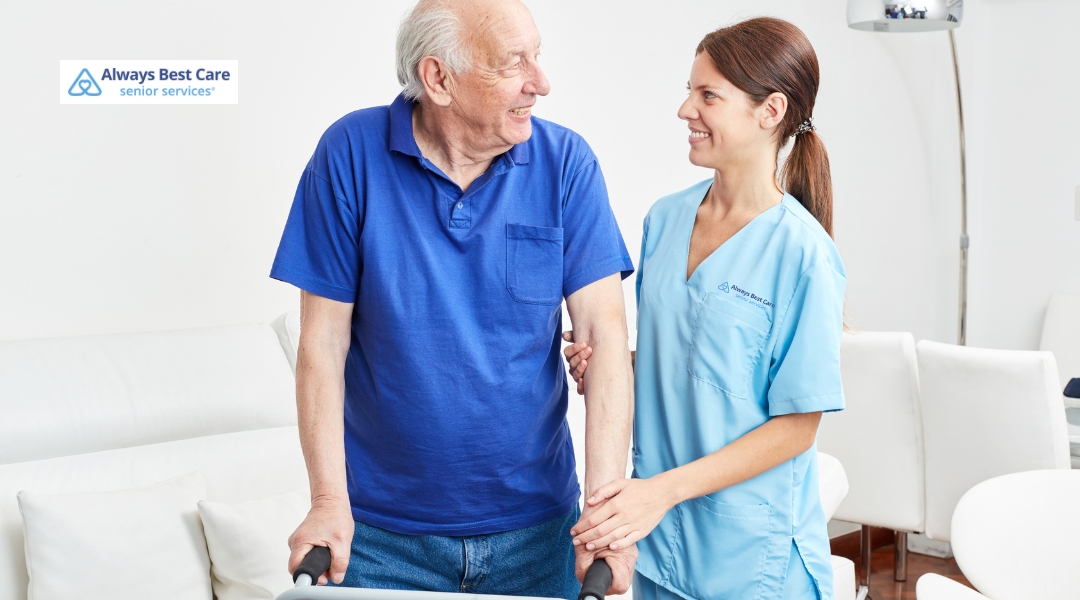
Returning home after a stroke is a significant milestone, but it is rarely the end of the recovery journey. For many seniors, the weeks and months following discharge are when consistent, skilled support matters most. Home health services enable stroke survivors to continue their recovery in a familiar environment, surrounded by the people and routines that bring them comfort.
At Always Best Care of Rockville, our home health team works alongside physicians, therapists, and families to deliver coordinated care that addresses the full scope of stroke recovery, including medical, physical, and emotional needs.
What you will learn:
- How home health services support stroke recovery and make the transition from hospital to home smoother and safer.
- The vital roles of skilled nursing, physical therapy, and occupational therapy in rebuilding strength, mobility, and independence.
- Ongoing monitoring and early intervention are key to preventing complications and keeping recovery on track.
- How emotional support and compassionate care help stroke survivors feel loved, motivated, and confident during their journey.
Table of Contents
The Challenges Stroke Survivors Face at Home
A stroke can disrupt nearly every aspect of daily life. Depending on the severity and location of the stroke, survivors may experience:
- Weakness or paralysis on one side of the body
- Difficulty with speech or swallowing
- Memory loss or cognitive changes
- Trouble with balance and coordination
- Emotional shifts, including depression or anxiety
These challenges do not resolve overnight. Without ongoing professional support, seniors are at a higher risk of complications, falls, and hospital readmission. Home health services bridge the gap between inpatient rehabilitation and independent living.
Skilled Nursing: Medical Oversight Where It Matters Most
A licensed home health nurse provides the medical foundation of stroke recovery at home. Rather than requiring frequent trips to a clinic or hospital, skilled nursing brings professional oversight directly to the senior’s door.
Skilled nursing services may include:
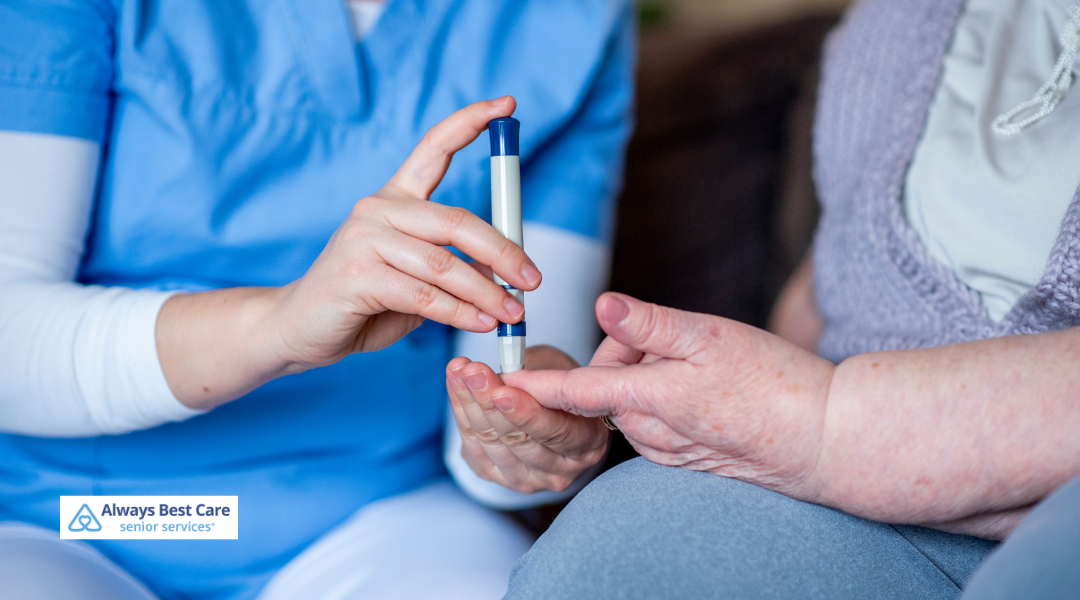
- Monitoring blood pressure, heart rate, and other vital signs
- Managing medications and adjusting routines as directed by physicians
- Identifying early warning signs of a secondary stroke or complication
- Managing coexisting conditions such as diabetes or heart disease
- Educating family members on what to watch for and how to help
This level of oversight gives families confidence and helps ensure that recovery stays on track between physician visits.
Physical Therapy: Rebuilding Strength and Movement
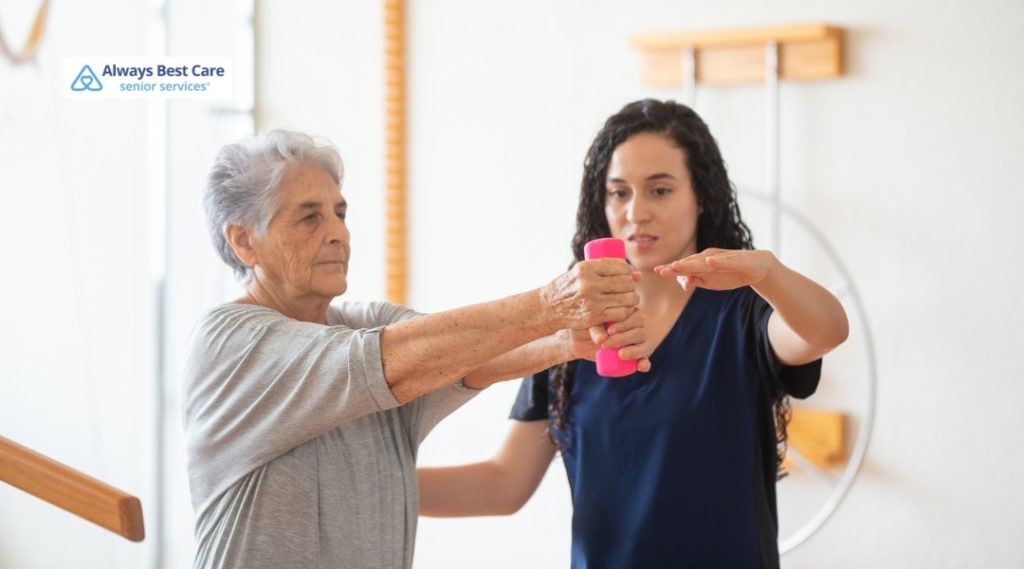
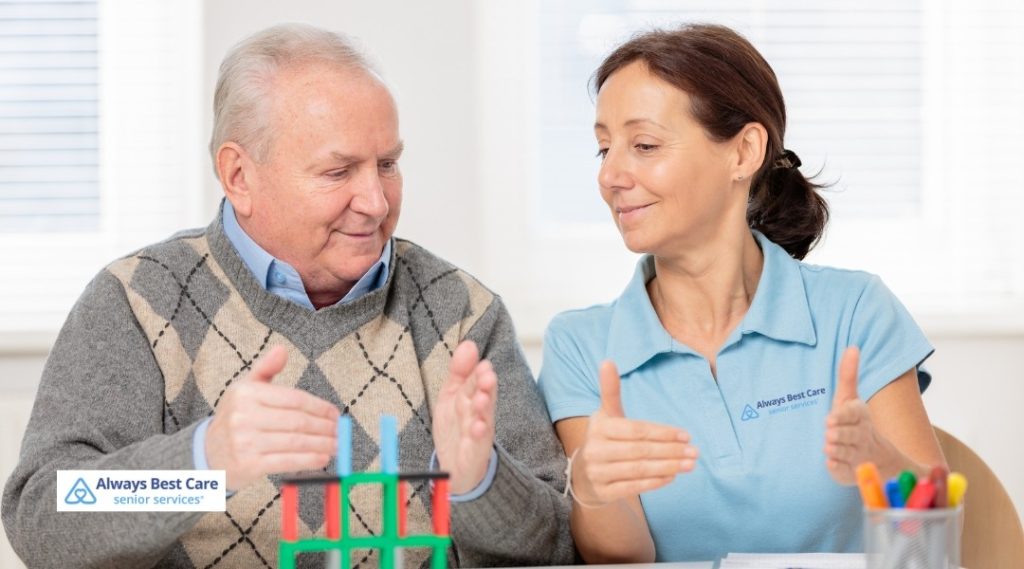
Regaining mobility after a stroke requires targeted, consistent effort. A home health physical therapist designs a personalized program based on the senior’s specific deficits and goals, whether that means relearning how to walk, improving balance, or rebuilding strength in an affected limb.
Physical therapy focuses on:
- Strengthening weakened muscles
- Improving balance and reducing fall risk
- Restoring range of motion in affected limbs
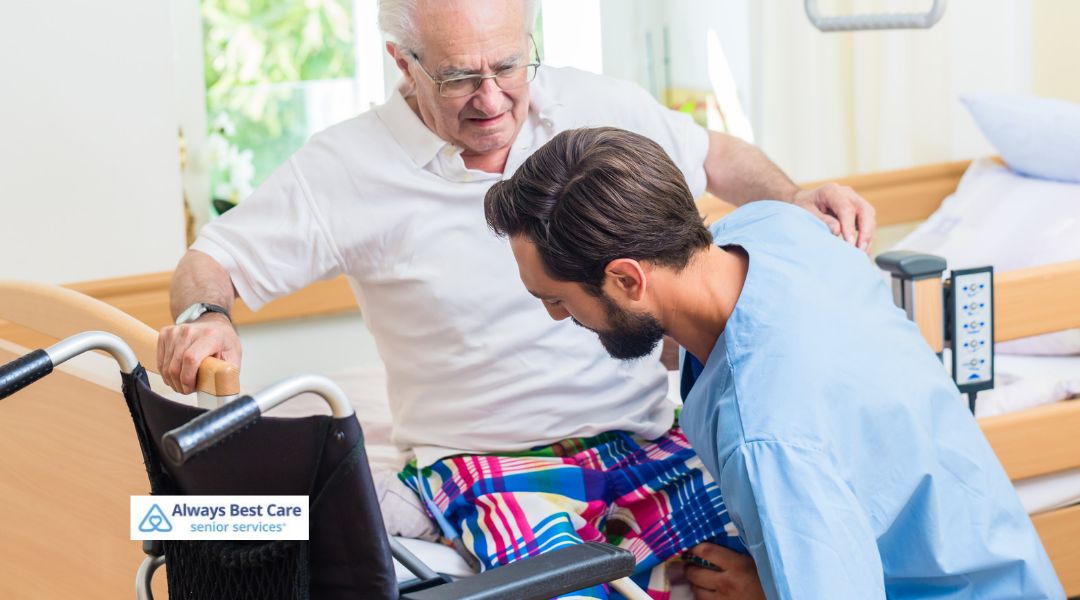
- Practicing real-life movements such as climbing stairs or getting in and out of bed
Because therapy happens at home, exercises are directly relevant to the senior’s actual living space. This practical approach accelerates progress and builds confidence in everyday situations.
Occupational Therapy: Relearning Daily Life
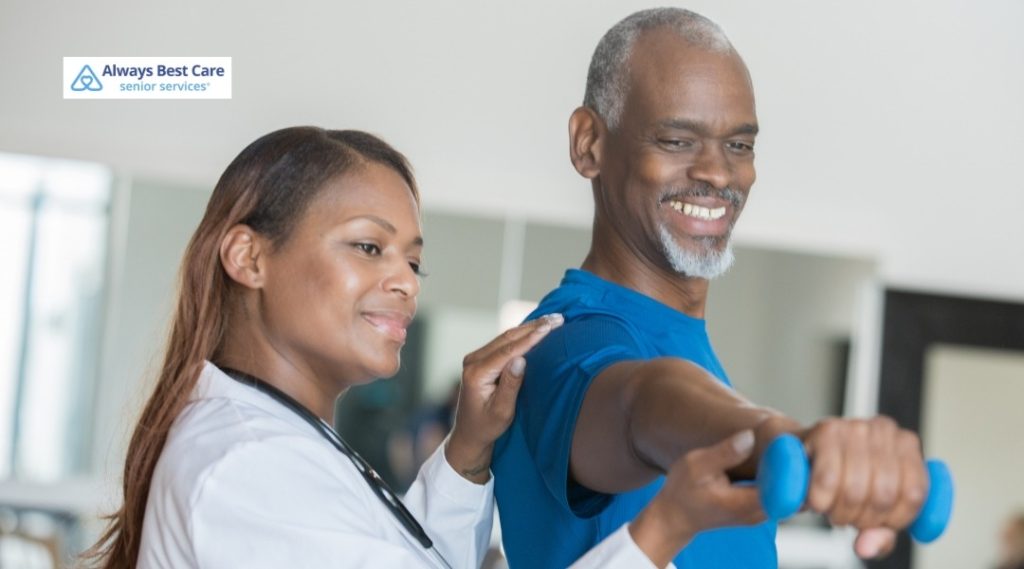
A stroke can make once-simple tasks feel overwhelming. Occupational therapy helps seniors adapt to new physical realities and find safe, effective ways to manage daily activities.
Occupational therapists work with seniors on:
- Bathing, dressing, and grooming routines
- Meal preparation and kitchen safety
- Fine motor skills and hand coordination
- Using assistive devices that support independence
- Modifying the home environment to reduce hazards
The goal is not just safety, it is restoring a sense of normalcy and self-sufficiency that supports long-term well-being.
Monitoring and Complication Prevention
Stroke recovery is rarely linear. Home health professionals play a critical role in tracking progress and catching potential problems before they escalate.
Warning signs that home health teams monitor include:
- Sudden changes in speech, vision, or movement
- Increased weakness or new balance issues
- Unusual fatigue or confusion
- Signs of infection, blood clots, or other complications
Early intervention reduces the likelihood of setbacks and helps seniors stay on a steady path toward recovery.
Emotional and Social Support
The emotional impact of a stroke is often underestimated. Many survivors struggle with frustration, grief over lost abilities, or feelings of isolation. Depression is common and can significantly slow physical recovery if left unaddressed.
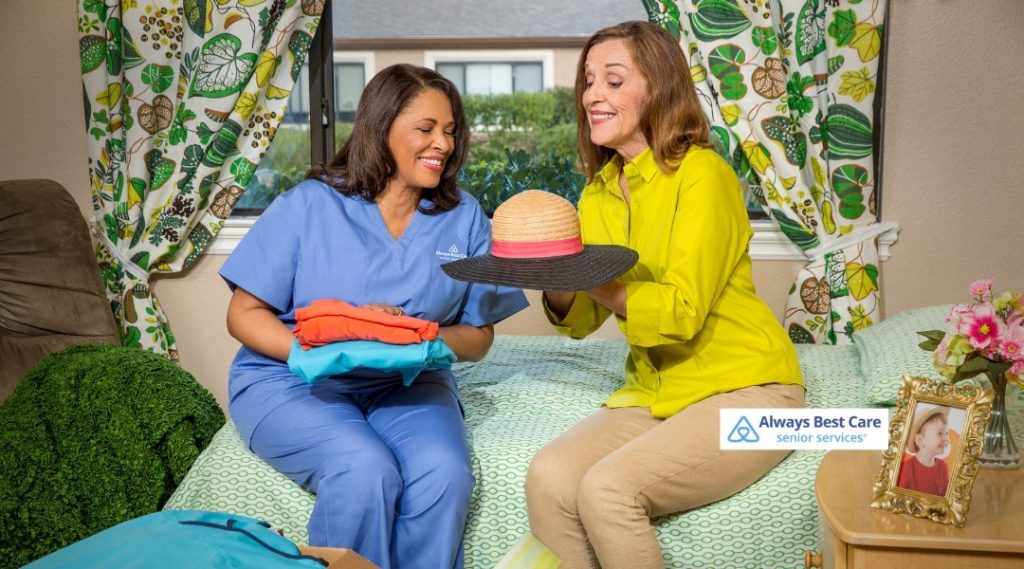
Home health caregivers provide more than medical assistance; they offer consistent companionship, encouragement, and a reassuring presence. Families also benefit, knowing that their loved one is not navigating recovery alone.
Frequently Asked Questions
Q: What is home health, and how is it different from home care?
A: Home health refers to skilled medical services such as nursing, physical therapy, and occupational therapy provided in the home by licensed professionals. Home care typically refers to non-medical assistance with daily activities like bathing, meal preparation, and companionship. Many agencies, including Always Best Care of Rockville, offer both.
Q: How soon after a stroke can home health services begin?
A: Home health services can often begin within days of a hospital or rehabilitation discharge. A physician’s referral is typically required, and the care team will conduct an initial assessment to develop an appropriate plan.
Q: How long does stroke recovery with home health services take?
A: Recovery timelines vary significantly depending on the severity of the stroke, the individual’s overall health, and how consistently therapy is pursued. Some seniors make significant gains within weeks; others benefit from ongoing support for months or longer.
Q: Will insurance cover home health services after a stroke?
A: Medicare typically covers home health services for eligible beneficiaries who meet certain criteria, including being homebound and having a physician’s order for skilled care. Medicaid and private insurance plans may also provide coverage. Our team can help families understand their options.
Q: What should families look for in a home health provider?
A: Look for a provider with licensed, experienced clinical staff, a strong track record of coordinating care with physicians, and the ability to offer both skilled and non-skilled services. Clear communication with families and a personalized approach to care planning are also important indicators of quality.
How Always Best Care of Rockville Supports Stroke Recovery
At Always Best Care of Rockville, we take a comprehensive approach to stroke recovery at home. Our team coordinates skilled nursing, physical therapy, occupational therapy, and personal care services into a unified plan tailored to each individual.
In addition to clinical support, our caregivers assist with daily activities, meal preparation, transportation to follow-up appointments, and companionship, ensuring that no aspect of recovery is overlooked.
Call Always Best Care of Rockville today at (301) 637-0233 to schedule a care consultation and learn how our home health services can support your loved one’s recovery.
Link to the Markdown File version of the article