
Stroke Prevention Tips for Seniors in Rockville: Protecting Brain Health Through Healthy Habits
Stroke is one of the leading causes of disability and death among older adults in the United States. While the statistics can feel alarming, the reality is that up to 80% of strokes are preventable. For seniors in Rockville, understanding the risk factors and taking consistent, proactive steps can make a profound difference in long-term health and independence.
This guide breaks down the most effective stroke-prevention strategies for older adults and explains how the right support system can help those habits stick.
What you will learn:
- Why does stroke risk increase with age, and which health conditions most strongly influence that risk?
- The everyday lifestyle habits that best support brain and heart health for seniors.
- How in-home caregiving and support in Rockville help seniors maintain stroke-preventing routines.
- Key questions and answers about recognizing stroke warning signs and taking early action.
Table of Contents
Why Seniors Face a Higher Stroke Risk
The risk of stroke roughly doubles every decade after age 55. This is partly due to natural changes in blood vessels and circulation, but also because chronic conditions that raise stroke risk, such as high blood pressure, diabetes, and atrial fibrillation, become more common with age.
What makes stroke particularly dangerous is how quickly it strikes. Symptoms can appear within seconds, leaving little time to react. That’s why prevention, not just response, must be the priority.
The Most Important Risk Factors to Address
Blood Pressure
High blood pressure is the single most significant controllable risk factor for stroke. When blood pressure stays elevated over time, it gradually weakens and narrows blood vessels, making a blockage or rupture far more likely.
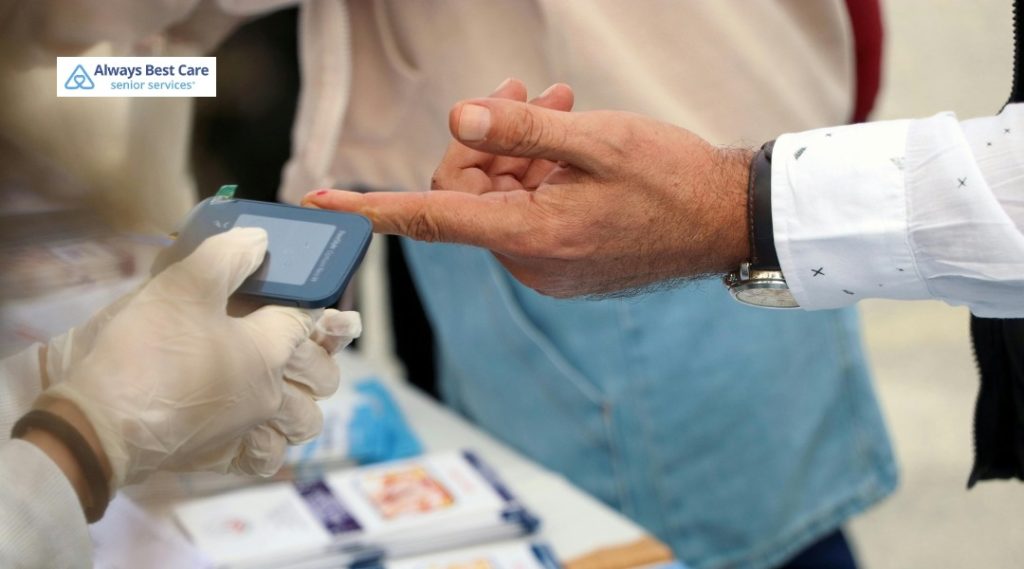
Seniors should aim to monitor their blood pressure regularly, not just at annual checkups, but at home as well. Reducing sodium intake, staying active, maintaining a healthy weight, and following prescribed medications are all essential steps. Even modest reductions in blood pressure can meaningfully lower stroke risk.
Blood Sugar and Diabetes
Uncontrolled diabetes damages blood vessels throughout the body, including those supplying the brain. Seniors with diabetes are two to four times more likely to experience a stroke than those without the condition.
Consistent blood sugar monitoring, a balanced diet low in refined carbohydrates, and regular physical activity all help keep glucose levels in check. Working closely with a healthcare provider to adjust medications as needed is equally important.
Cholesterol and Arterial Health
High LDL cholesterol contributes to plaque buildup inside the arteries, gradually narrowing the pathways that carry blood to the brain. Over time, this significantly raises the risk of an ischemic stroke the most common type.
Heart-healthy eating habits, such as prioritizing fruits, vegetables, whole grains, and healthy fats like olive oil, can help manage cholesterol naturally. When lifestyle changes aren’t enough, a physician may recommend medication.
Atrial Fibrillation
Often overlooked in stroke prevention conversations, atrial fibrillation (AFib) is an irregular heart rhythm that can cause blood clots to form and travel to the brain. AFib is responsible for approximately 1 in 5 strokes. Seniors should discuss heart rhythm monitoring with their doctor, especially if they experience palpitations, fatigue, or shortness of breath.

Lifestyle Habits That Protect the Brain
Move Every Day
Regular physical activity improves circulation, helps regulate blood pressure and blood sugar, and supports a healthy weight, all of which reduce stroke risk. Seniors don’t need intense exercise to benefit. A 30-minute walk most days of the week, gentle yoga, tai chi, or even light gardening can deliver meaningful cardiovascular benefits.
The key is consistency. Finding activities that are enjoyable and sustainable makes it far easier to stay active in the long term.
Eat with Brain Health in Mind
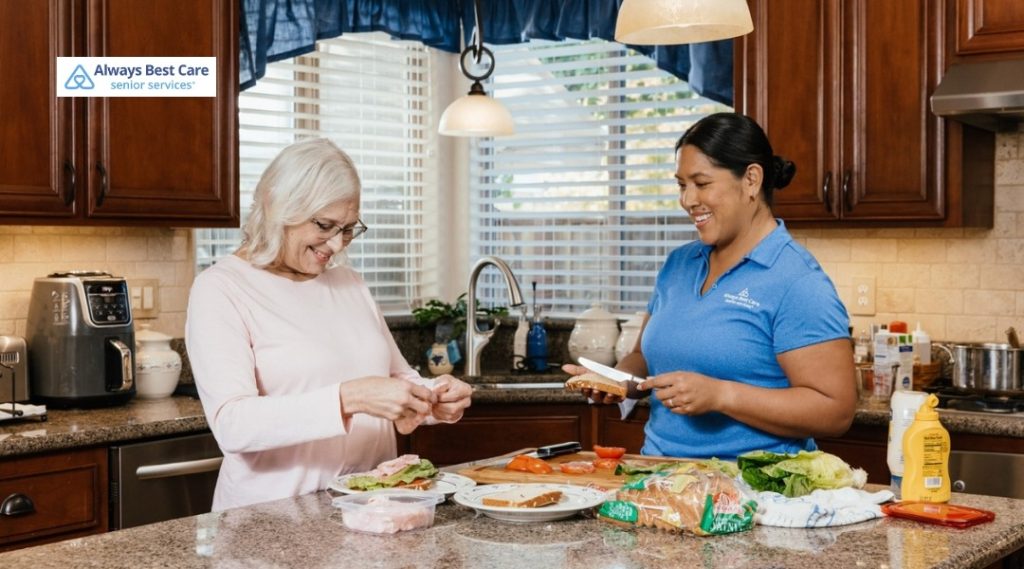
A stroke-protective diet doesn’t have to be complicated. Focus on whole, minimally processed foods: colorful vegetables and fruits, whole grains, lean proteins like fish and legumes, and healthy fats. Limit sodium, added sugars, and saturated fats.
The Mediterranean and DASH diets are both well-researched and widely recommended for reducing cardiovascular and stroke risk in older adults.
Avoid Smoking and Limit Alcohol
Smoking significantly damages blood vessels and accelerates the buildup of arterial plaque. Quitting at any age reduces stroke risk. Similarly, heavy alcohol consumption raises blood pressure and contributes to irregular heart rhythms. Seniors should speak with their doctor about safe limits.
Prioritize Sleep
Poor sleep, particularly sleep apnea, is increasingly linked to elevated stroke risk. Untreated sleep apnea causes repeated drops in oxygen levels overnight, straining the cardiovascular system. If a senior snores heavily or wakes frequently during the night, a sleep evaluation may be worthwhile.
The Role of Caregiving Support in Rockville
Even when seniors understand what they need to do, maintaining healthy habits consistently can be difficult, especially for those managing multiple conditions or living alone. This is where in-home caregiving support becomes genuinely valuable.
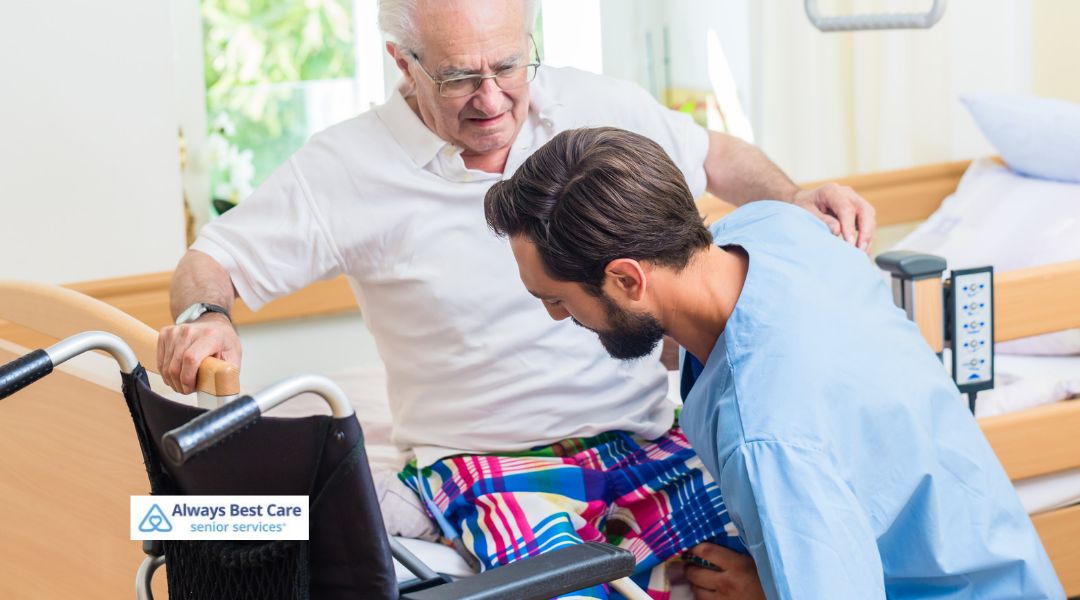
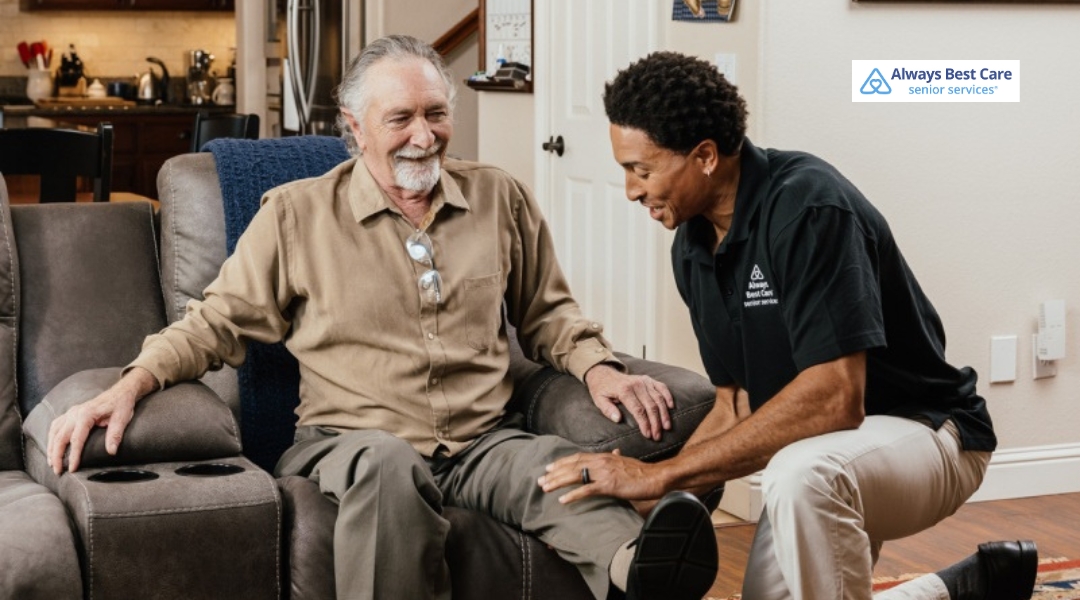
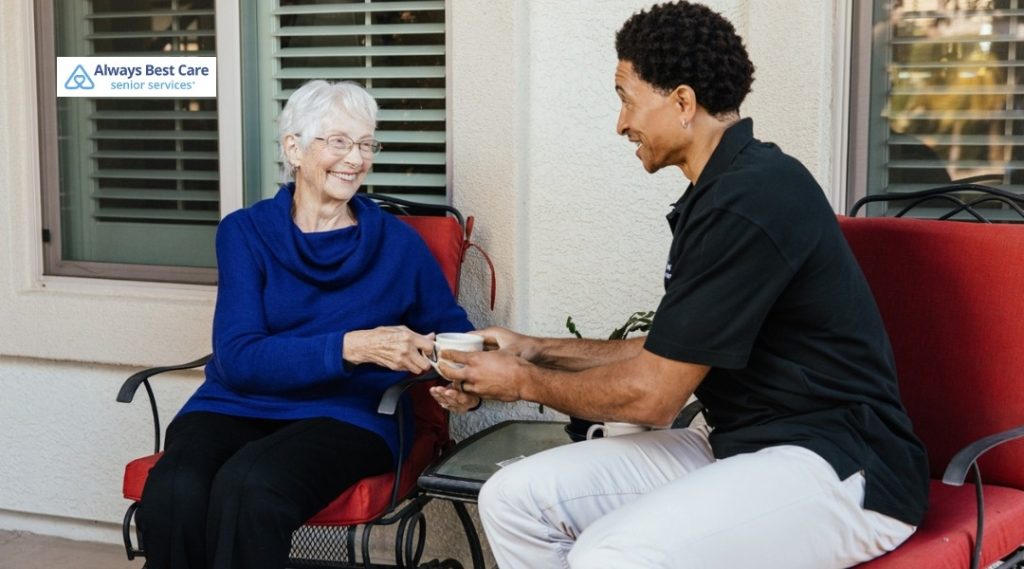
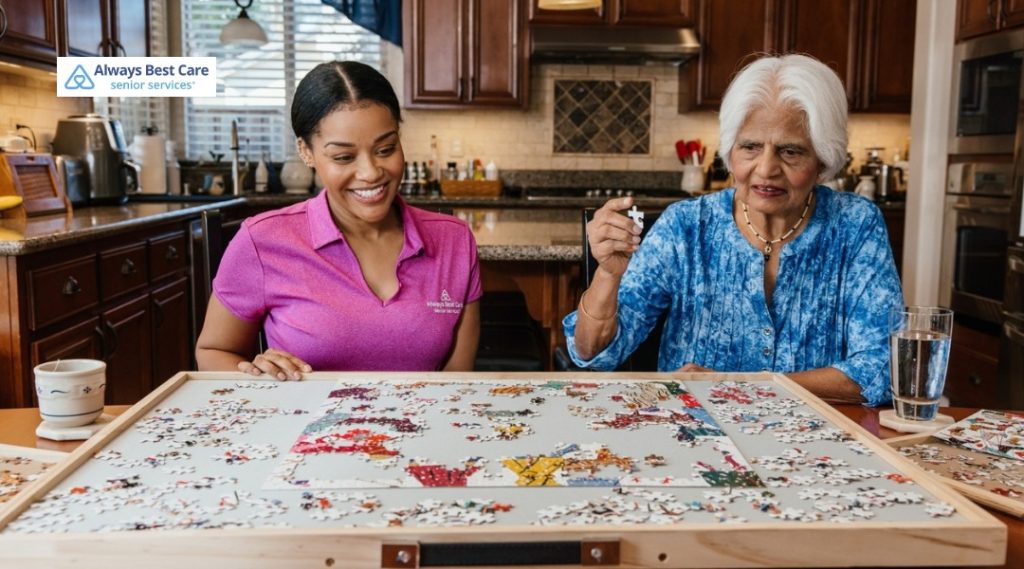
A dedicated caregiver can help seniors prepare nutritious meals, stay on track with medications, attend medical appointments, and remain physically active throughout the day. Beyond the practical tasks, regular companionship reduces stress and social isolation, both of which are linked to poorer cardiovascular outcomes.
At Always Best Care of Rockville, our caregivers are trained to support seniors in building and maintaining the daily routines that protect their health. We work alongside families to create personalized care plans that address each individual’s needs and goals.
Frequently Asked Questions
Q: What are the warning signs of a stroke?
A: The most recognized warning signs follow the FAST acronym: Face drooping, Arm weakness, Speech difficulty, and Time to call 911. Other symptoms may include sudden vision changes, severe headache, or loss of balance. If any of these occur, call emergency services immediately.
Q: At what age should seniors start focusing on stroke prevention?
A: Stroke prevention is relevant at any age, but it becomes especially important after 55. The earlier healthy habits are established, the greater the long-term benefit. Seniors who haven’t yet focused on prevention can still make meaningful improvements at any point.
Q: Can stroke risk be reduced even after a TIA (mini-stroke)?
A: Yes, and it’s critical to act quickly. A transient ischemic attack (TIA) is a serious warning sign that a full stroke may follow. After a TIA, working with a healthcare provider to aggressively manage risk factors can significantly reduce the likelihood of a subsequent stroke.
Q: How does diet specifically affect stroke risk?
A: A poor diet contributes to high blood pressure, high cholesterol, obesity, and diabetes, all major stroke risk factors. Conversely, a nutrient-rich diet helps keep blood vessels flexible and clear, supports healthy circulation, and reduces systemic inflammation.
Helping seniors stay strong, safe, and independent in Rockville
Caregivers play a hands-on role in supporting the daily habits that reduce stroke risk. This includes preparing heart-healthy meals, encouraging physical activity, managing medication schedules, accompanying seniors to medical appointments, and monitoring for any health changes that should be reported to a doctor.
Call Always Best Care of Rockville today at (301) 637-0233 to schedule a care consultation and learn how our caregivers can help your loved one stay healthy, active, and independent.
Link to the Markdown File version of the article