
Senior Scams: How to Recognize the Warning Signs and Protect Your Loved One in Rockville
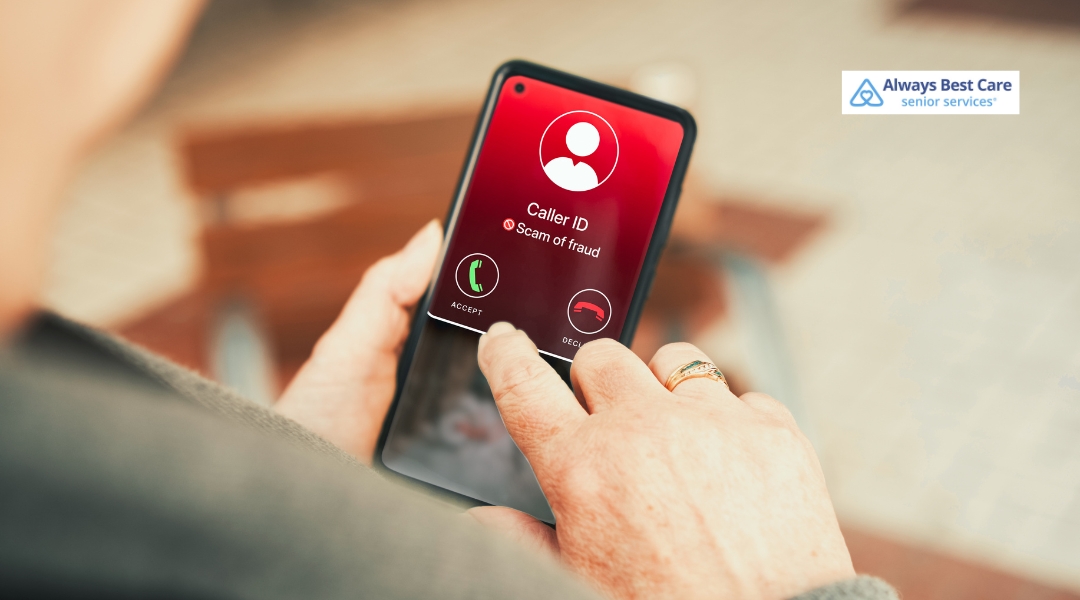
Scammers are getting slicker by the day, and sadly, they’ve got their sights set on older adults. Seniors are often seen as easy targets, perhaps because they’re polite, financially stable, or less comfortable with new technology. Add a smooth-talking stranger into the mix and, before you know it, money, personal information, and peace of mind can all be on the line.
The bright side? Awareness goes a long way. Once we know how senior scams work and what red flags to watch for, we’re in a much stronger position to shield the people we love. In Rockville, families and caregivers can work together to create a safety net that scammers can’t easily slip through.
What you will learn:
- Why seniors in Rockville are often targeted by scammers and what makes them more vulnerable.
- The most common types of senior scams and how to recognize their typical patterns.
- Key warning signs that indicate a scam is happening or about to happen.
- Practical ways families and caregivers can help protect loved ones and respond if a scam is suspected.
Table of Contents
Why Seniors in Rockville Are Often Targeted
Scammers don’t pick names at random; they look for people they think they can pressure or confuse. Older adults may be targeted because they:
- Tend to be trusting and courteous, even with strangers
- Have savings, retirement income, or home equity
- Living alone makes them easier to isolate and influence
- Aren’t as familiar with digital scams, fake websites, or spoofed phone numbers
Put all that together, and it’s easier for a scammer to strike up a conversation, build quick “trust,” and then twist that trust into something harmful.
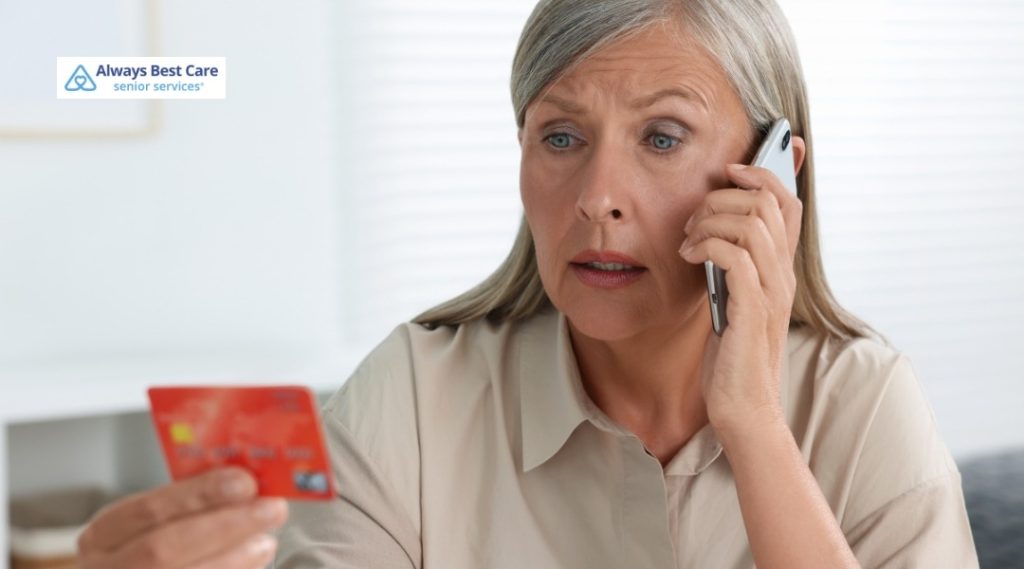
Common Types of Senior Scams
Scammers have a whole bag of tricks, but many of their schemes follow familiar patterns. Once we recognize those patterns, it’s much easier to stop them in their tracks.
Phone Scams
A caller may claim to be:
- A government official
- A utility company representative
- A bank employee
- A grandchild or relative in trouble
They often:
- Create urgency (“You must pay now or lose benefits!”)
- Demand immediate payment or personal information
- Try to keep the senior on the line so they don’t ask anyone else for help
Email, Text, and Phishing Scams
These scams usually look very official at first glance. Messages may appear to be from:
- Banks or credit card companies
- Healthcare providers or pharmacies
- Online retailers or delivery services
Red flags include:
- Links that lead to odd-looking or unfamiliar websites
- Requests for passwords, Social Security numbers, or account details
- Spelling errors or slightly “off” email addresses

Sweepstakes and Lottery Scams
“Congratulations, you’ve won!” Sure sounds nice, until the catch appears. Seniors may be told they must:
- Pay taxes or fees before the prize can be released
- Provide bank or card information to “process” the winnings
In reality, there’s no prize; the only money moving is going straight to the scammer.
Romance Scams
Online companionship can be meaningful, but scammers know that too. They:
- Build an emotional connection over weeks or months
- Avoid meeting in person
- Eventually, claim a crisis, medical bills, travel emergencies, legal trouble, and ask for money
By the time the request comes, the senior may feel deeply attached and eager to help.
Tech Support Scams
These scams usually start with:
- A pop-up warning on the computer
- A phone call claiming there’s a virus or security issue
From there, the scammer may:
- Ask for remote access to the computer
- Request payment for fake repairs or security services
- Install software that steals data

Warning Signs of Senior Scams
Scams often share familiar warning signs. If we keep an eye out for these, we can stop a lot of trouble before it starts.
Watch for:
- Demands for immediate payment or same-day decisions
- Requests for payment by gift cards, wire transfer, or cryptocurrency
- Unsolicited calls, emails, texts, or home visits asking for personal or financial information
- Messages that try to scare or pressure, like threats of arrest, deportation, or losing benefits
- Requests to keep the situation secret from family, friends, or caregivers
If something feels off, it’s time to hit pause. A quick call to a trusted family member, bank, or official agency can make all the difference.
How Families Can Help Protect Loved Ones in Rockville
Family support is one of the strongest defenses against senior scams. A little teamwork goes a long way.
Practical steps include:
- Talk openly about scams so they’re less intimidating and easier to recognize
- Encourage “verify first” habits before sending money or sharing information
- Check financial accounts regularly for strange or unfamiliar charges
- Use call blocking, spam filters, and strong passwords
- Remind seniors it’s okay to hang up, ignore suspicious messages, or say “I need to check with my family”
Most importantly, we can create a judgment-free space where our loved ones feel comfortable asking questions, even if they’re worried they’ve made a mistake.

How In-Home Care in Rockville Helps Prevent Senior Scams
Having a trusted caregiver around isn’t just about daily support; it can also help keep scams at bay. At Always Best Care of Rockville, we see scam awareness as part of helping seniors stay safer at home.
We can:
- Help screen phone calls and unexpected visitors, so scammers have a harder time slipping through
- Notice changes in behavior or spending, such as anxiety around bills or sudden withdrawals
- Offer steady companionship, reducing loneliness that scammers often exploit
- Encourage open communication with family members when something unusual happens
By staying present and attentive, we add another set of eyes and ears, making it harder for scammers to operate unnoticed.
What to Do If You Suspect a Scam
If you think a loved one in Rockville has been targeted, or may already be caught in a scam, it’s important to act quickly but calmly.
Here’s a simple game plan:
- Contact the bank or card company right away to freeze or flag the account.
- Report the scam to local law enforcement or adult protective services.
- Monitor accounts and credit for any new suspicious activity.
- Offer reassurance, not blame. Many seniors feel embarrassed or guilty, which can make them hide what happened.
A caring, supportive response makes it much more likely they’ll speak up if something shady happens again.

Frequently Asked Questions
Q: How can I talk to my loved one about senior scams without scaring them?
A: Focus on empowerment, not fear. You might say, “Scammers are targeting a lot of people in Rockville lately. Let’s go over a few tricks they use so we can spot them together.”
Q: My parents insist they’re too smart to be scammed. What should I do?
A: Many highly educated, savvy people have been scammed. You can gently point out that scammers are skilled at lying and that checking with family first is just an extra safety step, not a sign of weakness.
Q: Are all unexpected calls or messages suspicious?
A: Not necessarily, but any unexpected request for money, passwords, or personal details deserves extra scrutiny. If there’s any doubt, hang up and call the official number on a statement or card instead.
Q: How can Always Best Care of Rockville help prevent scams?
A: We can help monitor day-to-day interactions, watch for warning signs, support safer phone and computer use, and encourage honest conversations with family about anything unusual.
Staying One Step Ahead of Senior Scams in Rockville
Senior scams aren’t going away, but we’re not powerless. By staying informed, watching for warning signs, and keeping the lines of communication open, families in Rockville can make it much harder for scammers to succeed.
At Always Best Care of Rockville, we’re committed to helping seniors stay safe, connected, and confident at home. If your loved one could use an extra layer of support and companionship, we’d be glad to talk if you reach out at (301) 597-1610 about how we can help protect them, not just from daily challenges, but from senior scams that threaten their hard-earned security and peace of mind.
Link to the Markdown File version of the article