Stroke Prevention Tips for Seniors in Roseville: Protecting Brain Health Through Healthy Habits
Every 40 seconds, someone in the United States has a stroke. For older adults, the consequences can be especially severe, affecting mobility, speech, memory, and the ability to live independently. Yet up to 80% of strokes are preventable. With the right habits and consistent care, seniors can take meaningful steps to protect their brain health and quality of life.
What you will learn:
- Why stroke risk increases with age and how conditions like high blood pressure, diabetes, and cholesterol contribute.
- The everyday healthy habits that best protect brain and heart health include movement, nutrition, sleep, and hydration.
- How consistent support from caregivers and loved ones helps Roseville seniors stick with prevention routines and stay independent.
Table of Contents
Why Stroke Risk Rises with Age
Aging naturally changes the cardiovascular system. Blood vessels become less flexible, and years of managing chronic conditions like high blood pressure or diabetes can take a cumulative toll. But age alone doesn’t determine risk. Lifestyle choices, medication adherence, and access to consistent support all play a significant role in whether those risks translate into a serious health event.
Understanding your personal risk factors is the first step toward prevention.
Control Blood Pressure: Your Most Powerful Tool
High blood pressure is the single most significant modifiable risk factor for stroke. When arterial pressure remains elevated, it gradually weakens the vessel walls and increases the risk of a rupture or blockage in the brain.
For seniors, keeping blood pressure in a healthy range requires a consistent, multi-layered approach:
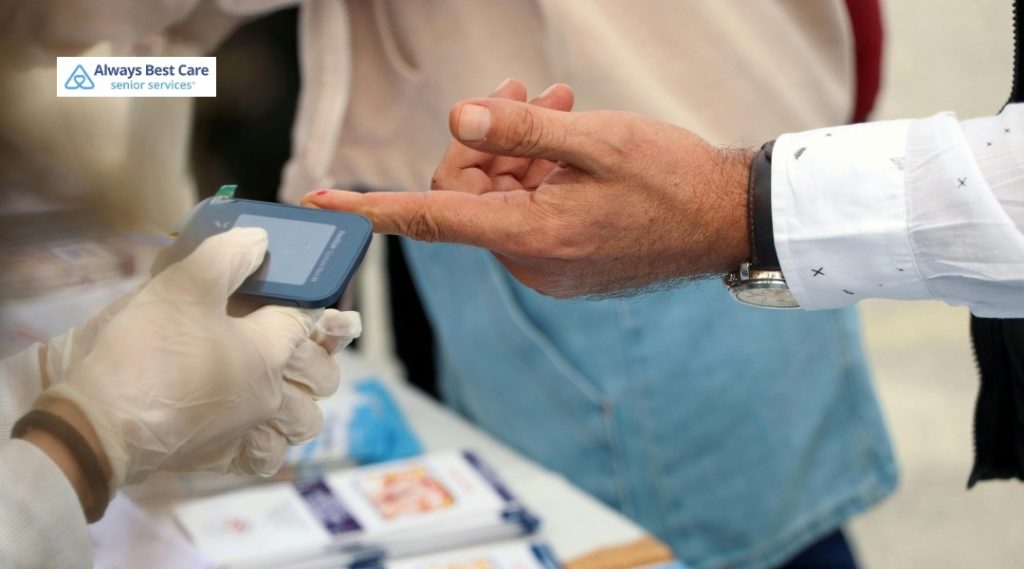
- Monitor regularly: at home and during medical visits
- Take medications as prescribed: skipping doses, even occasionally, can cause dangerous spikes
- Reduce sodium: processed foods, canned soups, and restaurant meals are common hidden sources
- Stay active: even light daily movement helps lower blood pressure over time
- Manage stress: chronic stress contributes to elevated pressure and should not be overlooked
Small, consistent actions compound over time. A blood pressure log shared with a healthcare provider can reveal patterns that lead to better treatment decisions.
Manage Diabetes and Cholesterol Together
High blood sugar and high cholesterol often occur together, and both independently raise stroke risk. Elevated glucose damages the inner lining of blood vessels, while excess LDL cholesterol contributes to plaque buildup that can restrict or block blood flow to the brain.
Seniors managing both conditions benefit most from an integrated approach:
- Follow a meal plan that limits refined carbohydrates, saturated fats, and added sugars
- Prioritize fiber-rich foods; vegetables, legumes, and whole grains support both blood sugar and cholesterol control
- Take all prescribed medications consistently
- Schedule regular lab work to track progress and catch changes early
The goal isn’t perfection, it’s steady, manageable progress that reduces cumulative risk.
Move More, Even Gently
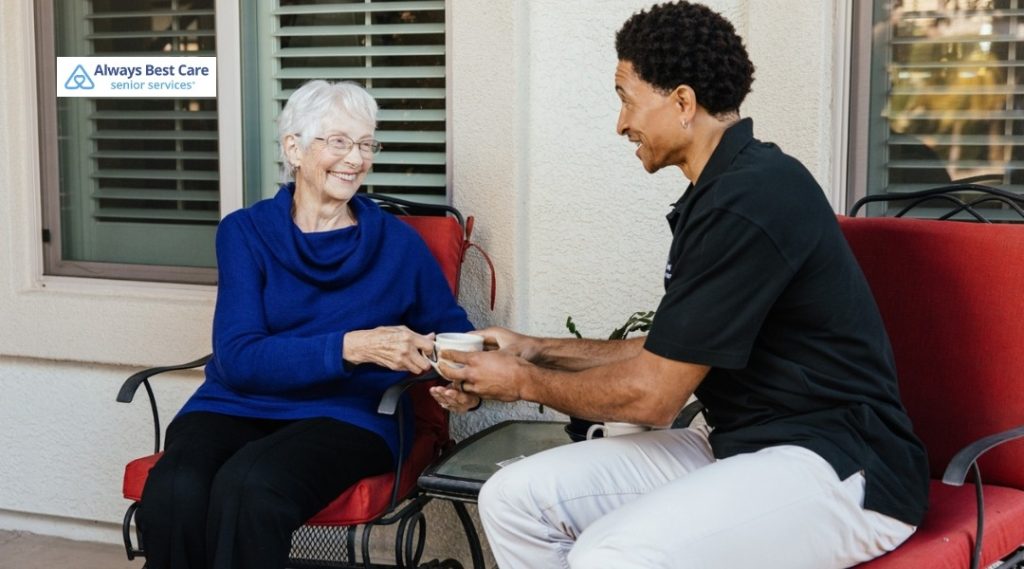
Exercise is one of the most well-documented tools for stroke prevention. It improves circulation, supports a healthy weight, lowers blood pressure, and reduces inflammation, all factors that directly affect stroke risk.
Seniors don’t need intense workouts to see results. Consistent, moderate movement is what matters most:
- Daily walks, even 20 to 30 minutes around the neighborhood, make a difference
- Chair exercises or light stretching are ideal for those with limited mobility
- Yoga and tai chi both improve balance, flexibility, and cardiovascular health
- Gardening or household activity counts as meaningful movement
Before starting a new exercise routine, seniors should consult their physician, especially if managing heart disease or other chronic conditions.
Eat to Protect Your Brain
A heart-healthy diet is also a brain-healthy diet. What seniors eat daily either supports or undermines the health of their blood vessels.
Prioritize:
- Fruits and vegetables — aim for a variety of colors and types
- Whole grains over refined carbohydrates
- Lean proteins — fish (especially fatty fish like salmon), poultry, and legumes
- Healthy fats — olive oil, avocado, and nuts in moderate amounts
Limit:
- Sodium and heavily processed foods
- Saturated and trans fats
- Sugary beverages and snacks
Staying well-hydrated is equally important. Dehydration can affect blood viscosity and circulation, adding unnecessary strain on the cardiovascular system.
The Role of Consistent Daily Support
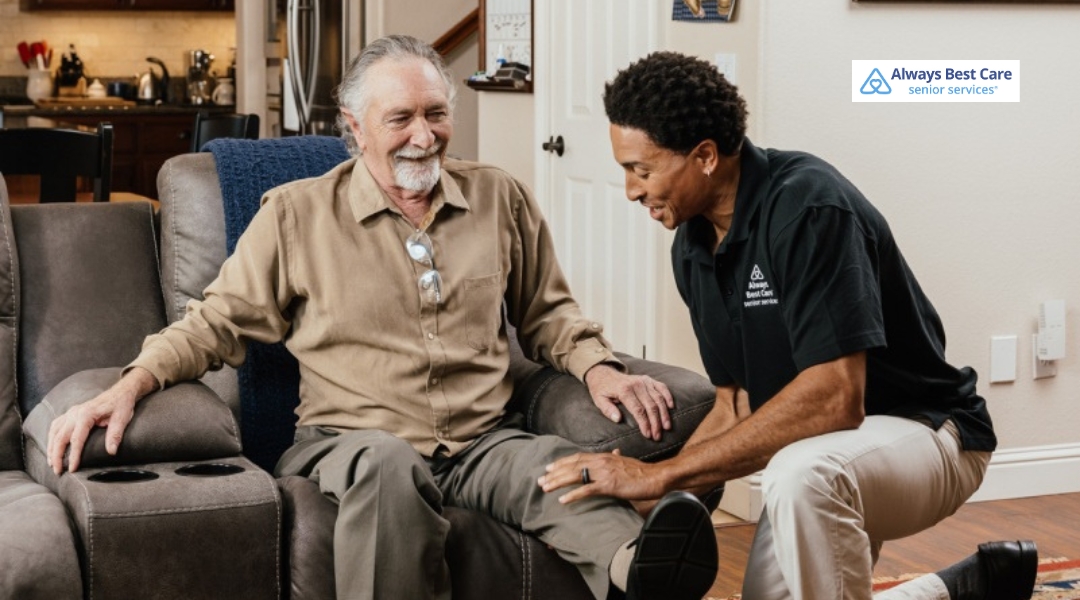
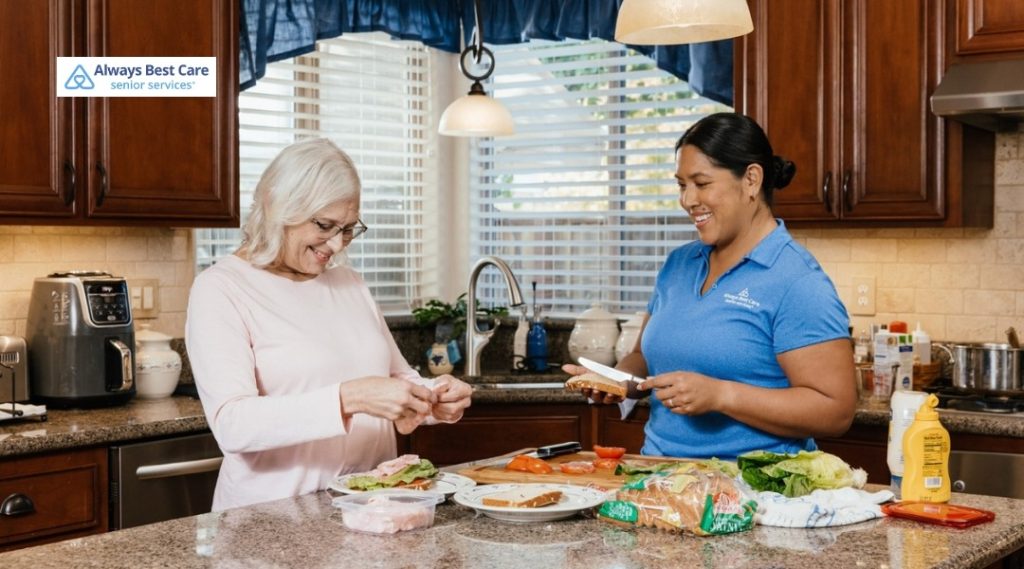
For many seniors, the challenge isn’t knowing what to do; it’s doing it consistently, especially when managing multiple health conditions or living alone. This is where caregiver support becomes genuinely valuable.
A dedicated caregiver can help seniors:
- Prepare nutritious meals that align with dietary guidelines
- Stay on schedule with medications and doctor appointments
- Engage in safe daily physical activity
- Monitor for early warning signs and communicate changes to family or healthcare providers
Consistency is the foundation of prevention. Having reliable support in place makes it far easier for seniors to maintain the routines that protect their health.
Frequently Asked Questions
Q: What are the most common warning signs of a stroke?
A: The acronym FAST is a helpful guide: Face drooping, Arm weakness, Speech difficulty, Time to call 911. Other symptoms may include sudden confusion, vision changes, severe headache, or loss of balance. If any of these occur, seek emergency care immediately. Time is critical.
Q: At what age does stroke risk significantly increase?
A: Stroke risk roughly doubles every decade after age 55. However, risk factors like high blood pressure, diabetes, and smoking can elevate risk at any age. Seniors 65 and older account for the majority of stroke cases in the U.S.
Q: Can stroke be prevented if it runs in the family?
A: Family history does increase risk, but it doesn’t make stroke inevitable. Managing controllable risk factors, such as blood pressure, cholesterol, diabetes, diet, and physical activity, can significantly offset genetic predisposition.
Q: How does sleep affect stroke risk?
A: Poor sleep, particularly untreated sleep apnea, is linked to higher stroke risk. Sleep apnea causes repeated drops in oxygen levels during sleep, which strain the cardiovascular system. Seniors experiencing loud snoring, frequent waking, or daytime fatigue should discuss this with their doctor.
Q: What role does hydration play in stroke prevention?
A: Dehydration thickens the blood, making clots more likely to form. Seniors are particularly vulnerable to dehydration because the sense of thirst diminishes with age. Drinking water consistently throughout the day, rather than waiting until you feel thirsty, is a simple but important habit.
Helping Seniors Stay Healthy and Independent in Roseville
Stroke prevention isn’t a single action; it’s a collection of daily habits, managed conditions, and consistent support. Seniors who take a proactive approach to their health are far better positioned to maintain their independence and quality of life.
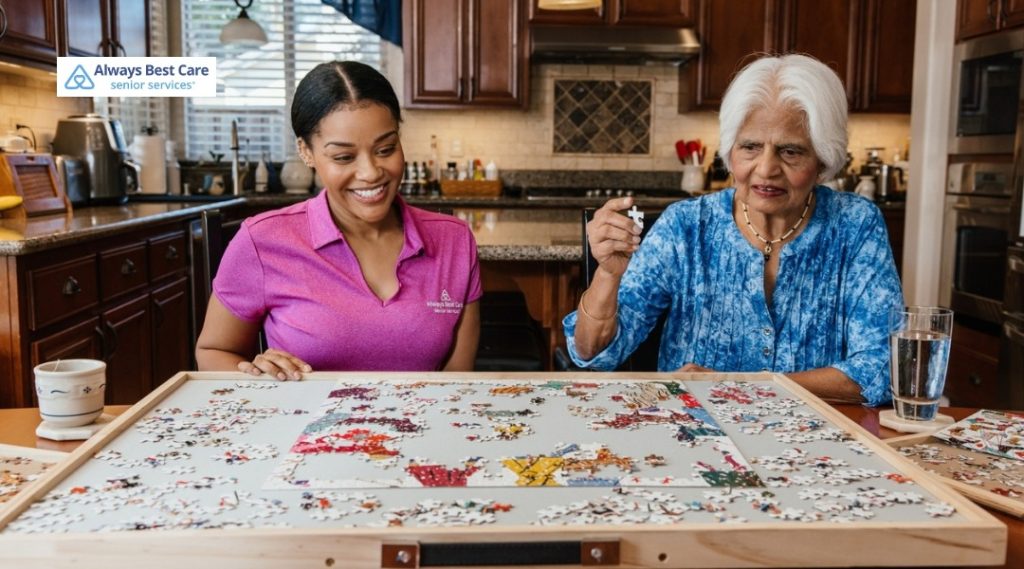
At Always Best Care of Roseville, our caregivers help seniors build and maintain the routines that matter most, from meal preparation and medication reminders to companionship and health monitoring. We work alongside families to create a safe, supportive home environment where seniors can thrive.
Call Always Best Care of Roseville today at (916) 266-6453 to schedule a care consultation and learn how we can help your loved one stay healthy, active, and independent.
Link to the Markdown File version of the article