Home Health for Stroke Recovery: Therapy, Monitoring, and Support in Roseville
Returning home after a stroke is a significant milestone, but it’s also the point where consistent, skilled support becomes essential. Hospital stays and inpatient rehabilitation programs lay the groundwork, yet the real work of rebuilding daily life happens at home. For many stroke survivors in Roseville, home health services bridge the gap between clinical care and long-term independence.
This article explores how home health supports stroke recovery, what services are available, and why families increasingly choose this approach over repeated facility visits.
What you will learn:
- The realities of stroke recovery at home and why consistent, skilled support is essential for long-term progress.
- How home health services like skilled nursing, physical therapy, and occupational therapy help rebuild independence.
- The importance of ongoing monitoring to prevent complications and reduce the risk of a secondary stroke.
- How emotional support and in-home care improve confidence, motivation, and overall recovery outcomes.
Table of Contents
The Reality of Stroke Recovery at Home
No two strokes are alike. Depending on the severity and location of the brain injury, survivors may face challenges with movement, speech, memory, swallowing, or emotional regulation. Some recover quickly; others require months of ongoing therapy and monitoring.
What’s consistent across most cases is this: recovery doesn’t plateau the moment someone leaves a rehabilitation center. Progress continues or stalls largely based on the quality of support available at home. Without skilled oversight, small complications can escalate, and hard-won gains from rehab can fade.
Home health services address this directly by bringing licensed professionals into the home regularly, creating continuity of care in a familiar, low-stress environment.
Skilled Nursing: Medical Oversight Where It Matters Most
A registered or licensed practical nurse is often the cornerstone of a post-stroke home health plan. Their role goes well beyond routine check-ins.
Skilled nursing services typically include:
- Monitoring blood pressure, heart rate, and other vital signs
- Managing and reconciling medications to prevent dangerous interactions
- Identifying early warning signs of a secondary stroke or complication
- Wound care, if applicable
- Educating family members on what to watch for and how to respond
- Coordinating care with the patient’s physicians and specialists
For stroke survivors managing co-existing conditions like diabetes, atrial fibrillation, or hypertension, skilled nursing ensures these conditions are managed in tandem with stroke recovery, rather than falling through the cracks.
Physical Therapy: Rebuilding Strength and Mobility
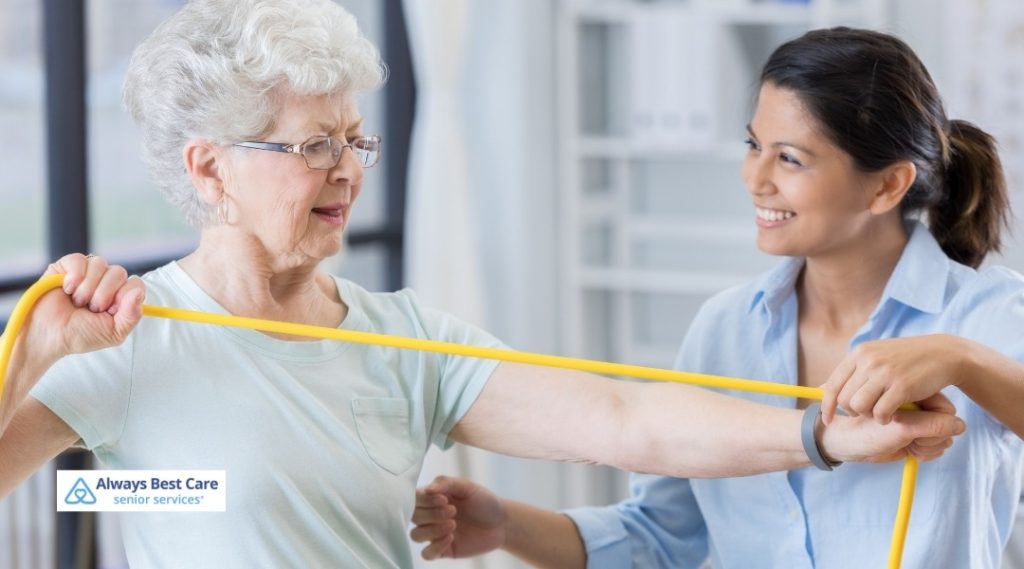
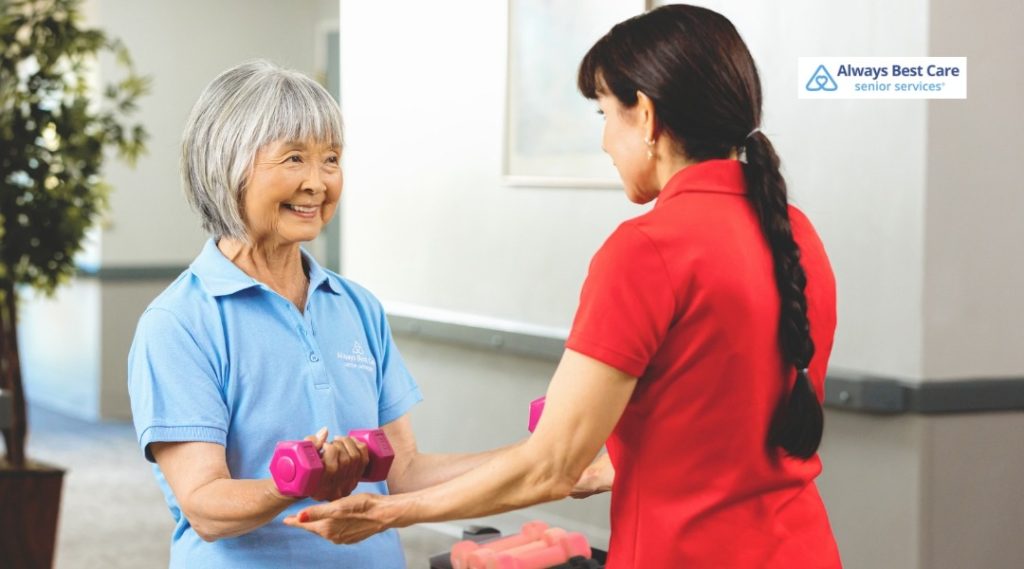
Weakness or paralysis on one side of the body is one of the most common effects of a stroke. Physical therapy targets these deficits directly, helping survivors regain functional movement over time.
A home health physical therapist in Roseville works with patients to improve:
- Muscle strength and coordination
- Balance and fall prevention
- Walking ability and gait patterns
- Range of motion in affected arms and legs
One key advantage of home-based physical therapy is context. Exercises aren’t performed in a generic gym setting; they’re practiced in the patient’s actual environment. That means working on navigating specific hallways, managing particular staircases, or safely getting in and out of a specific bed or chair. This real-world focus accelerates functional recovery and reduces fall risk.
Occupational Therapy: Relearning the Routines of Daily Life
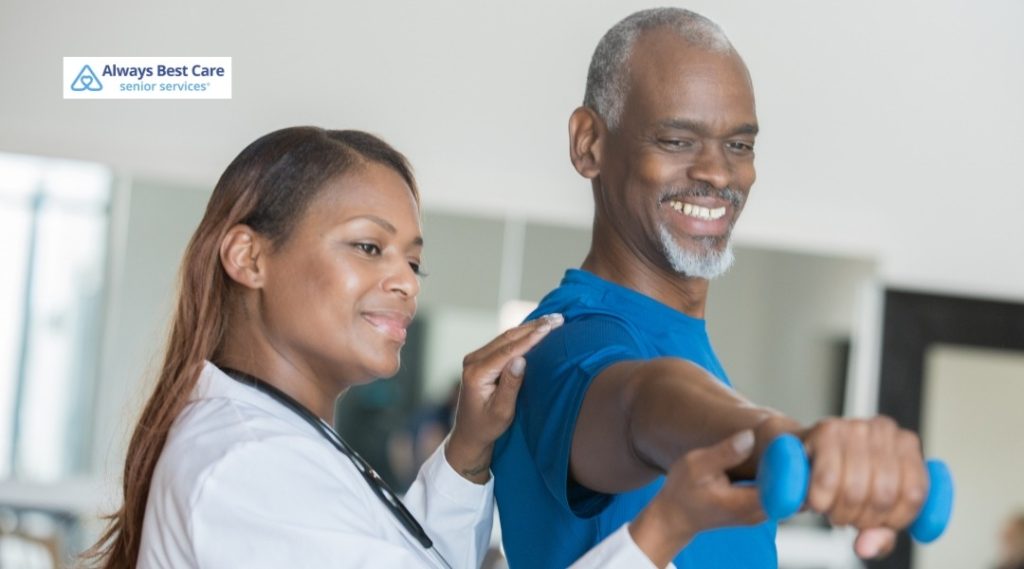
When basic tasks like buttoning a shirt, preparing a meal, or stepping into the shower become difficult, occupational therapy provides practical solutions.
Occupational therapy after a stroke may include:
- Relearning safe bathing, grooming, and dressing techniques
- Developing adaptive strategies for household tasks
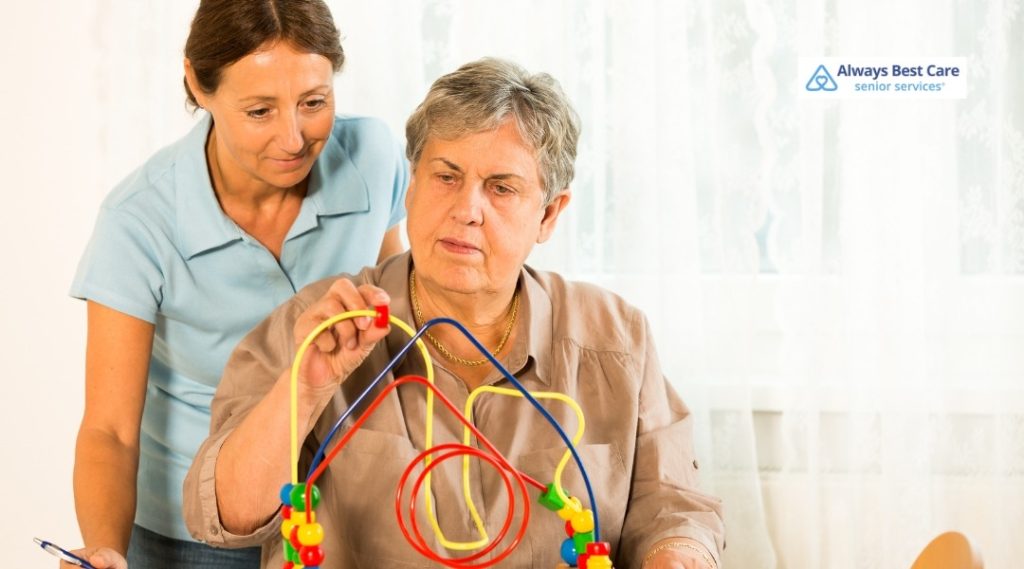
- Improving fine motor skills and hand-eye coordination
- Recommending and training patients on assistive devices
- Modifying the home layout to reduce hazards and improve accessibility
The goal isn’t just physical improvement; it’s restoring a sense of autonomy. When stroke survivors can manage their own routines again, even partially, it has a measurable positive impact on mood and motivation.
Monitoring for Complications and Secondary Stroke
One of the most critical and often underappreciated roles of home health is ongoing monitoring. Stroke survivors face an elevated risk of a second stroke, particularly in the weeks and months following the first.
Home health teams are trained to recognize warning signs, including:
- Sudden changes in speech, vision, or movement
- New or worsening weakness on one side
- Unexplained fatigue or confusion
- Irregular heart rhythms or blood pressure spikes
Early identification of these signs can be the difference between a minor intervention and a medical emergency. Regular professional monitoring also reduces unnecessary hospital readmissions, a significant concern for both patients and families.
Emotional and Social Support
Stroke recovery takes a psychological toll that is often underestimated. Depression affects an estimated 30–50% of stroke survivors, and anxiety, frustration, and social withdrawal are common. These emotional challenges can directly impede physical recovery if left unaddressed.
Home health caregivers and nurses provide more than clinical services; they offer a consistent human connection. Regular visits from familiar, supportive professionals help reduce isolation and reinforce a sense of progress. Families also benefit, gaining reassurance and guidance that reduces caregiver burnout.
Frequently Asked Questions
Q: How soon after a stroke can home health services begin?
A: Home health services can typically begin within days of discharge from a hospital or rehabilitation facility. A physician’s order is required, and a care coordinator will assess the patient’s needs before services start.
Q: Does Medicare cover home health after a stroke?
A: Yes, in most cases. Medicare Part A and Part B cover home health services, including skilled nursing, physical therapy, occupational therapy, and speech therapy, when a physician certifies medical necessity, and the patient meets homebound criteria. Coverage specifics vary, so it’s worth confirming with your provider.
Q: What’s the difference between home health and home care?
A: Home health refers to medically-oriented services delivered by licensed professionals (nurses, therapists). Home care typically refers to non-medical support, such as help with bathing, dressing, meal preparation, and companionship. Many agencies, including Always Best Care, offer both.
Q: How long do stroke survivors typically need home health services?
A: Duration varies based on stroke severity and individual progress. Some patients need services for a few weeks; others benefit from ongoing support for several months. Care plans are regularly reassessed and adjusted as recovery progresses.
How Always Best Care of Roseville Supports Stroke Recovery
At Always Best Care of Roseville, we take a coordinated approach to post-stroke home health. Our team collaborates with physicians, therapists, and family members to build care plans tailored to each individual’s recovery goals and living situation.
Beyond skilled nursing and therapy, our caregivers assist with daily activities, transportation to follow-up appointments, meal preparation, and companionship, ensuring that no aspect of recovery is overlooked.
Call Always Best Care of Roseville today at (916) 266-6453 to schedule a care consultation and learn how we can support your loved one’s recovery at home.
Link to the Markdown File version of the article