Preparing Your Home for Summer: Senior Safety Tips in Roseville
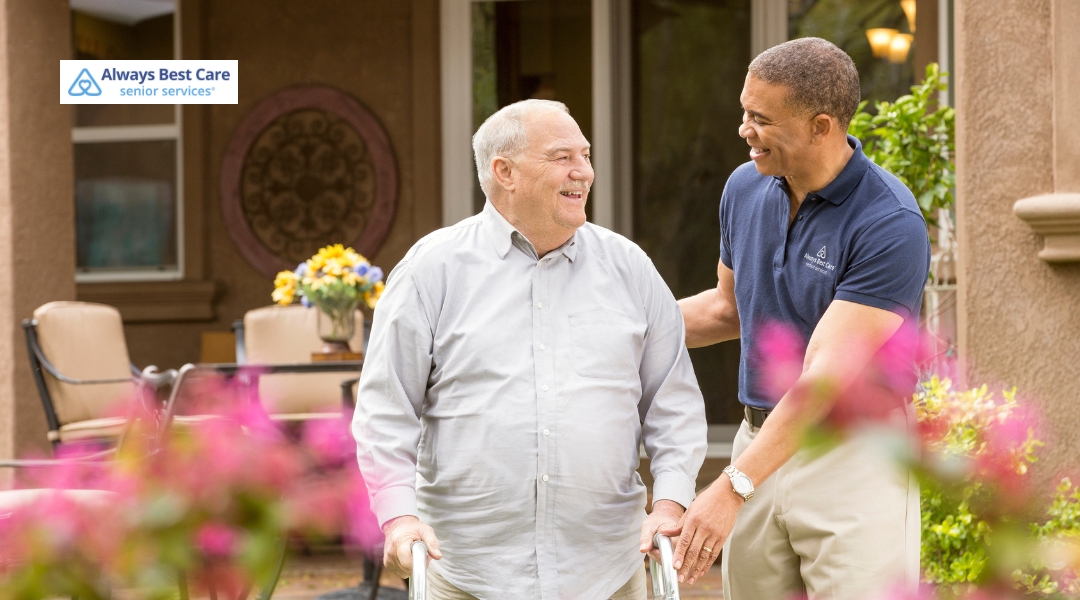
Sunshine, backyard chats, and long evenings – summer in Roseville can feel downright delightful. But for older adults, the heat and sudden weather changes can also bring some hidden risks. As we age, our bodies don’t handle temperature swings as well, so high heat, dehydration, and even simple trip hazards can quickly turn into serious problems.
The good news? A bit of planning now can mean a safer, more relaxed summer later. By making a few smart tweaks around the house, we can help the seniors we love stay comfortable, confident, and independent – without giving up the joys of the season.
What you will learn:
- How to keep a senior’s home in Roseville cool, safe, and comfortable when summer temperatures rise.
- Why daily hydration habits, medication awareness, and simple home updates help protect senior health.
- How to spot and reduce indoor and outdoor hazards that increase fall and heat-related risks.
- How planning for storms and using in-home care support can make summer easier, safer, and more enjoyable for seniors and their families.
Table of Contents
Keeping Indoor Temperatures Comfortable in Roseville
When the thermometer climbs, indoor comfort isn’t just about convenience – it’s about safety.
Home Cooling Check-Up
Before the first big heat wave hits, it’s wise to give the house a quick “summer tune-up”:
- Have the air conditioning system inspected and serviced.
- Replace HVAC filters so cool air flows freely.
- Test ceiling and portable fans to ensure they’re working properly.
- Close blinds or curtains during the hottest hours of the afternoon to block out extra heat.
No air conditioning at home? It may be time to map out a “cooling plan”: local libraries, senior centers, and other public buildings often offer comfortably cooled spaces during extreme heat.
Creating a Hydration Routine in Roseville
Dehydration sneaks up on a lot of older adults, especially in summer. Many seniors don’t feel thirsty, even when their bodies badly need fluids, and some medicines can make the problem worse.
Simple Ways to Stay Hydrated
To keep hydration on track, you can:
- Keep water within easy reach in every frequently used room.
- Use reusable water bottles as visual reminders to drink regularly.
- Add water-rich foods like watermelon, cucumbers, berries, and oranges to snacks and meals.
- Go easy on excess caffeine and sugary drinks, which can be dehydrating.
Drinking fluids throughout the day can help cut down on dizziness, fatigue, confusion, and other signs of heat-related illness.
Checking Outdoor Spaces for Hidden Hazards
Those sunny Roseville days practically beg us to step outside – to garden, chat with neighbors, or enjoy a quiet cup of coffee. But outdoor spaces can hide more risks than we think.
Make the Yard and Patio Safer
Walk around the property and look for trouble spots such as:
- Uneven walkways, cracked pavement, or loose pavers that could catch a foot.
- Garden hoses, tools, or clutter lying across common paths.
- Wobbly handrails on steps or ramps.
- Overgrown plants blocking walkways or hiding edges.
- Dim or broken outdoor lighting that makes it hard to see at dusk.
Tidying up these areas doesn’t take long, but it can dramatically reduce falls and help seniors enjoy the outdoors with more confidence.
Preparing for Summer Storms and Power Outages in Roseville
Summer isn’t just about sunny skies. Storms, high winds, and power outages can be especially stressful for older adults. Having a plan in place makes those moments far less overwhelming.
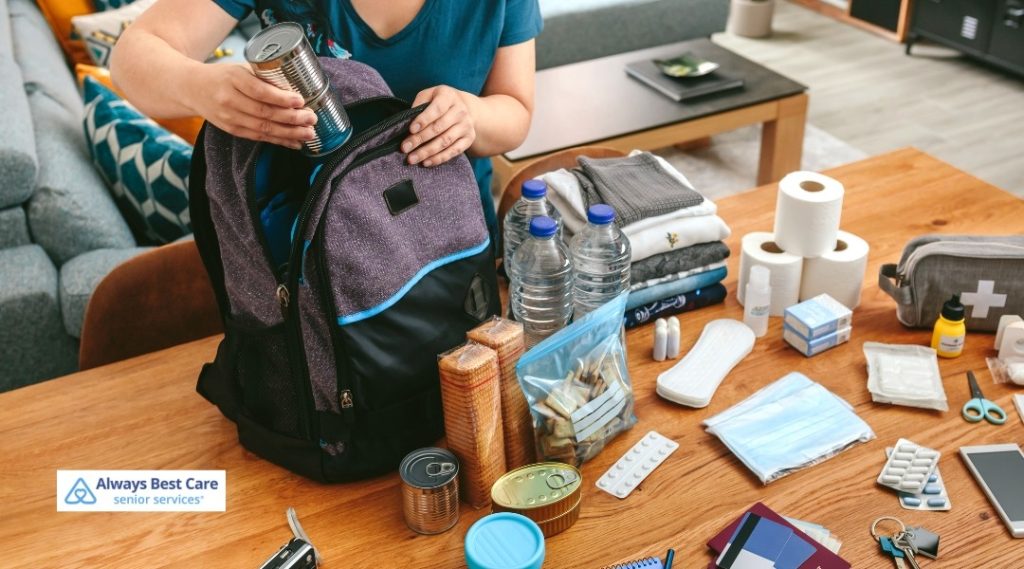
Build a Simple Emergency Kit
Consider gathering:
- Bottled water and easy-to-open, nonperishable food.
- Flashlights, a battery-powered lantern, and extra batteries.
- A written list of emergency contacts kept in a visible spot.
- A supply of essential medications and a way to keep track of doses.
- Backup charging options for phones and medical devices, if possible.
It also helps to talk through a communication plan with family members or friends so everyone knows who will call whom and how often during a storm or outage.
Reviewing Medication Storage and Heat-Related Side Effects
Heat doesn’t just affect people; it can affect medications, too. Some medicines increase sensitivity to sun or heat, while others lose effectiveness if they get too warm.
Smart Medication Habits for Summer
- Store medications exactly as the label or pharmacist directs – usually in a cool, dry place away from direct sunlight.
- Avoid leaving pill organizers or bottles on sunny windowsills or in hot cars.
- Ask a healthcare provider or pharmacist if any current medications make heat-related problems more likely.
Being aware of how medicines and hot weather interact can prevent complications that might otherwise catch us off guard.

Reducing Fall Risks Indoors
Summer can quietly increase fall risks inside the home, too. After gardening or watering plants, water may get tracked indoors, turning smooth floors into slick hazards.
Easy Indoor Safety Upgrades
- Place non-slip mats at entryways where shoes may be wet.
- Keep walkways clear of clutter, cords, or piles of shoes.
- Make sure hallways, stairs, and bathrooms are well-lit, including night lights.
- Wear supportive, well-fitting shoes indoors and outdoors, instead of loose slippers or going barefoot.
These small changes support balance and peace of mind for everyone in the home.
How Always Best Care of Roseville Can Help
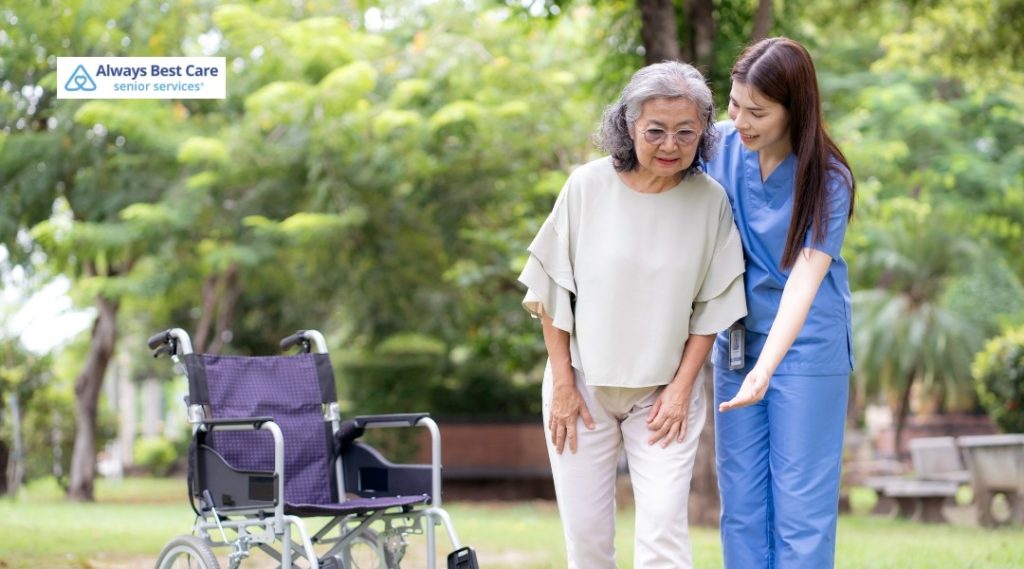
Preparing for summer sometimes feels like a lot to juggle, especially for seniors living alone or families already stretched thin. That’s where we come in.
At Always Best Care of Roseville, we offer hands-on support so older adults can enjoy the season while staying safe and comfortable at home. We can help with:
- Light housekeeping and simple home safety checks.
- Meal preparation, including hydrating foods and gentle reminders to drink water.
- Transportation to appointments, errands, and nearby cooling centers during heat waves.
- Medication reminders based on each person’s schedule.
- Companionship and informal wellness check-ins throughout the day.
By working together, we help seniors in Roseville make the most of summer without sacrificing safety or independence.
Frequently Asked Questions
Q: How can I tell if a senior might be getting too hot?
A: Watch for dizziness, headache, confusion, nausea, rapid pulse, or heavy sweating. If any of these show up, move to a cool area, offer fluids if appropriate, and seek medical help right away if symptoms are severe.
Q: How much water should an older adult drink in summer?
A: Many experts suggest aiming for about six to eight cups of fluid a day, and often more in hot weather, unless a healthcare provider has given different guidance for a specific health condition.
Q: What’s the safest time of day for outdoor activities?
A: Early morning or later in the evening is usually safer. The hottest, most dangerous hours tend to fall between late morning and late afternoon, so it’s best to keep outdoor time short then.
Q: Is air conditioning really necessary, or are fans enough?
A: For many seniors, air conditioning is strongly recommended during very hot weather. Fans alone may not prevent heat-related illness once indoor temperatures rise too high.
Q: How can Always Best Care of Roseville support my loved one this summer?
A: We can help with hydration reminders, safe meal preparation, home safety checks, rides to cool community spaces, and friendly companionship, all tailored to what your loved one needs most.
Sun-Soaked Days, Safe and Smiling Seniors
A safe, comfortable summer in Roseville doesn’t happen by accident – it’s built on thoughtful preparation and a few smart habits. By keeping the home cool, encouraging steady hydration, clearing outdoor and indoor hazards, planning for storms, and double-checking medications, we can help the seniors we care about enjoy the season instead of worrying about it.
If someone you love could use extra support at home this summer, reach out at (916) 507-0817, we at Always Best Care of Roseville are ready to lend a hand so they can stay safe, healthy, and independent all season long.
Link to the Markdown File version of the article