

When Appetite Declines: Helping Seniors Eat Well in Roseville

For many families, the first sign that something has changed isn’t a medical diagnosis; it’s an untouched plate. A parent who once looked forward to meals starts skipping breakfast, pushing food around, or eating just a few bites before stepping away from the table. It’s easy to dismiss as a phase, but a consistent drop in appetite among older adults deserves attention.
Nutrition doesn’t become less important with age; if anything, it becomes more critical. The body’s ability to absorb certain nutrients decreases over time, meaning seniors need to be more intentional about what they eat, not less. When appetite fades, that challenge becomes significantly harder to manage.
What you will learn:
- Why seniors may lose interest in food and the common physical, emotional, and social factors behind appetite decline.
- What’s at stake when older adults don’t eat enough and how poor nutrition affects strength, immunity, and independence.
- Practical, gentle ways to encourage better eating through meal structure, nutrient-dense foods, hydration, and social connection.
- How Always Best Care of Roseville supports senior nutrition with in-home meal help, monitoring, and warm companionship.
Table of Contents
Why Seniors Lose Interest in Food
Appetite loss in older adults rarely has a single cause. It’s usually the result of several overlapping factors that build on each other over time.
Physiologically, aging dulls the senses of taste and smell, which makes food less enjoyable. Digestion slows, creating a feeling of fullness that lingers longer than it should. Reduced physical activity means the body burns fewer calories, which naturally suppresses hunger signals.
Beyond biology, there are practical and emotional contributors:
- Medications — Many common prescriptions cause nausea, dry mouth, or altered taste as side effects
- Dental issues — Pain from teeth or poorly fitting dentures makes eating uncomfortable
- Swallowing difficulties — A condition called dysphagia affects a significant number of older adults and can make mealtimes stressful
- Chronic illness — Conditions like heart disease, diabetes, or kidney disease often affect appetite directly
- Mental health — Depression and anxiety are underdiagnosed in seniors and frequently manifest as disinterest in food
- Isolation — Eating alone, day after day, removes much of the social motivation that makes meals meaningful
Understanding which factors are at play is the first step toward addressing them effectively.
What’s at Stake When Seniors Don’t Eat Enough
The consequences of poor nutrition in older adults go beyond weight loss. When the body isn’t getting adequate protein, vitamins, and minerals, the effects compound quickly:
- Muscle mass decreases, raising the risk of falls and fractures
- The immune system weakens, making recovery from illness slower
- Fatigue sets in, reducing motivation for physical activity
- Cognitive function can decline more rapidly
- Wound healing slows, which is particularly concerning after surgery or injury
What makes this especially challenging is that these effects can be subtle at first. A senior may not appear malnourished but still be operating on a nutritional deficit that quietly erodes their health over months.
Practical Ways to Encourage Better Eating
Improving nutrition doesn’t always require a dramatic overhaul. Small, consistent changes often produce the most sustainable results.
Rethink meal structure. Three large meals a day may no longer work well for seniors with reduced appetite. Shifting to five or six smaller meals and snacks throughout the day keeps energy levels steadier and reduces the pressure of finishing a full plate.
Prioritize nutrient density. When appetite is limited, every bite needs to work harder. Focus on foods that deliver high nutritional value in smaller portions — eggs, Greek yogurt, nut butters, avocado, lean proteins, legumes, and whole grains. These provide protein, healthy fats, and essential vitamins without requiring large quantities.
Make food more appealing. Taste changes don’t mean flavor has to disappear. Herbs, spices, citrus, and marinades can enhance meals significantly. Presentation matters too – colorful, varied plates are more visually inviting than monotone ones.
Address the social dimension. Mealtime is inherently social, and eating alone consistently diminishes its appeal. Shared meals — whether with family, friends, or a caregiver – encourage seniors to eat more and enjoy the experience. Even a brief lunch together a few times a week can make a measurable difference.
Stay ahead of hydration. Dehydration is common among seniors and can suppress appetite further. Encouraging regular fluid intake, water, herbal teas, broths, and hydrating foods like cucumbers and watermelon supports both appetite and overall health.

When to Involve a Healthcare Provider
Some appetite changes are gradual and manageable with lifestyle adjustments. Others signal something that needs medical attention. Families should consult a healthcare provider if they notice:
- Noticeable weight loss over a short period
- Difficulty chewing or swallowing
- Sudden changes in mood, behavior, or cognition
- Persistent nausea or digestive discomfort
- Increased confusion or disorientation around mealtimes
A physician can review medications for side effects, assess for underlying conditions, and refer to a dietitian or speech therapist if needed. Early intervention typically leads to better outcomes.
How Always Best Care of Roseville Can Help
Managing nutrition at home becomes more difficult when a senior lives alone, has mobility limitations, or is dealing with cognitive decline. Always Best Care caregivers in Roseville provide hands-on support that keeps healthy eating a consistent part of daily life.
Caregivers can help with:
- Planning and preparing balanced, appealing meals
- Grocery shopping with nutrition in mind
- Monitoring appetite and flagging concerning changes to family members
- Encouraging regular hydration throughout the day
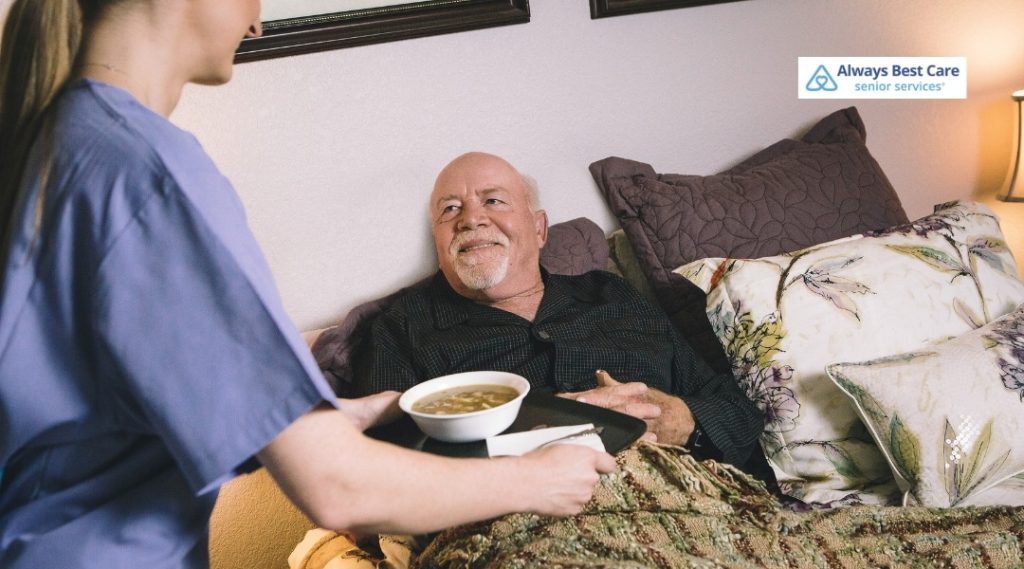
- Providing companionship during meals to make eating more enjoyable
- Coordinating with healthcare providers when nutritional concerns arise
This kind of consistent, attentive support makes a real difference, not just for physical health, but for a senior’s overall sense of well-being and independence.

Frequently Asked Questions
Q: How much weight loss should concern me in an older adult?
A: A loss of 5% or more of body weight over six to twelve months is generally considered clinically significant and warrants a conversation with a healthcare provider. Even smaller losses can be concerning if they’re accompanied by fatigue, weakness, or changes in behavior.
Q: Are appetite supplements or protein shakes a good solution?
A: They can be a useful short-term bridge, but they shouldn’t replace whole foods entirely. Nutritional shakes like Ensure or Boost provide calories and protein, but whole foods offer fiber, phytonutrients, and other compounds that supplements can’t fully replicate. A dietitian can help determine the right balance.
Q: Can depression cause appetite loss in seniors?
A: Yes, and it’s more common than many families realize. Depression in older adults often presents differently than in younger people, with physical symptoms like appetite loss, fatigue, and withdrawal being more prominent than sadness. If you suspect depression may be a factor, a mental health evaluation is an important step.
Q: What foods are easiest to eat for seniors with dental problems or swallowing difficulties?
A: Soft, moist foods tend to work best: scrambled eggs, yogurt, mashed sweet potatoes, soft fish, smoothies, oatmeal, and well-cooked vegetables. A speech-language pathologist can provide specific guidance for seniors with dysphagia.
Q: How can a caregiver help if a senior refuses to eat?
A: Patience and consistency matter more than pressure. Forcing the issue often backfires. Caregivers can try offering small amounts of preferred foods, adjusting meal timing, making the environment more pleasant, and gently exploring whether an underlying issue, pain, nausea, or emotional distress is driving the refusal.
Nourishing Independence, One Bite at a Time
If your loved one’s appetite has changed and you’re not sure where to turn, Always Best Care of Roseville is here to help. Call us today at (916) 266-6453 to schedule a care consultation and learn how our caregivers can support healthy eating and independent living at home.
Link to the Markdown File version of the article