
Why Seniors Don’t Always Feel Thirsty: Understanding the Importance of Staying Hydrated with Always Best Care of Roseville

Thirst does not always tell the full story as we age. Many older adults can be running low on fluids long before they feel that familiar dry, parched sensation, and dehydration can sneak up more quickly than families may expect.
In this article, we will explore why this happens, how dehydration can affect daily well-being, and how hydration can become a simple, comfortable part of everyday life for the seniors we care about.
What You Will Learn
- Why seniors may not always feel thirsty, even when their bodies need more fluids.
- How hydration supports comfort, energy, clear thinking, and daily wellness.
- Simple ways families and caregivers can help seniors build healthy hydration habits.
- How Always Best Care of Roseville can provide caring support with daily routines and hydration reminders.
Table of Contents
Why Seniors Don’t Always Feel Thirsty
Aging can quiet the body’s natural thirst signals, which means waiting until someone says they feel thirsty is not always a dependable plan. As a result, seniors may drink less than they need without even realizing it, especially if they are busy, tired, dealing with health concerns, or find getting a drink to be inconvenient.
The body may not sense fluid loss as quickly as it once did, and certain medications can make it harder to stay properly hydrated. Changes in kidney function, mobility challenges that make it harder to get to the kitchen or carry a drink, and concerns about frequent bathroom trips can also lead seniors to drink fewer fluids throughout the day.
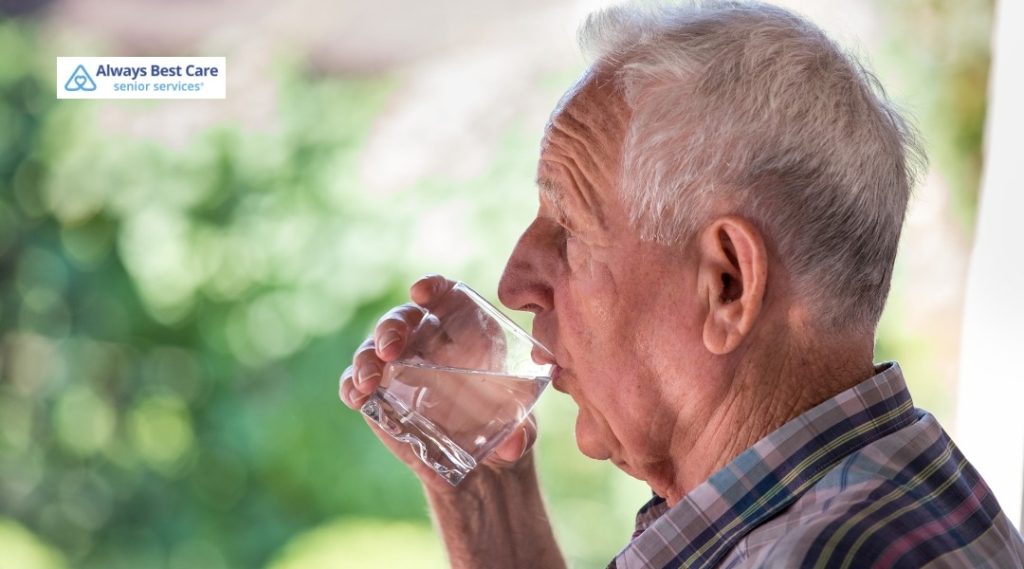
Why Hydration Still Packs a Punch
Water does much more than simply quench thirst. It helps the body regulate temperature, support digestion, keep blood pressure steady, and maintain clear thinking and energy throughout the day. When fluid intake drops, even by a small amount, seniors may notice the effects in their comfort, balance, and ability to follow their normal routines.
Common signs of dehydration can include dry mouth or cracked lips, dark urine or fewer bathroom trips, dry skin, headaches, weakness, low energy, dizziness when standing, constipation, confusion, or forgetfulness. Because these symptoms can appear gradually, families and caregivers should watch for changes that may seem small at first.
The Hidden Health Risks of Dehydration
Dehydration can begin quietly and still create real problems. A senior may feel unusually tired, off-balance, weak, or mentally foggy before anyone connects those changes to a lack of fluids. If dehydration goes untreated, it can increase the risk of falls, urinary tract infections, low blood pressure, and hospital visits.
That is why families and caregivers should watch for changes in everyday routines, not only major warning signs. A missed glass of water here and there can add up more quickly than people expect, especially during warm weather, illness, or more active days.

Easy Ways to Build a Daily Hydration Habit
Instead of waiting for thirst to show up, it can help to make drinking fluids part of the natural rhythm of the day. Small, familiar habits can go a long way toward helping seniors take in fluids regularly without making it feel like another task.
Encouraging a glass of water with each meal, keeping a water bottle or favorite cup within easy reach, and setting gentle phone reminders for regular sips can all be useful. Offering drinks during television time, meals, medication routines, and social visits can also make hydration feel more natural. It is often easier to sip steadily throughout the day than to drink a large amount all at once.
Foods That Help With Fluids
Water is not the only source of hydration. Plenty of familiar foods and drinks can lend a hand, particularly for seniors who do not enjoy drinking plain water often.
Watermelon, cucumbers, oranges, strawberries, lettuce, yogurt, broth-based soups, herbal tea, and low-fat milk can all contribute to daily fluid intake. A plate of fresh fruit, a cup of tea, or a warm bowl of soup can do more than satisfy hunger; it can also help seniors stay comfortably hydrated.

How Always Best Care of Roseville Supports Healthy Habits
At Always Best Care of Roseville, we know hydration is an important part of healthy aging, plain and simple. Our caregivers help seniors stay on track with regular drink reminders, nutritious meals, and friendly support throughout the day.
We also pay attention to changes that may point to dehydration and encourage steady routines that fit naturally into each client’s daily life. With thoughtful support and a little consistency, staying hydrated does not have to feel like a chore.
Frequently Asked Questions
Q: Why don’t seniors always feel thirsty?
A: As people age, the body may not respond to fluid loss as quickly or as strongly as it once did. This can mean thirst does not show up clearly, even when hydration levels are low.
Q: What are the first signs of dehydration in older adults?
A: Dry mouth, dark urine, tiredness, dizziness, headaches, constipation, and confusion are among the common early signs to watch for.
Q: Can food help with hydration?
A: Yes. Foods such as watermelon, cucumbers, oranges, soups, yogurt, and other fruits and vegetables can all add fluids to the day.
Q: How can caregivers help seniors drink more water?
A: Caregivers can offer drinks regularly, keep water nearby, include hydrating foods in meals, and make fluid intake part of familiar daily routines.
Q: When should a doctor be contacted?
A: If signs of dehydration appear suddenly, become worse, or include confusion, weakness, severe dizziness, or other concerning symptoms, seek medical guidance right away.

Stay Refreshed, Stay Well, Stay Supported
Seniors may not feel thirsty as often, but their bodies still need steady fluids to work well each day. With simple habits, water-rich foods, and a little support from family or caregivers, hydration can become easier, safer, and more comfortable.
If your loved one could use a little extra support at home, reach out to Always Best Care of Roseville at (916) 266-6453 today. Our compassionate caregivers are here to provide thoughtful assistance, friendly companionship, and gentle daily reminders that help seniors stay comfortable, hydrated, and independent at home.
Link to the Markdown File version of the article