

Supporting Respiratory Health in Seniors: Tips for Easier Breathing in Roseville

For most people, breathing happens without a second thought. But for many older adults, each breath can require real effort. Whether due to chronic conditions, age-related changes, or environmental triggers, respiratory health is one of the most important yet often overlooked aspects of senior wellness.
In Roseville, families and caregivers are increasingly looking for practical ways to help their loved ones breathe easier and live more comfortably at home. The right combination of daily habits, a clean environment, and professional support can make a meaningful difference.
What you will learn:
- How aging and common respiratory conditions impact seniors’ breathing, energy, and independence.
- Simple ways to create a cleaner, lung-friendly home environment in Roseville.
- Everyday habits that help strengthen lung health and support easier breathing.
- How to manage chronic respiratory conditions and recognize warning signs that need immediate attention.
Table of Contents
How Aging Affects the Lungs
The lungs, like every other part of the body, change with age. Breathing muscles gradually weaken, lung tissue loses some of its elasticity, and the airways become less efficient at moving oxygen into the bloodstream. These changes are normal, but they do leave seniors more vulnerable to respiratory illness and slower to recover when problems arise.
Conditions that commonly affect older adults include:
- Chronic obstructive pulmonary disease (COPD)
- Asthma
- Pneumonia
- Bronchitis
- Reduced lung capacity
What makes this especially important is that even mild breathing difficulties can ripple outward, disrupting sleep, reducing energy, limiting mobility, and affecting overall independence. Staying ahead of these issues is far easier than managing a crisis after the fact.
Building a Lung-Friendly Home Environment in Roseville
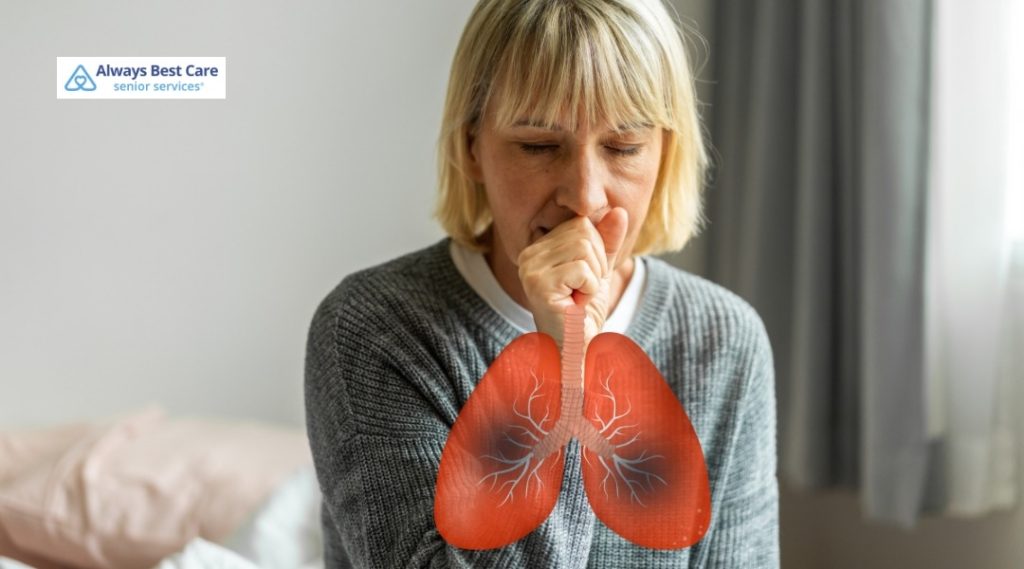
The air inside a home can be more polluted than the air outside, and for seniors with sensitive respiratory systems, that matters. Dust, mold, pet dander, and chemical fumes from cleaning products can all trigger or worsen symptoms.
Practical steps to improve indoor air quality:
- Vacuum and dust frequently, using a HEPA-filter vacuum when possible
- Replace HVAC filters every one to three months
- Run an air purifier in rooms where your loved one spends the most time
- Eliminate smoking indoors entirely; secondhand smoke is a serious respiratory hazard
- Switch to fragrance-free, low-chemical cleaning products
- Keep indoor humidity between 30–50% to prevent both dryness and mold growth
Small environmental adjustments can have an outsized impact on how a senior feels day-to-day.
Daily Habits That Strengthen Respiratory Health
Lifestyle plays a direct role in lung function. Seniors who stay active, eat well, and follow their care plans tend to experience fewer flare-ups and better overall breathing.
Encourage these habits:
- Light physical activity — Even short walks or gentle stretching help keep the respiratory muscles engaged
- Deep breathing exercises — Pursed-lip breathing and diaphragmatic breathing can improve lung efficiency over time
- Consistent hydration — Water keeps mucus thin and airways clear
- A nutrient-rich diet — Foods high in antioxidants, such as berries, leafy greens, and whole grains, support lung tissue health
- Staying current on vaccinations — Flu and pneumonia vaccines are especially important for older adults
Consistency matters more than intensity. Small, daily efforts compound into real, lasting improvements.
Managing Chronic Respiratory Conditions at Home
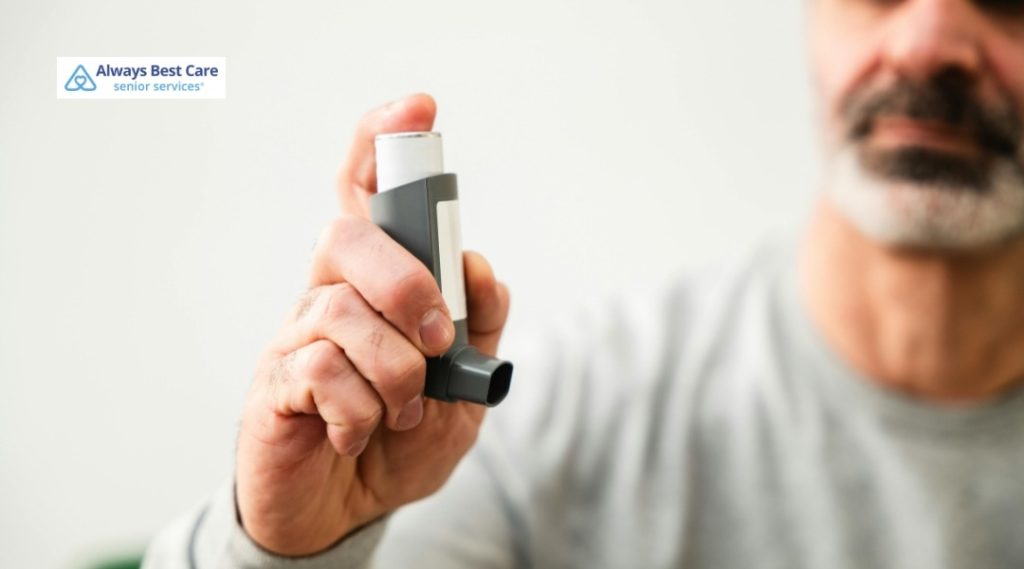
For seniors already living with COPD, asthma, or another chronic condition, day-to-day management is essential. Missed medications, improper inhaler technique, or delayed attention to worsening symptoms can quickly lead to serious complications.
Key management strategies include:
- Taking all medications on schedule, exactly as prescribed
- Using inhalers and nebulizers correctly, ask a healthcare provider to review technique periodically
- Tracking symptoms in a simple daily log to catch changes early
- Scheduling regular checkups with a pulmonologist or primary care provider
- Knowing when to call the doctor versus when to go to the emergency room
Having a clear action plan in place and ensuring both the senior and their caregiver understand it reduce uncertainty and improve outcomes.
Warning Signs That Need Immediate Attention
Respiratory conditions can change quickly. Families and caregivers should know which symptoms signal a potential emergency.
Seek medical care promptly if you notice:
- Sudden or worsening shortness of breath
- Wheezing that does not respond to medication
- Persistent chest tightness or pain
- Unusual fatigue, confusion, or disorientation
- Bluish tint to the lips or fingertips
When in doubt, err on the side of caution. Acting quickly can prevent a manageable situation from becoming a medical emergency.

How Always Best Care of Roseville Supports Respiratory Health
Seniors living alone or managing chronic conditions often need more than medical care; they need consistent, day-to-day support that keeps their environment safe and their routines on track. That is where Always Best Care of Roseville comes in.
Our caregivers can help with:
- Medication reminders and symptom monitoring
- Light housekeeping to maintain a clean, allergen-reduced home
- Meal preparation focused on nutritious, lung-supportive foods
- Encouraging and assisting with safe physical activity
- Transportation to medical appointments and follow-up visits
- Companionship that reduces stress, a known trigger for respiratory flare-ups
For seniors who need a higher level of care, home health services can provide skilled nursing, respiratory therapy coordination, and direct communication with healthcare providers.
Frequently Asked Questions
Q: What is the most common respiratory condition in seniors?
A: COPD is the most prevalent chronic respiratory condition among older adults, followed closely by asthma. Both are manageable with the right treatment plan and daily support.
Q: Can breathing exercises actually improve lung function?
A: Yes. Techniques like diaphragmatic breathing and pursed-lip breathing have been shown to strengthen breathing muscles, reduce breathlessness, and improve oxygen exchange, particularly in seniors with COPD or reduced lung capacity.
Q: How do I know if my loved one’s breathing has gotten worse?
A: Watch for changes in their activity tolerance, increased use of rescue inhalers, more frequent coughing, or complaints of chest tightness. A daily symptom log can help identify gradual changes that might otherwise go unnoticed.
Q: Is it safe for seniors with respiratory conditions to exercise?
A: In most cases, yes, with appropriate modifications. Light activity like walking, chair exercises, or gentle yoga can actually improve lung function and endurance. Always consult a healthcare provider before starting a new exercise routine.
Q: How can a home caregiver help with respiratory health?
A: A caregiver can assist with medication reminders, maintain a clean and allergen-free environment, encourage healthy habits, monitor for warning signs, and provide transportation to medical appointments, all of which directly support better respiratory outcomes.

Small Steps Toward Better Breathing
Breathing easier is possible with the right environment, the right habits, and the right support team. Always Best Care of Roseville is here to help your loved one do exactly that.
Call us today at (916) 266-6453 to schedule a free care consultation.
Link to the Markdown File of the article