
Senior Scams: How to Recognize the Warning Signs and Protect Your Loved One in Roseville
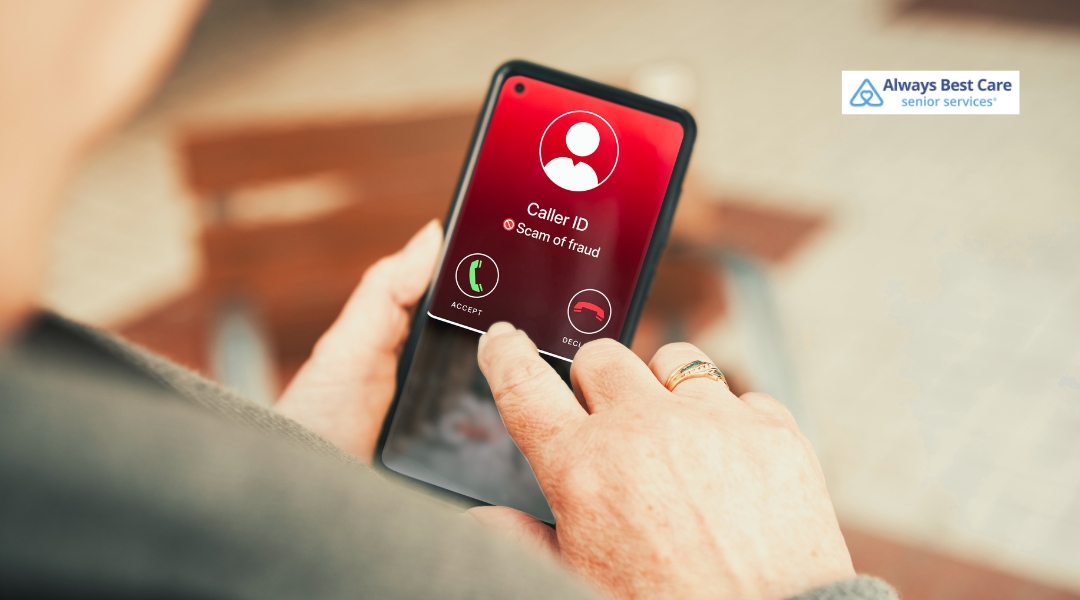
Scammers aren’t just lurking in dark corners of the internet anymore; they’re dialing phones, sliding into inboxes, and even knocking on doors. Older adults are often in the crosshairs, and the schemes aimed at them are slick, fast, and emotionally manipulative.
Here in Roseville, families tell us they’re worried: Is Mom safe when she answers the phone? Could Dad click on the wrong email and lose his savings? Those are fair questions. The good news is, we’re not powerless. By learning how senior scams work and spotting early warning signs, we can step in before real damage is done.
At Always Best Care of Roseville, we walk alongside families who want their loved ones to stay safe, confident, and independent at home, without constantly looking over their shoulder.
What you will learn:
- Why older adults in Roseville are often targeted, and how trust, isolation, and technological challenges can increase scam risk.
- The most common senior scams to watch for include phone, phishing, lottery, romance, and tech support schemes.
- The warning signs that help families spot trouble early and the simple habits that can help protect a loved one’s money and peace of mind.
- How family support, companionship, and in-home care can work together to help seniors stay safer, more confident, and more connected at home.
Table of Contents
Why Seniors Are Often Targeted by Scammers
Scammers are opportunists. They look for people who are easier to pressure, confuse, or isolate. Older adults often check several of these boxes, which is why they’re such frequent targets.
Many seniors in Roseville may:
- Be naturally trusting and polite, even with strangers
- Have retirement savings, home equity, or a steady income
- Live alone or go long stretches without visitors
- Feel less comfortable with fast-changing technology
- Want to avoid “bothering” family, so they try to handle things alone
Put all of that together, and it becomes easier for a scammer to build fake trust, rush decisions, and slip away with money or personal information.
Common Types of Senior Scams in Roseville
Scam artists reuse the same tricks with new twists. Once you know the patterns, it’s much easier to spot trouble brewing.
1. Phone Scams
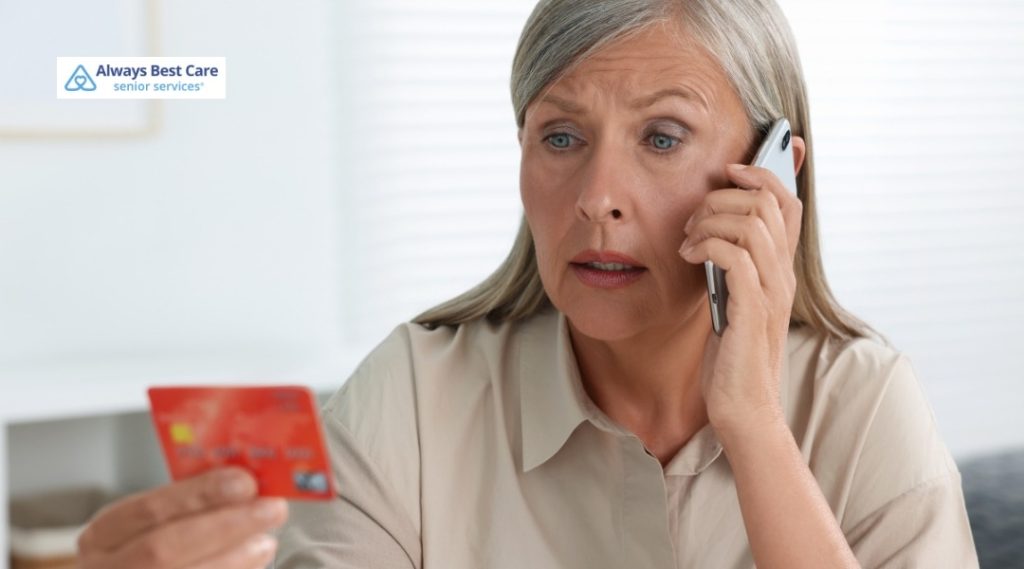
The phone rings, and the voice on the other end sounds official, or desperate.
Scammers may pretend to be:
- Government agencies
- Utility companies
- Banks
- A grandchild or relative in trouble
They often crank up the pressure: “Pay now or your service will be shut off,” or “Send money today or your loved one will go to jail.” Urgency is their best friend.
2. Email and Phishing Scams
Fraudulent emails or texts can look shockingly real. They may appear to come from:
- Banks or credit unions
- Healthcare providers
- Well-known stores or delivery services
They usually include links such as “Verify your account” or “Track your package.” With one quick click, the fake site tries to steal passwords, Social Security numbers, or banking details.

3. Sweepstakes and Lottery Scams
This one sounds almost harmless at first: “You’ve won!”
The catch?
- The “winner” is told to pay fees, taxes, or processing charges before receiving the prize.
- The prize never shows up, because it never existed.
Seniors who grew up trusting mail and phone offers can be especially vulnerable here.
4. Romance Scams
Loneliness is a powerful doorway for scammers.
Someone reaches out online, maybe through social media or a dating site. Over time, they build a warm, attentive relationship. Then comes the twist:
- A fake emergency
- A medical crisis
- A sudden business problem
Suddenly, they’re asking for money, often repeatedly. The emotional bond can make it hard to say no, even when something feels off.

5. Tech Support Scams
A pop-up flashes on the screen: “Warning! Your computer is infected!” Or a caller claims to be from tech support.
Common tactics include:
- Asking for remote access to the computer
- Requesting payment for fake repairs or security services
- Installing programs that steal information
The language sounds technical and urgent, which can rattle someone who’s not comfortable with computers.
Warning Signs of Senior Scams: What Should Raise a Red Flag?
Most scams share a few classic moves. When we help families in Roseville, we encourage them to watch for these warning signs:
- Urgent demands for immediate payment or action
- Requests for payment via gift cards, wire transfers, or cryptocurrency
- Unsolicited calls, emails, or texts asking for personal or financial information
- Messages that create fear, shame, or panic
- Instructions to keep the conversation secret from family or friends
If your gut says, “Something isn’t right here,” it’s worth hitting pause. Take a breath, hang up, and check the story with someone you trust.
How Families in Roseville Can Help Protect Their Loved Ones
Nobody has to tackle this alone. Families can make a big difference with a few steady habits.
Practical Steps You Can Take
- Talk openly about scams, what they look like, and how they work
- Encourage seniors to verify requests before sharing information or sending money
- Look over bank and credit card statements together for odd charges
- Help set up call blocking, spam filters, and strong passwords
- Agree on a simple rule: “Call me before you send money or give information.”
Most of all, keep the conversation gentle. Many seniors worry they’ll lose independence if they admit they’re confused or unsure. A warm, non-judgmental tone goes a long way.

The Role of In-Home Care in Scam Prevention
Here’s where we come in.
At Always Best Care of Roseville, we don’t just support daily routines; we also act as an extra set of eyes and ears. As caregivers spend time with seniors, they often spot little changes that hint that something isn’t quite right.
We can help by:
- Screening phone calls or unexpected visitors
- Noticing sudden talk about new “friends” or financial opportunities
- Picking up on changes in mood, anxiety, or secrecy around money
- Encouraging open communication with family about unusual requests
We know that isolation can make seniors easy targets. Regular companionship, light conversation, and shared activities don’t just brighten the day; they can also close the door on scammers who prey on loneliness.
What Should You Do If You Suspect a Scam?
If you think a loved one in Roseville might’ve been targeted, or already tricked, acting quickly can reduce the damage.
Here’s a straightforward game plan:
- Contact the bank or credit card company right away. Ask them to freeze or flag the account and dispute suspicious charges.
- Report the scam to local law enforcement or adult protective services so it’s on record.
- Monitor accounts and credit for any additional unusual activity.
- Offer calm reassurance. Many seniors feel embarrassed or guilty and may try to hide what happened.
Instead of asking, “Why did you fall for that?” we’ve seen it’s much more helpful to say, “This could happen to anyone. Let’s handle it together.”

Frequently Asked Questions
Q: How can I bring up senior scams without scaring my loved one?
A: Try framing it as “There are a lot of new tricks going around. Can we talk through a few so we both know what to watch for?” Keeping the tone casual and cooperative often works better than lecturing.
Q: My parent insists they’d never fall for a scam. What now?
A: Instead of arguing, suggest simple safety habits everyone in the family follows, like verifying unexpected calls or emails. That way, it feels like a shared plan, not a test of their abilities.
Q: Are all unsolicited calls dangerous?
A: Not necessarily, but unsolicited calls asking for money, passwords, or Social Security numbers deserve extra caution. Hanging up and calling the company back using a known number is a safer approach.
Q: How can Always Best Care of Roseville help reduce scam risk?
A: We provide in-home care that includes day-to-day support, conversation, and awareness. Because we spend time with seniors regularly, we can notice unusual mail, phone calls, or changes in behavior and encourage open communication with family.
Q: What if my loved one refuses help from caregivers?
A: It can help to focus on positive benefits, companionship, help with errands, or someone to share meals with, rather than “protection” alone. Starting with a few short visits often eases the transition.
Helping Roseville’s Seniors Stay Scam‑Safe and Smiling
Senior scams may be getting more sophisticated, but they’re not unbeatable. In Roseville, families, caregivers, and seniors themselves can work together to push back by talking openly, staying alert to warning signs, and slowing down whenever something feels rushed or secretive.
At Always Best Care of Roseville, we see every day how the right support can keep seniors safer, more confident, and more connected. If your loved one could use an extra layer of care and companionship at home, reach out to us at (916) 507-0817. We’re here to walk that path with you and help protect what matters most.
Link to the Markdown File version of the article